

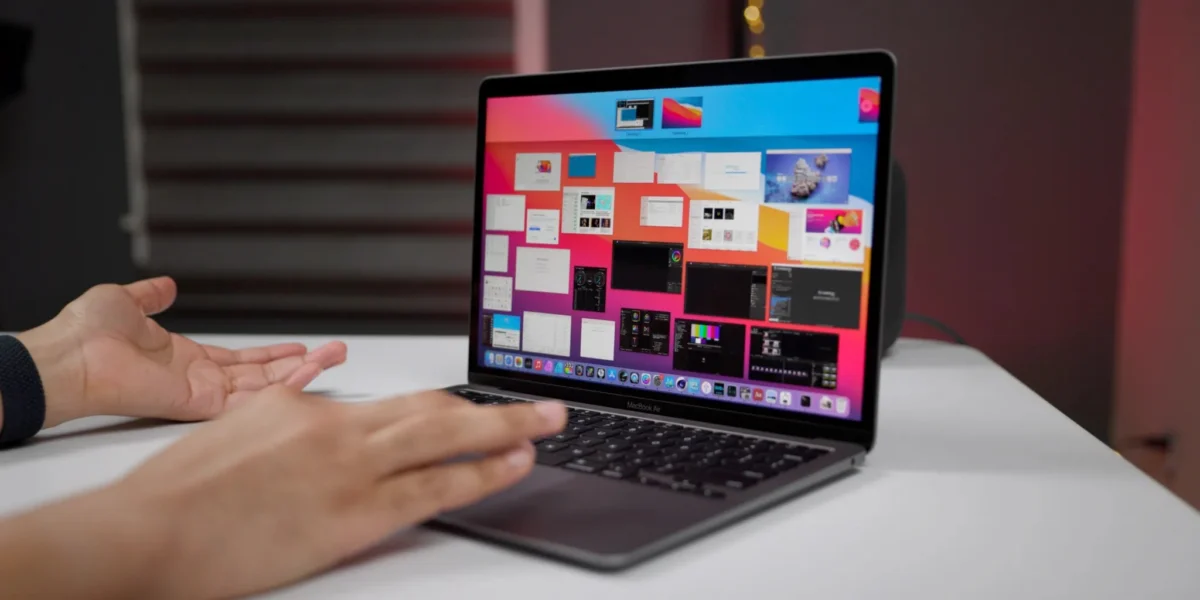
In the ecosystem of enterprise IT management, the lifecycle of a laptop has historically been as predictable as it is rigid. For decades, the standard operating procedure for IT administrators has been a three-to-four-year refresh cycle. Once a machine hit the end of its lease, it was typically relegated to the scrap heap—or at least sent off to a third-party refurbisher. The logic was sound: by the end of a four-year tenure, Intel-based machines were often plagued by degraded batteries, struggling thermal systems, and the looming specter of hardware failure.
However, the introduction of the M1 MacBook Air in November 2020 served as a technological disruptor that fundamentally altered this calculus. As we move through 2026, the M1 MacBook Air remains a staple in professional environments, defying the traditional curve of planned obsolescence and forcing IT departments to rethink the fiscal and operational value of Apple hardware.
The Traditional Laptop Lifecycle: A Legacy of Degradation
To understand the magnitude of the M1’s impact, one must look at the "Intel era" of Apple hardware. Between 2016 and 2019, the enterprise standard was defined by constant maintenance overhead. Laptops from this period were notoriously fragile; the butterfly keyboard mechanism, in particular, was a point of failure that cost IT departments thousands of dollars in support and replacement time.
Beyond the keyboard, these machines faced the inevitable march of thermal decline. Intel chips of that generation required robust cooling solutions, which invariably meant fans spinning at high RPMs, pulling dust into the chassis, and inevitably leading to heat-throttling and internal component degradation. By year three, a laptop was often loud, hot, and struggling to keep pace with modern macOS overhead.

From an administrative perspective, these devices became a liability. Keeping them as "spares" was an exercise in frustration; they were unreliable, prone to battery swelling, and required more maintenance than the newer machines they were meant to replace. The standard procedure was simple: get them out of the building the moment the lease expired.
The M1 Anomaly: A Shift in Engineering Paradigms
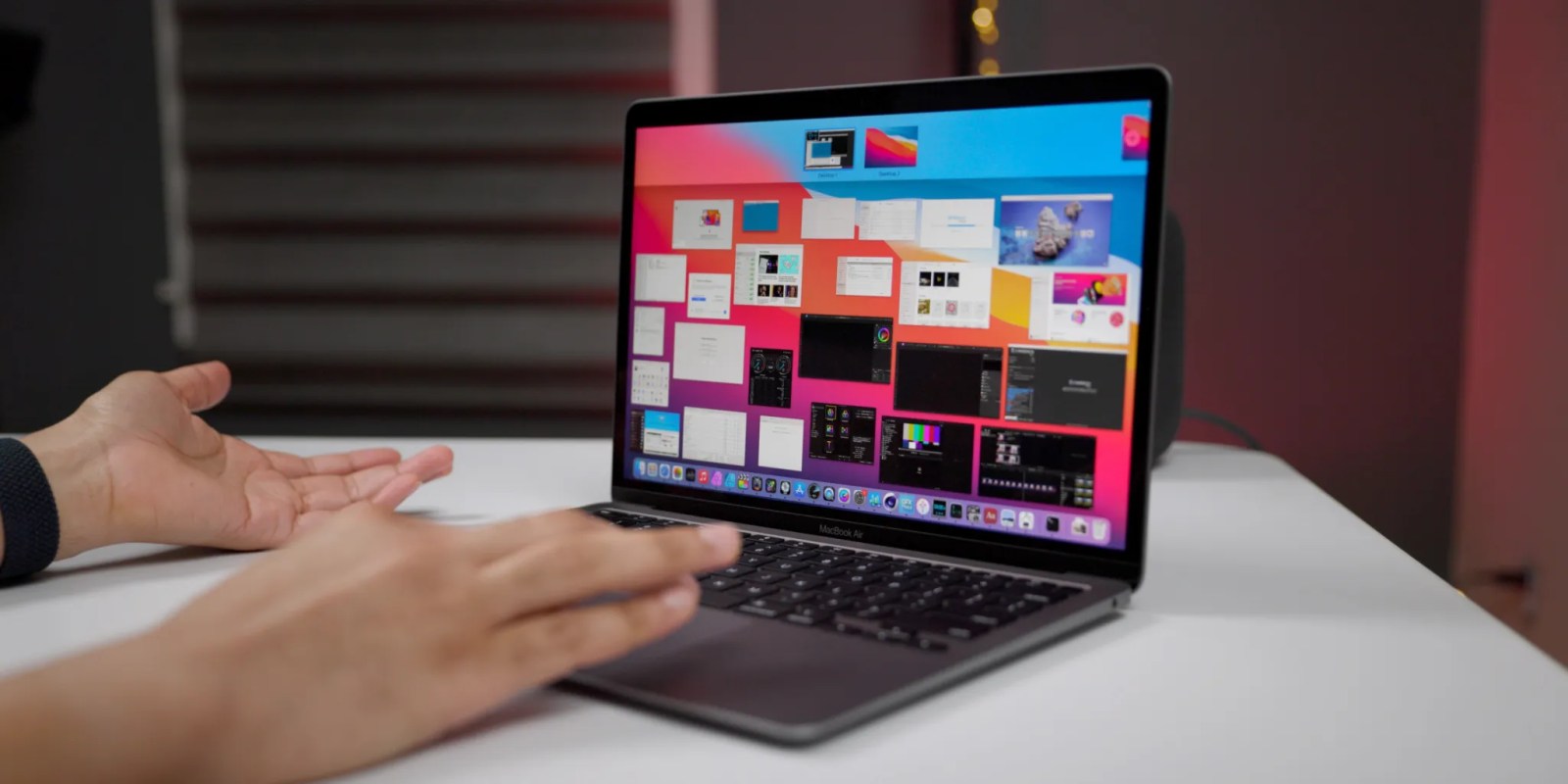
When Apple transitioned to its proprietary Silicon, the hardware landscape shifted overnight. The M1 MacBook Air, released in late 2020, introduced a radical departure from traditional laptop engineering: it was fanless.
By removing the moving parts associated with cooling, Apple effectively eliminated one of the primary vectors for long-term hardware failure—dust accumulation and fan motor burnout. The result was a machine that, even five and a half years later, remains remarkably clean, quiet, and thermally efficient.
Furthermore, the M1 chip demonstrated a level of performance overhead that was unprecedented. While Intel-based machines of the era saw their performance taper off as operating systems became more resource-intensive, the M1 architecture provided a massive leap in efficiency. Today, those same machines are still capable of handling modern multitasking, high-resolution video conferencing, and complex web applications with ease. They remain fully supported by the latest iterations of macOS, maintaining security compliance—a critical metric for any enterprise IT department.
Chronology of the M1 Impact
- November 2020: The M1 MacBook Air is launched, marking the start of the Apple Silicon era. Early reviews praise the machine’s battery life and thermals, though few at the time realize its long-term enterprise viability.
- 2022–2023: IT departments begin to notice a lack of hardware support tickets for the M1 fleet compared to the legacy Intel units. Lifecycle extensions begin in smaller organizations.
- 2024: The "three-year cycle" begins to falter. Managers realize that replacing these machines is unnecessary from a performance standpoint, leading to an increase in internal repurposing.
- 2025–2026: The M1 MacBook Air is now considered a "legacy" device, yet it remains the backbone of loaner pools and spare inventories across thousands of global firms. Its resilience has effectively forced a shift in corporate procurement strategies.
Supporting Data: Why Longevity Matters
The business case for extending hardware lifecycles is compelling. If an organization can move from a three-year replacement cycle to a five-year cycle, they essentially reduce their annual hardware capital expenditure (CapEx) by 40%.
According to various IT management studies, the "Total Cost of Ownership" (TCO) of a Mac is already lower than that of a PC due to higher residual value and lower support requirements. With the M1 series, the TCO equation is even more favorable. Because these machines remain "work-ready" for significantly longer, the need for urgent, bulk replacements is mitigated.
In a typical modern office, the "knowledge worker" workload—Slack, Microsoft 365, browser-based SaaS platforms, and Zoom—is not significantly more demanding today than it was in 2020. Consequently, the M1 MacBook Air’s 8GB or 16GB of unified memory remains sufficient for 80% of the workforce. By keeping these machines in the fleet as secondary devices, loaners, or emergency backups, IT departments can avoid the "emergency purchase" trap, where they are forced to buy expensive, high-spec machines at short notice when an employee’s primary device fails.
Industry and Official Perspectives
While Apple does not explicitly market its laptops based on "lifespan," its commitment to long-term software support for its Silicon architecture speaks volumes. By ensuring that the M1 chip is compatible with the latest macOS releases, Apple is implicitly supporting the longevity of the hardware.
IT experts and administrators, such as those utilizing management platforms like Mosyle, have noted this trend as well. The ability to seamlessly deploy, manage, and protect these devices via modern MDM (Mobile Device Management) solutions has made it easier than ever to maintain a fleet of mixed-age hardware. Whether the machine is a 2020 M1 or a 2026 M5, the administrative overhead remains consistent, allowing IT teams to keep older machines in the fold without sacrificing security or compliance.
The Strategic Implications for IT Management
The M1 phenomenon presents a clear challenge to the "planned obsolescence" model. For the corporate buyer, this is a net positive. It means that while the sticker price of new Apple hardware may have seen slight inflationary increases, the value of that hardware has actually skyrocketed because it stays relevant for two years longer than its predecessors.
1. The Death of the Three-Year Lease
The traditional three-year lease cycle is becoming obsolete. Enterprises are now looking at four- or five-year depreciation schedules. This shift allows for a more sustainable IT budget, where companies can invest in higher-end base models (e.g., more RAM) knowing that the machine will remain useful for nearly half a decade.
2. The Rise of the "Loaner Fleet"
Rather than recycling hardware, forward-thinking IT managers are building robust "loaner pools." By keeping a stack of M1 MacBook Airs on hand, a company can provide an instant, high-quality replacement for an employee whose machine is in for service. This minimizes downtime and maintains productivity without the need for constant new equipment procurement.

3. Sustainability and Corporate Responsibility
Beyond the balance sheet, there is the matter of environmental impact. Extending the life of a laptop by two years significantly reduces the e-waste footprint of an organization. In an era where ESG (Environmental, Social, and Governance) goals are becoming a boardroom priority, keeping high-performance hardware in circulation is a tangible way to demonstrate corporate sustainability.
Conclusion: A New Era for Apple Enterprise
We are now several generations deep into the Apple Silicon era, and the legacy of the original M1 chip is firmly cemented. It was a catalyst that broke the cycle of rapid, forced upgrades. By designing a machine that was inherently reliable, thermally superior, and software-compatible for years to come, Apple fundamentally changed the economics of enterprise IT.
For those managing fleets, the directive is clear: do not be hasty to cycle out your older M1-based hardware. These machines possess a degree of utility that is rare in the consumer electronics space. By keeping them enrolled in your management platforms, leveraging them as spares, and embracing a five-year lifecycle, organizations can achieve a level of fiscal and operational efficiency that was unthinkable just six years ago. The M1 did not just change how our computers perform; it changed how we value the machines we rely on to do our work.











