Nana
Nana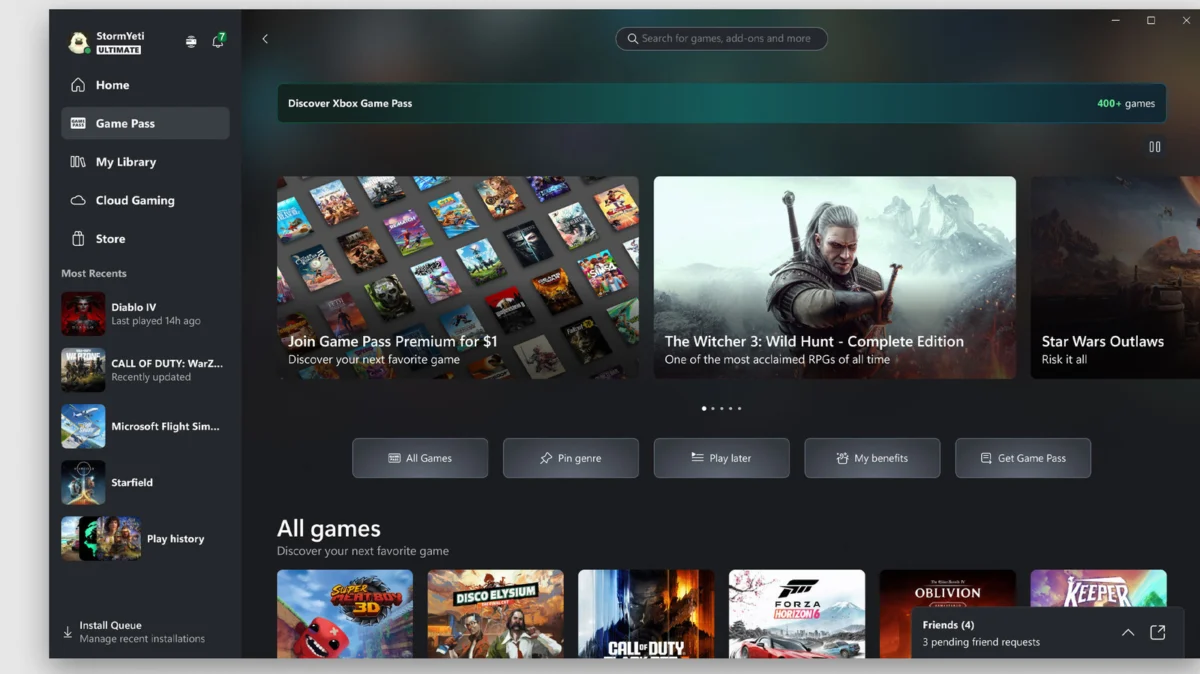
In a decision that may echo throughout the corridors of the gaming industry, a Brazilian court has issued a landmark ruling against Microsoft, mandating the restoration of a user’s suspended Xbox account and its associated digital library. The case, which centered on a victim of account hacking, highlights the growing tension between the convenience of digital storefronts and the precarious nature of user ownership in an increasingly "all-digital" gaming landscape.
The ruling serves as a stark reminder that while companies like Microsoft hold the keys to digital ecosystems, they are not immune to the rigors of consumer protection law. For the gamer known as "Ordo_Liberal," the victory is more than a restoration of service—it is a legal validation of the idea that a digital library represents a tangible asset that cannot be arbitrarily erased by corporate policy.
The Genesis of the Dispute: A Digital Nightmare
The ordeal began approximately three months ago when the user, known on Reddit as Ordo_Liberal, discovered that their Microsoft account had been subjected to unauthorized access. In many cases of account compromise, the standard protocol for tech giants is a security lockdown. However, for Ordo_Liberal, this protective measure turned into a permanent exile.
Upon reporting the breach to Microsoft support, the user was informed that because their account had been compromised, the company’s internal security protocols necessitated a permanent suspension. The justification provided by Microsoft was that the freeze was intended to "prevent any further use" of the account. For the user, this meant the instantaneous evaporation of years of investment—an entire library of digital video games, progress, and personal data vanished behind a corporate firewall.
Rather than accept the loss and attempt to rebuild a library from scratch—a costly and frustrating endeavor—the user opted for a more aggressive route: litigation. By leveraging Brazil’s robust consumer protection framework, Ordo_Liberal sought to hold the tech giant accountable for what they perceived as an unfair and disproportionate response to a security breach that was not of the user’s making.
Chronology of a Legal Battle
The timeline of this case illustrates both the frustration of dealing with automated corporate support and the efficacy of judicial intervention.
- Initial Breach: The user’s account experiences unauthorized access. Microsoft, acting on automated security flags, restricts access to the account.
- Support Deadlock: Following contact with Microsoft’s customer support, the user is informed that the account has been permanently suspended. The company offers no path to recovery, citing policy regarding compromised accounts.
- The Lawsuit: Realizing that traditional support channels are exhausted, the user initiates a lawsuit in a Brazilian court. Utilizing the country’s legal aid system for consumers, the user secures representation at no personal cost.
- The Ruling: After reviewing the evidence, the court rules in favor of the consumer. The verdict mandates that Microsoft restore the account and its library within 15 days.
- The Penalties: Should Microsoft fail to comply within the 15-day window, the company faces a daily fine of 150 BRL (approximately $30), capped at 1,500 BRL ($300). Furthermore, the court ordered the company to pay 2,000 BRL (approximately $400) in damages to the user.
The Legal Framework: Brazil’s Consumer Defense
A pivotal factor in this case was the location of the litigation. Brazil is widely recognized for having some of the world’s most stringent consumer protection laws. The "Código de Defesa do Consumidor" (Consumer Defense Code) provides citizens with significant leverage when dealing with large multinational corporations.
In this instance, the ability to utilize a public defender allowed the user to challenge a multi-billion dollar tech giant without the prohibitive costs of private litigation. This structural advantage in the Brazilian legal system transformed what would have been a "David vs. Goliath" battle in many other jurisdictions into a viable path for justice. The court essentially determined that, regardless of Microsoft’s internal "Terms of Service," the permanent revocation of a user’s paid digital property due to a security breach was an act of abuse.
Implications for Digital-Only Libraries
The core of this debate touches on a growing existential anxiety among modern gamers: the transition to "digital-only" ecosystems. As physical media continues to wane in popularity, gamers are increasingly reliant on digital licenses granted by platforms like Xbox, PlayStation, and Steam.
The Myth of Ownership
When a user purchases a digital game, they are technically purchasing a revocable license to access the content, not the software itself. This distinction has long been buried in End User License Agreements (EULAs). However, as these libraries grow to include thousands of dollars worth of content, the power dynamic becomes increasingly lopsided. When a company decides to suspend an account, they aren’t just locking a social profile; they are effectively seizing the user’s property.
A Glimmer of Hope
While this specific case involves a relatively small amount of monetary damages, its precedent is significant. It signals that judicial systems are beginning to view digital assets as property that warrants protection. If courts continue to rule that companies cannot simply "delete" a customer’s investment due to administrative convenience, it may force major platforms to reconsider their account suspension policies.
Industry analysts suggest that if other nations adopt similar stances, companies like Microsoft, Sony, and Valve may be forced to implement more nuanced recovery protocols. Instead of the "nuclear option" of permanent suspension, corporations might be required to offer secure account restoration processes that do not strip users of their entire digital history.
The Corporate Stance: Silence and Strategy
As of this writing, Microsoft has not provided an official comment regarding the specifics of the Ordo_Liberal case. Engadget and other media outlets have reached out to the company, but the tech giant remains tight-lipped. This is a common strategy for large corporations involved in localized legal disputes; by avoiding public comment, they prevent the creation of a "global precedent" that could be cited in class-action lawsuits in other countries.
However, the silence from Redmond is deafening. With the rise of digital-only consoles like the Xbox Series S, Microsoft’s business model is entirely predicated on user trust in the digital ecosystem. If that trust is undermined by the perception that accounts are fragile and subject to arbitrary deletion, it could negatively impact the long-term viability of their digital storefront.
Looking Ahead: The Future of Digital Rights
This case serves as a harbinger for the next decade of consumer rights. As society moves further away from physical ownership, the "digital contract" between the consumer and the provider will face increasing scrutiny.
The Necessity of Reform
For companies to maintain the current "digital-only" trajectory, they must demonstrate that they are responsible stewards of user assets. This includes:
- Transparent Appeal Processes: Automated bans without human review are increasingly seen as unacceptable.
- Asset Recovery: Establishing clear pathways for users to reclaim their accounts after a security breach, rather than defaulting to permanent closure.
- Legal Liability: Accepting that a digital library is a consumer asset and that service providers have a duty of care to protect that asset.
The Role of Regulatory Oversight
The success of Ordo_Liberal suggests that consumers should not rely solely on the "goodwill" of corporations. Regulatory bodies, particularly in the European Union and South America, are beginning to take a more aggressive stance on digital service providers. Future legislation may soon mandate that companies provide users with a "right to access" their digital purchases, even in the event of a breach of terms, potentially limiting the ability of companies to delete entire libraries for non-criminal infractions.
Conclusion
The victory of Ordo_Liberal in a Brazilian court is a small but essential step toward reclaiming digital autonomy. While the $400 in damages and the restoration of a single account will not bring Microsoft to its knees, the case highlights a fundamental vulnerability in the digital gaming market.
As gamers continue to invest heavily in digital storefronts, the need for robust legal protections will only grow. This case stands as a reminder that corporations—no matter how large or technologically advanced—remain subject to the laws of the nations in which they operate. For the millions of gamers who fear the day their account might be locked for good, the message from the Brazilian court is clear: digital property is real property, and it deserves to be treated with that level of respect.
Whether Microsoft will appeal the decision or update its global security protocols remains to be seen. Regardless, the precedent is set. The conversation regarding digital rights has officially moved from the forums of Reddit into the courts of law, and for the future of gaming, there is no turning back.

 Iffa Jayyana
 Asep Darmawan