Nana Muazin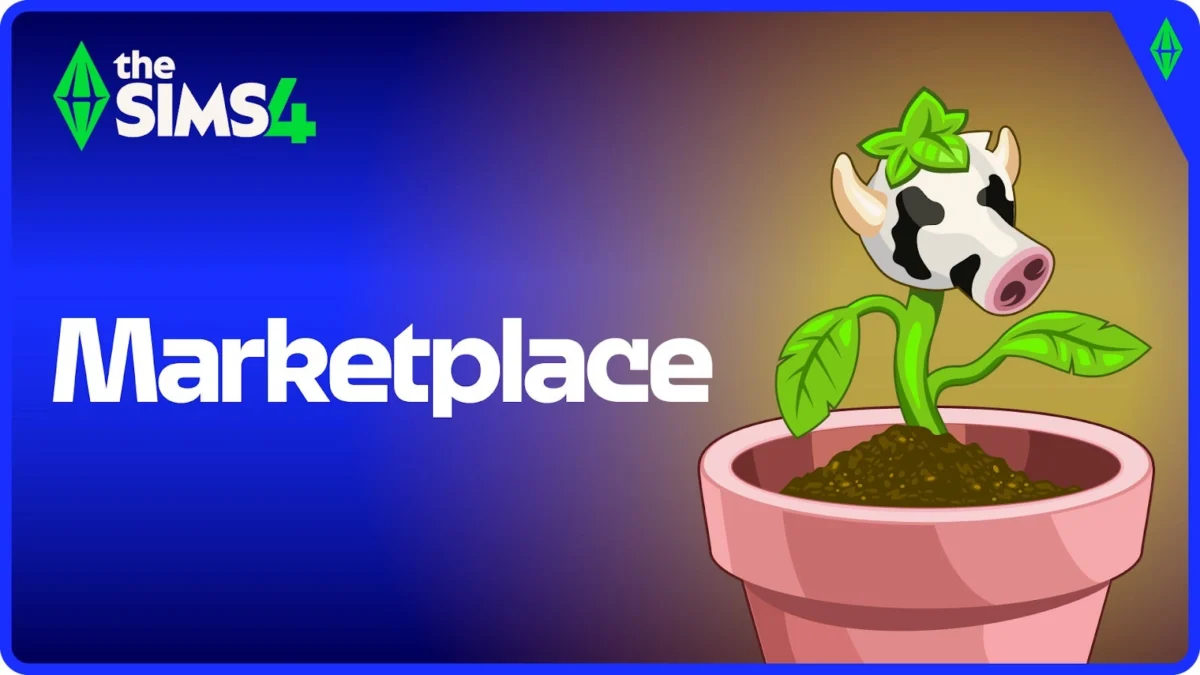
Redwood City, CA – March 5, 2024 – Electronic Arts (EA) and Maxis have announced a significant shift in the monetization and community engagement strategy for their immensely popular life simulation game, The Sims 4. The introduction of "The Sims Maker Program" and "The Sims 4 Marketplace" signals the game’s official entry into a paid mods ecosystem, a move that has historically sparked both excitement and apprehension within the gaming community. While Maxis frames this as an opportunity to empower creators and expand content offerings, the initiative is poised to redefine the relationship between players, modders, and the developers, potentially ushering in an era vastly different from the game’s decade-long history of predominantly free community-created content.
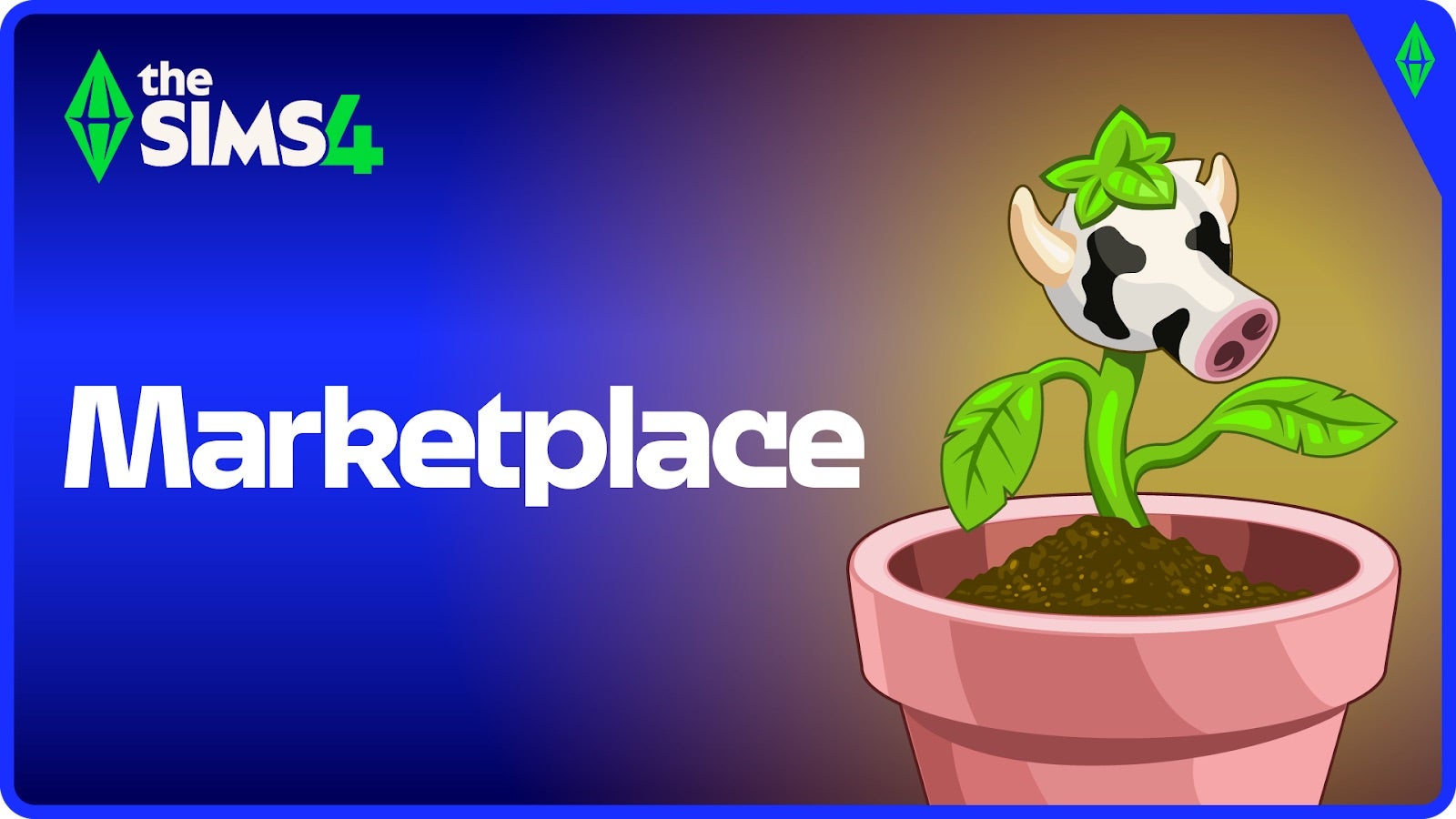
The core of this new initiative is the creation of a structured platform where community creators can develop, publish, and monetize their custom content. This content, referred to as "Maker Packs," will be made available for purchase through the new "The Sims 4 Marketplace." A new virtual currency, "Moola," will serve as the exclusive medium for these transactions, as well as for purchasing existing The Sims 4 Kits. This strategic overhaul aims to bring a new layer of official support and monetization to the vibrant, albeit unofficial, modding scene that has long been a cornerstone of The Sims 4‘s enduring appeal.
Main Facts: A New Economic Frontier for The Sims 4
On March 5, 2024, Maxis officially unveiled "The Sims Maker Program" and "The Sims 4 Marketplace," marking a pivotal moment for the venerable life simulation franchise. These two interconnected initiatives are designed to integrate community-created content directly into the game’s official ecosystem, complete with a monetization model.
The "Maker Program" provides a pathway for approved community creators to design and publish their unique add-on content. Once accepted into the program, these "Makers" gain access to proprietary tools and resources, including the "Maker Suite," which facilitates testing and ensures cross-platform compatibility for their creations. Their finished products, known as "Maker Packs," can encompass a wide array of content, from Create-a-Sim (CAS) items like clothing and hairstyles to Build/Buy objects such as furniture and architectural elements. Creators will retain control over the pricing and packaging of their content, offering flexibility in how they present their work to the player base.
These Maker Packs will then be hosted on "The Sims 4 Marketplace," a centralized digital storefront accessible directly within the game. This marketplace is envisioned as the primary hub for players to discover and acquire new custom content. Significantly, all content published through the Maker Program will be available across all platforms where The Sims 4 is played, including PC, Mac, PlayStation, and Xbox. This cross-platform availability is a notable departure from the traditional PC-centric nature of community mods.
A new virtual currency, "Moola," is being introduced as the exclusive tender for purchasing Maker Packs and The Sims 4 Kits within the Marketplace. Players will acquire Moola in various pre-determined denominations, a common practice in free-to-play and live-service games. Maxis has confirmed that creators participating in the Maker Program will receive approximately 30% of the revenue generated from the sales of their Maker Packs. This revenue share model is a key component of the program’s promise to empower creators financially.
It is crucial to note the distinction in how different types of content will be handled. While Maker Packs and Kits will necessitate Moola purchases through the Marketplace, larger official content releases such as Expansion Packs, Game Packs, and Stuff Packs will continue to be purchasable through existing PC/console storefronts using traditional currency. Kits, however, represent a unique case, as they will transition exclusively to the Moola-based Marketplace, no longer being available via conventional purchasing methods outside of this new system. This move effectively integrates a segment of Maxis’s own micro-DLC strategy into the broader paid mods framework.
Chronology: A Phased Rollout and Historical Context
The rollout of The Sims 4‘s new monetization initiatives is planned in distinct phases, beginning with the foundational steps for creators before extending to the player base.
The first crucial date in this timeline was March 5, 2024, when applications officially opened for individuals interested in joining "The Sims Maker Program." This initial phase allows Maxis to vet potential creators, ensuring they meet certain criteria and standards before being granted access to the program’s resources and the ability to publish content.
Following the creator onboarding process, the "Maker Program" and "The Sims 4 Marketplace" are slated to launch for PC and Mac players on March 17, 2024. This staggered release strategy is typical for large-scale game updates, allowing the developers to monitor performance, gather feedback, and address any unforeseen issues before a wider rollout.
Over the next couple of months subsequent to the PC/Mac launch, PlayStation and Xbox players can expect to receive access to the new Marketplace and Maker content. This mirrors how many other gaming franchises have gradually introduced similar community-driven or mod-support systems, often prioritizing the PC platform due to its inherent flexibility and the existing modding infrastructure.
This move by Maxis and EA is not without precedent in the broader gaming industry. The concept of "paid mods" has a contentious history, particularly within communities accustomed to free user-generated content. Perhaps the most notable prior attempt was Valve’s introduction of paid mods for Skyrim on Steam Workshop in 2015. This initiative faced immediate and overwhelming backlash from the community, primarily due to concerns over content ownership, quality control, revenue splits that heavily favored Valve, and the perceived monetization of content that was historically free. Valve quickly reversed course, withdrawing the feature just days after its launch. Other platforms, like Minecraft with its Bedrock Marketplace, have successfully implemented paid content stores for community creations, albeit often for content that wasn’t traditionally "modded" in the same open-source spirit as PC games like The Sims.
The timing of The Sims 4‘s entry into this space is significant. The game, released in 2014, has cultivated a massive and dedicated player base, largely sustained by a vibrant ecosystem of free custom content (CC) and gameplay mods. After a decade, the decision to introduce a formal, monetized system for user-generated content could be seen as an attempt to professionalize and expand this content stream, or as a direct response to the increasing demand for quality, curated content across all platforms. Maxis and EA appear to have learned from past industry missteps, particularly regarding revenue splits and creator control, aiming to foster a more sustainable and mutually beneficial relationship with their community.
Supporting Data: A Decade of Community, Content, and Monetization
The decision to introduce a paid mods system for The Sims 4 comes against the backdrop of the game’s remarkable longevity and its unique relationship with its player base and modding community. Launched in 2014, The Sims 4 has defied typical game lifecycles, remaining incredibly popular nearly ten years later. A significant factor in its sustained success has been its expansive and endlessly creative modding community.
The Sims 4’s Longevity and Community: The Sims 4 boasts millions of active players globally, many of whom have invested hundreds, if not thousands, of hours into building virtual lives and worlds. A substantial portion of this engagement is driven by the sheer volume and diversity of user-generated content. From intricate custom clothing and furniture (Custom Content or CC) to complex gameplay alterations and quality-of-life improvements (mods), the community has consistently pushed the boundaries of the game, filling gaps, adding desired features, and extending replayability far beyond what official expansions alone could provide. Websites like The Sims Resource, Mod The Sims, and Patreon have become central hubs for this thriving, largely free, content ecosystem.
The Free Modding Ecosystem: Historically, The Sims franchise, especially on PC, has thrived on a culture of free modding. Dedicated individuals and teams have spent countless hours creating high-quality content out of passion, often asking for optional donations or offering early access to patrons. This established culture means that players are accustomed to a vast, free library of custom content. The introduction of a paid marketplace inherently challenges this paradigm, raising questions about how the two systems will coexist and whether players will be willing to pay for content they previously accessed for free.
Monetization Strategy Evolution: Over its lifespan, The Sims 4 has employed a multi-tiered monetization strategy involving a base game (which eventually became free-to-play), large "Expansion Packs" (adding significant gameplay features and worlds), smaller "Game Packs" (focusing on specific themes or mechanics), "Stuff Packs" (offering themed collections of CAS and Build/Buy items), and more recently, "Kits." Kits are the smallest and cheapest form of official DLC, typically containing a handful of themed items or a very focused gameplay interaction. Their integration into the new Moola-based Marketplace is a strategic move, aligning them with community-created "Maker Packs" and consolidating micro-transactions into a single, new economic system. This highlights EA’s continued exploration of granular monetization within the game.
Virtual Currency Model (Moola): The adoption of "Moola" as an in-game virtual currency follows a well-established pattern in the gaming industry. Moola will be sold in "the usual denominations" – meaning players will likely purchase bundles of Moola that may not perfectly align with the exact cost of a desired item, often leaving small amounts of leftover currency. This strategy, common in many free-to-play titles, subtly encourages further purchases to utilize remaining balances or to reach the next tier of desired content. While convenient for internal accounting and cross-platform consistency, it removes direct real-world pricing transparency for individual items, which can sometimes lead to consumer frustration.
Creator Compensation (30%): The announced 30% revenue share for creators is a critical data point. In comparison to other digital marketplaces:
- App Stores (Apple App Store, Google Play Store): Typically take a 15-30% cut, with smaller developers sometimes getting the lower percentage.
- PC Game Stores (Steam, Epic Games Store): Steam generally takes 30% for most games, though this can decrease for high-earning titles. Epic Games Store is known for its more favorable 12% cut.
- Other Modding Platforms (e.g., Nexus Mods Patreon integrations): These often rely on direct creator-to-player donations or subscription models, with platforms taking a smaller cut for processing fees.
A 30% share places Maxis/EA firmly within the industry standard for major platform holders. While not as generous as some creator-centric platforms, it provides a structured monetization path that many modders currently lack, especially for console players. This 30% cut will need to cover not only Maxis/EA’s platform development and maintenance costs but also moderation, legal, and payment processing fees. The remaining 70% is intended to incentivize high-quality content creation and provide a sustainable income stream for Makers.
Platform Consistency and Maker Suite: A key selling point is the cross-platform availability of Maker Packs. This is a significant undertaking, as console environments typically have much stricter content guidelines and technical requirements than PC. The "Maker Suite" is designed to address this, providing creators with tools to test their content for compatibility across PC, Mac, PlayStation, and Xbox. This commitment to a unified experience suggests a robust backend infrastructure and a serious investment in making this program successful across all player demographics.
Official Responses: Empowering Creators and Ensuring Quality
Maxis and EA have positioned "The Sims Maker Program" and "The Sims 4 Marketplace" as a direct response to community demand and a natural evolution of the game’s ecosystem. Their official communications emphasize several key objectives:

Empowering Creators: The primary stated goal is to empower the talented Sims community creators by providing an official avenue for monetization. In their blog post announcing the features, Maxis stated, "The Maker Program is a way for community creators to get their work out there, and profit from it." This acknowledges the significant unpaid labor that has fueled the game’s custom content scene for years. By offering a revenue share and official tools, Maxis aims to professionalize modding, potentially allowing some creators to dedicate more time and resources to their craft.
Expanding Content and Accessibility: Maxis highlights that the Marketplace will serve as a new destination to "publish, and discover new add-on content." The cross-platform nature of Maker Packs is a crucial element here. Console players, who have historically been excluded from the vast majority of community-created content due to platform restrictions, will now have access to a curated selection of mods. This significantly broadens the audience for creators and diversifies the content available to a wider segment of the player base.
Ensuring Quality and Safety: A recurring theme in official communications is the focus on quality control and player safety. The application process for the Maker Program acts as a gatekeeper, presumably ensuring that accepted creators meet certain standards. Furthermore, the "Maker Suite" provides tools for creators to "test your work to ensure it runs smoothly on the different platforms, and eventually publish it." This implies a level of vetting and technical assurance that is often lacking in the unregulated world of free mods, where players frequently encounter broken content, conflicts, or even malicious files. Maxis is likely aiming to provide a safer, more reliable source of custom content, free from potential viruses or game-breaking bugs often associated with unofficial downloads.
Creator Control: Maxis has also affirmed that creators "will have control over the price of their content, and how it’s packaged." This degree of autonomy is important for creators, allowing them to value their work appropriately and decide how to bundle their creations into "Maker Packs." While subject to platform guidelines, this control gives creators agency over their commercial offerings.
While not explicitly stated as "addressing concerns," the framework implicitly tackles some historical issues associated with paid mods:
- Revenue Share: The 30% cut, while standard, is a clear improvement over the much-criticized 25% offered by Valve for Skyrim paid mods, which led to significant community backlash.
- Quality Control: The application process and Maker Suite suggest a proactive approach to ensuring content quality and compatibility, aiming to avoid the "broken mod" issues that plagued previous attempts.
- IP Concerns: By bringing content creation under an official program, Maxis can establish clear guidelines regarding intellectual property, reducing the risk of creators monetizing stolen or unauthorized assets.
However, Maxis has yet to directly address the potential impact on the existing free modding community or explicitly outline how they will differentiate between official Maker Packs and the plethora of free content that will inevitably continue to exist outside the Marketplace. This remains a significant point of speculation and potential contention among players.
Implications: Reshaping The Sims 4 Landscape
The introduction of The Sims Maker Program and Marketplace carries profound implications for all stakeholders in The Sims 4 ecosystem: players, creators, and the game itself.
For Players:
- Pros:
- Curated, Quality Content: The official program promises a higher standard of quality and compatibility, especially for console players who previously had little to no access to mods. Content will be tested and should run smoothly.
- Direct Creator Support: Players now have a direct, official way to financially support their favorite creators, potentially incentivizing more high-quality content.
- Cross-Platform Availability: Console players finally gain access to a selection of custom content, bridging a long-standing gap between PC and console experiences.
- Simplified Installation: Content from the Marketplace will likely integrate seamlessly into the game, removing the manual installation hurdles associated with external mods.
- Cons:
- Introduction of Paid Content: Many players are accustomed to a vast, free modding ecosystem. The shift to paid content, even if optional, may be met with resistance and a sense of "nickel-and-diming."
- Reliance on Moola: The virtual currency model can lead to friction, as players may be forced to buy more Moola than they need for a specific item, potentially encouraging more spending.
- Potential Fragmentation: The modding community could become fragmented between official paid Makers and independent free modders, potentially creating a divide.
- Pricing Concerns: The pricing of Maker Packs and the value proposition will be under intense scrutiny, especially compared to the depth of content offered by larger official DLC.
- Impact on Accessibility: Players who cannot or choose not to spend money on Moola may feel left out of a significant portion of new content.
For Creators:
- Pros:
- Monetization Opportunity: The most significant benefit is the ability to earn revenue from their passion, potentially turning a hobby into a sustainable income stream.
- Official Recognition and Support: Being part of an official program offers legitimacy, technical support (Maker Suite), and potentially promotional opportunities from Maxis.
- Wider Audience Reach: Content will be available to a much larger player base, including console players, significantly increasing potential sales and visibility.
- Structured Environment: The program provides a clear framework for content creation, testing, and publishing, reducing the individual burden of managing platforms and payments.
- Cons:
- Revenue Share (30%): While standard, some creators might find a 30% cut steep, especially if they are accustomed to platforms with lower fees or direct donation models.
- Application and Gatekeeping: The requirement to apply and be accepted introduces a barrier to entry, potentially excluding some talented creators or those who prefer to remain outside official structures.
- Platform Guidelines and Restrictions: Creators will be bound by Maxis/EA’s terms of service, content guidelines, and technical specifications, which may limit creative freedom compared to the unregulated free modding scene.
- Competition: The Marketplace will foster competition among creators, and new Makers will need to stand out in a potentially crowded field.
- Ongoing Support: Creators will likely be responsible for maintaining their Maker Packs, ensuring compatibility with game updates, and providing player support.
For The Sims 4 Ecosystem and Maxis/EA:
- Shift in Modding Landscape: This initiative could fundamentally alter the nature of The Sims 4‘s modding community. It may professionalize modding, encouraging higher quality and more consistent updates from participating Makers. However, it also risks alienating a segment of the free modding community and its users.
- Quality vs. Quantity: While the program aims for quality, the sheer volume of free mods available might still overshadow the potentially smaller, albeit higher-quality, paid selection. Maxis will need to carefully manage expectations.
- Future of Free Mods: The critical question remains: how will Maxis/EA treat external, unofficial free modding sites? Will they continue to coexist, or will there be pressure to migrate all content to the official Marketplace? Any aggressive stance against free mods could severely backfire, given the community’s history.
- Game Longevity: If successful, the Maker Program could extend The Sims 4‘s lifespan even further by continually injecting fresh, community-driven content that is officially supported. If poorly received, it could alienate parts of the dedicated player base.
- Precedent for Future Titles: The success or failure of this initiative will undoubtedly inform EA’s strategies for The Sims 5 (or whatever the next generation of The Sims is called) and potentially other live-service titles. It represents a significant test case for official paid user-generated content within a long-running, community-driven franchise.
The launch of The Sims Maker Program and Marketplace represents a bold and potentially transformative step for The Sims 4. While offering exciting opportunities for creators and new content avenues for players, particularly on consoles, it also navigates the historically fraught waters of paid user-generated content. Maxis and EA will need to demonstrate transparent communication, fair practices, and a deep understanding of their community’s values to ensure this new era is met with enthusiasm rather than the backlash seen in past industry attempts. The coming months will reveal whether this initiative truly empowers the community or merely introduces a new layer of monetization to a beloved game.


 Lina Irawan
 Sagoh
Sagoh