Iffa Jayyana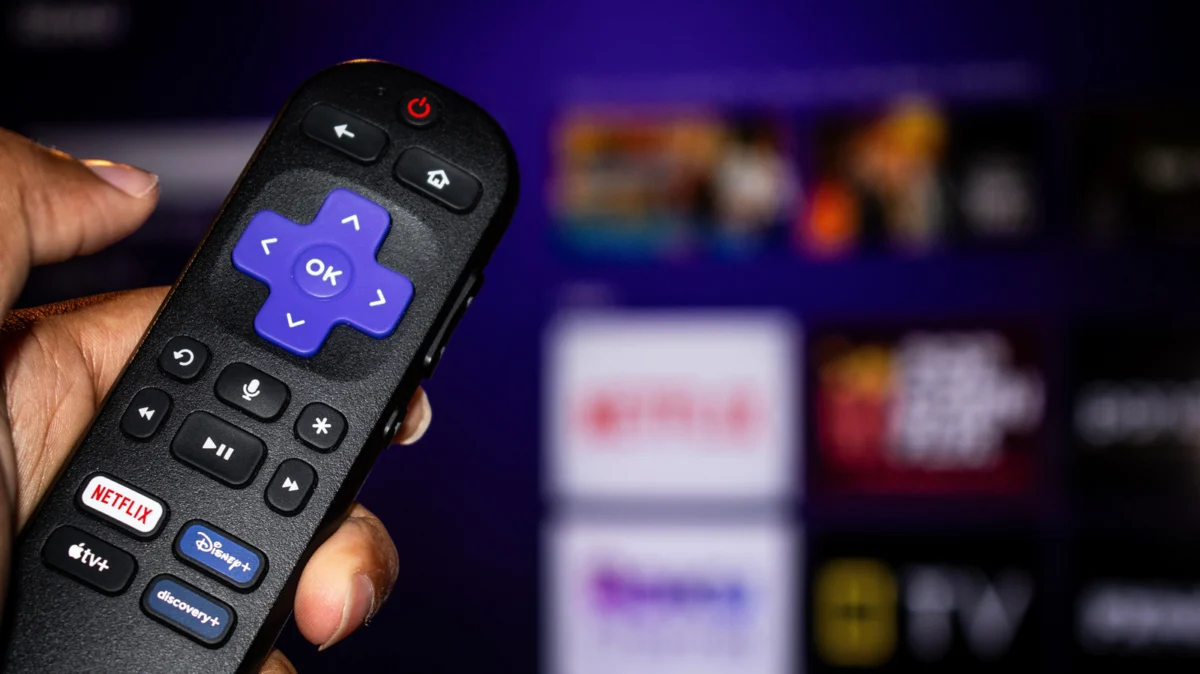
As we move further into 2026, the living room remains the ultimate battleground for media conglomerates and tech giants. For years, the Roku streaming stick has stood as the quintessential "equalizer"—a simple, affordable device that could turn even the most antiquated "dumb" television into a modern hub for digital entertainment. However, with the streaming market reaching a point of saturation and major corporate tectonic plates shifting, consumers are rightfully asking: Is Roku still the gold standard, or has the platform lost its luster?
The Current State of the Roku Ecosystem
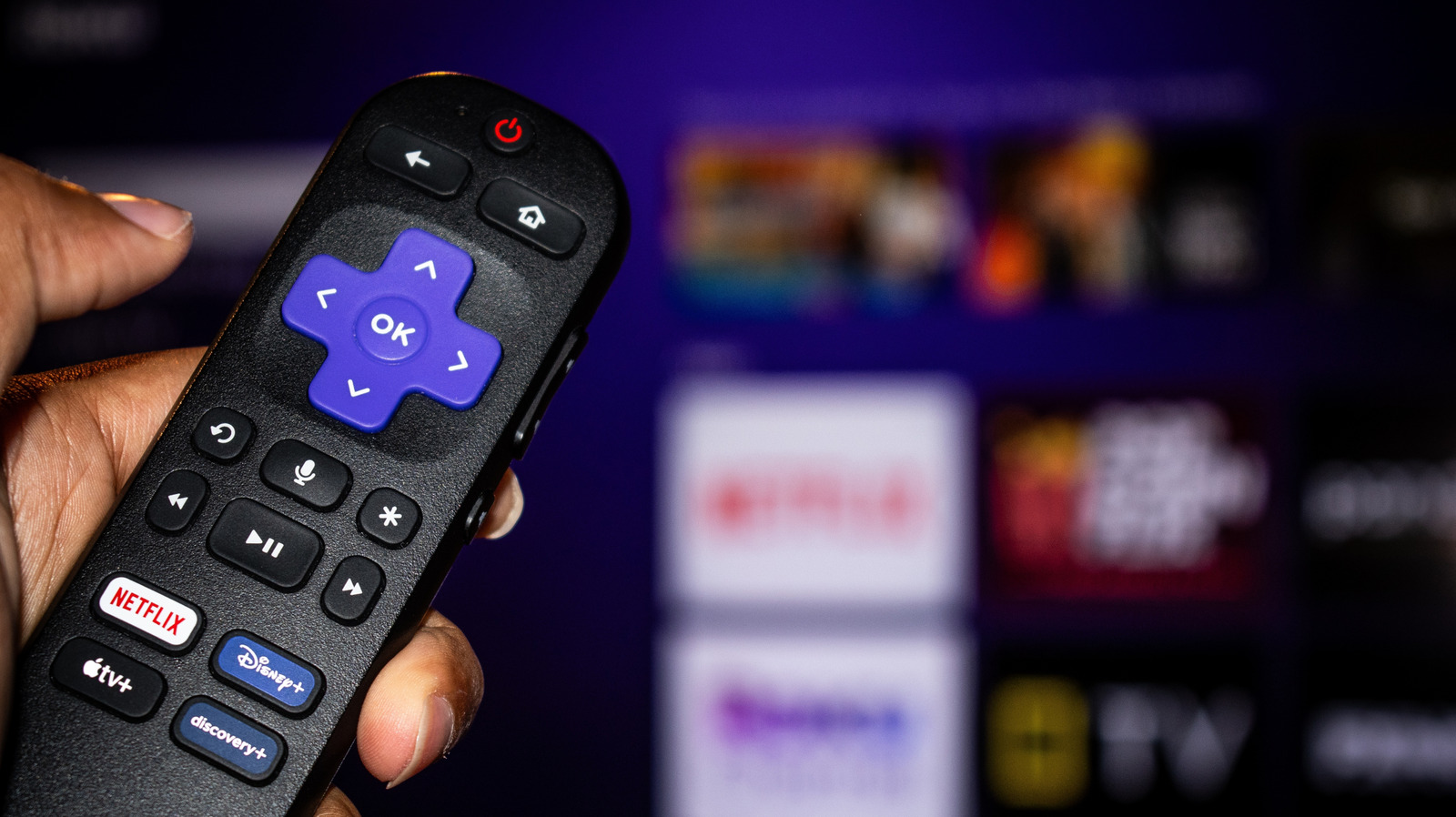
For the uninitiated, the appeal of Roku has always been rooted in its simplicity. With entry-level devices starting at just $29.99, it remains one of the most accessible gateways to the world of streaming. Unlike proprietary smart TV interfaces that can be clunky, slow, or prone to abandonment by manufacturers after a few years, a Roku device provides a consistent, agnostic experience.
In 2026, the platform continues to boast an impressive library of thousands of applications, covering everything from niche independent news outlets to the heavy hitters of the sports and entertainment world. Features such as voice-activated search, robust casting capabilities, and highly customizable home screens have kept it competitive. Independent reviewers consistently rank Roku among the top streaming hardware options, citing its intuitive user interface (UI) as its primary competitive advantage.
The "Ad-ification" of the Interface
However, the user experience is not without its detractors. Recent updates have signaled a strategic pivot for the company—one that prioritizes personalized advertising and aggressive content recommendations. While Roku maintains that these algorithmic adjustments help users find shows they love faster, many long-time enthusiasts argue that the home screen is becoming cluttered. The shift toward a more "ad-supported" UI has led to complaints about screen real estate being sacrificed for sponsored content, occasionally impacting the fluidity of navigation.
Furthermore, reports of hardware longevity issues and frustrations with customer support have begun to circulate on consumer forums. For a platform that once prided itself on "just working," these friction points are significant.
The Next Era: The Fox Acquisition
The most critical factor in the "buy or wait" calculation is the massive shift in corporate ownership. In June 2026, the media landscape was rocked by the announcement that Fox had entered an agreement to acquire Roku in a deal valued at approximately $22 billion. This merger represents a fundamental transformation for the platform, signaling a move away from being a neutral hardware provider toward becoming a vertically integrated media powerhouse.
Chronology of the Deal
- June 2026: Fox officially announces its intent to acquire Roku for $22 billion, citing a desire to merge its vast library of live sports, news, and entertainment with Roku’s massive distribution network.
- Q3 2026: Regulatory scrutiny begins as federal authorities review the implications of a content creator owning the primary hardware distribution platform.
- 2027 (Projected): The deal is expected to finalize, at which point the integration of Fox’s assets into the Roku operating system will accelerate.
Supporting Data and Market Impact
The marriage of Fox and Roku is not merely a corporate transaction; it is a play for data dominance. Roku currently provides access to over 100 million global streaming households. By integrating this with Fox’s broadcast reach, the new entity aims to create a closed-loop system where advertising, content production, and delivery are managed by a single corporate entity.
From a data perspective, the acquisition allows Fox to leverage Roku’s viewer analytics to better target ads across its own content. For the consumer, this means the recommendations you see on your Roku home screen may soon become heavily skewed toward Fox-produced properties. While Roku has publicly stated that it will remain an open platform, industry analysts are skeptical. History has shown that when content owners purchase distribution hardware, the "neutrality" of the interface often diminishes in favor of promoting in-house programming.
Official Responses and Corporate Strategy
Both Fox and Roku have issued statements attempting to assuage fears that the platform will become a "walled garden." Representatives from both companies have emphasized that the Roku platform will continue to support third-party apps, such as Netflix, Disney+, and YouTube, without discrimination.
"Our goal is to enhance the viewer experience," a spokesperson noted during the initial announcement. "By combining our content capabilities with Roku’s intuitive technology, we are creating a seamless media experience that benefits both the advertiser and the end user."
However, the "wait and see" approach is the prevailing sentiment among analysts. The company faces the delicate task of integrating a massive content library without alienating the user base that made the hardware successful in the first place. If the platform becomes too aggressive with its promotion of Fox content, it risks driving power users toward competitors like Apple TV or Nvidia Shield.
Implications for the Consumer
So, is a Roku still worth buying in 2026? The answer depends on your priorities as a viewer.
Why You Should Still Buy
If you are looking for an inexpensive way to bring a secondary television into the streaming age, Roku remains a formidable choice. Its ease of use is still industry-leading, and the sheer volume of content available is unmatched at the $30 price point. If you primarily use your TV for mainstream apps and aren’t bothered by an interface that features more advertisements than in previous years, the value proposition remains strong.
Why You Should Proceed with Caution
If you are a privacy-conscious user or someone who prefers a clean, ad-free interface, the upcoming merger suggests that the environment may become increasingly commercialized. The prospect of "Fox-heavy" recommendations on the home screen may be a dealbreaker for some. Furthermore, if you are looking for a device that will last five to seven years without performance degradation, you may want to monitor how the hardware support evolves post-merger.
Looking Ahead: The 2027 Horizon
As we look toward 2027, the success of the Roku platform will be determined by how it balances its newfound role as a content giant with its historical reputation as a neutral hardware provider. If the interface remains navigable and the hardware remains snappy, the acquisition may go down as a masterstroke in media consolidation. If the user experience suffers under the weight of excessive advertising and preferential treatment for Fox content, the brand could see a slow exodus of its core user base.
For now, the Roku device remains a functional, affordable, and powerful tool. It is not necessarily "broken," but it is changing. Potential buyers should view the device not just as a piece of hardware, but as a gateway into a rapidly consolidating media ecosystem—one where the content you watch is increasingly intertwined with the platform that delivers it. Before making the investment, consider whether you are comfortable with the trade-offs that come with the next era of streaming.

 Sagoh
Sagoh
 Raul Delapena Setiawan