Asro
Asro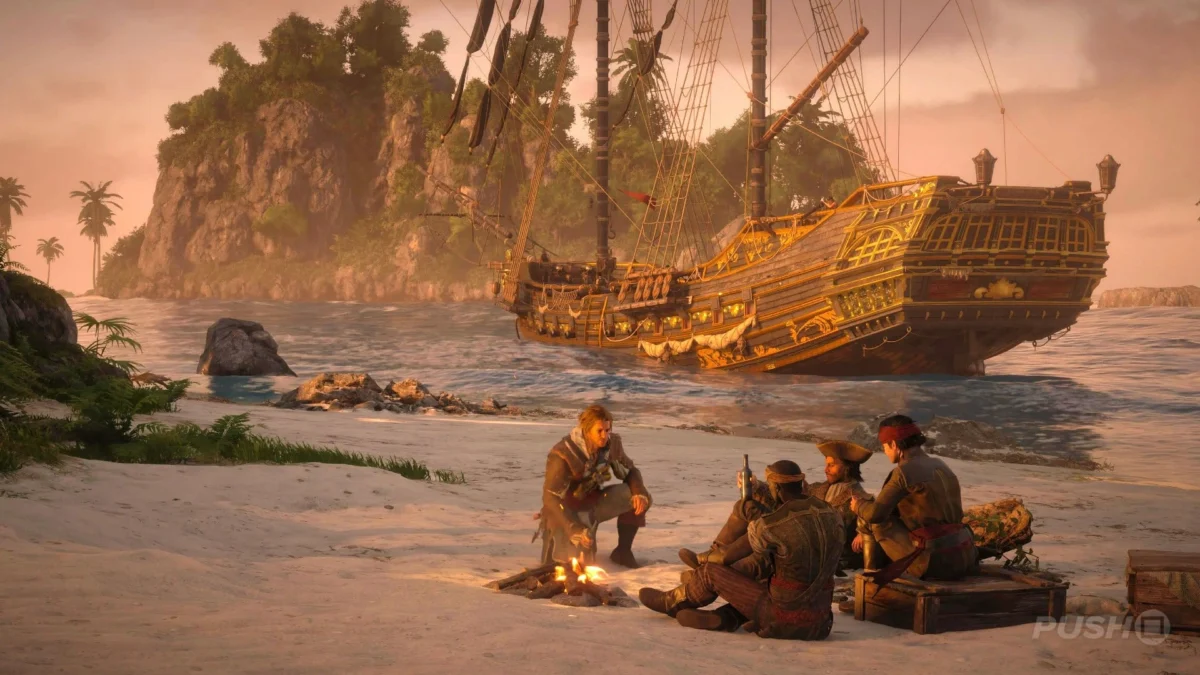
Ubisoft’s ambitious reimagining of the beloved pirate adventure has shattered expectations, proving the enduring appeal of Edward Kenway’s saga and setting a new benchmark for the franchise’s remakes.
London, UK – [Insert Date] – In a stunning display of commercial success, Ubisoft’s Assassin’s Creed: Black Flag Resynced has achieved a remarkable sales milestone, exceeding two million copies sold within its first 24 hours of release. This triumphant launch not only underscores the enduring popularity of the original Assassin’s Creed IV: Black Flag but also signifies a powerful resurgence for the franchise’s approach to modernizing its classic titles. The game’s performance has significantly outperformed the opening day player count of the recent Assassin’s Creed Shadows, which recorded one million "players" in its initial 24-hour period, highlighting the immense demand for Black Flag Resynced.
To commemorate this extraordinary achievement and express gratitude to its dedicated player base, Ubisoft is offering a special in-game reward. Players can now redeem a special code on the Ubisoft website to receive a set of exclusive Crimson Storm sails, along with 1,500 Animus Keys, which can be used to purchase coveted items from the Animus Hub. This gesture underscores Ubisoft’s commitment to fostering a strong relationship with its community and acknowledging their integral role in the game’s success.
A Swashbuckling Success: Unpacking the Phenomenal Launch
The swift and substantial sales figures for Assassin’s Creed: Black Flag Resynced are a testament to several converging factors. The original Black Flag, released in 2013, is widely regarded as one of the most engaging and innovative entries in the Assassin’s Creed canon, praised for its open-world pirate simulation, compelling narrative, and the charismatic protagonist, Edward Kenway. Black Flag Resynced promises to recapture that magic with modernized visuals, enhanced gameplay mechanics, and potentially new content, all while preserving the core elements that made the original a fan favorite.
The timing of the release also appears to have been strategically advantageous. With a clear demand for high-quality remakes of beloved games across the industry, Black Flag Resynced arrived at a moment when players are actively seeking polished, nostalgic experiences with contemporary technological advancements. The success suggests that Ubisoft has accurately tapped into this market sentiment, delivering a product that resonates deeply with both long-time fans and potentially new players drawn to the allure of pirate adventures and historical intrigue.
The Resynced Saga: A Chronology of Development and Anticipation
The journey of Assassin’s Creed: Black Flag Resynced from concept to a record-breaking launch has been one marked by growing anticipation and strategic development. While the original Black Flag was released a decade ago, whispers and rumors of a potential remake began to surface much later, igniting the imagination of the Assassin’s Creed community. These early indications, often fueled by industry insider reports and fan speculation, created a fertile ground for demand to grow.

Ubisoft eventually confirmed their intentions to revisit classic Assassin’s Creed titles, with Black Flag Resynced being a primary focus. The development process, while not publicly detailed extensively, was understood to involve significant overhauls to bring the game up to modern graphical and technical standards. The promise of experiencing Edward Kenway’s piratical exploits with the visual fidelity and gameplay enhancements of current-generation consoles, particularly the PlayStation 5, generated considerable excitement.
The marketing campaign leading up to the release likely played a crucial role in building momentum. Trailers showcasing the modernized Caribbean, the reimagined naval combat, and the enhanced character models would have served to reacquaint players with the game’s iconic setting and characters while also highlighting the significant improvements. The comparison to Assassin’s Creed Shadows‘ opening player numbers further emphasizes the distinct appeal and perhaps the broader market reach of a remake of a universally acclaimed title like Black Flag.
Supporting Data: Sales Figures and Critical Acclaim
The raw sales figures – over two million copies in the first 24 hours – represent a powerful quantitative endorsement of Black Flag Resynced‘s appeal. This number directly translates to a substantial revenue stream for Ubisoft and solidifies the game’s position as a commercial powerhouse within the franchise. To put this into further perspective, the one million "players" recorded for Assassin’s Creed Shadows on its opening day, while impressive in its own right, highlights the significant lead Black Flag Resynced has established in terms of pure commercial traction. It’s important to note the distinction: "players" can encompass a broader range of engagement than direct sales, but the magnitude of Black Flag Resynced‘s sales suggests a deeply invested audience from the outset.
Beyond the sales figures, critical reception has also been largely positive, providing crucial qualitative data that supports the commercial success. In a review for Push Square, Liam Croft awarded Assassin’s Creed: Black Flag Resynced a commendable 8/10, praising it as "better, bigger, and markedly flashier in all the right ways." Croft’s assessment, highlighting that the remake "demonstrates there’s still a charm to staying faithful," suggests that Ubisoft has successfully balanced modernization with a respectful adherence to the original’s beloved formula. Such positive critical feedback often acts as a powerful endorsement, reinforcing player confidence and encouraging further purchases.
Official Responses: A Word from the Brand Leadership
Martin Schelling, Head of the Assassin’s Creed brand, expressed his delight and gratitude in response to the game’s overwhelming success. His statement eloquently captures the sentiment of both the development team and the dedicated fanbase: "Black Flag has always held a special place in the heart of the community, and ours. Bringing it back with Resynced was a promise to that passion for Edward’s adventures, and to the unique sense of freedom players experienced back then. Seeing so many players set sail on day one, along with the great reviews from critics, is the greatest reward we could have hoped for."
Schelling’s words underscore the deep emotional connection players have with Black Flag and its protagonist, Edward Kenway. The "promise" he mentions refers to Ubisoft’s commitment to honoring that legacy through the "Resynced" version. The emphasis on the "unique sense of freedom" hints at the core gameplay loop that captivated players in the original – the exploration of vast open seas, the thrill of naval combat, and the liberating feeling of being a pirate captain. The acknowledgment of both player engagement and critical acclaim signifies a holistic success that Ubisoft is understandably proud of.

Implications for the Future: Remakes, Acquisitions, and Studio Challenges
The resounding success of Assassin’s Creed: Black Flag Resynced carries significant implications for the future direction of the Assassin’s Creed franchise and Ubisoft’s broader strategy. As previously reported, it was understood that the performance of Black Flag Resynced would be a key determinant in greenlighting further Assassin’s Creed remakes. Given the monumental sales figures, it appears highly probable that this success will pave the way for more beloved titles from the series to receive the modern treatment. This opens up exciting possibilities for fans eager to revisit other classics like Assassin’s Creed II, Brotherhood, or Revelations with contemporary graphical and gameplay enhancements.
However, the narrative surrounding Black Flag Resynced‘s launch is not entirely without its shadows. Despite the game’s commercial triumph and the positive reception from critics and players, it has been reported that one of the studios involved in its development, Ubisoft Barcelona, faced significant layoffs. The loss of 51 employees in a round of layoffs, occurring concurrently with the successful launch of a project they contributed to, presents a stark juxtaposition. This situation highlights the complex and often challenging realities of the gaming industry, where business decisions and market forces can sometimes lead to difficult outcomes for development teams, even amidst the celebration of a successful product.
The success of Black Flag Resynced also comes at a time when the broader gaming landscape is undergoing significant shifts, including consolidation through acquisitions. While not directly linked to this specific launch, the robust performance of established IPs like Assassin’s Creed further solidifies their value and importance to major publishers like Ubisoft. This success reaffirms the enduring appeal of well-crafted historical action-adventure games and suggests that investing in the modernization of these beloved franchises remains a strategically sound decision, provided it is executed with the care and quality that Black Flag Resynced has evidently demonstrated.
In conclusion, Assassin’s Creed: Black Flag Resynced‘s unprecedented launch is a landmark achievement for Ubisoft and the Assassin’s Creed franchise. It not only celebrates the enduring legacy of a beloved game but also signals a bright future for remakes within the series, promising more opportunities for players to relive cherished gaming moments with a fresh, modern perspective. The special redemption code offers a tangible token of appreciation, ensuring that players feel valued as they embark on or continue their adventures in the resynced world of Black Flag.


 Lina Irawan
 Sagoh
Sagoh