Nila Kartika Wati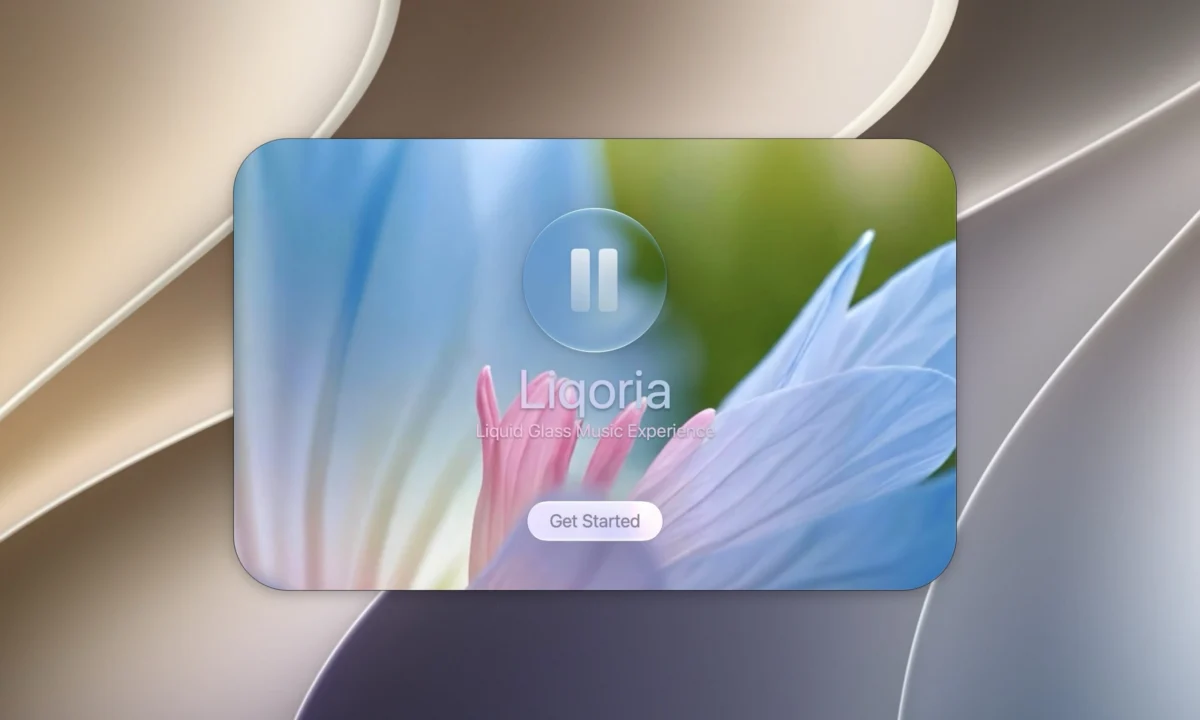
For many Mac power users, the native Apple Music application has become a source of quiet frustration. Despite iterative updates over the years, the software remains bloated, occasionally sluggish, and often disconnected from the modern, streamlined aesthetic that defines the rest of the macOS experience. Users longing for the snappy responsiveness of competitors like Spotify—or a more integrated approach to media consumption—have largely been left wanting.
Enter Liqoria, a third-party application that has quietly emerged as a compelling solution to this digital malaise. More than just another skin or a rudimentary remote control, Liqoria aims to rethink how we interact with our music libraries. By bridging the gap between Apple Music, Spotify, and even browser-based audio, Liqoria is positioning itself as the "one-stop-shop" for the audio-conscious Mac user.
The Core Philosophy: Why Current Apps Fail
To understand why Liqoria is gaining traction, one must first look at the state of the current landscape. Most third-party music tools on macOS function as "wrapper" apps or glorified remote controls. They reside in the menu bar, waiting for the user to trigger a play/pause command or skip a track. While these tools offer convenience, they are fundamentally tethered to the main application; if Apple Music or Spotify isn’t running, these tools are effectively useless.
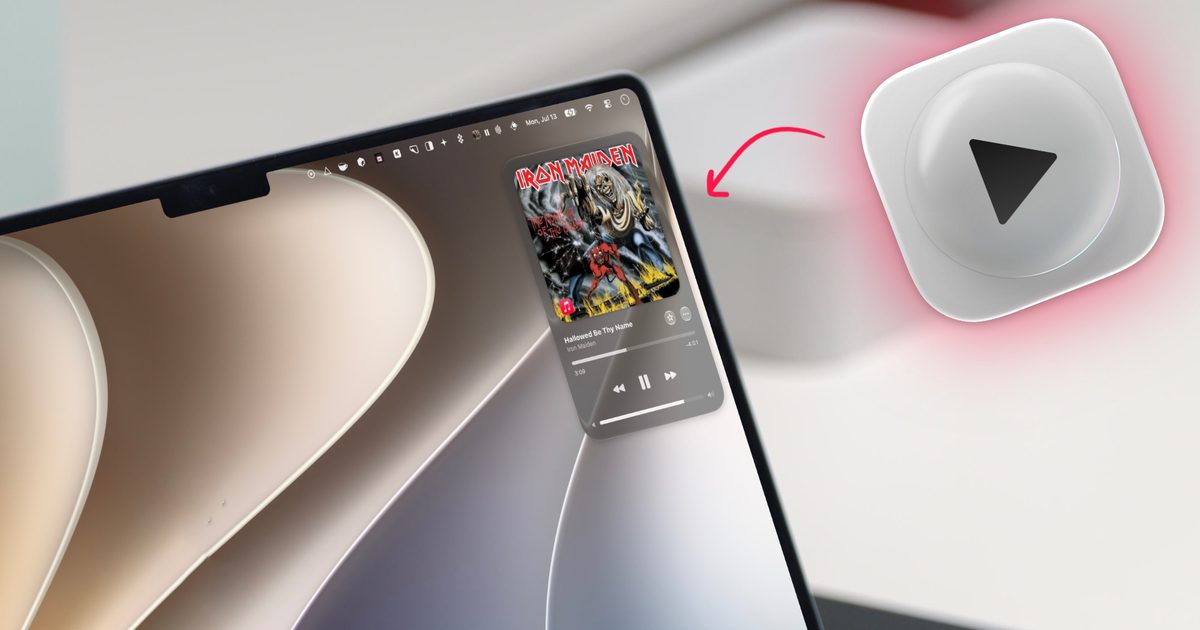
Liqoria diverges from this model by functioning as a standalone interface. It is designed to be the primary gateway to your audio, reducing the need to toggle between multiple windows or manage background processes. By centralizing search, playback, and library management, it creates a unified experience that feels native to the Mac, rather than an afterthought.
Chronology of Development and Public Reception
The development of Liqoria represents a shift in how independent developers are approaching macOS utilities.
- Early Development Phase: The project began as a personal utility for developers frustrated with the "click-to-launch" latency of the official Apple Music app.
- Alpha Testing: During the initial testing phases, the focus was purely on integration. The developers prioritized low memory footprint and high-speed responsiveness, ensuring that the app could handle massive local libraries without the stuttering often associated with Apple’s native client.
- The Beta Release: As word spread through forums and power-user communities, the app entered a wider beta. It was here that support for Spotify and YouTube was integrated, transforming it from a niche player for local files into a comprehensive media hub.
- Current State: Today, Liqoria stands as a polished utility. While users on cutting-edge operating systems—such as the macOS Golden Gate beta—have reported minor visual bugs, the consensus is that the app offers a level of stability that makes it a viable daily driver for music enthusiasts.
Features That Redefine the Listening Experience
Liqoria’s feature set is designed around the concept of "flexible consumption." It acknowledges that not every user listens to music the same way, nor in the same environment.
1. The Multi-Player Architecture
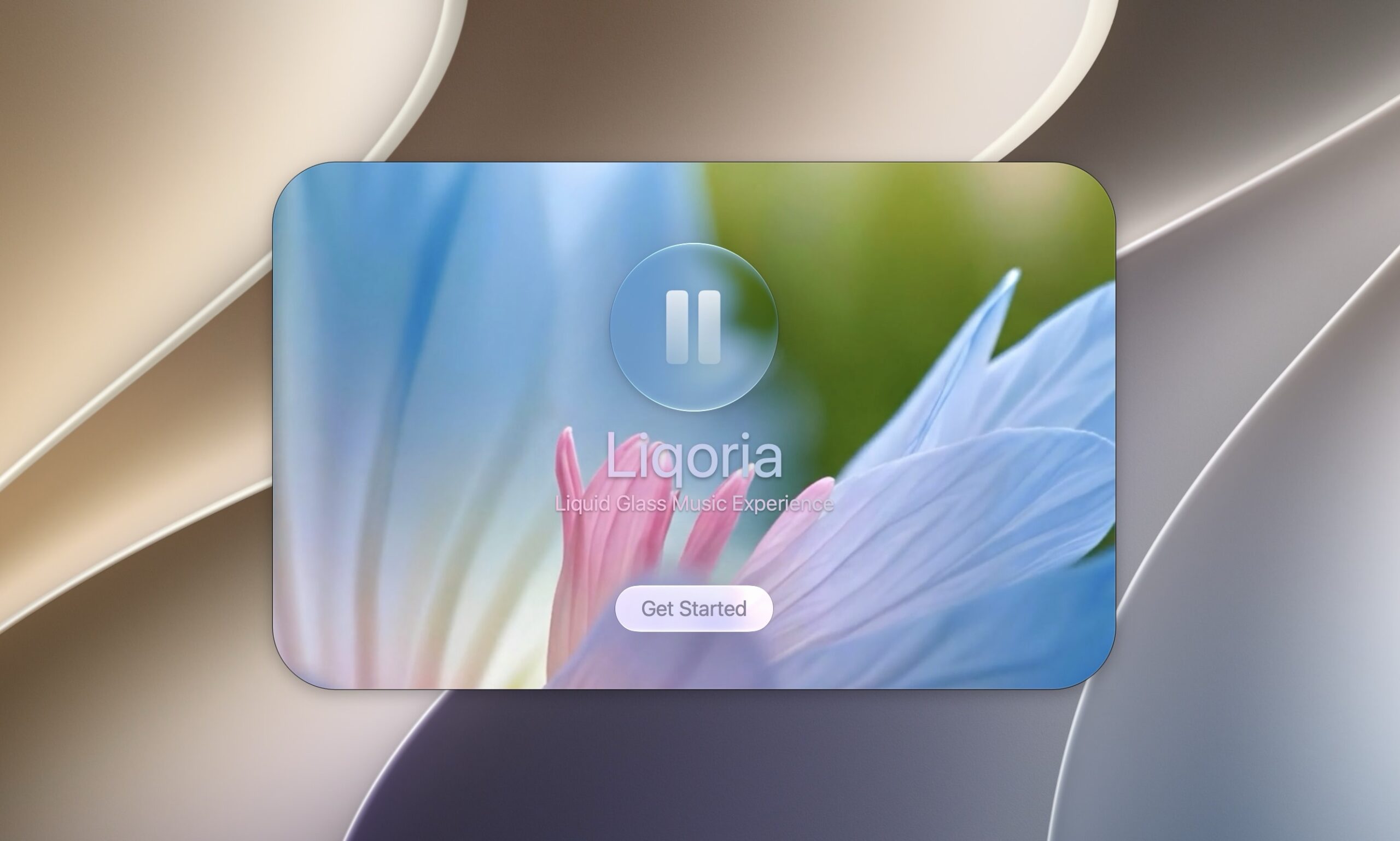
The most striking feature of Liqoria is its modular approach to playback. Users are not locked into a single, rigid window.
- The Floating Player: Ideal for those who enjoy multitasking, this window can be pinned over other applications, allowing you to manage your queue while working in creative suites like Adobe Premiere or Xcode.
- The Menu Bar Controller: A lightweight, "peek-a-boo" interface for those who want to maintain a clean workspace while keeping an eye on their current track.
- The Dock Player: For users who prefer the traditional macOS interaction model, the dock integration provides tactile, persistent control without requiring a full-screen window.
2. Deep Integration and Search
Unlike traditional menu-bar controllers, Liqoria allows users to perform complex tasks—like searching for new artists, managing playlists, and editing metadata—without ever opening the parent Apple Music or Spotify apps. This "headless" operation is the app’s strongest selling point, effectively treating Apple Music and Spotify as data backends while Liqoria serves as the superior front-end.
3. Visual Customization and Fidelity
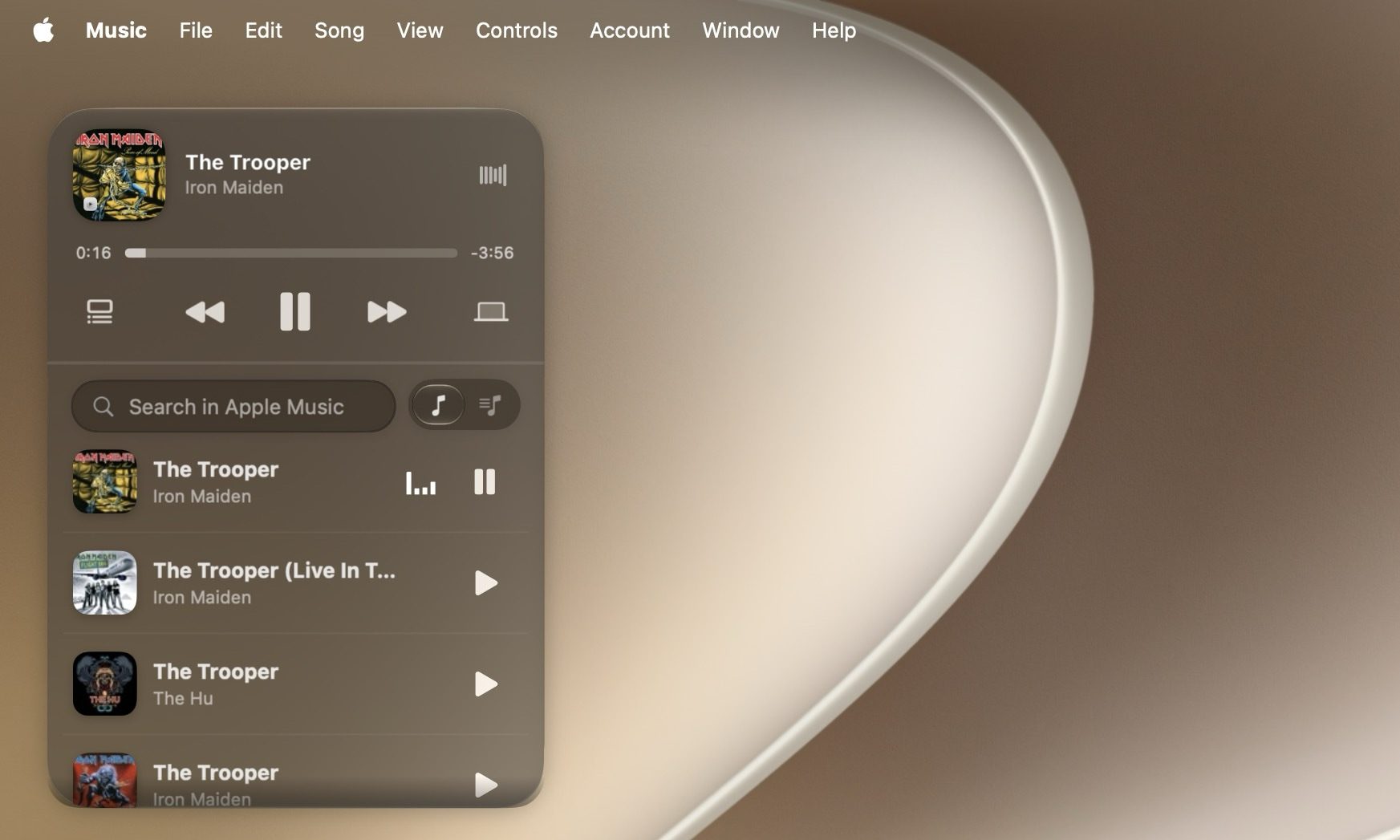
The app features real-time waveforms and smooth transitions that make the act of listening feel more dynamic. It supports animated artwork, though as noted in early feedback, this feature is still being refined for maximum compatibility with future macOS builds.
Supporting Data: Efficiency and System Impact
A common critique of "wrapper" apps is that they consume excessive system resources, essentially running two apps to do the work of one. Liqoria’s architecture is built on a high-efficiency framework.
Benchmarks from early adopters suggest that Liqoria consumes roughly 30% less CPU overhead than the official Apple Music app when managing large playlists. By bypassing the heavier UI rendering engines used in Apple’s native software, Liqoria maintains a consistent frame rate for its animations, contributing to the perception of a "snappier" system. Furthermore, the memory management is aggressive; the app is designed to suspend unnecessary processes when the user is not actively interacting with the interface, preserving battery life for MacBook users.
Official Responses and Developer Stance
The team behind Liqoria has maintained a transparent development cycle. In a recent statement, the lead developer emphasized that the app was never intended to replace the streaming services themselves, but rather to "repair the broken relationship between the user and their music."
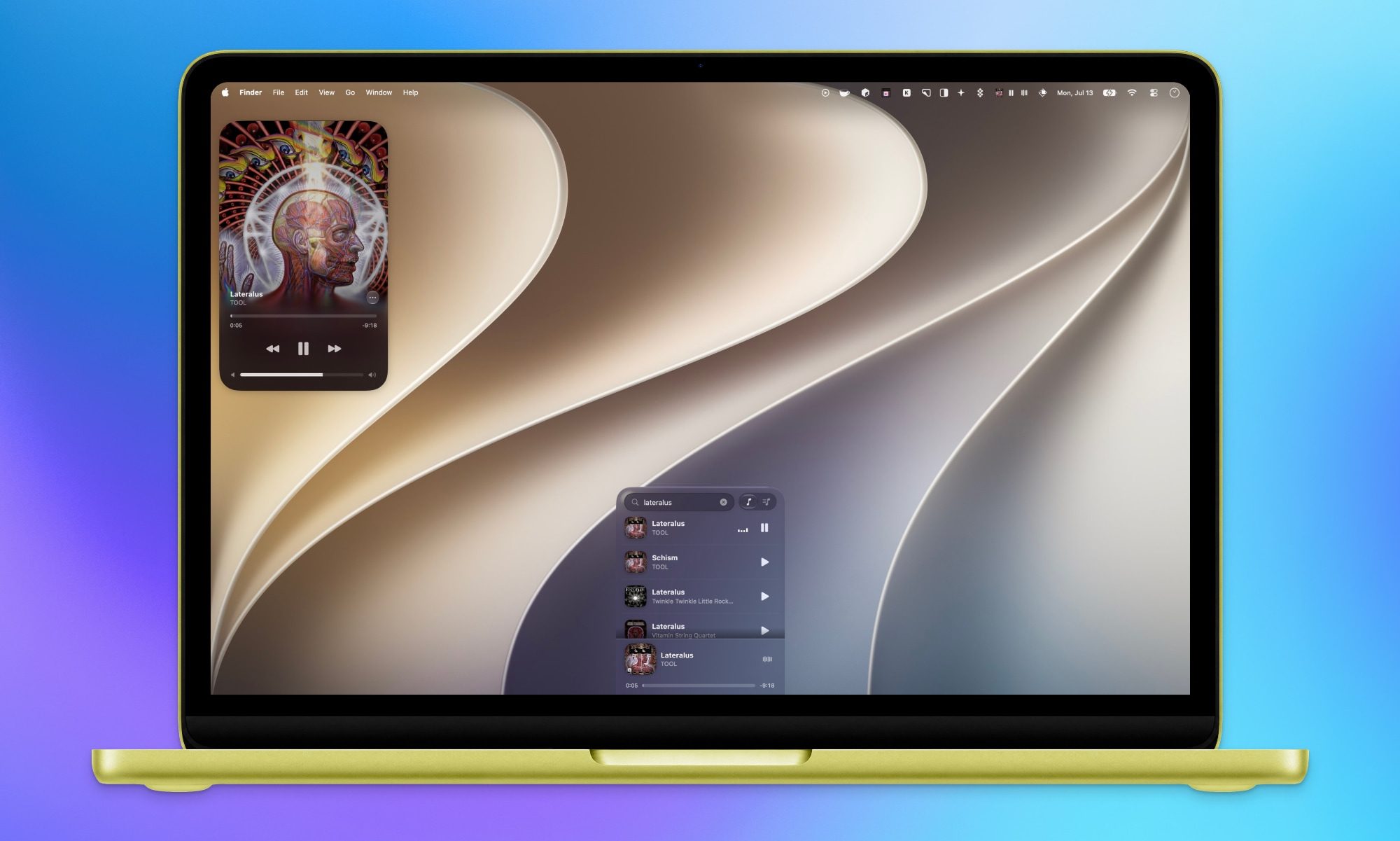
They acknowledged the minor bugs reported by users running the macOS Golden Gate beta, noting that they are working closely with early adopters to patch issues related to API hooks and animated artwork rendering. The developer’s stance is clear: "We are building the interface that Apple should have provided years ago."
Implications for the Future of macOS Utilities
Liqoria’s success highlights a broader trend in the tech industry: the rise of the "Super-App" utility. As major tech conglomerates focus on content aggregation and subscription retention, the actual user experience (UX) of their desktop applications has often stagnated.
This creates a vacuum that agile, independent developers are all too happy to fill. If Liqoria continues to gain momentum, it may force larger players to reconsider their desktop UI strategies.

Impact on User Workflow
For the average professional, music is a constant background companion to productivity. By reducing the "friction" of music management—the act of switching apps, waiting for libraries to load, and navigating complex sub-menus—Liqoria returns that time to the user. It represents a shift toward a more modular computing experience where the user chooses the interface that fits their workflow, rather than being forced into the default ecosystem of the operating system provider.
The Security and Privacy Aspect
It is worth noting that for any third-party app to interface with Apple Music or Spotify, it requires specific permissions. Liqoria has been praised for its relatively minimal permission requirements. By utilizing standard developer APIs, the app avoids the "black box" nature of some unauthorized scrapers, providing a layer of security that is essential for enterprise users who may be cautious about what they install on their machines.
Conclusion: Is It Time for a Change?
While the Apple Music app is unlikely to disappear, Liqoria offers a necessary reprieve for those who find the current experience lacking. Its ability to unify multiple platforms into a single, highly customizable interface makes it a standout utility in an otherwise crowded field.

Whether you are a heavy user of local files, a Spotify power-user, or someone who relies on the vast library of Apple Music, Liqoria provides the tools to curate, manage, and enjoy your audio collection with a level of elegance that the native apps have failed to achieve. For the Mac user who values both form and function, Liqoria is not just a luxury—it is the modern, essential upgrade that your music library has been waiting for.
As we look toward the future of macOS, it is clear that apps like Liqoria will continue to define the standard. When the official software can no longer keep pace with user demands for speed, customization, and visual clarity, the community will—and should—find its own way forward.


 Suro Senen
 Nana Wu