Evan Lee Salim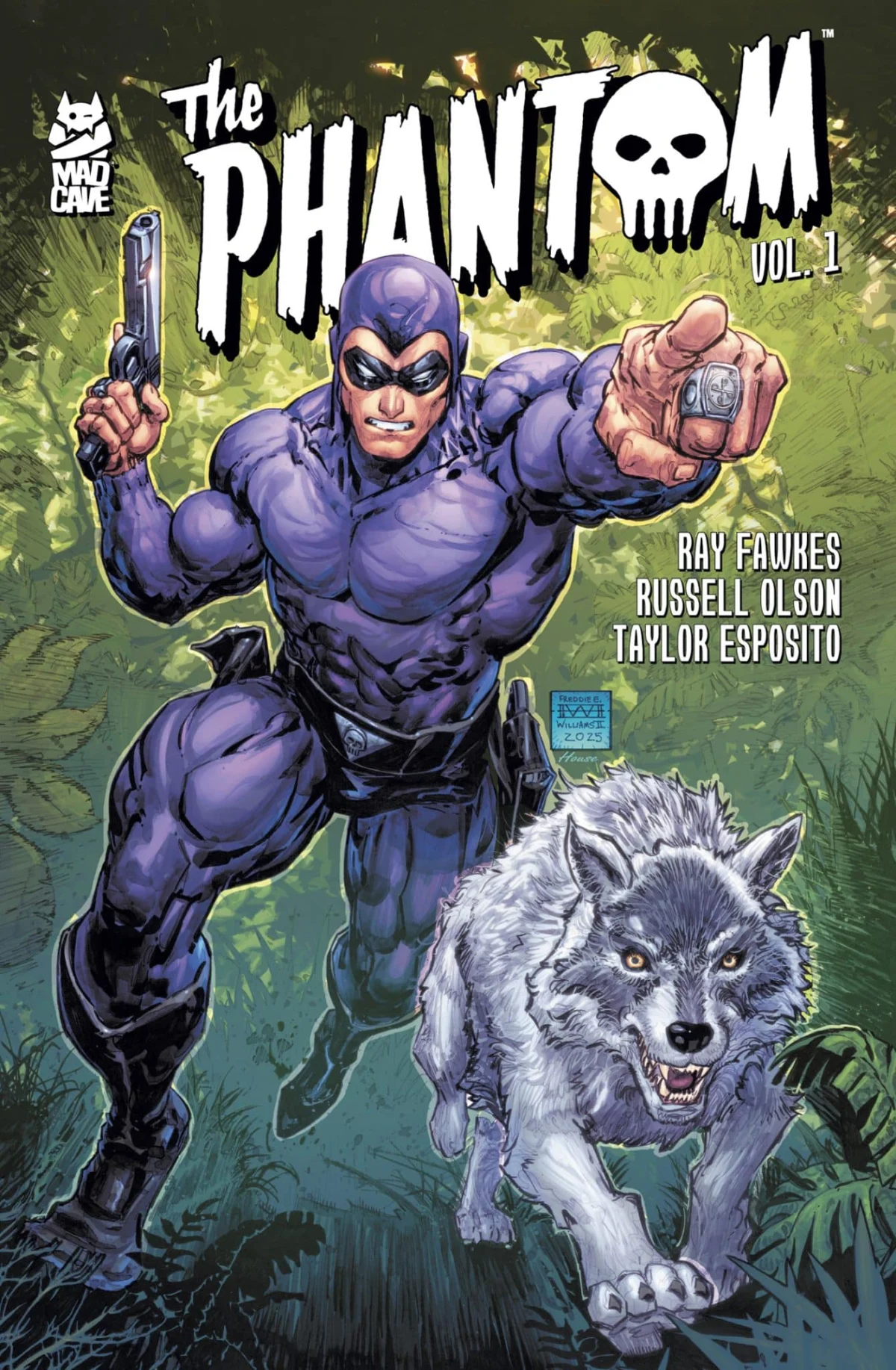
In the ever-evolving landscape of modern comics, few icons possess the historical weight and enduring legacy of The Phantom. Originally conceived by Lee Falk in 1936, the "Ghost Who Walks" predates the golden age of caped crusaders, carving out a niche as the first true costumed superhero in the annals of pop culture. Now, nearly a century after his debut, the legacy is being revitalized. A brand-new ongoing series, The Phantom Vol. 1, written by the critically acclaimed Ray Fawkes and illustrated by the dynamic Russell Olson, has officially launched, promising a modern take on the classic hero while remaining deeply rooted in the character’s storied past.
The Core Narrative: A Fresh Start for a Timeless Legend
At its heart, the new series serves as both a love letter to long-term devotees and an inviting gateway for new readers. Ray Fawkes, known for his masterful grasp of atmosphere and character depth, teams up with Russell Olson, whose kinetic art style breathes new life into the jungles of Bangalla.
The narrative arc begins with a sudden, violent intrusion into the idyllic peace of the Bandar village. A ruthless gang of smugglers—ignorant of the lethal guardian watching from the shadows—stumbles into the territory, shattering the tranquility that the Phantom has meticulously fostered over decades. As the threat escalates, the Phantom must leverage his legendary combat skills, his intellect, and his deep-seated connections within the African community to restore order.
For those unfamiliar with the character, the series highlights the defining traits that have kept the Phantom relevant for eighty-nine years: his peerless athleticism, his commitment to justice, and his profound empathy for the wildlife and the people of Bangalla.

A Chronological Perspective: From 1936 to 2026
To understand the magnitude of this release, one must look at the historical trajectory of the character.
- 1936: Lee Falk introduces The Phantom in a newspaper comic strip, establishing the archetype of the masked hero operating in the shadows.
- 1940s–1970s: The character gains international fame, spawning radio serials, film adaptations, and global comic book distribution, cementing his status as a cultural icon in regions as diverse as Scandinavia, Australia, and India.
- 1996: A major Hollywood feature film introduces a new generation to the purple-clad hero.
- 2000s–2020s: The character experiences various reboots and miniseries, struggling at times to find a foothold in an increasingly crowded superhero market.
- July 2026: The launch of The Phantom Vol. 1 by Fawkes and Olson signals a concerted effort to return the character to the forefront of the medium, utilizing modern pacing and contemporary themes of environmental protection and human rights.
Supporting Data: Why The Phantom Still Matters
The longevity of the Phantom is not merely a result of nostalgia; it is backed by a unique thematic structure that differentiates him from the modern Marvel or DC stable. Unlike heroes who rely on superpowers, the Phantom relies on the legacy of his ancestors—a chain of individuals who have taken up the mantle across generations.
Data from the comics market over the last decade suggests that "Legacy Characters" are currently outperforming traditional origin stories. Readers are increasingly drawn to characters with history, complexity, and a sense of institutional weight. The Phantom possesses this in spades. The "Skull Ring" and the "Good Mark" are not just tropes; they are symbols of a generational duty that resonates with modern audiences who appreciate storytelling that spans time.
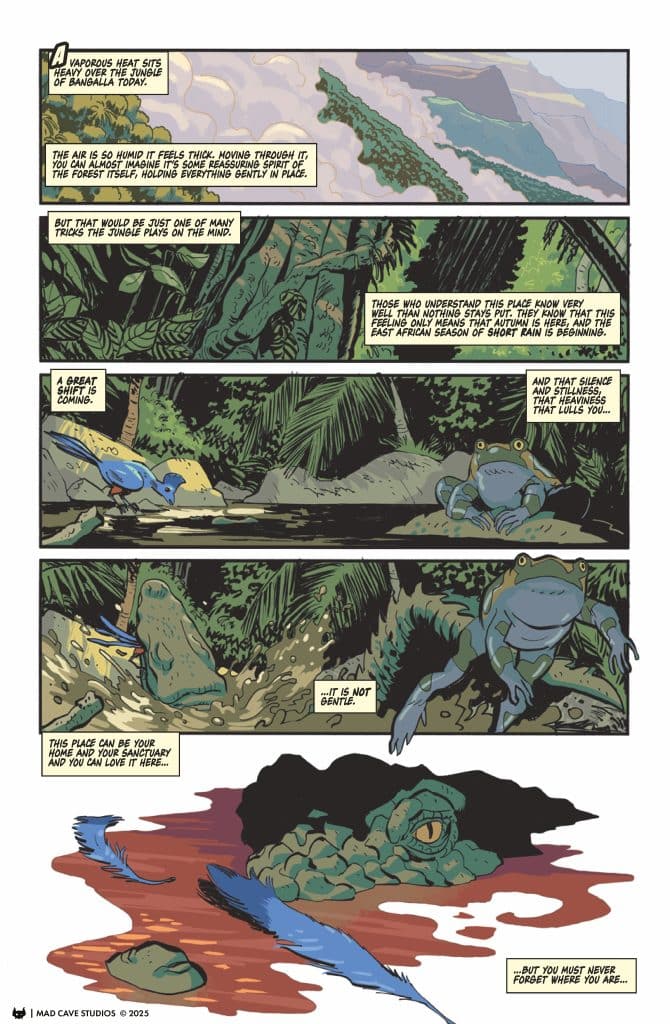
Furthermore, the setting of Bangalla provides a unique backdrop. By moving away from the metropolitan urban sprawl typical of the "Capes and Tights" genre, the series introduces a "jungle-noir" aesthetic that allows for tighter, more focused storytelling. This is a deliberate choice by the creative team to distance the character from the noise of the modern superhero blockbuster, opting instead for a grounded, visceral experience.
Official Commentary: The Creative Vision
Ray Fawkes has spoken extensively about the challenge of balancing respect for Lee Falk’s original vision with the need to modernize the character. "The Phantom is the blueprint for every hero who wears a mask," Fawkes noted in a recent briefing. "Our goal wasn’t to change who he is, but to remind the world why he remains the best at what he does. We aren’t just showing him fighting smugglers; we are showing his role as a protector, a diplomat, and a guardian of nature."
Artist Russell Olson echoed these sentiments, emphasizing the visual storytelling. "When you draw the Phantom, you’re drawing silence, shadow, and power. The jungle is a character in its own right. We’ve worked hard to ensure the reader feels the humidity of the forest, the danger of the hidden paths, and the sheer intensity of the Phantom’s presence. It’s a sensory experience."
The Wider Implications for the Comic Industry
The launch of The Phantom Vol. 1 arrives at a pivotal time for the comic industry. As major publishers continue to navigate the exhaustion of the multiverse trope and overly complex continuity, the success of a self-contained, high-quality, character-driven story like The Phantom could serve as a bellwether for the market.
1. The Return of Independent-Style Storytelling
This series demonstrates a shift toward stories that don’t require an encyclopedia of prior knowledge to enjoy. By focusing on a "perfect entry point" for new readers, the creative team is banking on accessibility—a strategy that has proven successful for indie publishers but is often ignored by major industry titans.

2. Global Brand Recognition
The Phantom remains one of the few comic characters with genuine, sustained global appeal outside of the United States. A successful North American revival could potentially trigger a global resurgence in interest, leading to licensing opportunities, international reprints, and a revitalized fan community that bridges the gap between domestic and international markets.
3. Ethical Storytelling
The series’ emphasis on the Phantom’s compassion for the African community and his role as a defender of the defenseless touches on contemporary discussions regarding the representation and portrayal of global communities in pop culture. By framing the Phantom as an ally to the people of Bangalla rather than a "white savior," the writers are carefully navigating the sensitive geopolitical nuances of the 21st century.
A Legacy Reimagined
As the first volume hits shelves, the industry is watching closely. Can a character born in the era of the Great Depression capture the imagination of a generation raised on high-speed internet and instant content?
The answer, if the initial pages of this series are any indication, is a resounding "yes." The Phantom is not just a relic of the past; he is a prototype for the future. By stripping away the bloated, interconnected subplots that plague modern comics, The Phantom Vol. 1 focuses on the essence of the hero: the man, the mission, and the shadows he inhabits.
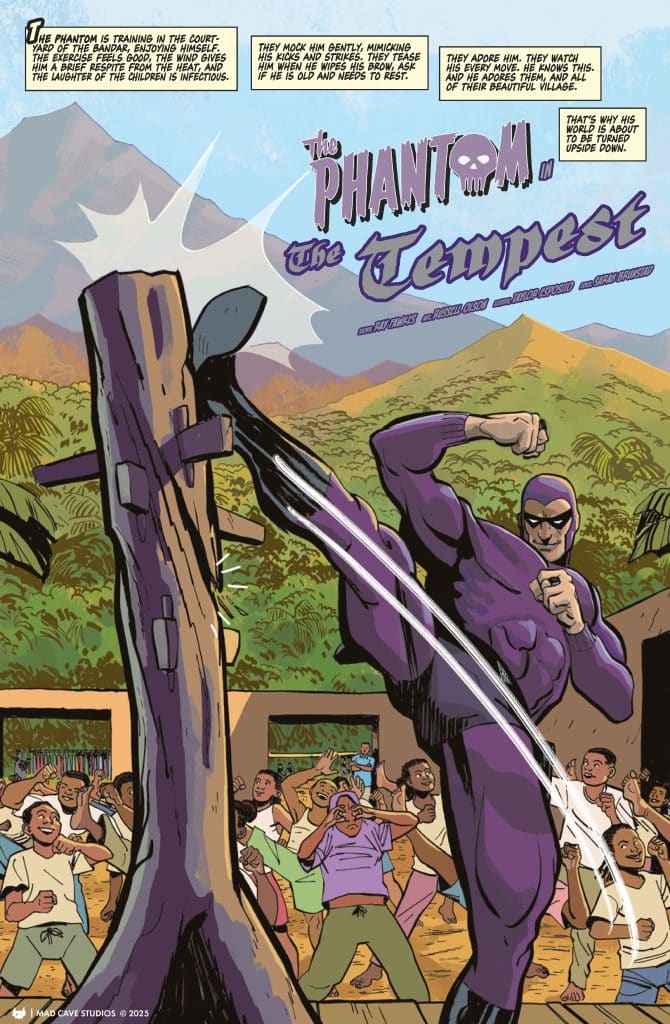
For fans who grew up reading the newspaper strips, this is a return to form. For those just discovering the legend, it is a masterclass in superhero storytelling. The Ghost Who Walks has returned, and he is as formidable as ever. Whether through his legendary athleticism or his quiet, calculated approach to conflict, the Phantom proves that you don’t need a cape or a laser beam to change the world—you only need a legacy and the will to protect those who cannot protect themselves.
As we move further into 2026, the question is not whether the Phantom can adapt to the modern world, but whether the modern world is finally ready to embrace the complexity of the Ghost who has been walking through it all along.

 Sagoh
Sagoh
 Ammar Sabilarrohman