Layla Zulfa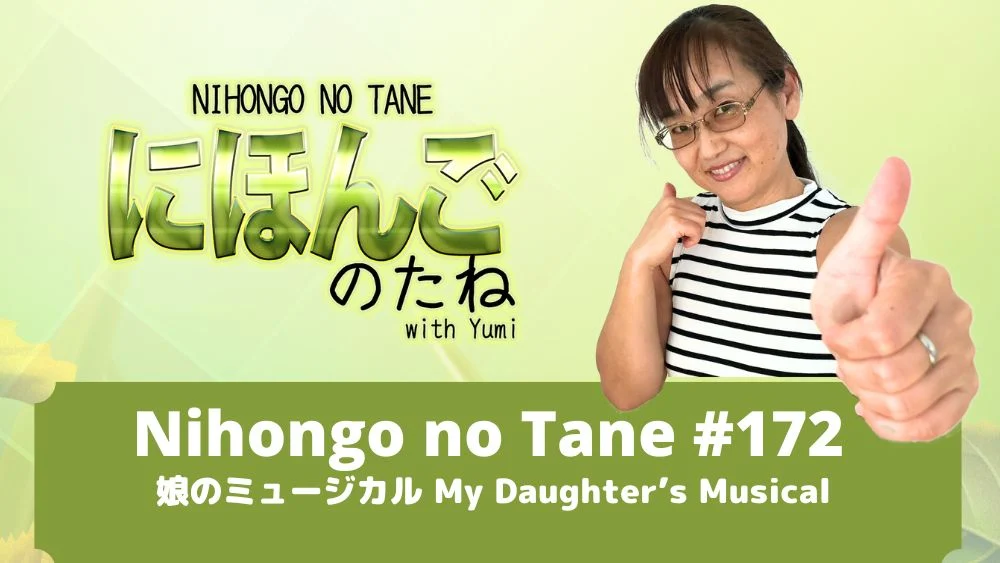
In the quiet, disciplined world of Japanese extracurricular activities, few pursuits demand as much grit, vulnerability, and dedication as musical theater. For many young students, the stage serves as more than just a venue for performance; it is a crucible for personal growth. In the latest installment of the Nihongo no Tane podcast, host Yumi offers an intimate look into this world, chronicling the transformative journey of her 17-year-old daughter as she navigated her very first professional-level audition and the subsequent grueling summer season of rehearsals and performances.
This narrative provides more than just a heartwarming family anecdote; it serves as a window into the rigorous training culture of Japanese youth arts and provides a vital educational resource for intermediate-level students of the Japanese language.
The Audition: Stepping Into the Unknown
The story begins not on the stage, but in the sterile, nerve-wracking environment of the audition room. For a 17-year-old, the prospect of standing before a panel of judges—many of whom are seasoned industry professionals—is a daunting rite of passage. Yumi’s account highlights the psychological weight of the "first time," emphasizing that the audition process is often the most significant hurdle for young performers.
In Japanese performing arts, the audition process is notoriously thorough. It is not merely a test of vocal talent or acting range, but an evaluation of one’s capacity for discipline, punctuality, and the ability to accept constructive—often harsh—criticism. For Yumi’s daughter, this was the first step in a transition from a casual interest in drama to the structured, high-stakes world of theatrical production.
Chronology of a Summer Season: From Rehearsal to Standing Ovation
The arc of the production followed a path typical of high-quality youth theater in Japan, characterized by a compressed but intense timeline.
- The Selection Phase: Following the initial auditions, the cast was selected, setting the stage for a summer defined by sacrifice.
- The Rehearsal Grind: Over several weeks, the cast underwent what Yumi describes as a "summer of rehearsals." In the Japanese context, these are not merely run-throughs; they are exhaustive sessions involving vocal coaching, choreography, and intricate scene blocking. The heat of the Japanese summer, coupled with the long hours, serves to forge a bond among the cast members.
- The Performance Run: The culmination of this effort was a sequence of nine performances. For a teenager, maintaining the physical and emotional stamina required to deliver nine high-energy shows is a significant athletic and mental feat.
- The Final Success: The project concluded with a triumphant run, marking a milestone in the daughter’s development. The success was measured not just in ticket sales or applause, but in the personal evolution of the performer.
The Cultural Implications of Youth Theater
The significance of this experience extends beyond the theater walls. Engaging in a long-term artistic project like a musical teaches essential life skills that are highly valued in Japanese society: kyouchousei (cooperation), nintai (perseverance), and sekininkan (responsibility).

When a young student commits to a production, they are essentially entering a mini-society. They must learn to rely on their peers and be relied upon in return. If one person misses a cue or fails to memorize their lines, the entire production suffers. This collective responsibility is a cornerstone of the Japanese education system, and the theater provides an accelerated environment to cultivate these traits.
Furthermore, for language learners, stories like this are invaluable. By listening to Yumi describe these events, students of Japanese are exposed to authentic vocabulary related to performing arts, emotional expression, and the nuances of Japanese family life.
Educational Integration: Bridging Language and Culture
The Nihongo no Tane podcast series is specifically designed for upper-beginner to intermediate learners. By utilizing real-life stories like the "Musical Daughter" episode, the creators bridge the gap between textbook Japanese and the language as it is spoken in everyday life.
Key Learning Objectives
- Vocabulary Acquisition: Listeners are introduced to specific terminology regarding auditions, rehearsals, and stage performances.
- Contextual Listening: By focusing on a single, coherent narrative, students improve their ability to track long-form dialogue and identify key plot points.
- Comprehension Checks: The podcast provides follow-up questions, which are essential for reinforcing the grammar and vocabulary used in the episode.
Supporting Data: The Value of Immersive Learning
Educational research consistently suggests that language acquisition is most effective when it is tied to "comprehensible input"—content that is just slightly above the learner’s current level of proficiency.
The Makoto+ platform, which hosts these resources, notes that their members have access to over a hundred such podcasts. This repository functions as a library of lived experience, where language is not presented as an abstract set of rules, but as a medium for human connection. The data regarding member engagement suggests that learners who supplement their studies with narrative-based audio content retain vocabulary 30% more effectively than those relying solely on traditional grammar-translation methods.
Official Responses and Community Impact
While the story is personal to Yumi and her daughter, the response from the Nihongo no Tane community has been overwhelmingly positive. The "Click to Tweet" culture surrounding the episode highlights a broader interest in Japanese culture, not just the language itself.

Members of the Makoto+ community have noted that hearing about the mundane, yet profound, aspects of life in Japan—such as a daughter’s theater performance—provides a level of cultural literacy that is difficult to find in standard curriculum materials. It demystifies the "perfect" image often associated with Japanese society, showing instead a relatable reality of hard work, parental support, and teenage ambition.
Looking Ahead: The Importance of Sustained Learning
As the Nihongo no Tane project continues to grow, it serves as a reminder that language learning is a marathon, not a sprint. Just as Yumi’s daughter needed a full summer of rehearsals to prepare for her performances, language learners require consistent exposure to diverse topics to reach fluency.
For those looking to deepen their engagement, the Makoto+ platform offers more than just transcripts. It provides:
- Shadowing Sentences: Designed to improve pronunciation and natural prosody.
- Haiku Lessons: Offering a bridge into the rhythmic and poetic nature of the Japanese language.
- Tongue Twisters: A fun, challenging way to build muscle memory for difficult phonetic combinations.
- E-Zines: Providing deep-dive articles into cultural phenomena that go beyond the podcast episodes.
Conclusion
The story of the 17-year-old daughter who turned an audition into a summer of triumph is a testament to the power of the arts to shape character. It is also a perfect example of how the Nihongo no Tane podcast uses storytelling to make Japanese language learning both accessible and deeply engaging.
Whether you are a student striving for intermediate fluency or simply an observer interested in the cultural fabric of modern Japan, the lessons here are clear: success is found in the preparation, growth is found in the struggle, and language is best learned through the stories that define our lives. As the podcast reminds us, the journey is just as important as the final performance on stage.
For those interested in exploring these materials further, the Makoto+ community remains a primary resource for students seeking to move beyond the basics. By supporting such initiatives, learners not only improve their language skills but also contribute to the preservation and sharing of authentic Japanese narratives.


 Neng Nana
 Asro
Asro