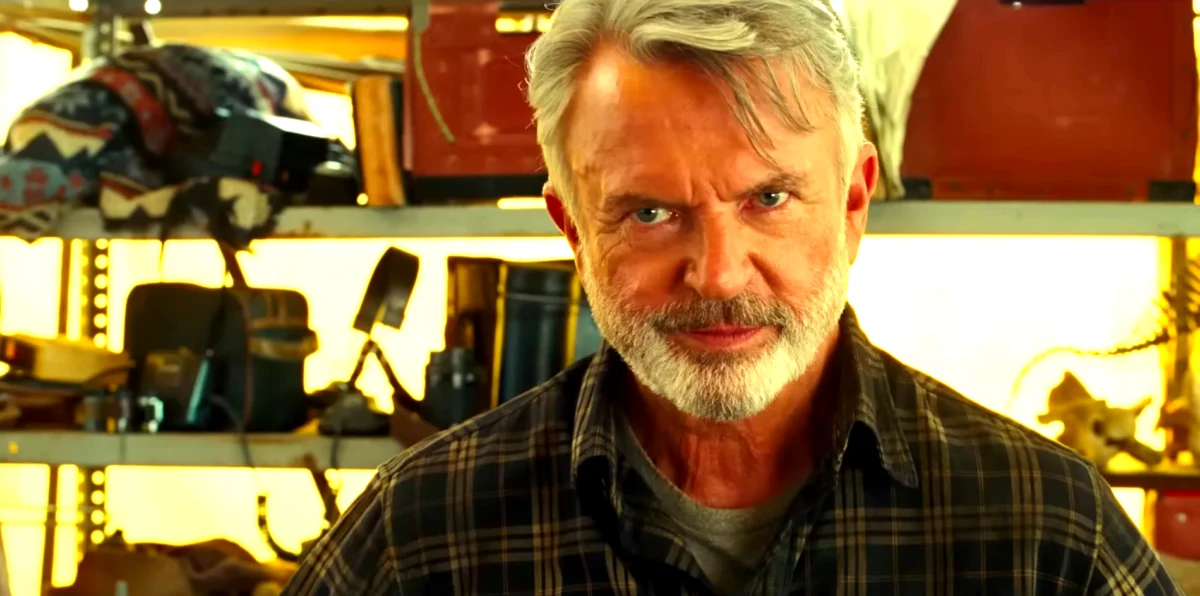
The global film community is mourning the loss of a true titan of the industry. Sam Neill, the distinguished New Zealand actor whose career spanned over five decades and encompassed everything from high-concept science fiction to intimate psychological dramas, has passed away at the age of 78. His death, which occurred suddenly on Monday in Sydney, Australia, has sent shockwaves through Hollywood and beyond, marking the end of an era for a performer who remained active, vibrant, and deeply committed to his craft until his very final days.
The Final Curtain: An Unexpected Farewell
The news of Neill’s passing was confirmed via an official statement released by his whānau (family) across his social media platforms. The statement, characterized by both grace and profound grief, noted that the veteran performer passed away peacefully in the presence of his loved ones. While the suddenness of his death has surprised fans worldwide, the family has clarified that his passing was not related to the long-standing health challenges he had shared with the public in recent years.
In 2022, Neill courageously went public with his diagnosis of stage-three angioimmunoblastic T-cell lymphoma, a rare and aggressive form of blood cancer. His journey was marked by transparency and grit; after standard chemotherapy protocols failed to yield the desired results, Neill turned to an experimental T-cell trial therapy. This innovative medical intervention successfully drove the disease into remission, a victory he celebrated with his trademark humility. His family has emphasized that, despite the sudden nature of his death this week, he was, by all accounts, cancer-free at the time of his passing.
A Life Behind and In Front of the Lens: A Chronology of Success
Born in Omagh, Northern Ireland, and raised in New Zealand, Neill’s path to international superstardom was anything but conventional. Before he became a household name, he was a student of the arts and a practitioner of the stage, cutting his teeth on Shakespearean repertoire. However, his initial professional trajectory was directed toward the technical side of cinema. Throughout the 1970s, Neill served as a director for the New Zealand National Film Unit, honing his understanding of narrative structure, visual composition, and the mechanics of storytelling.
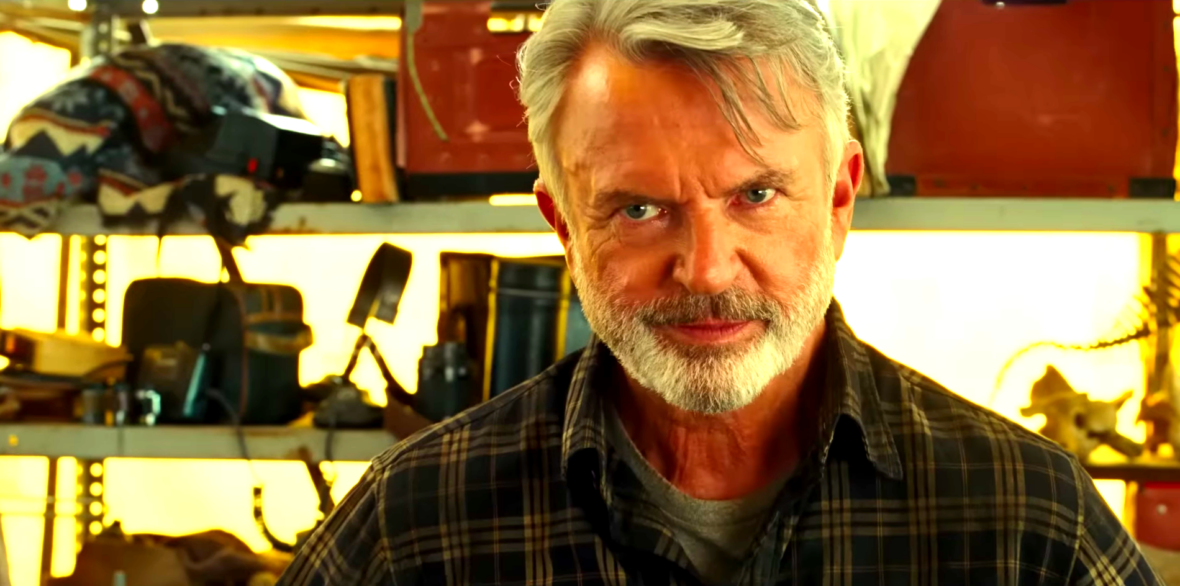
This period behind the camera provided him with a unique perspective that would later inform his acting performances. He eventually transitioned back to the front of the lens, and by the late 1970s, he had established himself as a formidable presence in the burgeoning New Zealand film industry. His breakout role in the 1979 film My Brilliant Career brought him to the attention of international casting directors, setting the stage for a career that would defy genre boundaries.
The 1980s: Establishing a Genre Icon
Throughout the 1980s, Neill cemented his status as a versatile performer. He displayed an uncanny ability to inhabit characters that required intense psychological depth. In 1981, he portrayed Damien Thorn in Omen III: The Final Conflict, bringing a chilling, mature menace to the role of the Antichrist. That same year, he starred in Andrzej Żuławski’s Possession, a cult psychological horror masterpiece that remains a touchstone for genre fans. His performance in Possession—unhinged, visceral, and haunting—remains a testament to his willingness to take creative risks that many of his contemporaries avoided.
The 1990s: The Jurassic Phenomenon
The year 1993 marked the definitive turning point in Neill’s career. Cast as the paleontologist Dr. Alan Grant in Steven Spielberg’s Jurassic Park, Neill became the face of one of the most successful film franchises in history. His portrayal of the reluctant, gruff, yet ultimately heroic Dr. Grant provided the emotional anchor for the film’s massive spectacle. He would later reprise the role in 2001’s Jurassic Park III and return once more to the role that defined a generation in 2022’s Jurassic World Dominion.
The Craft of Sam Neill: Supporting Data and Industry Impact
To understand the impact of Sam Neill is to understand a performer who refused to be pigeonholed. Throughout his career, he balanced high-budget studio blockbusters with independent, challenging art-house cinema. His filmography includes a staggering array of projects, from the gripping sci-fi horror of Event Horizon (1997) to the nuanced historical drama of The Piano (1993) and the tense political thriller Dead Calm (1989).
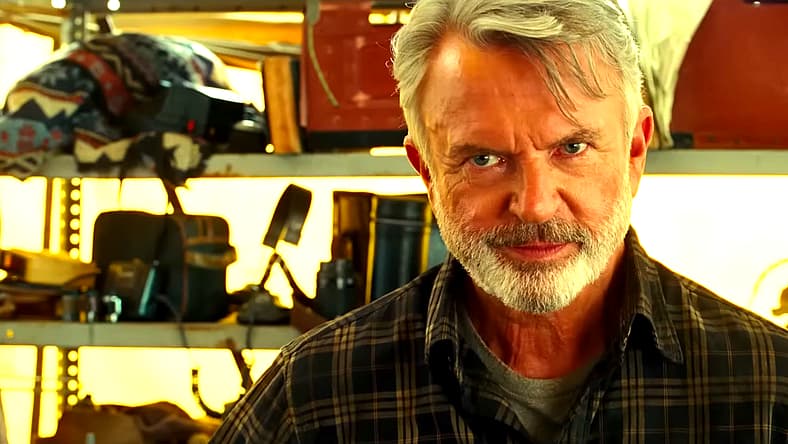
Data from film critics and audience aggregation sites consistently highlight Neill’s consistency. He maintained a rare "hit-to-miss" ratio, largely because he gravitated toward scripts that allowed him to explore the duality of human nature. He was an actor’s actor, respected by directors for his preparation and by co-stars for his ability to elevate every scene he appeared in, regardless of the size of the role.
Official Responses and Public Tribute
The response from the film industry has been overwhelming. Colleagues, directors, and fans have taken to social media to pay tribute to a man who was as beloved for his off-screen warmth as he was for his on-screen intensity.
"Sam Neill was a gentleman in every sense of the word," one industry insider noted in the hours following the news. "He carried the weight of stardom with a self-deprecating wit that made everyone on set feel like an equal."
His family’s statement, which requested privacy during this time of mourning, has been met with a respectful outpouring of support. The "whānau of Sam Neill" expressed their gratitude for the well-wishes from across the globe, acknowledging the profound impact he had on the lives of those who grew up watching his films.
Implications: A Lasting Legacy in the Monsterverse and Beyond
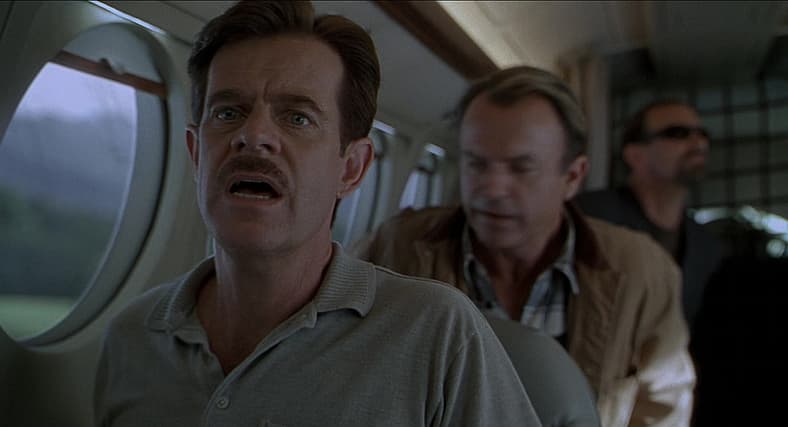
Despite his battle with illness, Neill’s professional drive never waned. He treated his recovery as an opportunity to double down on his passion for acting. His final project—a significant role in the upcoming Monsterverse entry Godzilla x Kong: Supernova—is scheduled for release in March 2027.
The inclusion of Neill in such a massive, modern blockbuster highlights the enduring nature of his appeal. Even in the final months of his life, he remained a sought-after talent, capable of commanding the screen in a high-stakes CGI environment just as effectively as he did on a minimalist stage in the 1970s.
The release of Godzilla x Kong: Supernova will inevitably serve as a final, bittersweet monument to his career. For audiences, it will be an opportunity to celebrate a man who spent over fifty years in the spotlight without ever losing his authenticity.
Looking Forward
The passing of Sam Neill leaves a vacuum in the landscape of cinema that will be difficult to fill. He was a bridge between the classic era of practical, character-driven filmmaking and the modern, effects-heavy blockbuster age. His legacy is not just in the box office returns of his movies, but in the countless actors he inspired and the generations of film fans who found wonder, terror, and humanity in his performances.
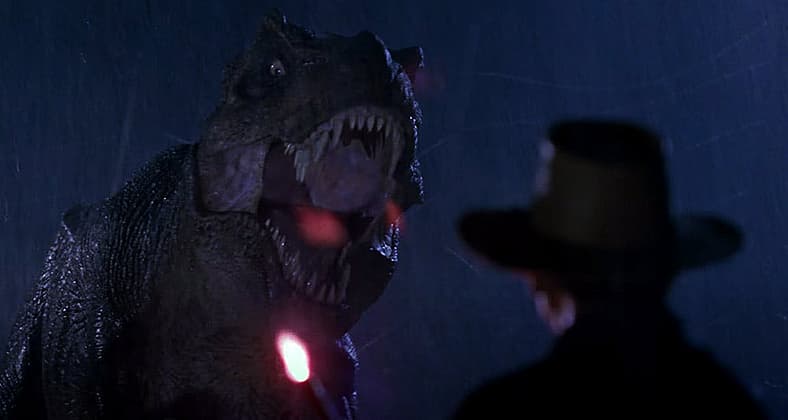
As the industry prepares for the inevitable retrospectives and career celebrations that follow the loss of such an icon, one thing is certain: Sam Neill’s work will continue to be studied, screened, and loved. Whether he was fleeing a Tyrannosaurus Rex on Isla Nublar or descending into the depths of psychological madness, Sam Neill was a master of his craft—a performer who truly understood that, while movies are temporary, a great performance is forever.
The world of cinema is undeniably dimmer today, but the light he shed on the screen will continue to burn for decades to come. Rest in peace, Sam Neill. Your contribution to our cultural history is secured.