Layla Zulfa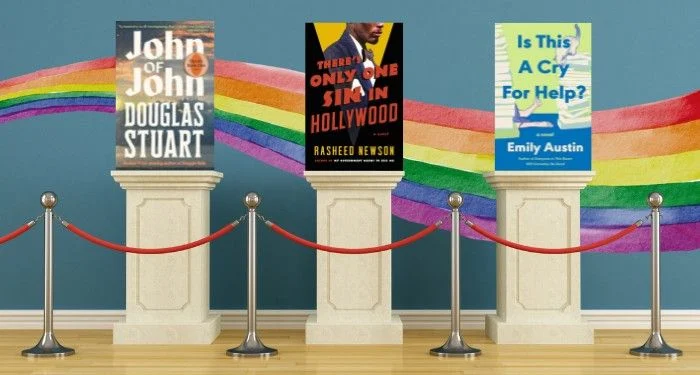
As we cross the threshold of the mid-year mark in 2026, the literary world is reflecting on a vibrant, challenging, and profoundly resonant period for LGBTQ+ literature. From hard-hitting historical fiction that confronts the systemic erasure of the past to whimsical, cozy science fiction that explores the boundaries of connection, the first half of 2026 has provided readers with a wealth of narratives that both reflect and shape the contemporary queer experience.
This review highlights the standout titles that have defined the first six months of the year, underscoring the vital role of queer storytelling in an era marked by intense political scrutiny of library collections and educational curricula.

The State of Queer Literature in 2026: A Mid-Year Overview
The literary output of early 2026 has been defined by a duality: a fierce commitment to truth-telling in the face of censorship, and a joyful reclamation of space for queer characters in genre fiction. Organizations and outlets like Book Riot have continued to champion these voices, noting that the demand for diverse, representative, and nuanced queer narratives remains at an all-time high.
For many readers, the 2026 collection serves as a "To-Be-Read" (TBR) list that feels less like a chore and more like a necessary engagement with our collective history and future. Whether through the lens of mental health advocacy, the exploration of complex family dynamics, or the reimagining of historical events, these authors have successfully captured the zeitgeist.

Chronology of Notable Releases: January – June 2026
The following selections represent a cross-section of the most acclaimed works published in the first half of the year.
Q1: Facing the Past and Present
- January 13: Is This a Cry for Help? by Emily Austin. This novel hit the ground running, offering a poignant look at a library worker returning to her post after a mental health crisis. Amidst a backdrop of censorship and local political tension, Austin delivers a love letter to libraries that feels particularly urgent in 2026.
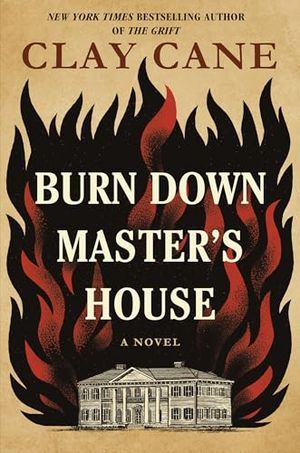
- January 27: Burn Down Master’s House by Clay Cane. This historical fiction powerhouse confronts the brutal realities of American slavery. By focusing on rebellion and revolution, Cane provides an unflinching counter-narrative to contemporary attempts to sanitize national history.
Q2: Interpersonal Dynamics and Genre Innovation
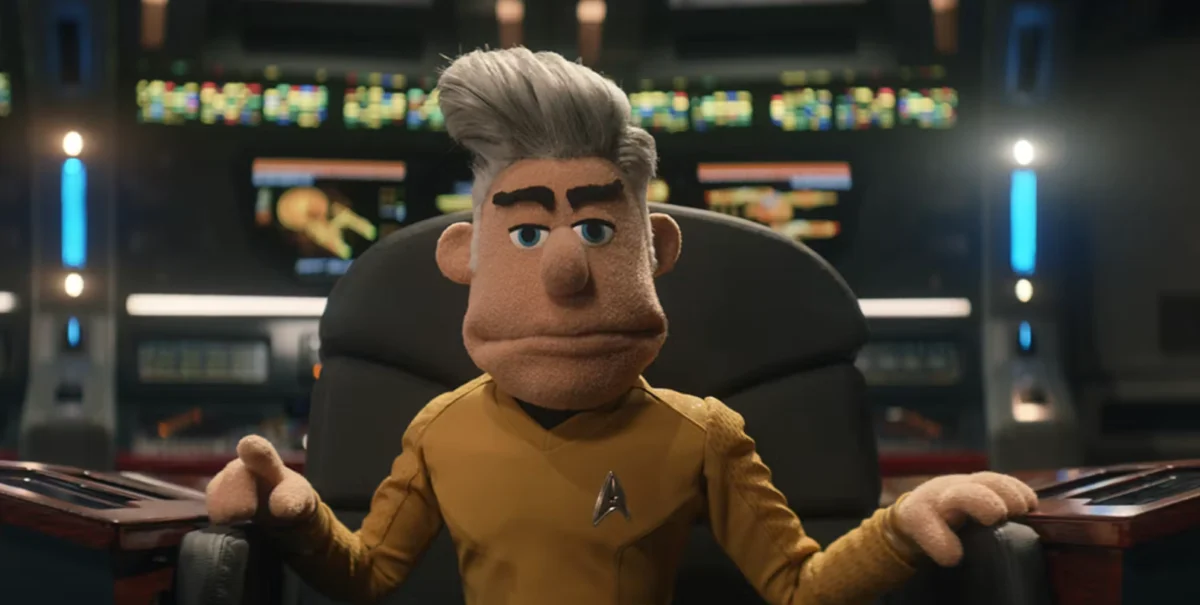
- March 3: Star Shipped by Cat Sebastian. A Star Trek-inspired contemporary romance, this novel explores the intersection of fame, industry expectations, and the "enemies-to-lovers" trope, proving that cozy queer sci-fi continues to be a dominant force.
- May 5: John of John by Douglas Stuart. Stuart’s latest novel is a masterclass in domestic tension, exploring the emotional distance between a gay father and his gay son on a remote island. It is a profound meditation on identity and the fear of being truly "seen."
- May 5: Opting Out by Maia Kobabe and Swati "Lucky" Srikumar. A significant addition to the middle-grade market, this graphic novel addresses the anxiety of puberty through a nonbinary lens, filling a critical void in literature for young readers.
Mid-Year Highlights: June Releases
- June 2: There’s Only One Sin in Hollywood by Rasheed Newson. Blending industry insider knowledge with Golden Age Hollywood history, Newson crafts a compelling story of a Black actor and a studio "fixer" struggling against the constraints of the closet.
- June 16: We Are Gathered Here Today by Bobby Finger. A witty, tender exploration of the modern wedding, this book navigates the complexities of marriage, friendship, and joy through the eyes of a group of queer guests at a destination wedding.
- June 16: Charity and Sylvia by Tillie Walden. Acclaimed cartoonist Tillie Walden brings the story of a 19th-century Vermont lesbian couple to life, blending historical vignettes with dreamlike imagery to create a deeply emotional experience.
- June 30: Moss’d in Space by Rebecca Thorne. Combining cozy sci-fi tropes with a sentient, high-maintenance moss life-support system, Thorne delivers a narrative that is both imaginative and deeply heartwarming.
Supporting Data: The July 14, 2026 Wave
The momentum of the first half of the year shows no signs of slowing down, as evidenced by the massive influx of titles released in mid-July. This week alone, the publishing industry has introduced over 20 new queer titles, signaling a robust market for diverse fiction.
Key releases this week include:
- Aruni Kashyap, How to Date a Fanatic: A new voice in queer fiction.
- Han Ong, Fixer Chao (Reissue): A significant archival return for gay fiction.
- Madeleine Gray, Chosen Family: A highly anticipated work of lesbian fiction.
- John Wiswell, The Dragon Has Some Complaints: An Asexual/Aromantic fantasy that continues to push the boundaries of genre expectations.
Official Responses and Industry Trends
Literary critics and industry analysts have noted that the 2026 publishing slate is a direct response to the "culture wars" affecting schools and libraries. By explicitly centering queer joy, trauma, and history, authors are not merely documenting the present; they are actively defending the right to exist in the public sphere.

"We are seeing a trend where historical fiction is no longer just about the past," says one industry observer. "It is a tactical engagement with the present. When authors like Clay Cane or Tillie Walden write about the 19th century or the era of slavery, they are writing about the mechanics of power, which is the exact conversation we are having in 2026."
Furthermore, the surge in genre-bending—specifically in the sci-fi and fantasy sectors—indicates that queer readers are increasingly seeking escapism that does not require them to sacrifice their identity. The success of titles like Moss’d in Space and Star Shipped suggests that publishers are finally recognizing the vast, untapped market for queer-led speculative fiction.

Implications for the Future of Publishing
The primary implication of the 2026 literary landscape is the resilience of the queer voice. Despite external efforts to limit access to these stories, the volume and quality of these publications suggest that the publishing industry remains committed to fostering diverse representation.
1. The Power of "Necessary Reading"
Several of these books have been labeled "required reading" by critics. This is not merely an aesthetic endorsement; it is a call to action. In a climate where history is being challenged, the preservation of stories that document the queer experience becomes an act of cultural survival.

2. The Expansion of Middle-Grade and YA
With titles like Opting Out by Maia Kobabe, there is a clear shift toward providing younger, nonbinary, and questioning readers with the tools to understand their own development. This is a crucial pivot, as it ensures that the next generation has access to the literature they need to navigate their own identities.
3. The Digital and Physical Intersection
The role of digital platforms, such as Book Riot, in curating these lists cannot be overstated. By bridging the gap between niche independent presses and major publishing houses, these platforms ensure that queer literature is not confined to a single corner of the market but is instead placed at the center of the literary conversation.

Conclusion: Looking Ahead
As we transition into the second half of 2026, the trajectory for queer literature remains positive. The diversity of genres—ranging from poetry and graphic novels to historical thrillers and cozy science fiction—demonstrates that there is no singular "queer story." Instead, there is a rich, multifaceted tapestry of experiences that continues to challenge, entertain, and inspire.
Readers are encouraged to engage with these titles not only as consumers but as participants in a larger dialogue about the importance of storytelling. Whether through the support of local libraries, the purchase of books from independent retailers, or participation in community reading groups, the collective support for these authors ensures that the queer literary movement will continue to thrive in the years to come.

As the industry looks toward the autumn and winter releases, one thing is clear: the first half of 2026 has set a high bar, ensuring that the remainder of the year will be just as vibrant, challenging, and essential for readers everywhere.

 Laily UPN
 Evan Lee Salim