Laily UPN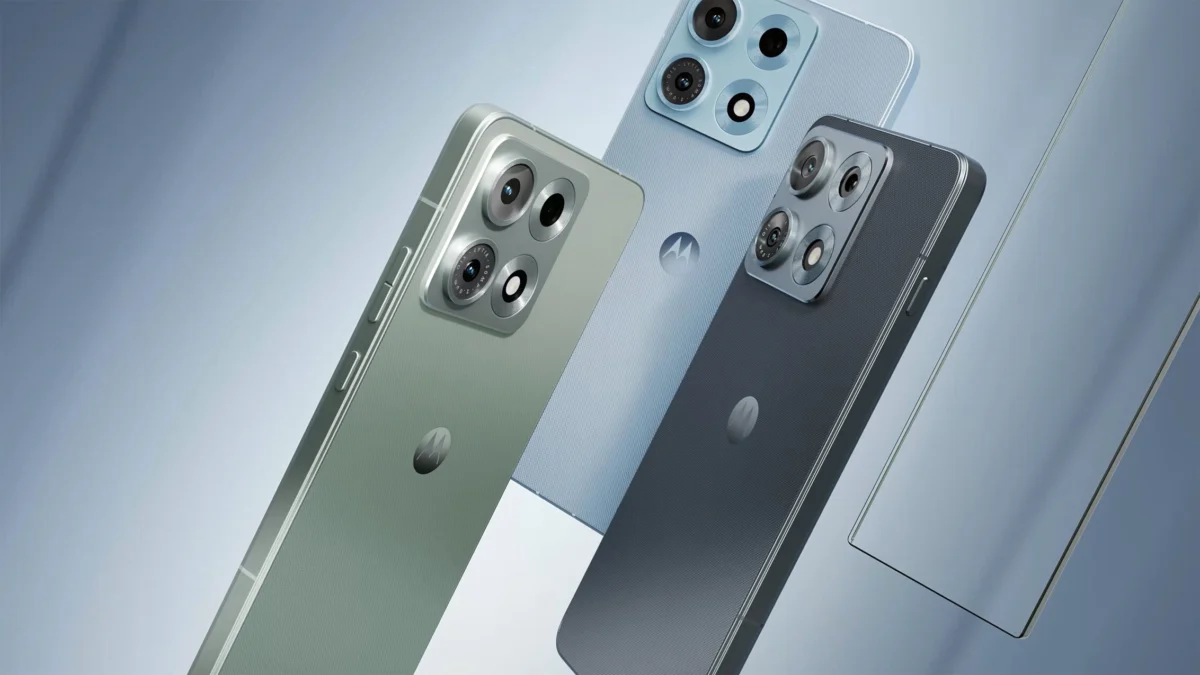
For several years, Motorola has occupied a unique, albeit somewhat constrained, position in the global smartphone market. While the brand successfully captured the imagination of nostalgia-seekers with its innovative Razr foldable series and maintained a strong presence in the mid-range segment, it has often seemed to operate in the shadow of industry titans. The launch of the "Signature" series hinted at a desire to return to premium roots, but the gap in the flagship segment remained.
That void has now been officially filled. Motorola has quietly pulled the curtain back on the Motorola Edge 70 Max, a device that represents a calculated shift in strategy. By blending flagship-grade internals with a focus on extreme durability and battery longevity, Motorola is positioning the Edge 70 Max not just as another smartphone, but as a "flagship killer" designed to challenge the status quo.
Main Facts: The Anatomy of the Edge 70 Max
The Motorola Edge 70 Max is defined by a "more is more" philosophy. It is a device that does not attempt to be the thinnest or the lightest, but rather the most resilient and enduring.
Display Excellence
The centerpiece of the device is its expansive 6.8-inch display. Motorola has opted for a panel that hits all the high-end benchmarks: Quad HD+ resolution, a fluid 144Hz refresh rate, and full HDR10+ support. However, the headline specification is the staggering peak brightness of 7,000 nits. Pantone-validated for color accuracy, this display is engineered to be legible under the most punishing direct sunlight while offering a cinematic viewing experience.
Performance and Silicon
Under the hood, the device is powered by the Qualcomm Snapdragon 8 Gen 5 processor. While this chip sits just below the "Elite" tier of Qualcomm’s current hierarchy, it is a powerhouse by any objective standard. It is more than capable of handling high-fidelity gaming, intensive multitasking, and AI-driven background tasks without breaking a sweat. The device ships with a base configuration of 256GB of internal storage, paired with either 8GB or 12GB of RAM, ensuring that the software experience remains snappy.
Power Management and Charging
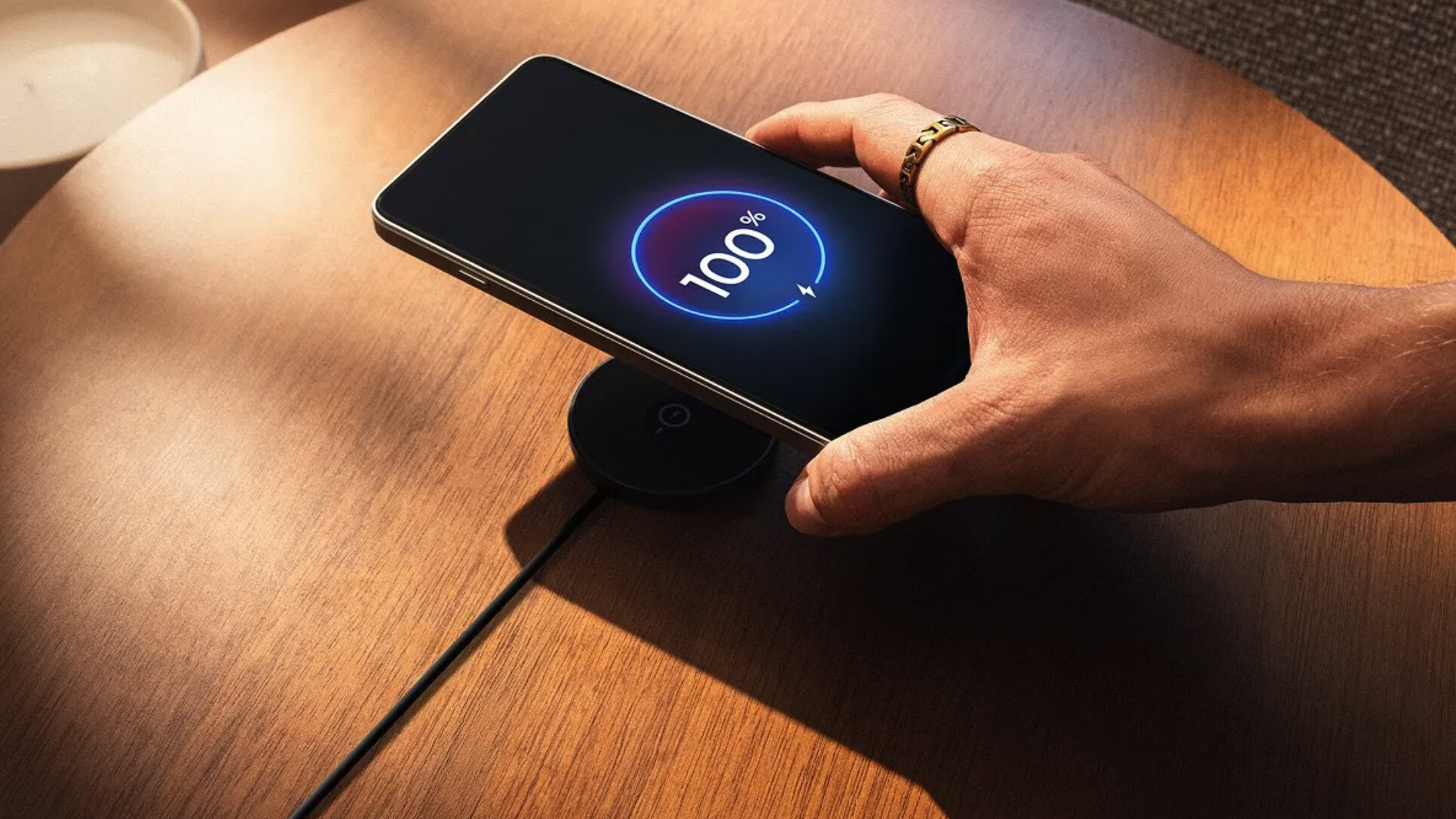
Perhaps the most impressive feature of the Edge 70 Max is its massive 7,100mAh silicon-carbon battery. In an era where many flagships are struggling to hit the 5,000mAh mark, Motorola’s decision to utilize high-density silicon-carbon technology is a game-changer. The device supports 90W wired fast charging, ensuring that a quick top-up is all it takes to get through a long day. Furthermore, it introduces 25W wireless charging compatible with the Qi2.2 standard, enabling magnetic, MagSafe-like attachment—a rare and welcome feature in the Android ecosystem.
Chronology: The Road to the "Max"
The journey of the Edge 70 Max from a rumor mill staple to a physical product has been a study in measured hype.
- Early 2026: Initial industry rumors began to circulate regarding a "premium" expansion of the Edge series. Leaks suggested that Motorola was working on a device to challenge the Pixel 10 series in terms of longevity and durability.
- Spring 2026: Patent filings and regulatory certifications in Asia hinted at a device with an unusually large battery capacity, leading analysts to speculate on the potential inclusion of silicon-carbon battery technology.
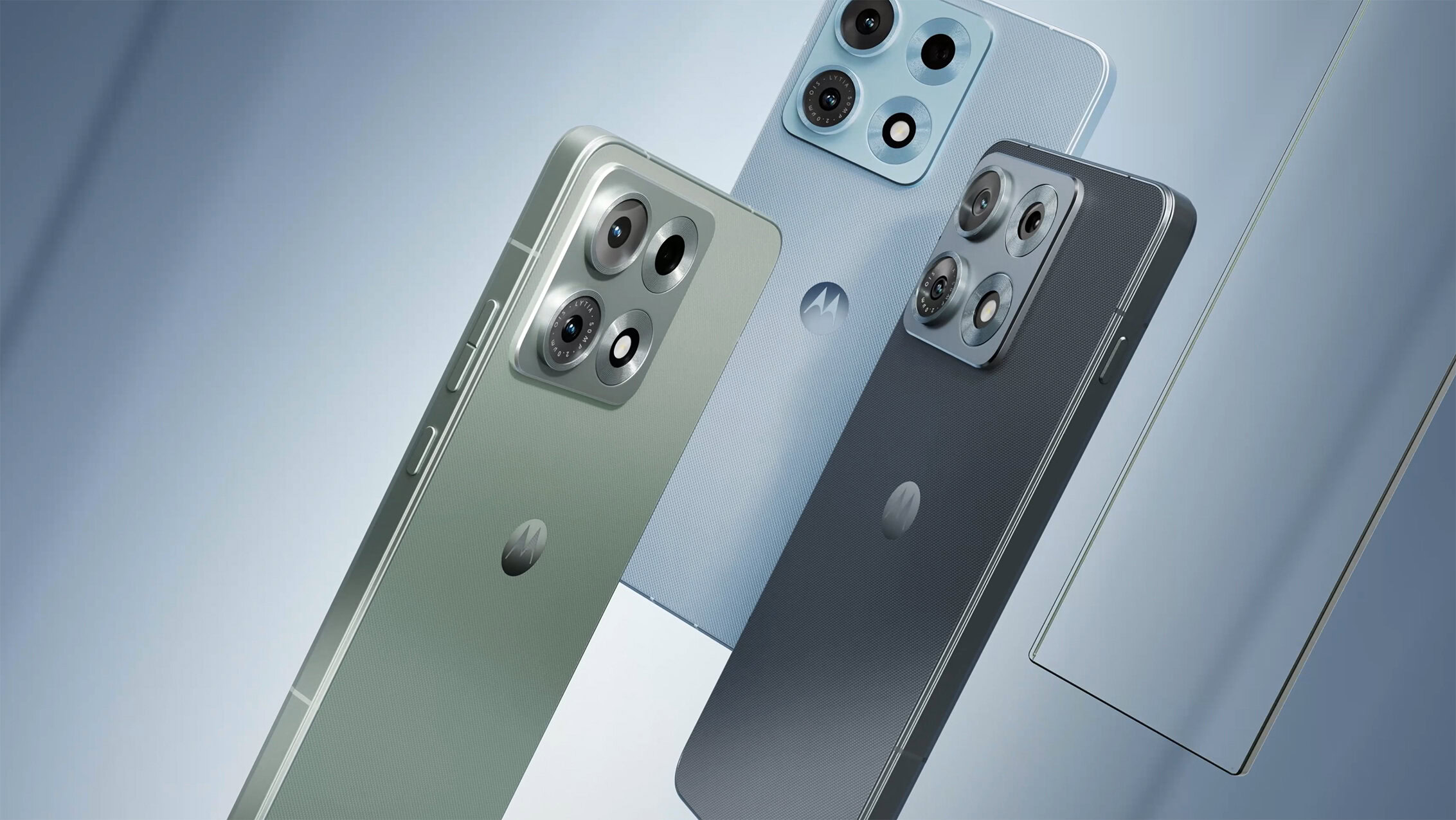
- June 2026: European retail leaks provided the first concrete evidence of the phone’s design, highlighting the magnetic charging capabilities and the triple-lens camera module.
- July 2026: Motorola officially unveils the Edge 70 Max in India, confirming the specifications and establishing a starting price point that positions it aggressively against mid-to-high-tier competitors.
Supporting Data: Why This Hardware Matters
Durability as a Selling Point
Motorola has moved beyond standard consumer-grade protection. The Edge 70 Max features an IP68 and IP69 rating, the latter of which signifies the device can withstand high-pressure, high-temperature water jets. Combined with MIL-STD-810H military-grade certification and Gorilla Glass 7i on both front and back panels, the phone is built to survive the realities of daily life—drops, dunks, and extreme environments—without the immediate need for a bulky protective case.
Photography and Optics
While the camera system is perhaps the most conservative aspect of the device, it remains highly functional. The 50MP primary sensor, built on Sony’s LYT-710 architecture, is designed for low-light performance and high dynamic range. It is accompanied by an 8MP ultrawide lens and a specialized 2-in-1 light/flicker sensor. While some critics may point to the lack of a dedicated telephoto lens as a missed opportunity, the inclusion of 4K HDR10+ video recording at 60fps demonstrates that the device is aimed at content creators who prioritize fluid, high-quality video over ultra-long-range zoom.
Official Responses and Market Strategy
Motorola’s marketing narrative for the Edge 70 Max is centered on the concept of "uninterrupted utility." In a statement, the company emphasized that the Edge 70 Max is designed for users who "demand a device that stays on as long as they do."
By focusing on the magnetic charging interface, Motorola is clearly attempting to court users who have been frustrated by the lack of ecosystem-level accessories in the Android space. The company is actively positioning the "Qi2.2" support as a standard that will simplify the user experience, potentially setting the stage for a new line of Motorola-branded magnetic accessories in the coming months.
Implications: A New Era for Motorola?
The launch of the Edge 70 Max has profound implications for the mid-to-premium smartphone market.
Competitive Pressure
By pricing the device at approximately $570 (INR 54,999) in India, Motorola is undercutting established flagships from competitors like Samsung and Apple, which often retail for significantly more. If this pricing strategy holds for international markets—or even if it sees a slight markup for the US and European regions—it places extreme pressure on other brands to justify their premium price tags.
The "Flagship Killer" Renaissance
For years, the term "flagship killer" was synonymous with OnePlus. Today, that mantle is up for grabs. Motorola has realized that by focusing on specific, high-utility features—like the 7,100mAh battery and magnetic charging—they can differentiate themselves from the sea of "me-too" devices that rely solely on incremental processor bumps.
Global Market Outlook
The current lack of concrete information regarding North American and European availability is the only significant hurdle. However, given the strong interest from European retailers and the device’s adherence to global standards like Qi2.2 and IP69, a wider rollout seems inevitable. If Motorola can successfully market the Edge 70 Max in the West, they may finally break the cycle of being a "secondary" choice for consumers.
Conclusion: Is it Worth the Hype?
The Motorola Edge 70 Max is a fascinating paradox. It is a device that is arguably "less" than a true flagship in terms of camera versatility, yet "more" than a flagship in terms of battery, durability, and practical design. For the professional, the traveler, and the power user who is tired of carrying power banks and worrying about fragile glass, the Edge 70 Max offers a compelling value proposition.
As we move further into the second half of 2026, the success of the Edge 70 Max will likely depend on Motorola’s ability to communicate these benefits to a broader audience. If they succeed, we may look back at this release as the moment Motorola stopped living in the shadows and began defining the mid-to-high-end market on its own terms.

 Reynand Wu
 Neng Nana