

For years, The Sims 4 community has operated in a delicate ecosystem of creative expression and technical frustration. While the game remains a juggernaut in the life-simulation genre, it has frequently been plagued by "quirks" that disrupt the immersive experience players strive to curate. On March 17, Electronic Arts and Maxis are set to deploy a significant patch for PC and Mac users—with console updates to follow—that aims to tackle some of the most persistent, immersion-breaking issues that have dominated the game’s "Laundry List" of reported bugs.
The Main Facts: What’s Changing in the Patch?
The upcoming March 17 update is characterized by the development team as a direct response to community feedback, reinforcing a recent commitment to long-term quality-of-life improvements. The patch focuses on five critical areas: social logic, event functionality, animal AI, visual consistency, and autonomous behavior.
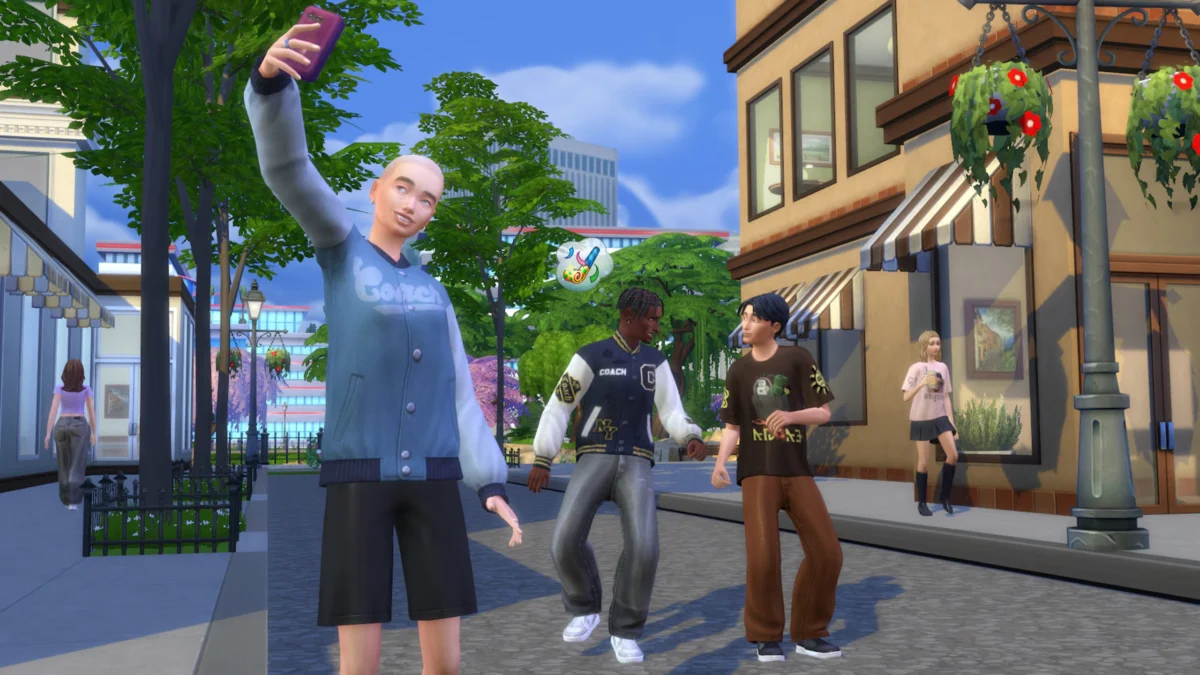
Perhaps the most celebrated change is a complete overhaul of how Sims prioritize social interaction on community lots. Historically, The Sims 4 suffered from a "social intrusion" bug, where non-playable characters (NPCs) would abruptly insert themselves into intimate or private conversations, effectively hijacking the player’s agency. Following the update, the game’s social algorithm will be weighted to favor existing relationships. Sims will now prioritize interacting with those they already have a rapport with, significantly reducing the likelihood of a stranger wandering into a romantic date or a private discussion to talk about nothing in particular.
Beyond social interactions, the patch addresses the return of Prom, which had previously vanished from many players’ in-game calendars. Maxis has confirmed that this fix is retroactive, meaning it will function for both existing save files and new games, and the associated "Prom goals" that had previously stalled will once again be completable.
Chronology: A History of the "Laundry List"
The road to this patch is rooted in the "Laundry List" blog series, an initiative launched by Maxis to bridge the transparency gap between developers and the community. By regularly publishing lists of acknowledged bugs and their status, the team has attempted to restore faith in the game’s technical stability.
- Early 2024: Players began reporting an uptick in "social crashing," where NPCs would continuously interrupt active scenes on public lots.
- Late 2024: The disappearance of Prom from the Calendar became a major point of contention, with players documenting that high school events were failing to trigger or progress.
- January 2026: Maxis issued a formal roadmap promising a renewed focus on "Quality of Life" updates, acknowledging that content releases (DLC) had occasionally overshadowed technical maintenance.
- March 10, 2026: The official "Laundry List" blog confirmed the inclusion of these specific fixes, setting the stage for the March 17 deployment.
This timeline reflects a broader industry shift where developers are increasingly pressured to balance new monetization—such as the recent, controversial announcement regarding the "Marketplace Maker" program for paid mods—with the maintenance of the base game’s integrity.
Supporting Data and Technical Fixes
The update is not merely cosmetic; it touches on the foundational systems of the game’s autonomy and animal behavior. For players of the Horse Ranch and Cats & Dogs expansions, the frustration of "missing pets" has been a recurring theme. The update includes a patch for a bug where pets and horses would simply vanish from Premade Households. While this fix ensures the bug will not trigger in new saves, players with existing corrupted saves may unfortunately still see the absence of their digital companions.
Furthermore, the "Animal Shed" interaction has been corrected. Previously, players moving their households to new lots often found their livestock stuck in the inventory system, unable to be assigned to their proper sheds. The upcoming patch ensures that relocating a household will no longer break the connection between animals and their habitats, a fix that applies to both existing and new save files.
Visual fidelity is also on the agenda. The development team has finally addressed the "blinking" issue, where certain facial animations failed to register as a full blink. While seemingly minor, the fix ensures that eye-blinking now shows fully closed eyes across most interactions, preventing the "staring" effect that has occasionally made Sims appear unnerving during cutscenes or conversations.
Finally, the update tackles the "over-flirting" autonomy bug. This issue, which saw Sims engaging in incessant romantic advances regardless of their relationship status or the presence of partners, has been a major point of complaint for players trying to maintain complex family trees or strictly defined storylines. The new patch tunes the autonomy logic to be more context-aware.

Official Responses and Developer Philosophy
In their recent communications, the Maxis team has emphasized that they are listening to the "voice of the player." The Laundry List format is more than just a bug report; it serves as a public ledger of accountability. By tackling the social logic of the game—a notoriously difficult piece of code to balance—Maxis is signaling that they are willing to revisit legacy systems that have been problematic for years.
However, the tone from the community remains cautious. The announcement of the "Marketplace Maker" program—which will allow creators to sell their mods through an official EA-sanctioned platform—has created a rift. While many welcome the idea of creators being paid, others fear it will lead to a decline in free, high-quality community content and could potentially shift development resources away from fixing the base game.
Maxis has framed the March 17 update as the first of many steps in a "Quality of Life" roadmap. Whether this will be enough to quell the skepticism surrounding the transition toward a paid-mod marketplace remains to be seen.
Implications for the Future of The Sims 4
The implications of this update are significant for both the casual player and the "simmer" who spends hundreds of hours building complex narratives. By prioritizing social cohesion and fixing broken event triggers, Maxis is attempting to restore the "life simulation" aspect of the game. The Sims 4 has often been criticized for feeling more like a "dollhouse" where the occupants act sporadically; by refining autonomy and social interaction, the developers are trying to bring back the "personality" that players fell in love with in earlier iterations of the franchise.
However, the technical debt of a game that has been live for over a decade is immense. Every patch that fixes a social interaction or a pet glitch risks introducing new, unforeseen errors elsewhere in the engine. The community’s reliance on third-party "bug fix" mods—many of which are currently in development by unpaid fans—highlights the gap between the game’s current state and the player’s expectations.

As we look toward the remainder of 2026, the focus will undoubtedly shift to how these patches interact with the new paid-mod ecosystem. If the base game continues to receive these requested quality-of-life updates, the community may be more forgiving of the shift toward commercialization. Conversely, if the game remains prone to broken features, the pushback against paid mods will likely intensify.
For now, players can look forward to a slightly more intelligent, less intrusive, and better-functioning game. The march toward a polished experience continues on March 17, as the developers attempt to prove that even a decade-old game can learn new tricks—and perhaps, more importantly, stop the ones we never asked for.











No comments yet. Be the first to join the conversation!