

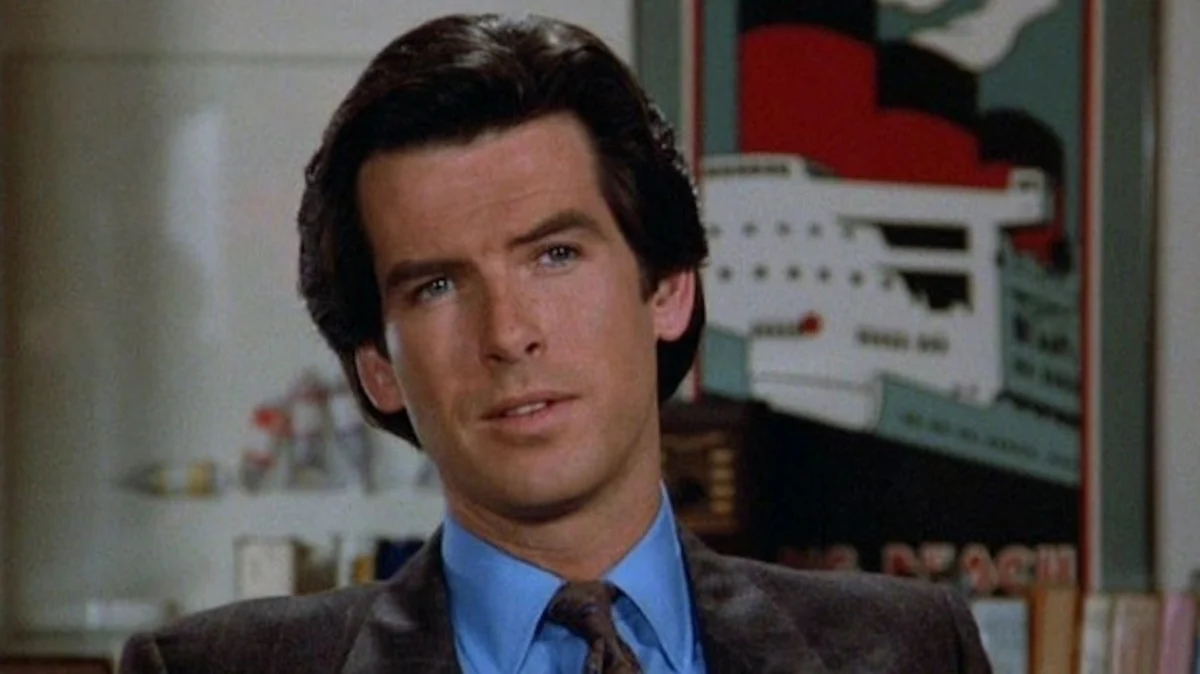
For many modern audiences, Pierce Brosnan is remembered as the quintessential suave secret agent, the man who brought a brooding, contemporary edge to the James Bond franchise during the late 90s. Yet, to view Brosnan’s career solely through the lens of 007 is to ignore the foundational chapter that cemented his status as a global heartthrob and a master of television dramedy. Before the tuxedo and the Walther PPK, there was the tailored suit and the quick-witted charm of Remington Steele.
The 1980s detective series, which ran on NBC from 1982 to 1987, serves as the essential missing link for any fan of the actor. It was here that Brosnan perfected the "Cary Grant-esque" blend of vulnerability, ladykilling confidence, and the rare ability to never take himself too seriously—a trait that would later define his most acclaimed post-Bond film work.
The Genesis: A High-Concept Premise for the 80s
Created by Robert Butler and Michael Gleason, Remington Steele arrived at a time when the television landscape was hungry for a new breed of private investigator. The show’s premise was deceptively clever: Stephanie Zimbalist starred as Laura Holt, a brilliant and highly capable private investigator who found that potential clients were consistently biased against hiring a woman.
To bypass this systemic sexism, Laura invents a fictional male superior, "Remington Steele," to act as the face of the agency. The ruse works perfectly until a mysterious, nameless con artist—played by an impossibly charismatic young Pierce Brosnan—steps into her office and assumes the identity of the man who doesn’t exist. This accidental partnership formed the core of the show’s dynamic: an intellectual power struggle wrapped in a slick, stylish procedural format.
Chronology: The Rise, The Bond Pivot, and The Resurgence
The history of Remington Steele is as dramatic as its scripted mysteries.
- 1982–1985 (The Golden Era): The show debuted to critical acclaim and strong audience retention. The chemistry between Brosnan and Zimbalist was electric, defined by a "will-they-or-won’t-they" tension that became the hallmark of 80s network television.
- 1986 (The Bond Complication): As the show entered its fourth season, rumors of Brosnan’s casting as the next James Bond reached a fever pitch. Roger Moore’s final outing in A View to a Kill left the franchise in a state of transition, and Brosnan was the clear frontrunner.
- The Cancellation and Rebirth: NBC initially canceled the series due to waning ratings. However, the announcement of Brosnan’s 007 casting caused an unexpected spike in interest. In a bizarre move, NBC reversed its cancellation, forcing Brosnan back for a fifth season of feature-length episodes.
- 1987 (The Final Curtain): With the Bond opportunity ultimately sidelined due to contract conflicts, the show’s momentum dissipated. By the time the final episodes aired, the magic had faded, and the series concluded, leaving behind a legacy that would take decades to fully appreciate.
The "Pre-Bond" Performance: Anatomy of a Star
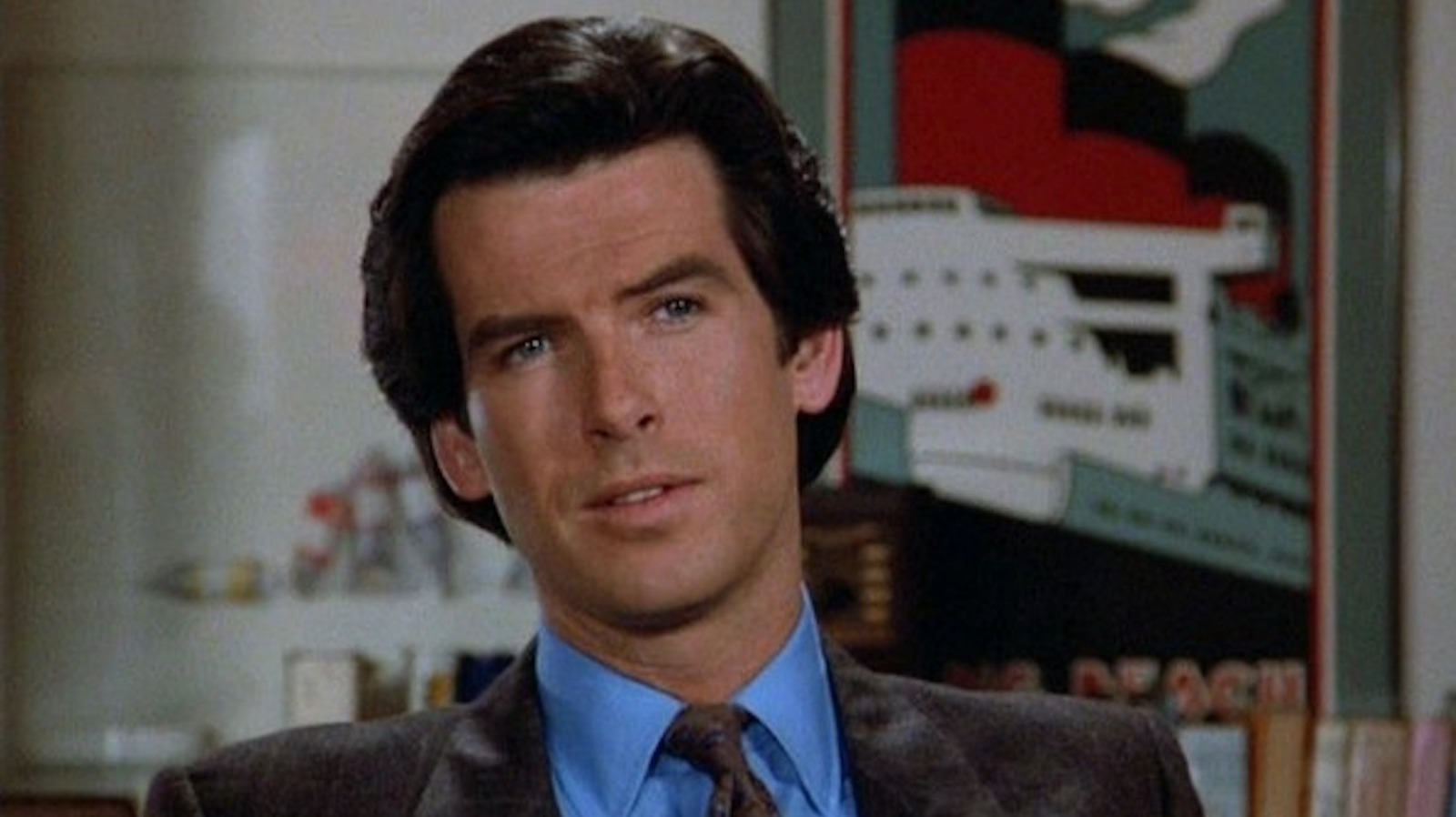
What makes Remington Steele essential viewing today is not the mystery-of-the-week format, but the performance at its center. Brosnan’s character was a thief by trade and a cinephile by nature—he often quoted classic films to navigate real-life situations. This allowed Brosnan to showcase a range that would later inform his roles in The Matador or The Ghost Writer.
The Chemistry Factor
While off-screen reports suggested that Brosnan and Zimbalist faced creative friction—a reality both actors later admitted to—this tension only served to sharpen their performances on camera. The snappy, rapid-fire banter between the two mimics the classic screwball comedies of the 1930s and 40s. It was a sophisticated departure from the grittier detective shows of the era, positioning the series as a bridge between the classic noir era and the modern prestige television we recognize today.
Supporting Data: Ratings, Reception, and The "Bond" Effect
During its peak, Remington Steele was a critical darling. It earned multiple Emmy nominations and was lauded for its sharp writing and innovative narrative structure. However, the data reveals a fascinating trend in how the "James Bond" association impacted the show’s lifespan.
When Brosnan was first tapped for the role of 007, his Q-rating surged. NBC’s decision to un-cancel the show in 1986 was a desperate attempt to capitalize on this fame. The subsequent viewership surge proved that the audience wasn’t watching for the detective cases—they were watching for the man who was about to become an international icon. Once the Bond deal fell through (due to the show’s contract-imposed exclusivity), the ratings collapse was swift, signaling the end of the line for the production.
Official Responses and Industry Implications
The handling of the Brosnan-Bond-Steele triangle remains a cautionary tale in Hollywood history. Network executives at the time were criticized for "doing Brosnan dirty," effectively holding his career hostage to preserve the show’s ratings.
In retrospective interviews, Brosnan has often spoken about the frustration of that era. "It was a strange time," he noted in various retrospectives. "I was a young actor just trying to find my footing, and suddenly I was the center of a tug-of-war between a network and the most coveted role in cinema."
The industry implications were profound. The ordeal highlighted the limitations of long-term network contracts and the way the "star system" could cannibalize an actor’s professional growth. Yet, looking back, the experience likely contributed to the gravitas and resilience Brosnan would later bring to his independent film projects.
Why You Should Watch (or Re-Watch) It Now
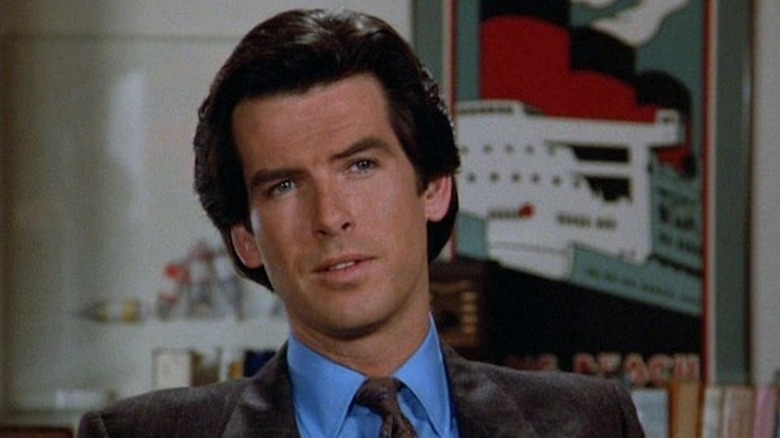
It is easy to dismiss Remington Steele as a relic of the 1980s, but it remains a masterclass in lead performance. Unlike many shows from the same period, it does not rely on a complex, overarching narrative; it is episodic, breezy, and infinitely watchable.
If you are a fan of Brosnan’s later, more nuanced work—his ability to play the charming cad in The Matador or the vulnerable patriarch in Mamma Mia!—you are seeing the seeds of those performances being sown in the streets of Los Angeles alongside Stephanie Zimbalist.
For those looking to explore the series today, it is currently accessible through streaming services like Fubo and Philo. It serves as a time capsule—not just of a decade, but of a young actor learning to balance the weight of stardom with the craft of performance. Brosnan may have become a legend as 007, but he became a star as Remington Steele. To ignore this series is to miss the true beginning of one of Hollywood’s most enduring and versatile careers.
Conclusion
The story of Remington Steele is the story of a missed opportunity for the network, but a lasting triumph for the viewer. It captured a fleeting moment where television was learning to be as smart as the movies, and where a young Pierce Brosnan was learning that he could carry an entire show on the strength of his charm alone. Whether you are a Bond completionist or a fan of classic detective fiction, Remington Steele is not just a show you should watch—it is the show that proves why Pierce Brosnan remains the legend he is today.










