

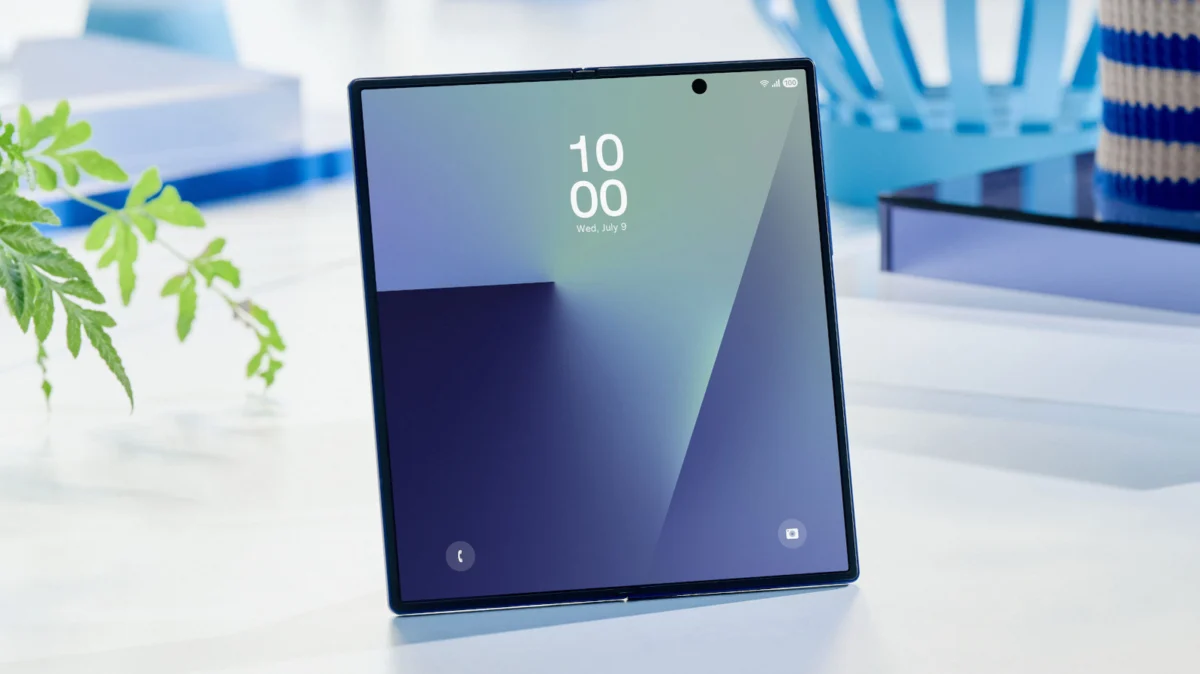
As the mobile industry converges on Seoul for the upcoming Samsung Galaxy Unpacked event on July 22, the spotlight is firmly fixed on a single, persistent problem that has plagued the foldable smartphone market since its inception: the crease. Samsung, the pioneer of the category, has finally pulled back the curtain on its solution. The introduction of "Flex Titanium" display technology marks a significant departure from previous iterations, promising a future where foldable screens are not only more durable but aesthetically seamless.
Main Facts: The Engineering Behind the Flex Titanium Leap
Samsung’s latest announcement centers on the debut of its Flex Titanium display architecture. Designed to integrate into the next generation of Galaxy Z Fold and Flip devices, this technology addresses the two primary weaknesses of current foldable displays: structural vulnerability and the persistent, visible depression at the hinge point.
The new system relies on a two-pronged approach involving specialized titanium alloy components. First, a high-stiffness titanium alloy film is positioned directly beneath the OLED panel. Samsung claims this film provides 20 times greater mechanical stiffness compared to previous protective layers. This enhancement is critical, as it protects the fragile organic light-emitting diode layer from the pressure of daily use, such as accidental drops or the localized stress of a finger tapping on the screen.
Beneath this film lies a redesigned titanium plate. This component acts as the structural spine of the display. Through a process Samsung calls "advanced hole processing," the plate features a micro-patterned design in the folding section. This configuration allows the screen to maintain the necessary flexibility to withstand thousands of folds while providing a rigid, flat surface when the device is fully extended. By eliminating air gaps between the module and its adhesive—a common culprit for screen degradation—Samsung has created a display that feels significantly more like a traditional glass slab than the flexible plastic-like surfaces of the past.
Chronology: Seven Generations of Iterative Innovation
The path to Flex Titanium was not built in a day. To understand the significance of this launch, one must look back at the arduous journey of Samsung’s foldable division.
- 2019: The Genesis. The original Galaxy Fold was an experiment in endurance, suffering from early hinge issues and a fragile screen protector that many users mistook for a removable film.
- 2020-2022: The Refinement Era. Samsung introduced "Ultra Thin Glass" (UTG), a breakthrough that replaced standard polyimide plastic with a flexible glass layer. While this improved tactile feel, the visible crease remained a structural necessity to prevent the glass from shattering.
- 2023: The Waterdrop Hinge. Samsung shifted to a "teardrop" hinge design, which allowed the screen to fold into a wider radius, slightly reducing the depth of the crease. However, the screen still exhibited a perceptible depression.
- January 2026: The CES Preview. At the Consumer Electronics Show, Samsung Display offered a tantalizing glimpse of the future. Attendees witnessed a "seamless" foldable prototype that effectively rendered the crease invisible, a direct contrast to the older models displayed alongside it.
- July 2026: The Leak and The Launch. Just weeks ago, leaked footage of the rumored Galaxy Z Fold 8 Ultra surfaced, appearing to validate the reports of a completely flat, crease-free display. This paved the way for the official announcement of the Flex Titanium tech, setting the stage for the July 22 Unpacked event.
Supporting Data: Why Titanium Matters
The transition to titanium is more than a marketing gimmick; it is a fundamental shift in materials science for mobile displays. Titanium alloys are renowned for their high strength-to-weight ratio and corrosion resistance. In the context of a folding device, the material offers a unique benefit: it can withstand the stress of "elastic deformation" (bending) without reaching its "yield point" (the point of permanent damage).
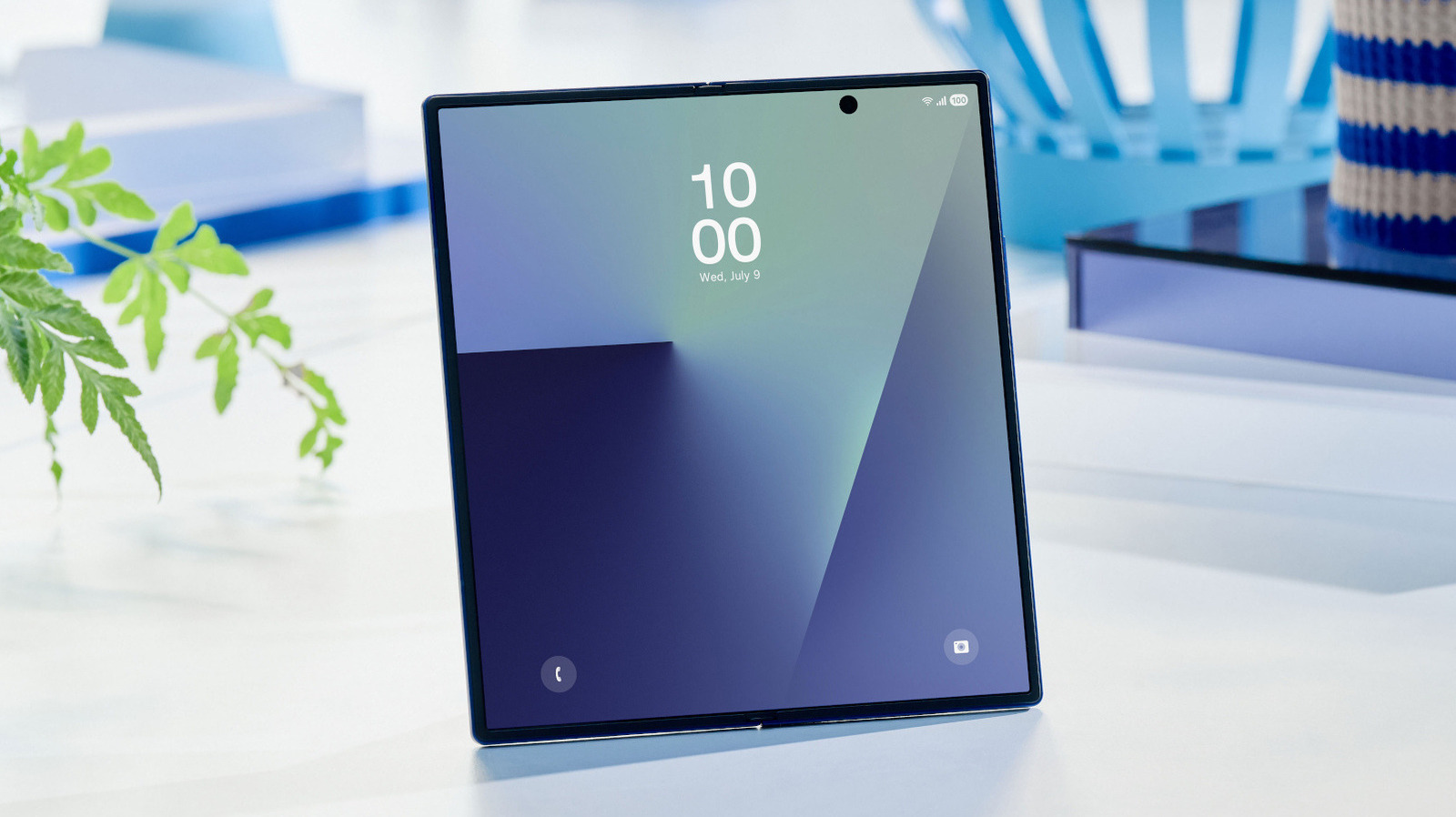
According to internal tests conducted by Samsung, the micro-patterned holes in the new titanium plate allow for a more uniform distribution of stress. In older designs, the center of the screen acted as a fulcrum, concentrating all force on a single line of the display. By spreading this force across the entire titanium plate, Samsung has effectively "de-stressed" the screen, allowing it to lay flatter and resist the "memory" effect that causes screens to stay folded even after being opened.
Industry analysts note that while the materials are more expensive to manufacture, the long-term benefit for Samsung is a reduction in warranty claims and screen replacements, which have historically been a high cost for the company’s foldable line.
Official Responses and Industry Context
Kyung-Jin Yoo, Executive Vice President for Samsung Display, has been the primary voice explaining the technological shift. "The integration of micro-patterned holes in the folding section of the titanium plate provides a perfect equilibrium between extreme flexibility and robust durability," Yoo stated during the press briefing.
The industry response has been cautiously optimistic. While competitors like Honor and Huawei have made strides in reducing crease visibility through their own proprietary hinge mechanisms, Samsung’s integration of titanium directly into the display stack is seen as a more holistic, "deep-tech" approach. By addressing the layers under the glass rather than just the hinge under the screen, Samsung is attacking the problem at its source.
Leaked videos of the upcoming Galaxy Z Fold 8 Ultra have already fueled massive speculation on enthusiast forums like Reddit and X (formerly Twitter). The consensus among tech reviewers is that if the final production units match the performance of the CES prototypes, Samsung will have successfully neutralized the primary consumer argument against buying a foldable device.
Implications: The Future of the Foldable Market
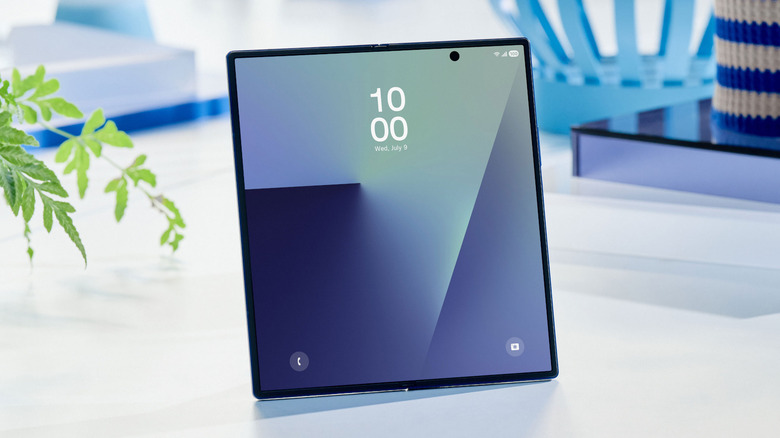
The implications of the Flex Titanium launch extend far beyond the Galaxy Z Fold 8 series. By solving the durability and aesthetics issues, Samsung is positioning the foldable form factor to move from a niche "early adopter" product to a mainstream standard.
1. Market Penetration
For years, the "crease" has been the visual indicator that a phone is "experimental." By removing this indicator, Samsung is essentially "normalizing" the foldable. This is expected to drive higher adoption rates among corporate users and those who have previously avoided foldables due to concerns about long-term longevity.
2. Design Versatility
The success of this display technology could pave the way for even thinner and lighter devices. If the structural integrity is handled by the titanium plate rather than the bulk of the hinge, engineers have more room to slim down the chassis, potentially bringing the Z Fold series closer to the thickness of a standard smartphone.
3. Competitive Pressure
Competitors are now on notice. The "crease-free" standard is no longer a "nice-to-have"—it is a baseline requirement. Brands that cannot replicate this level of durability and visual smoothness will likely struggle to compete in the premium segment, forcing a rapid acceleration of R&D across the entire smartphone industry.
4. The Sustainability Angle
Increased durability is inherently a sustainability win. A device that is less prone to screen damage, and therefore stays in the user’s hands for longer, aligns with the growing consumer demand for electronics that do not need to be replaced every 18 to 24 months.
Conclusion
As we look toward the July 22 Unpacked event, the narrative surrounding Samsung is shifting from one of "evolutionary updates" to "foundational engineering." Flex Titanium represents the culmination of seven years of trial and error. If the technology performs as effectively in mass production as it has in controlled demonstrations, Samsung will have successfully conquered the physical limitation that defined the first generation of foldables.
The crease, once the most visible flaw of the foldable revolution, is finally becoming a relic of the past. For Samsung, the goal is simple: to make the most advanced screen technology in the world feel as natural and reliable as the glass displays we have been using for decades. On July 22, the world will finally see if the era of the seamless fold has truly arrived.











