

Price: £49.99
Developer: Turtle Rock Studios
Publisher: Warner Bros. Interactive Entertainment
Platforms: PC, PS5, Xbox Series X/S, PS4, Xbox One
When Turtle Rock Studios announced Back 4 Blood, the gaming community held its breath. As the original architects behind the genre-defining Left 4 Dead, the developer was tasked with a Herculean challenge: modernizing a formula that had remained untouched in its perfection for over a decade. Early impressions suggested a title struggling under the weight of its own ambition—a "confusing mess" of systems that seemed to obscure the simple, visceral joy of mowing down hordes. However, after extensive play, it becomes clear that while Back 4 Blood is not the seamless, pared-down experience its predecessor was, it is a complex, tactical, and ultimately rewarding evolution of the cooperative zombie shooter.
The Core Premise: A Familiar Nightmare
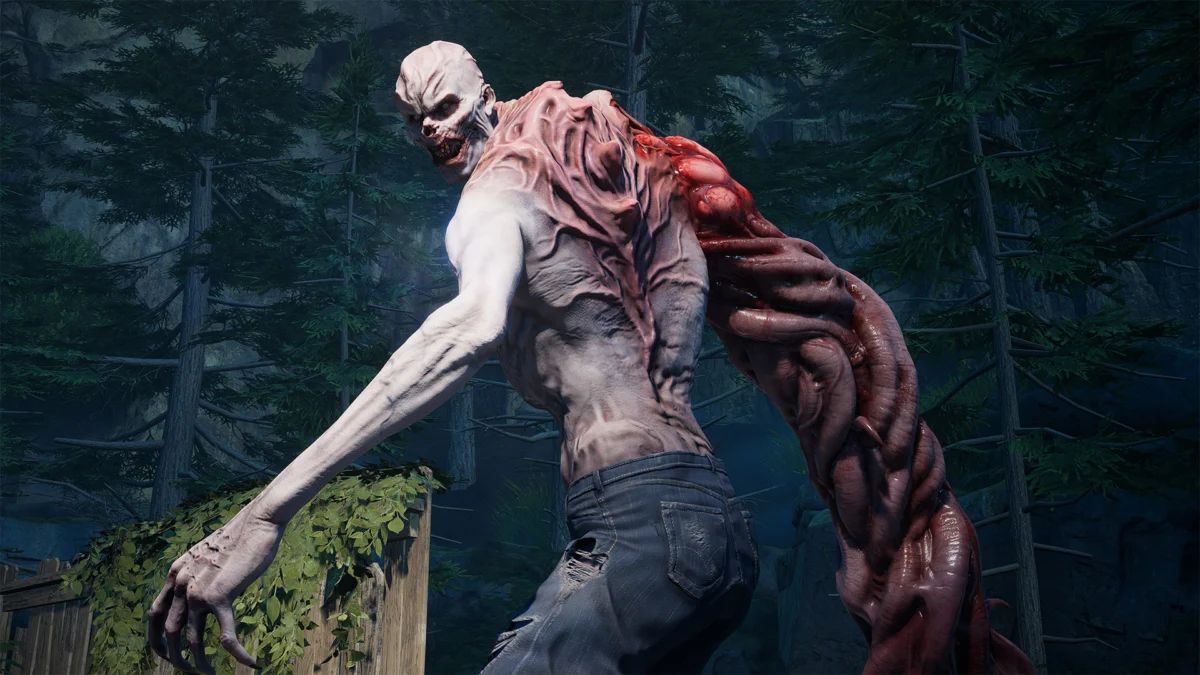
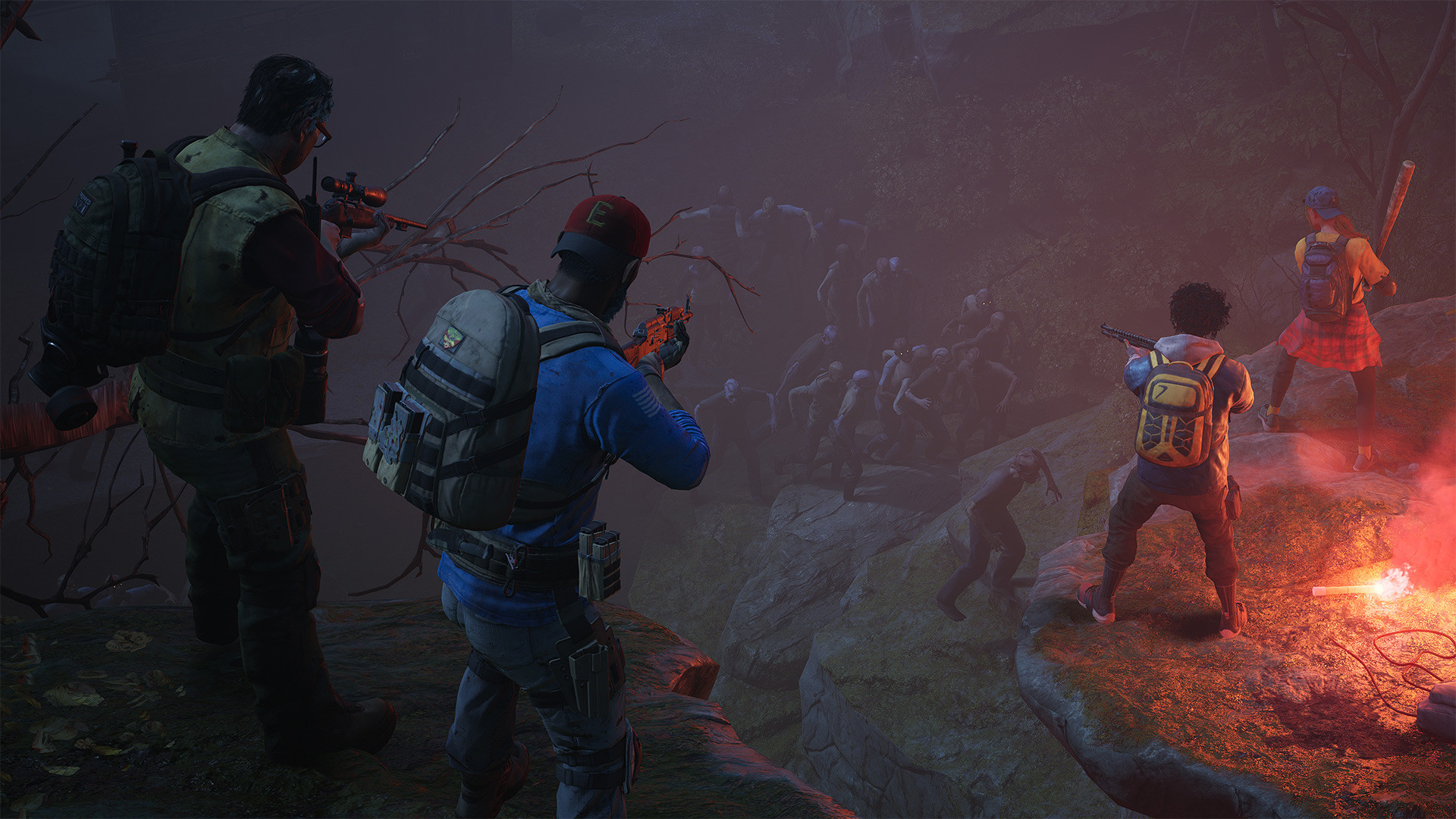
At its heart, Back 4 Blood follows a well-trodden path. Players assume the role of "Cleaners," a band of survivors navigating a post-apocalyptic landscape overrun by the "Ridden"—a host of infected creatures that act as a thinly veiled homage to the zombies of yore. The gameplay loop remains fundamentally rooted in the Left 4 Dead philosophy: groups of up to four players must fight their way from one fortified safehouse to the next, while an unseen "Game Director" AI orchestrates the chaos, spawning waves of enemies and elite, mutated threats designed to break even the most coordinated squads.
However, where Left 4 Dead was a masterclass in minimalist design, Back 4 Blood is an exercise in maximum density. It is a game stacked with "bells and whistles" that initially feel overwhelming. From intricate weapon attachment systems and character-specific perks to a robust, deck-building card mechanic, the game demands a significant cognitive load from the player before they even fire their first shot.
A Chronology of Confusion: The New Player Experience
The onboarding process in Back 4 Blood is arguably its weakest link. For a veteran of the genre, the first two hours are often characterized by a sense of bewildered frustration. In the original Left 4 Dead, the objective was intuitive: pick up a weapon, shoot the infected, and move forward. In Back 4 Blood, the player is introduced to a deluge of systems:
- The First Hour: Players are dropped into a campaign that feels visually murky and somewhat indistinct, lacking the gritty, cinematic film-grain charm that made Left 4 Dead iconic.
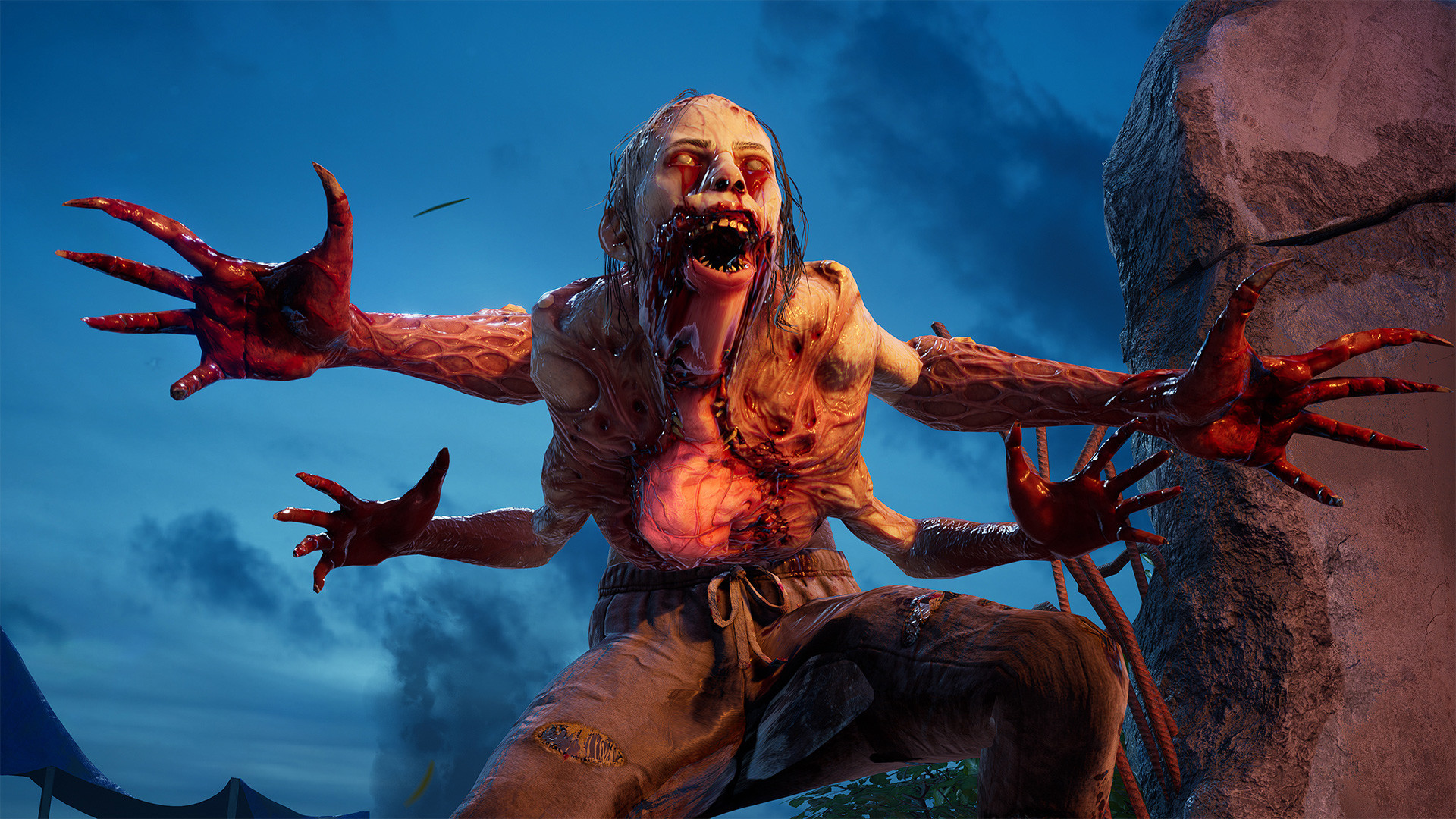
- The Second Hour: The realization sets in that the "Cleaners" lack the immediate, punchy camaraderie of their predecessors, and the Special Ridden often blur into indistinguishable, fleshy blobs.
- The Third Hour: The confusion regarding "Corruption Cards," "Supply Lines," and weapon attachment economy begins to clear. It is only here, after the initial barrier to entry is breached, that the game’s true depth begins to surface.
Supporting Data: Tactical Evolution and Weaponry
Despite the initial hurdles, the mechanical foundation of Back 4 Blood is exceptional. The gunplay is punchy, tactile, and rewarding. The heavy pistols—specifically the Desert Eagle and the Magnum—provide a satisfying, heavy recoil that makes precision play feel meaningful.
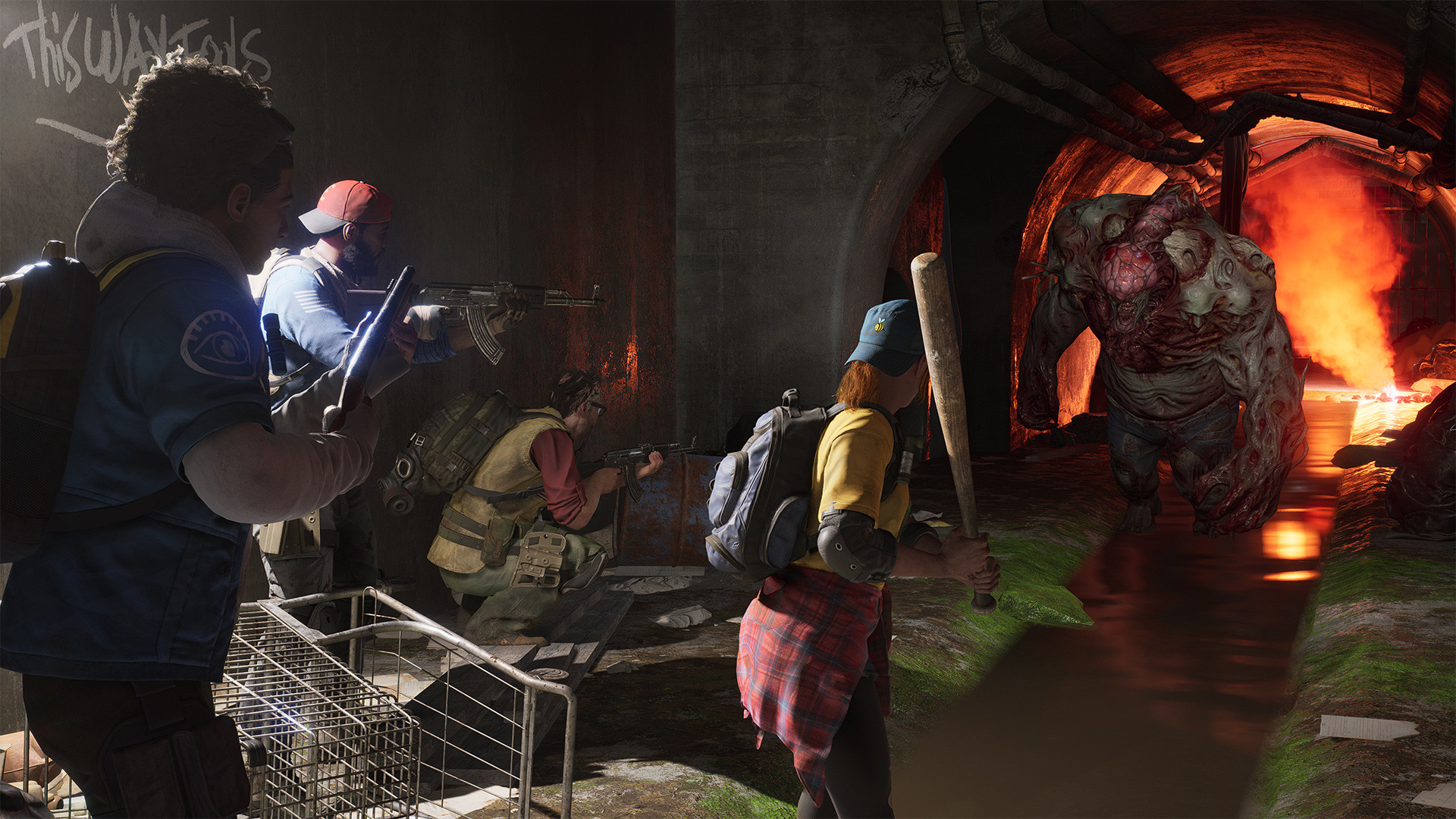
Furthermore, the game’s approach to logistics encourages team cohesion. The separation of ammo types by weapon class forces players to communicate, share resources, and think strategically about their loadouts rather than simply grabbing the first gun they find. This emphasis on tactical cooperation is where the game begins to distinguish itself from the "run-and-gun" style of its predecessor.
The Deck-Building Mechanic
The most significant departure from the classic formula is the card-based progression system. Players build decks of cards that provide passive buffs, such as increased health, faster reload speeds, or unique combat abilities like healing on melee kills.
- Strategic Depth: Players must choose their cards carefully, as the order in which they are drawn dictates the flow of power during a run.
- Role Specialization: By combining cards, players can effectively build a "tank," a "medic," or a "scout," allowing for a level of role-playing depth that was entirely absent in the genre’s ancestors.
Official Responses and Development Philosophy
Turtle Rock Studios has maintained that the increased complexity of Back 4 Blood was a deliberate choice aimed at providing long-term replayability. By extending the length of the "Acts"—which can span 5 to 6 hours each—the developers intended to give the card system enough runway to truly alter the player experience.
While the studio has not officially addressed the pacing complaints, their design documents highlight a commitment to "emergent gameplay." By introducing random events like thick fog or environmental hazards (such as birds that trigger hordes), they have moved away from the static, scripted encounters of the past toward a more dynamic, unpredictable environment.
Implications: The Scaling Challenge
The most pressing implication of Back 4 Blood’s design is the imbalance in player scaling. The game is clearly tuned for a four-player experience, yet it often fluctuates between being impossibly chaotic and surprisingly manageable:
- The Two-Player Sweet Spot: Anecdotal evidence from reviewers suggests the game is at its best with two human players. The chaos remains controlled, and the coordination is manageable.
- The Four-Player Overload: With a full lobby, the Game Director often spawns an overwhelming number of Special Ridden, leading to a frantic, sometimes confused experience that can feel less like a tactical shooter and more like a screen-cluttered brawl.
- The Solo Experience: Playing solo with AI bots is a vastly different experience. The AI bots in Back 4 Blood are remarkably competent—often outperforming human teammates—making the game significantly easier and, perhaps, less rewarding for those seeking a true challenge.
Furthermore, the pacing of the Acts is a point of contention. While the length allows for deep deck experimentation, it makes the game difficult to consume in shorter, "bite-sized" sessions. A 5-hour campaign commitment is a heavy lift for the average player, and the game would arguably benefit from more, shorter chapters that allow for a more varied progression rhythm.
Conclusion: A Worthy Successor
Back 4 Blood is not the polished, minimalist masterpiece that Left 4 Dead was. It is a different beast entirely—a dense, sometimes cumbersome, but ultimately fascinating evolution of the co-op shooter.
It is a game that demands patience. It requires the player to learn its systems, curate their decks, and embrace the tactical nuances of its combat. While it struggles with visual identity and pacing issues that can make it feel like a slog at times, the core combat is undeniably fun. The sense of growth as your deck evolves and your squad settles into a rhythm is deeply satisfying.
Is it a perfect replacement for the nostalgia of the past? No. But by successfully pivoting toward a more complex, RPG-adjacent structure, Back 4 Blood has carved out its own niche. It is a game that respects the intelligence of its players, rewarding those who take the time to peel back its layers of complexity. For those willing to overlook the initial confusion and the occasional pacing drag, Back 4 Blood offers one of the most robust and tactical cooperative experiences currently available on the market. It is not just a retread; it is a bold, albeit imperfect, step forward for the genre.











No comments yet. Be the first to join the conversation!