Basiran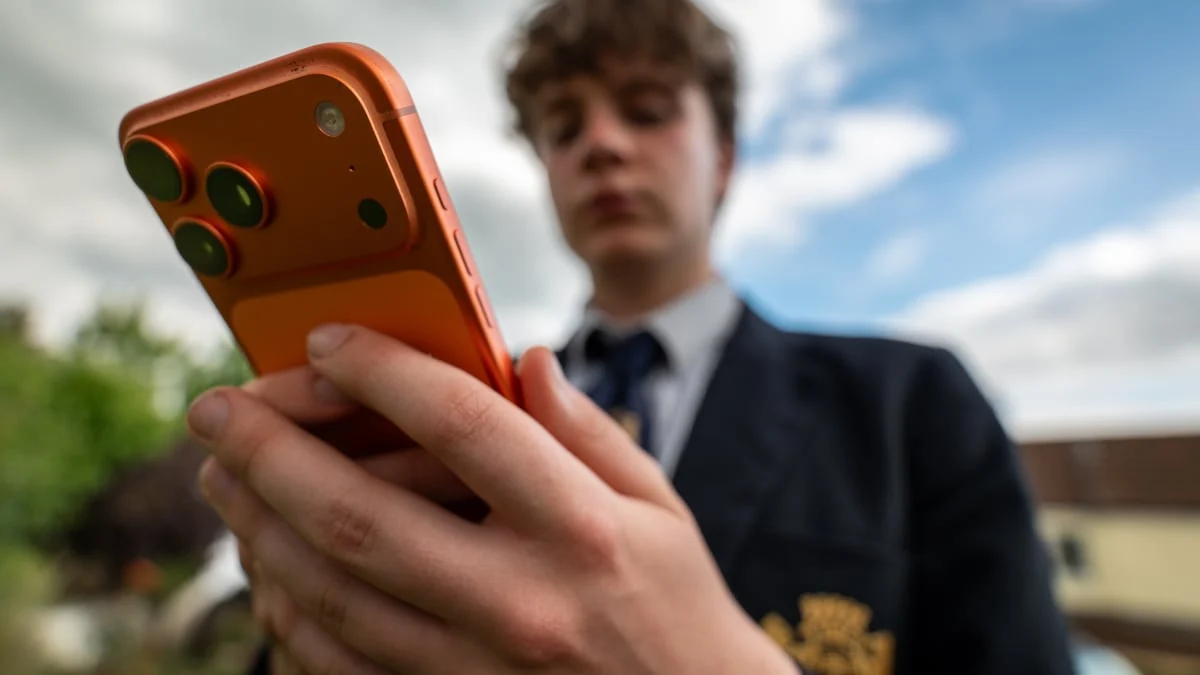
In an increasingly digitized landscape, the United Kingdom government is moving toward a bold, if contentious, new frontier in youth protection. Following the recent implementation of the Online Safety Act and a broader push to restrict social media access for minors, officials have unveiled plans to implement a “social media curfew” for teens aged 16 and 17. The proposal, which would effectively silence platforms like Instagram and YouTube during the overnight hours, represents one of the most aggressive state-led interventions into private digital life in the Western world.
The Core Proposal: Midnight to Dawn Restrictions
The proposed curfew is designed to operate between the hours of 12:00 a.m. and 6:00 a.m. The rationale, according to government spokespeople, is rooted in the protection of adolescent mental health, sleep hygiene, and the mitigation of exposure to harmful algorithmic content that often proliferates during late-night hours.
While the specifics of the enforcement mechanism remain in development, the policy implies a mandate for tech giants to impose software-level restrictions on accounts identified as belonging to 16- and 17-year-olds. Crucially, the government has hinted that the system will feature an "opt-out" mechanism, acknowledging the complexities of individual household needs and parental discretion. However, the exact technical hurdles—such as how a platform verifies that a user is, in fact, an adolescent and how it manages the bypass process—remain subject to intense technical and legal scrutiny.
A Chronology of Escalating Regulation
To understand the current proposal, one must look at the rapid acceleration of UK tech policy over the past eighteen months.
- July 2025: The Online Safety Act officially enters force, marking a watershed moment in the UK’s regulation of digital spaces. The act mandates strict age-verification protocols for content classified as "adult-restricted," including pornography and high-risk forums.
- Late 2025: Australia captures global headlines by enacting a nationwide ban on social media for children under 16. This move serves as a catalyst for legislative momentum in the UK and the European Union.
- Early 2026: The European Union signals its own intent to restrict social media access for children under the age of 13, further solidifying a global trend toward state-mandated digital boundaries.
- Present Day: The UK government expands its regulatory scope, moving from simple content-blocking to temporal restrictions (the curfew) for older teens, bridging the gap between child safety and young adult autonomy.
The Mechanics of the Online Safety Act
The backbone of this new initiative is the existing Online Safety Act. Initially marketed as a tool to protect children from illegal content and cyberbullying, the legislation has evolved into a comprehensive framework that forces companies to take responsibility for the "duty of care" they owe their users.
Under the Act, platforms are required to implement robust age-assurance technology. This has created a massive administrative and technical burden for companies like Meta, ByteDance, and Alphabet. The challenge lies in the "grey area" of digital identity: how to prove a user’s age without compromising user privacy or creating a massive centralized database of biometric data that could be targeted by hackers.
Official Responses and the VPN Dilemma
One of the most persistent criticisms of the UK’s digital regulations is the prevalence of "circumvention behaviors." Many users, particularly tech-savvy teens, have turned to Virtual Private Networks (VPNs) to mask their location and bypass age-verification protocols.
Earlier in the legislative cycle, there was significant debate regarding an outright ban on VPNs for minors. However, Kanishka Narayan, the UK’s online safety minister, recently signaled a tactical retreat on this front. During an appearance on BBC Breakfast, Narayan stated, "We have decided not to limit VPNs today… that’s the primary conclusion for now." The decision was backed by government-commissioned research suggesting that, while VPNs are technically capable of bypassing restrictions, they are not currently being used by children at a scale that would render the entire Online Safety Act ineffective.
Nevertheless, the government remains vigilant. "Britain is already going to be the most robust place in the world when it comes to regulating these platforms," Narayan asserted, emphasizing that the government intends to limit other addictive design features, such as "infinite scroll" and aggressive autoplay functions, which contribute to extended nocturnal usage.
The Skeptics: Is the Policy "Piecemeal"?
While the government frames the curfew as a necessary public health intervention, the policy has met with significant pushback from child advocacy groups. Critics argue that these measures are reactive rather than proactive, and that they fail to address the systemic issues inherent in the platforms themselves.
Andy Burrows, chief executive of the Molly Rose Foundation—an organization dedicated to suicide prevention among youth—has been particularly vocal. In a recent interview, Burrows described the curfew as "yet another piecemeal set of announcements."
"We need a comprehensive plan for children’s safety, not just a series of isolated restrictions," Burrows noted. The argument here is that by focusing on a 12:00 a.m. to 6:00 a.m. window, the government is essentially putting a "band-aid" on a much larger wound. Critics suggest that if these platforms are fundamentally harmful to developing brains, restricting their use for six hours a night does little to mitigate the dangers they pose during the other eighteen hours of the day.
Global Context and the Question of Efficacy
The UK is not operating in a vacuum. As noted, Australia’s December 2025 ban on social media for under-16s provides a natural experiment for the efficacy of such laws. Early studies emerging from Australia have been discouraging for proponents of strict bans; data suggests that the laws have been largely ineffective, with the vast majority of under-16s finding simple ways to log onto platforms, whether through secondary accounts, VPNs, or simply ignoring the terms of service.
This raises a fundamental question for UK policymakers: Will the curfew be an enforceable law, or will it be a "policy of intent" that is easily ignored by the very demographic it seeks to protect? If the Australian experience is any indicator, technology—specifically the ingenuity of young users—often moves faster than the legislative process.
Implications for the Future of the Internet
The implications of this curfew extend far beyond the borders of the UK. We are witnessing the slow death of the "open internet" model, replaced by a "gated" architecture where user rights and access are determined by age, location, and parental consent.
1. The Burden on Tech Platforms
For companies like Instagram and YouTube, the UK’s regulations represent a massive operational shift. They are being forced to build "UK-specific" versions of their apps, which may lead to a fragmented digital experience. If every country adopts its own version of a "curfew" or "age-check," the global nature of these platforms could collapse into a series of localized, heavily regulated silos.
2. The Impact on Youth Autonomy
Sociologists are already questioning the impact of such bans on adolescent development. The "digital public square" is where modern teens socialize, discover interests, and form identities. By legislating the hours of access, the state is effectively intervening in the social development of the youth. While the protection of sleep and mental health is a valid government objective, the paternalistic tone of the legislation has sparked a broader debate about the limits of state power in the digital age.
3. The Future of Surveillance
To enforce a curfew, platforms must know who their users are. This creates a perpetual tension between safety and privacy. To keep a 16-year-old off Instagram at 2:00 a.m., the platform must essentially "monitor" that user 24/7. This necessitates a level of data collection that, in any other context, would be viewed as an invasive breach of privacy.
Conclusion: A New Social Contract
The UK government’s plan for a teen social media curfew is a testament to the urgency of the current mental health crisis among young people. It acknowledges that the digital environment has become a hostile space for many, characterized by addictive design patterns and exposure to harmful content.
However, as the debates in the UK and beyond have shown, there is a yawning gap between the desire to protect children and the ability to do so effectively through legislation. As the government continues to refine its approach, the focus will likely shift from "banning" to "designing." The future may not lie in turning off the internet at midnight, but in forcing tech companies to fundamentally change the way their algorithms operate at all hours of the day.
For now, the teens of the UK remain in a state of regulatory limbo—caught between a government trying to reclaim their attention and a digital ecosystem that is designed to hold it at all costs. The coming months of consultation will determine whether this curfew becomes a landmark for child safety or a symbolic gesture that fails to keep pace with the realities of the modern, connected world.


 Siti Muinah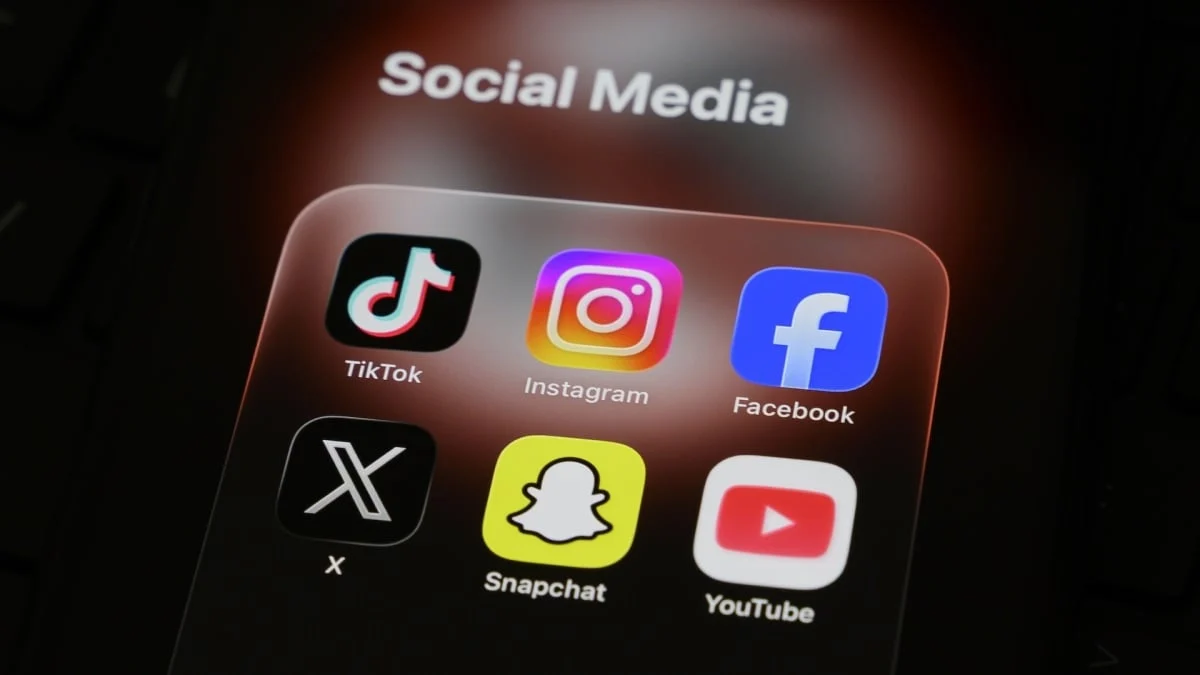
 Nana Wu