Ammar Sabilarrohman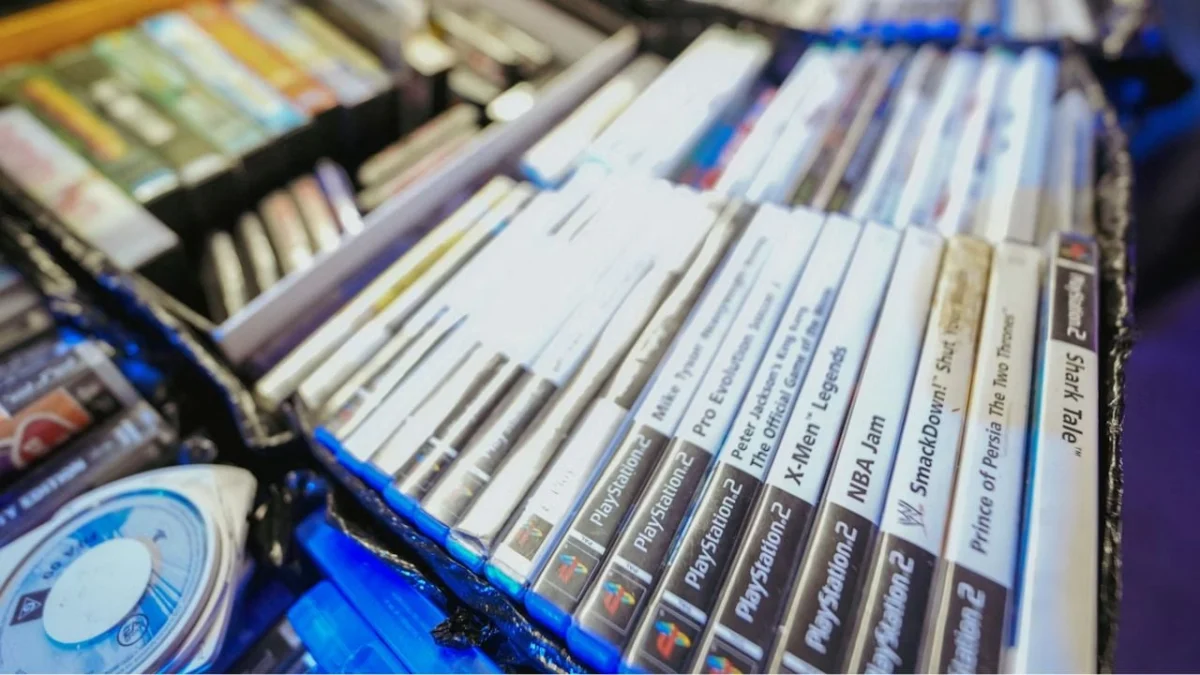
In an era where the concept of "ownership" in the gaming industry is increasingly under siege, a quiet but profound conflict is unfolding between major console manufacturers and the preservation-minded gaming community. As hardware costs climb and the specter of "digital-only" futures looms, PC storefront GOG has emerged as a vocal champion for consumer rights. By encouraging users to bypass centralized storefronts and take ownership of their own media, GOG is positioning itself as the antithesis to the industry-wide drift toward ephemeral, service-based gaming.
The Shrinking Landscape of Physical Media
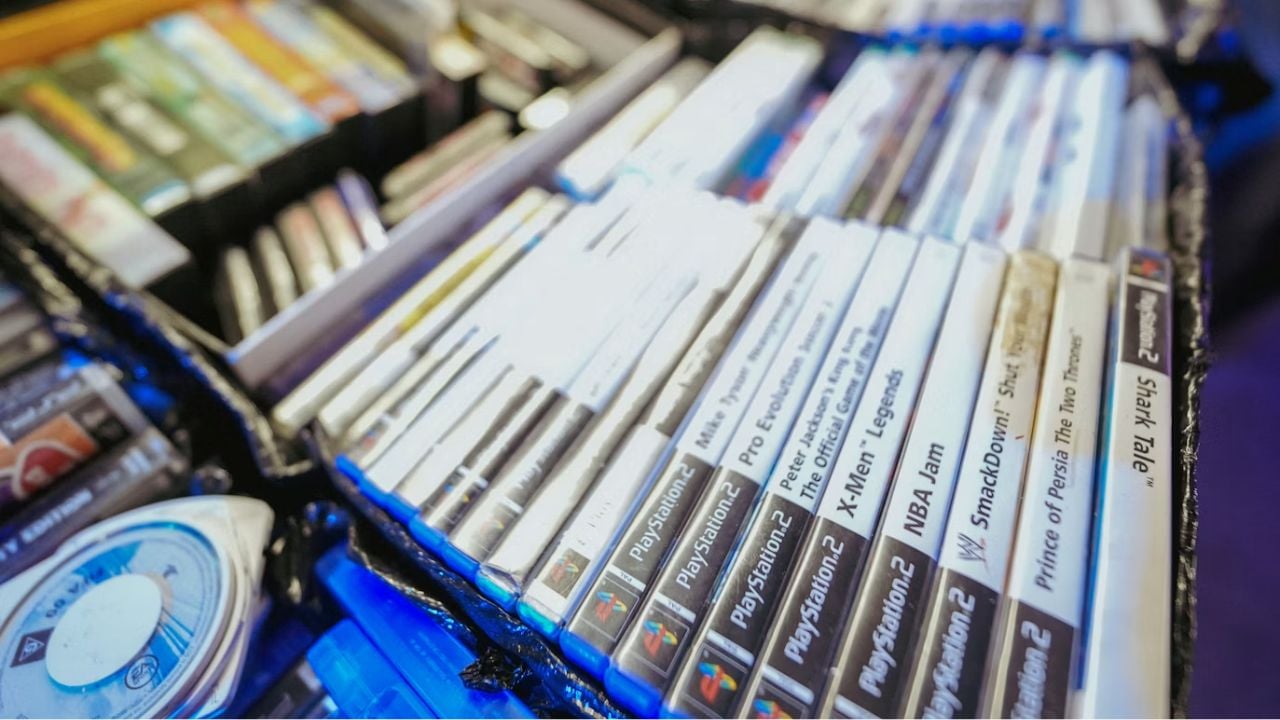
For decades, the physical disc—or cartridge—served as the cornerstone of the gaming hobby. It represented a tangible asset, a license to play that could be traded, gifted, or resold. However, the industry has spent the last decade aggressively pivoting toward digital ecosystems. This shift is driven by a desire for higher margins, the elimination of the secondary market, and the total control of software lifecycles.
The anxiety among collectors reached a fever pitch following industry reports—most notably involving Sony’s strategic roadmap—suggesting a move toward the complete cessation of physical game production by 2028. For many, this is not merely a logistical shift; it is an existential threat to gaming history. When a storefront decides to pull a game, or when a server is decommissioned, digital-only titles often vanish into the ether, leaving the consumer with nothing.
In this climate, GOG (formerly Good Old Games) has leaned into its long-standing reputation as a DRM-free (Digital Rights Management) haven. In a recent, pointed message shared on social media, the platform reminded its user base of a fundamental truth: "Download the offline installer of any of your games on GOG, save it to a disc, and it’s yours forever. You don’t need a storefront’s permission to play what you bought."
Chronology of a Digital Divide
To understand the current tension, one must look at the progression of the digital landscape:
- The Early 2000s (The Rise of Digital): Platforms like Steam revolutionized distribution, prioritizing convenience over the tactile nature of physical discs.
- The Mid-2010s (DRM Normalization): As internet speeds increased, mandatory "Day One" patches and always-online requirements became standard, effectively rendering physical discs incomplete without server authentication.
- 2020–2023 (The Hardware Crunch): The global semiconductor shortage forced prices for consoles and peripherals upward, making the investment in physical media more expensive than ever.
- 2024–2026 (The "Digital-Only" Pivot): Major manufacturers began signaling the end of physical manufacturing, citing environmental concerns and distribution costs. Simultaneously, live-service game closures—such as the shuttering of The Crew—demonstrated the fragility of digital ownership.
- July 2026: GOG’s public stance against the "storefront permission" model marks a formal escalation in the discourse between consumer-focused preservationists and the mainstream publishing giants.
The GOG Methodology: Autonomy vs. Authorization
The core distinction between GOG and its competitors, such as Steam or the Epic Games Store, lies in the architecture of the purchase. On most platforms, the "buy" button is actually a lease. You are purchasing a revocable license to access a game through that platform’s specific client. If the platform goes offline, or if your account is banned, your library becomes inaccessible.
GOG offers a "downloadable offline installer" for every game in its catalog. This file is self-contained. It does not require a secondary launcher, nor does it require an internet handshake to verify ownership every time the game is booted. By downloading these installers and burning them to physical media—or storing them on external cold-storage drives—the player effectively removes the "middleman."
As noted by GamesRadar and other industry analysts, this puts the power of preservation back into the hands of the consumer. It mirrors the era of physical media, where the software was truly "owned" by the user. While GOG is a digital storefront, it is the only one that treats its digital files as a medium for permanent ownership rather than a tethered service.
Supporting Data: The Cost of Disappearing Games
The necessity for GOG’s approach is backed by sobering statistics. According to data from the Video Game History Foundation, an estimated 87% of classic video games are currently commercially unavailable. They exist in a state of "abandonware," where they cannot be purchased legitimately because the rights holders have no interest in maintaining the digital storefronts where they once lived.
Furthermore, the "live-service" model has exacerbated this issue. In 2024 alone, several high-profile titles were rendered unplayable upon the closure of their publisher’s servers. When a game is tied to an online architecture that the developer has no incentive to maintain, the lifespan of that product is finite.
GOG’s model mitigates this by providing "DRM-free" versions that are inherently future-proof. Because these installers do not rely on server-side authentication, they remain functional indefinitely, regardless of whether GOG as a company exists in the future.
Official Responses and Industry Silence
The industry’s reaction to GOG’s stance has been, predictably, one of silence. Major publishers are currently locked in a "race to the bottom," seeking to maximize recurring revenue through digital subscriptions and microtransactions. Acknowledging the merits of DRM-free, ownership-based gaming would undermine the very foundations of the modern "Games as a Service" (GaaS) model.
However, the consumer response has been overwhelmingly positive. The GOG social media campaign triggered a wave of discussion across forums like Reddit and ResetEra, where users are sharing guides on how to properly back up their libraries. This grassroots movement suggests that the "silent majority" of gamers is beginning to realize that the convenience of digital storefronts is being traded for a loss of long-term control.
Implications: The Future of Gaming Preservation
The implications of this divide are far-reaching. If the industry continues its trajectory toward digital-only, the responsibility of preserving the medium will fall entirely on the shoulders of the community and independent archivists.
1. The PC vs. Console Disparity
While GOG offers a solution, it is restricted to PC gaming. Console gamers, who are locked into proprietary ecosystems (PlayStation, Xbox, Nintendo), do not have the same luxury of "offline installers." This creates a widening gap where PC gaming remains a bastion of ownership, while console gaming becomes an ephemeral subscription service.
2. The Rise of "Archival Gaming"
We are likely to see a rise in third-party archival tools and community-driven projects. Just as collectors today hunt for rare cartridges, future collectors may hunt for "offline installer" archives. The act of "burning a disc" to save a game is no longer a retro hobby; it is becoming a necessary defensive measure for the modern collector.
3. Regulatory Pressure
There is mounting pressure from international consumer rights groups to redefine "purchase" in the digital age. If a company sells a product as a "purchase," consumers are increasingly arguing that it should function like a purchase—permanently and independently of the seller’s future status.
Conclusion: Reclaiming the Library
The push by GOG to encourage users to create their own physical copies of digital purchases is a radical act in a world that prefers its software to be "on-demand." It is a reminder that gaming is a cultural medium worthy of preservation, not just a service to be consumed and discarded.
While it does not solve the inherent issues of live-service game failures or the lack of cross-platform support, it provides a blueprint for what a sustainable, consumer-friendly industry could look like. For now, the power rests with the players. By choosing to patronize platforms that respect the longevity of the software, and by taking active steps to store their digital libraries, gamers can ensure that the games they love today will still be playable tomorrow—regardless of what the storefronts decide.
In the final analysis, the battle is not just about discs versus downloads; it is about the right to own our digital history. As the industry marches toward a future that looks increasingly temporary, GOG’s call to action serves as a vital safeguard for the future of gaming.

 Sagoh
Sagoh