Raul Delapena Setiawan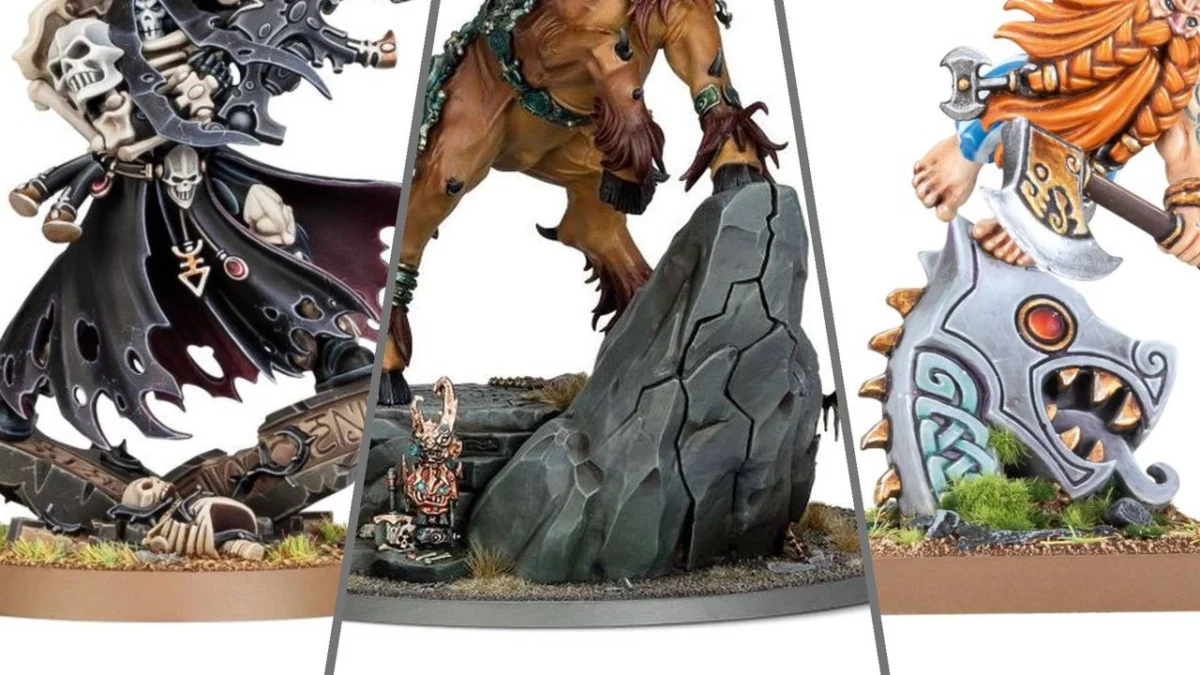
In the world of tabletop miniature wargaming, the base of a model is meant to be a foundation—a literal and figurative platform for the character standing upon it. For decades, it was a simple patch of synthetic grass or a bit of painted sand. However, in recent years, a design phenomenon has taken over the industry, specifically within the expansive catalog of Games Workshop’s Warhammer franchise: the "Tactical Rock."
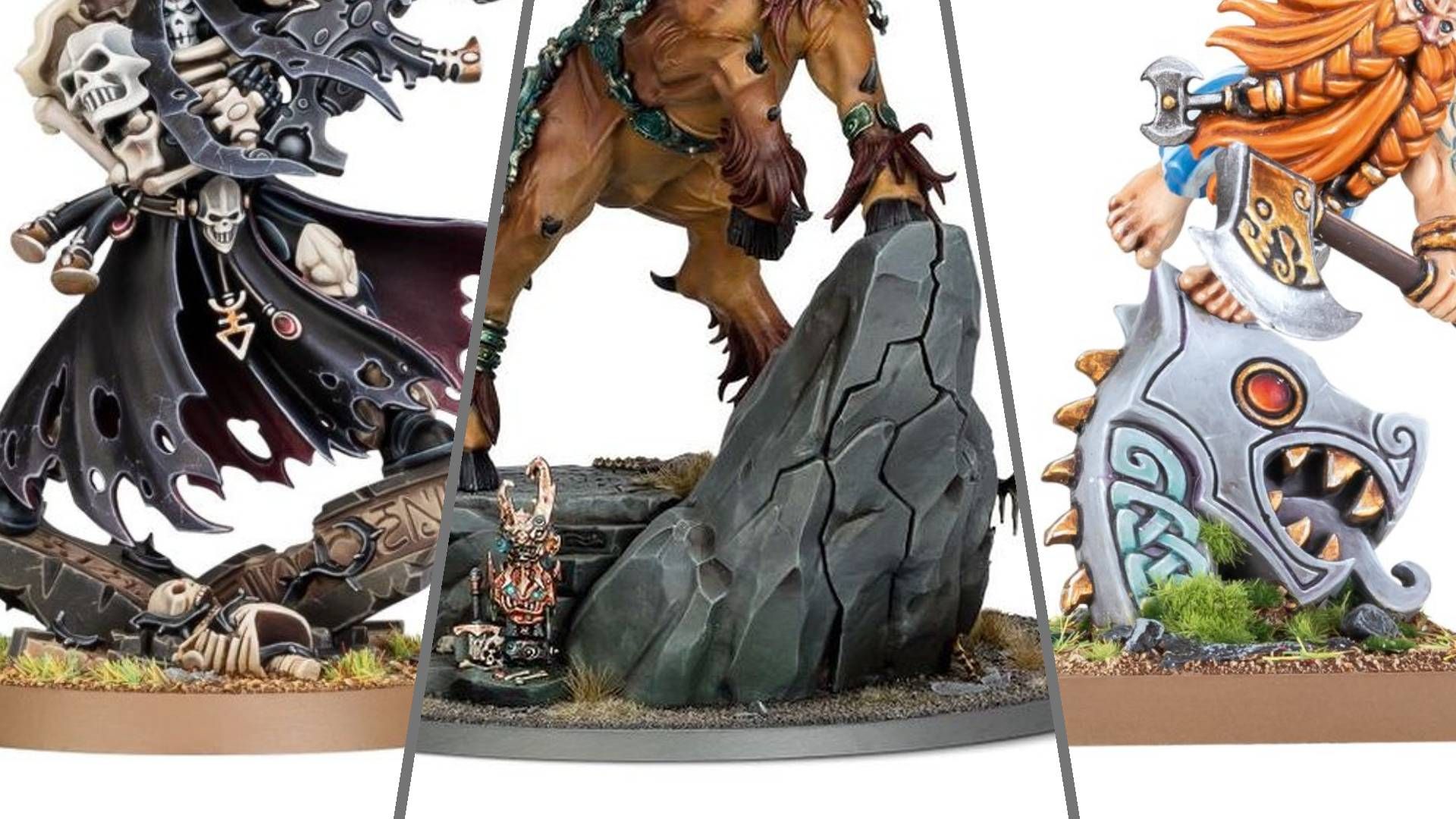
What began as a subtle, practical design choice to add visual flair to a miniature has evolved into an architectural obsession. From Dwarfs standing on shattered statues to Aeldari Phoenix Lords straddling multiple outcroppings, the tactical rock has become an unavoidable, often absurd, fixture of modern hobbying.
A Brief Chronology: From Realism to Ruin
The history of the tactical rock is a transition from utility to excess. In the early days of miniature manufacturing, sculptors needed a way to make certain models stand out. A character—the general of an army or a unique hero—needed to be recognizable across a crowded gaming table.
Initially, the methods were grounded in narrative logic. A soldier might have one foot resting on a fallen enemy’s helmet, or a creature might be attached to a small rocky outcrop to simulate a jumping motion or flight. These early iterations were subtle, serving the pose rather than dictating it.
However, the late 2000s and early 2010s marked a shift. As production technology transitioned from traditional hand-sculpting to advanced 3D digital design, the level of detail possible on a base increased exponentially. The "tactical rock" moved from being an accessory to being a structural necessity. By the time of the 2012 release of characters like Orikan the Diviner, the rock had become a standard feature.
Over the last decade, the trend accelerated. Manufacturers began including intricate ruins, pipes, twisted metal, and literal mountains of rubble on bases. Today, the tactical rock has reached a point of self-parody, with companies like Corvus Belli even selling standalone "tactical rock" kits—playfully named after celebrities like Dwayne "The Rock" Johnson—for players to slap onto their own models.
The Structural Implications: Fragility and Storage
The proliferation of these elaborate bases carries significant implications for the tabletop gamer. While these models look impressive in professional photography, they present practical hurdles for the average hobbyist.
Fragility and Maintenance
Most of these "tactical" additions are made of plastic or resin, often connected to the model by thin, delicate points. When a model is elevated on a precarious piece of debris, the center of gravity shifts. A slight nudge on the gaming table can turn a dramatic pose into a shattered piece of plastic. Furthermore, the complexity of these bases makes them difficult to transport. Standard miniature cases, designed for flat-footed infantry, are often ill-equipped to hold models that effectively take up the vertical space of two or three soldiers.
The "Surfing" Aesthetic
Critics of the trend argue that the obsession with height has led to a loss of natural movement. Many modern miniatures appear to be "surfing" on piles of rubble or floating on plumes of smoke that defy physical logic. In the case of some newer models, such as those with jump packs attached to smoke trails, the design choices often look less like heroic action and more like a cartoonish collision with the environment.
The Psychological Dimension: The Height Complex
Why does the industry continue to push this trend, despite the vocal fatigue of a significant portion of the fanbase? The answer may lie in the industry’s desire to convey "importance."
In the visual language of wargaming, height equals authority. A commander who is physically taller than the rank-and-file soldiers is easier to spot. However, when every character is elevated to the same degree, the effect is nullified. We see characters like the Slayer of Legend—a Dwarf, a race characterized by their stature—perched atop massive statues just to reach the eye level of a standard infantryman.
This creates a "height complex" that borders on the insecure. When the model is so large or so heavily propped up that it no longer feels like a soldier on a battlefield, but rather a statue on a pedestal, the immersion of the game is compromised. It suggests that the sculptors no longer trust the design of the character to carry the weight of the "hero" status on its own, relying instead on the "crutch" of an elevated base.
Official Stances and Industry Humor
The pervasiveness of the tactical rock has not gone unnoticed by the manufacturers themselves. In a meta-commentary that suggests a self-awareness of the trope, Games Workshop released an April Fool’s Day announcement for a "life-sized" tactical rock that a human could stand on at home.
While the joke served as a clever bit of community engagement, it also highlighted a disconnect. If the designers are aware that the rocks have become a caricature, why do they continue to include them in nearly every new release?
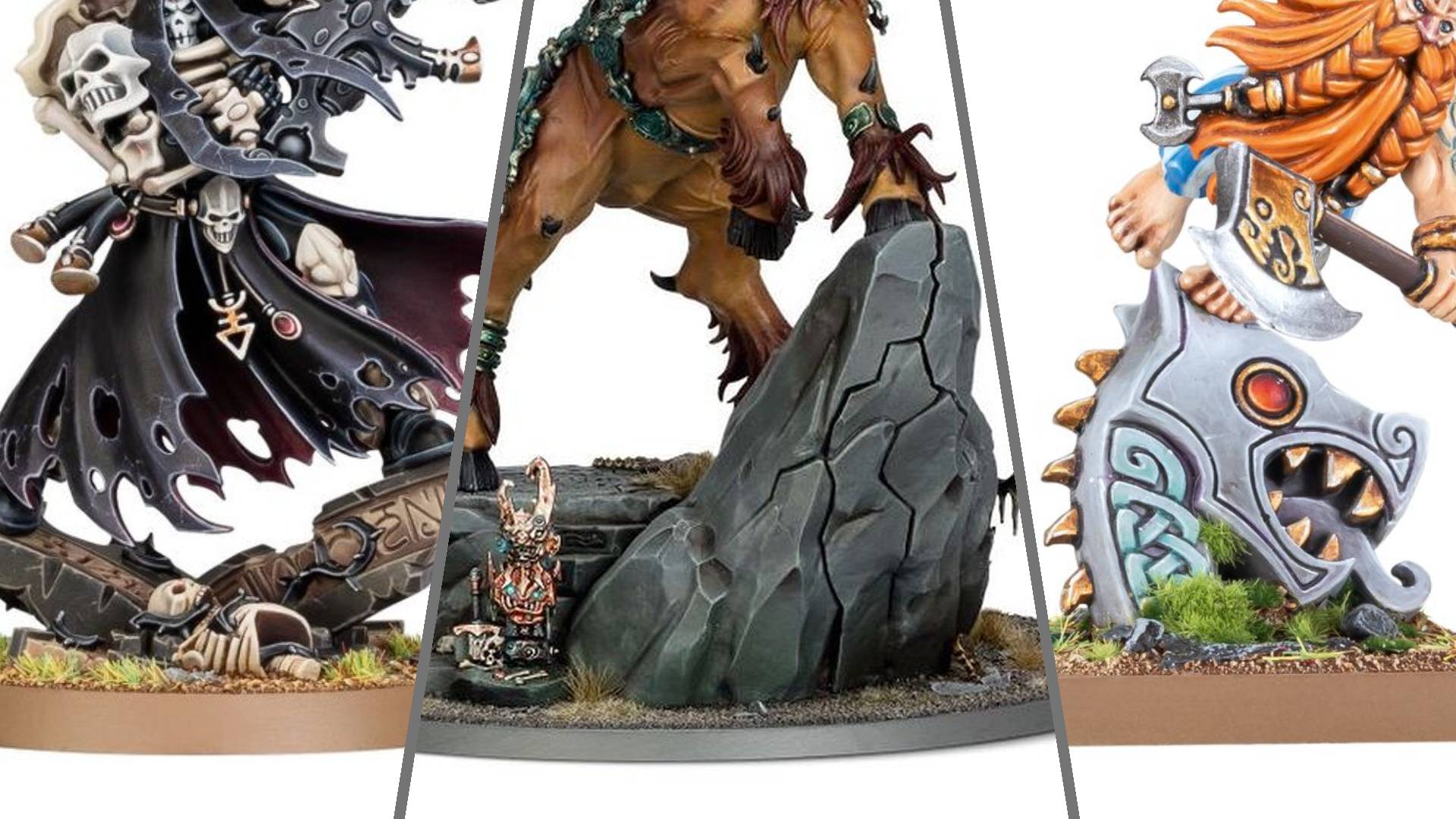
The industry justification remains rooted in "dynamic posing." Designers argue that modern players expect high-fidelity, cinematic sculpts. A model standing flat on the ground is often viewed as "boring" in the modern era of high-detail tabletop gaming. The rock is the fastest, most effective way to break up a static silhouette and inject energy into a static piece of plastic.
The Path Forward: A Return to Proportion?
As the hobby continues to evolve, there is a growing movement of players advocating for a return to simplicity. Many seasoned hobbyists are choosing to "de-rock" their models, cutting away the unnecessary rubble to allow their miniatures to stand firmly on the ground.
For these players, the most effective way to make a character stand out is not through a mountain of debris, but through skillful painting, custom banners, or unique color schemes. They argue that a character who stands on their own two feet commands more respect than one propped up by a pile of plastic rocks.
The tactical rock serves as a fascinating case study in how design trends can spiral from a practical solution into an industry-wide obsession. While these additions are undeniably popular with a segment of the market that prioritizes the "rule of cool" and cinematic posing, they have alienated those who prioritize the realism and practical utility of their game pieces.
Ultimately, the tactical rock is a reminder that in the world of miniature wargaming, more is not always better. Sometimes, the most powerful statement a soldier can make is simply standing on the ground they are fighting to protect. Until the industry shifts its design philosophy, however, the "short kings" and heroic lords of Warhammer will likely continue to search for the highest, most inconvenient rock they can find to stand on, regardless of how silly it might look on the field of battle.


 Asro
Asro
 Muslim