Evan Lee Salim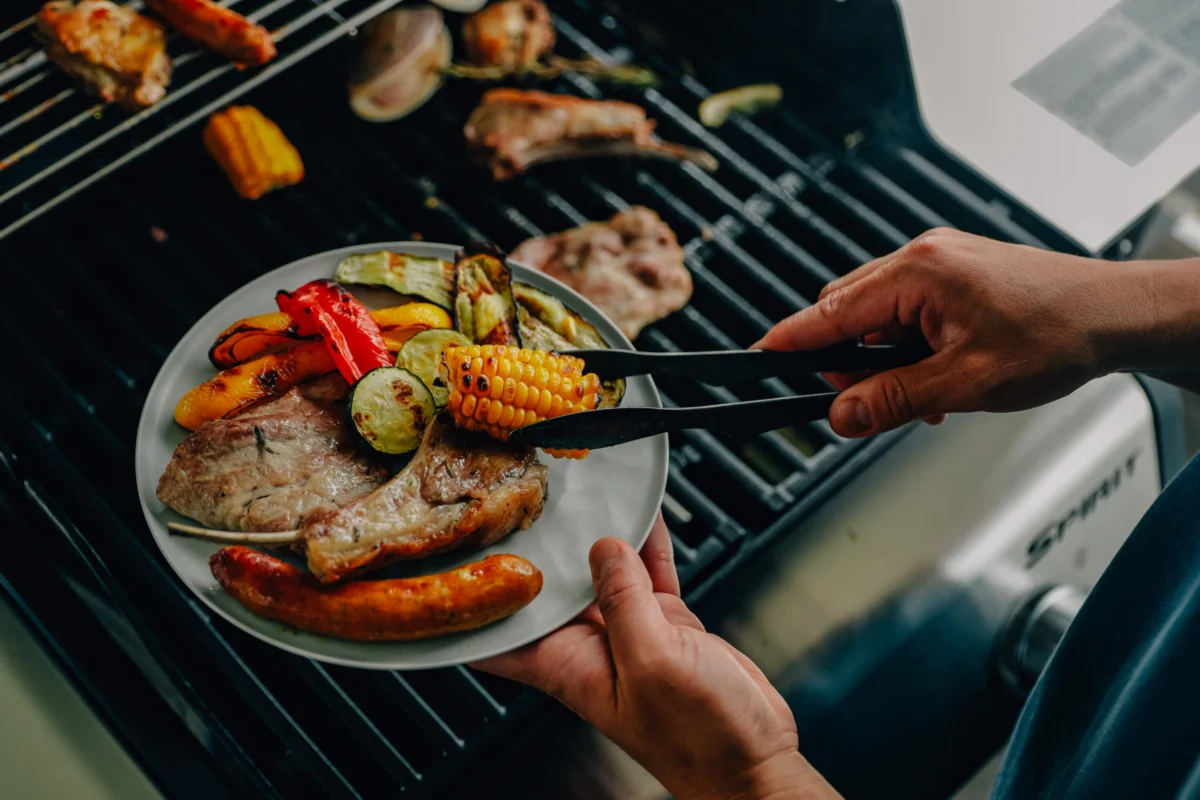
Nothing defines the midsummer social calendar in Japan quite like the ritual of the outdoor barbecue. As the mercury rises and the cicadas begin their rhythmic chorus, the urge to retreat into nature—or at least to a breezy rooftop—becomes a collective priority. However, the traditional image of the barbecue, involving heavy coolers, charcoal bags, and bulky folding chairs, is increasingly being replaced by a more refined, convenient alternative.
In the Tokyo metropolitan region, the "tebura" (literally "empty-handed") BBQ phenomenon has transformed the summer dining landscape. These venues provide everything from high-end grills and utensils to premium wagyu, fresh seafood, and chilled beverages on-site. Whether you are seeking a sleek urban terrace in the heart of the city, a dramatic riverside escape in the mountains, or a luxury coastal retreat, here are seven top-tier venues to elevate your summer grilling experience.
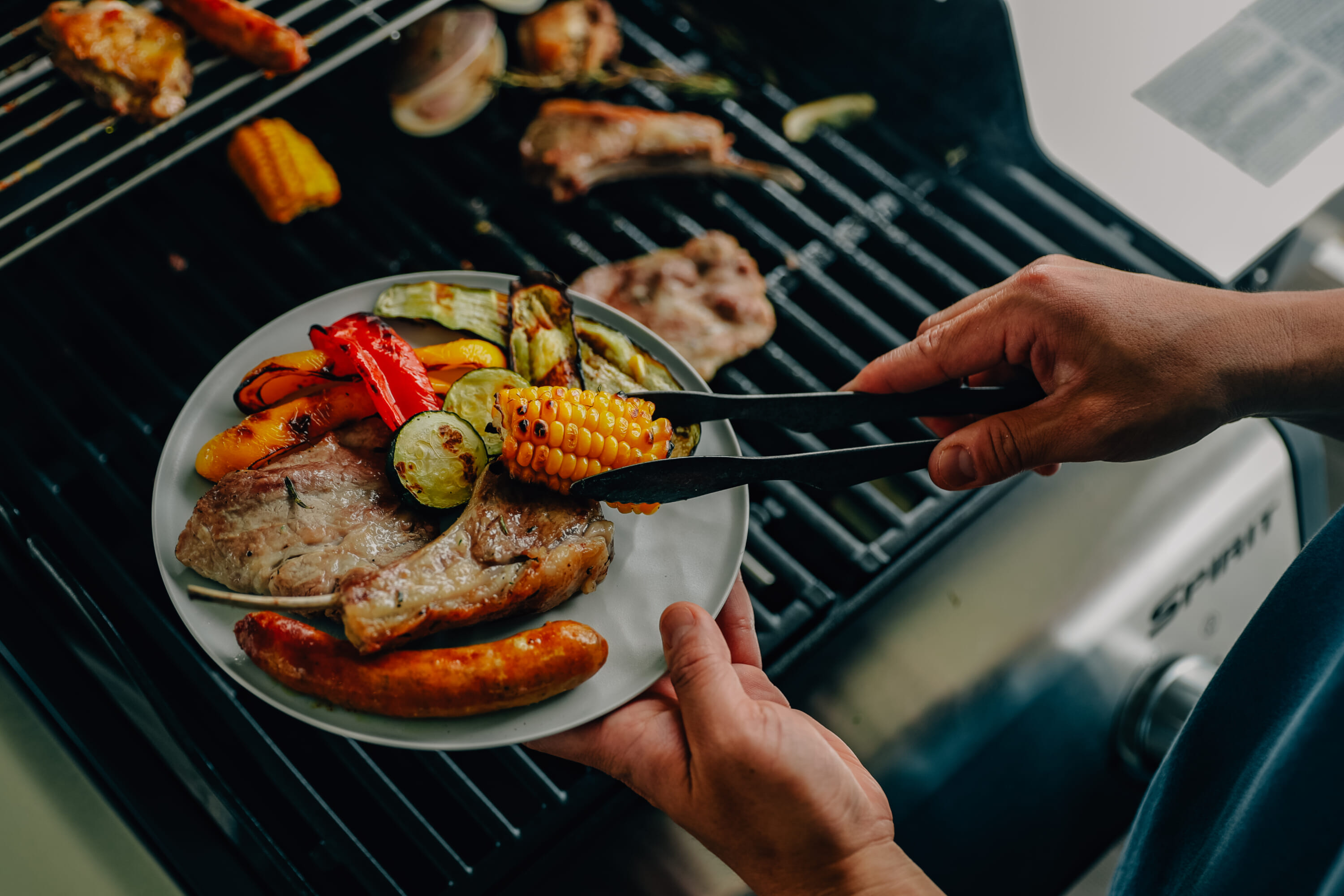
The Rise of the ‘Tebura’ Culture: Main Facts
The shift toward "empty-handed" barbecuing in Japan is driven by a combination of urban space constraints and a growing demand for premium leisure. Many residents of Tokyo live in apartments with limited storage space, making the ownership of outdoor grilling equipment impractical. Furthermore, the convenience of professional-grade equipment and curated food sets allows for a stress-free dining experience that appeals to corporate teams, busy families, and international tourists alike.
These venues generally fall into two categories:
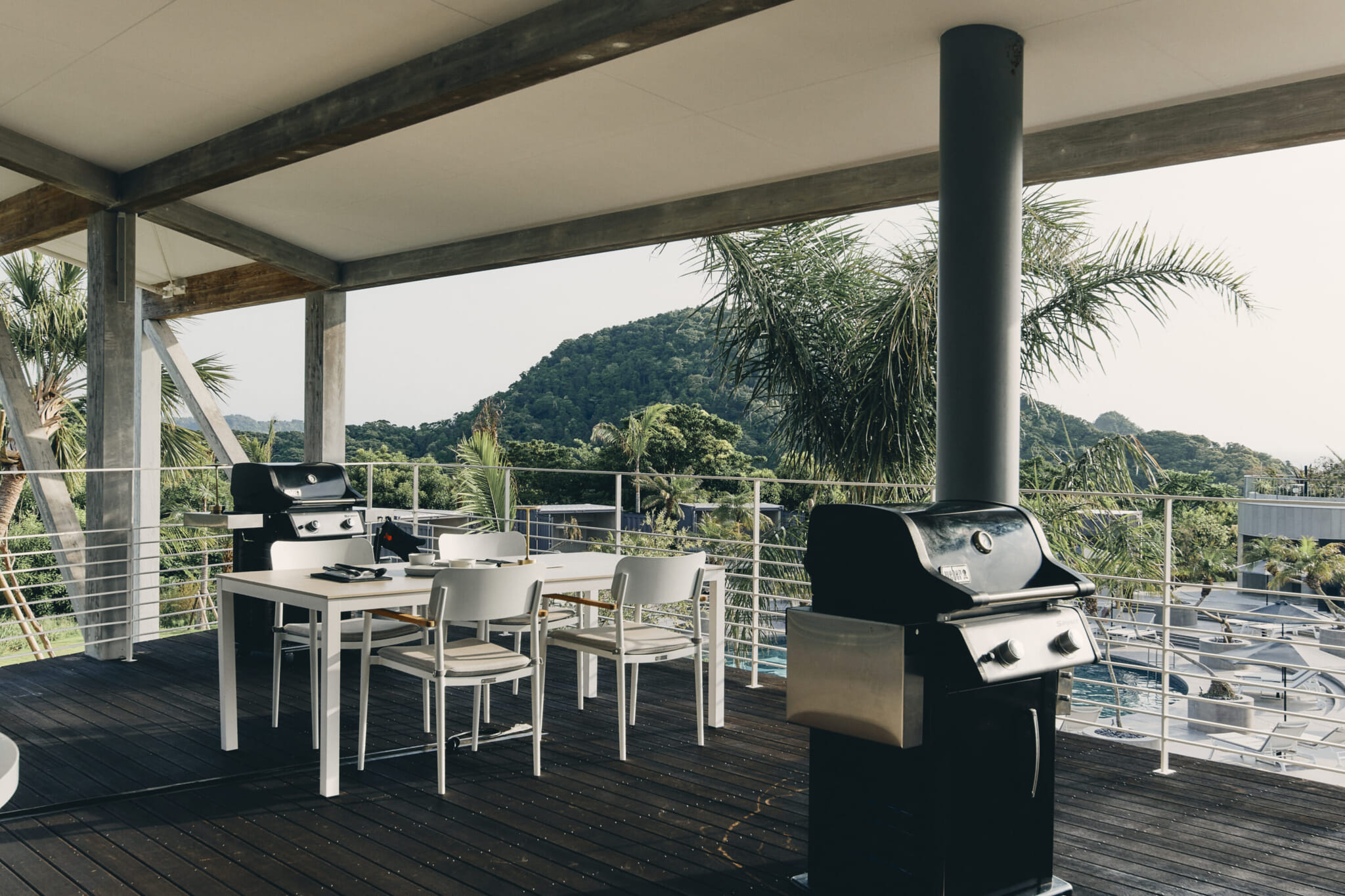
- Full-Service: The venue provides all food, drinks, and cleanup services.
- Partial-Service: The venue provides the infrastructure (grills, tables, fuel) while guests bring their own ingredients.
Full-Service Luxury: The "Empty-Handed" Experience
For those who prioritize luxury and zero effort, these venues offer a seamless transition from daily life to gourmet outdoor dining.
1. Botanical Pool Club (Chiba)
Located just across Tokyo Bay, the Botanical Pool Club in Kyonan offers the ultimate luxury escape. This resort is not merely a BBQ spot; it is a destination. Open to both overnight guests and day-trippers, the dining terrace provides a panoramic view of the ocean, cooled by consistent sea breezes.
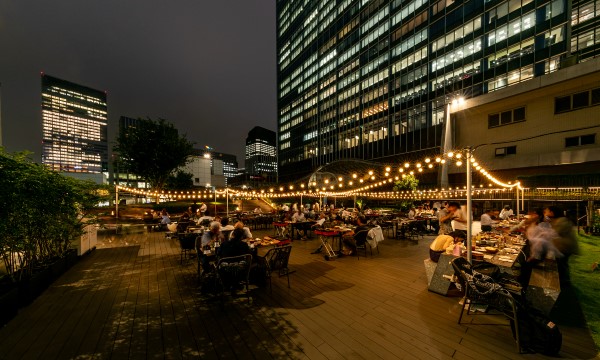
- The Menu: The premium course begins with a sophisticated shrimp cocktail before moving to herb-crusted sausages, lamb chops, and local clams. The centerpiece is often a rich, seafood-packed bouillabaisse simmered in a Staub pot. For those looking to splurge, add-ons include live Ise spiny lobster or A5 Kisarazu wagyu beef.
- The Vibe: After the meal, guests are invited to lounge by the Bali-inspired pools. It is a rare experience that feels entirely removed from the Tokyo sprawl.
- Logistics: Accessible via express bus from Shinjuku, followed by a short taxi ride, or a 70-minute drive. Reservations are essential, especially for private rooftop seating.
2. Nihonbashi Takashimaya S.C. BBQ Beer Garden (Nihonbashi)
Trading rugged nature for urban sophistication, the rooftop of the historic Nihonbashi Takashimaya department store offers a refined garden party atmosphere.
- The Experience: This is an ideal venue for corporate gatherings or romantic dates. The menu features thick-cut steaks and premium pork platters, with tiered options ranging from casual sets to luxury packages including wagyu and lobster.
- The Appeal: Directly connected to Nihombashi Station, this venue is the pinnacle of convenience for city dwellers who don’t want to travel far to enjoy an open-air dinner under the city lights.
3. Garden Island Beer Restaurant (Tokyo)
For those who want an iconic view, the Tokyo Prince Hotel’s Garden Island is unrivaled. Located in the heart of the Shibakoen parklands, the terrace puts diners directly beneath the glowing orange framework of Tokyo Tower.
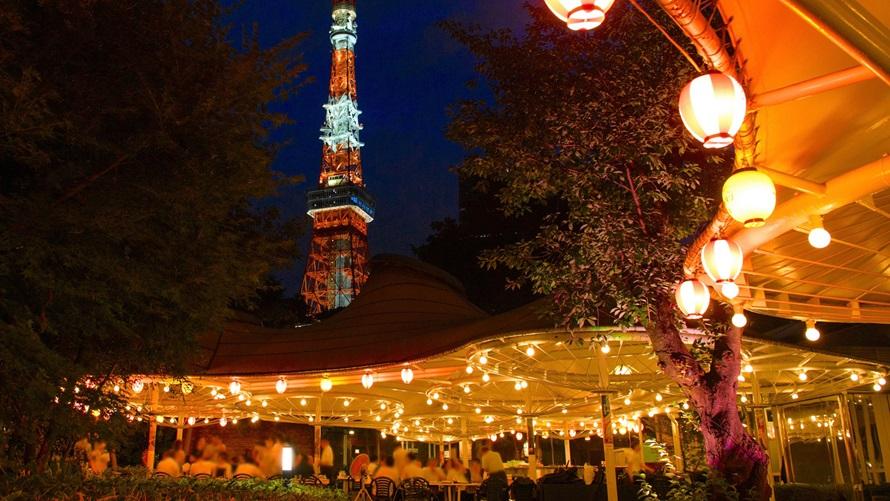
- The Food: The menu is designed to match the grandeur of the view, often highlighting regional delicacies such as Okinawa’s Motobu wagyu.
- The Atmosphere: With free-flowing drink options and a spacious, lush setting, it provides a sense of seclusion despite being minutes away from major business districts.
4. Tokyo Hello BBQ Beer Garden (Shinjuku)
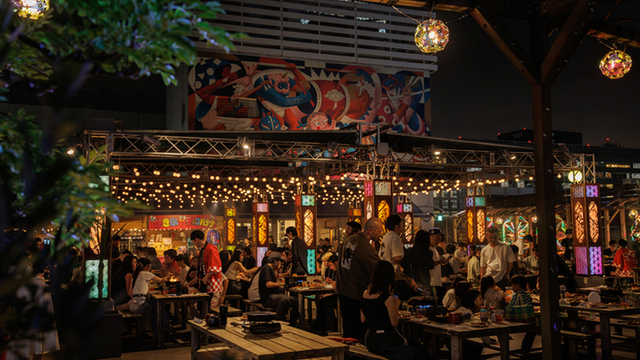
Perched on the roof of Shinjuku Lumine 1, this venue sits atop the world’s busiest train station.
- The Concept: It embraces a vibrant, high-energy "Japanese summer" theme. With 90-minute all-you-can-drink plans and four distinct menu tiers (Fuji, Hanabi, Fune, and Around Japan Nippon), it is designed for efficiency and social fun. It is the perfect spot for those finishing a shopping spree who want to slide immediately into a festive evening.
Partial-Service: The Adventurer’s Choice
For those who enjoy the ritual of choosing their own ingredients and interacting with the elements, these venues offer the perfect infrastructure.
5. Water Park Nagatoro (Saitama)
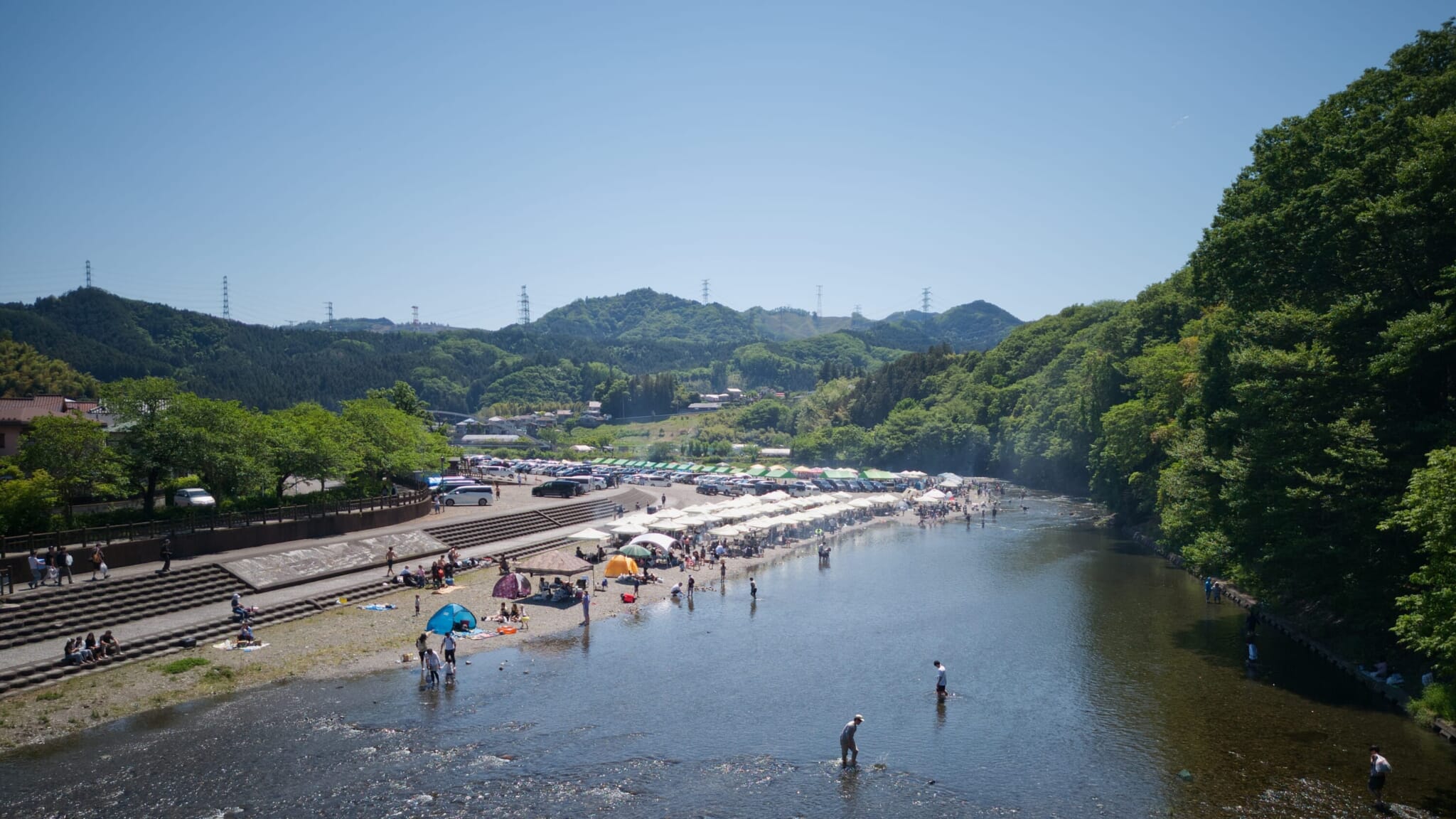
Located along the Arakawa River in the Chichibu region, Water Park Nagatoro is a premier destination for those who want to combine a barbecue with outdoor sports.
- Supporting Data: The park offers extensive rental equipment, including beach umbrellas and tarps, which are vital for mitigating the intensity of the Japanese midsummer sun.
- Activities: The area is famous for traditional river boating, white-water rafting, and the region’s signature natural shaved ice.
- Note: While you can bring your own food, the nearby Nagatoro BBQ Center offers prepared ingredient sets starting at ¥2,000, provided you book at least eight days in advance.
6. Akikawabashi River Park Barbecue Land (Akiruno)
Spanning 20 kilometers of western Tokyo’s verdant hills, the Akigawa Valley is a sanctuary of lush forests and shallow riverbeds.
- The Logistics: The park office manages the heavy lifting, providing iron grills, fuel, and canopies.
- Flexibility: Guests can bring their own supplies or utilize the park’s delivery system, which brings BBQ sets directly to your designated spot. It is a highly accessible location, just a five-minute walk from JR Musashi-Itsukaichi Station.
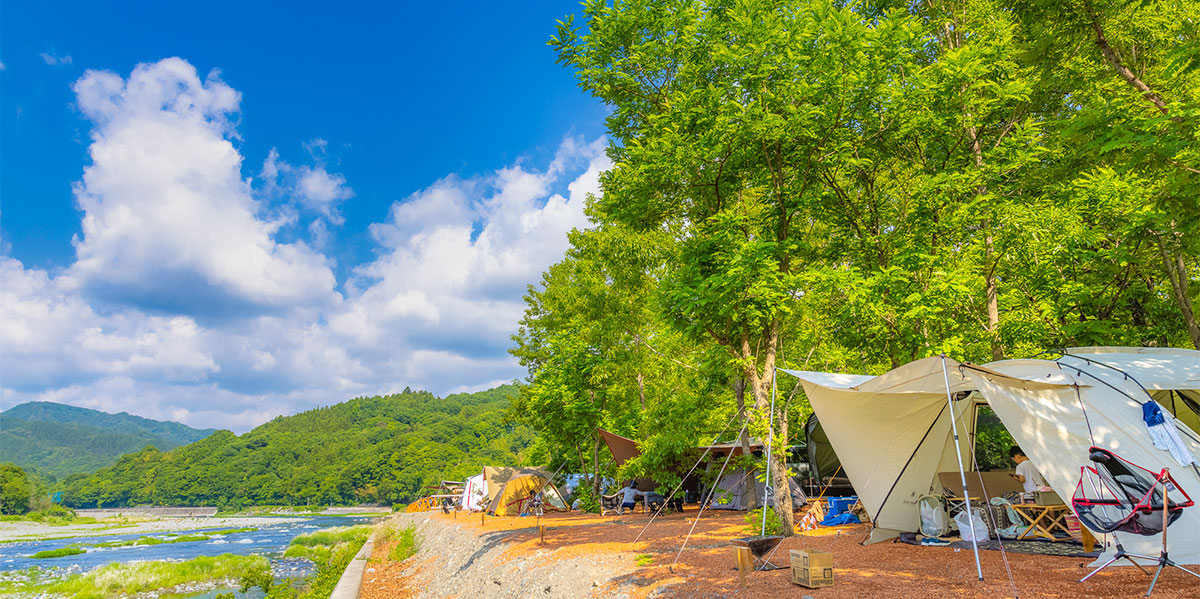
7. Hikawa Campground (Okutama)
Hikawa Campground is the quintessential Tokyo riverside getaway. Featuring a rocky beach along the crystal-clear Tama River, it offers a dramatic change of pace from the city.
- Official Response: The campground mandates reservations for their BBQ shelters, emphasizing the need for organized, sustainable use of the river environment.
- Pro Tip: While the campground provides the gear, the on-site Café Kuala can supply ingredient sets. Coordination between the two entities is required, and early booking is highly recommended.
Chronology of the Season: Planning Your Visit
- Spring (March–May): Ideal for the start of the season at Akikawabashi and Nagatoro. The weather is temperate, though river water remains cold.
- Peak Summer (July–August): All venues are fully operational. This is the busiest period, requiring reservations 2–4 weeks in advance for popular spots like the Tokyo Prince Hotel.
- Late Summer/Early Autumn (September–October): The most pleasant time for city rooftop BBQs. Temperatures drop, making the charcoal heat more comfortable.
- Season Close (November): Most outdoor river parks close for the season, while some urban rooftop venues remain open until mid-November, weather permitting.
Implications for Future Growth
The expansion of these venues signifies a shift in Japanese leisure trends. As the climate warms, the industry is increasingly focused on "thermal comfort"—investing in better shade structures, misting systems, and improved cooling technology at outdoor venues. Furthermore, there is a clear trend toward "premiumization," where consumers are willing to pay a premium for traceability in meat and seafood, pushing venues to source ingredients from local Japanese prefectures.
For visitors, the implication is clear: you no longer need to sacrifice quality for convenience. By selecting the right venue—whether it is a luxury terrace in Nihonbashi or a rugged riverbank in Okutama—you can participate in one of Japan’s most cherished social rituals without the logistical headache.
Pro-Tip: Always check weather forecasts 24 hours prior to your reservation. While many venues operate under light rain, safety protocols often require closure during severe storms or high river levels in mountain regions. Always confirm the cancellation policy for both your grill site and your ingredient provider.


 Neng Nana
 Asro
Asro