Ali Ikhwan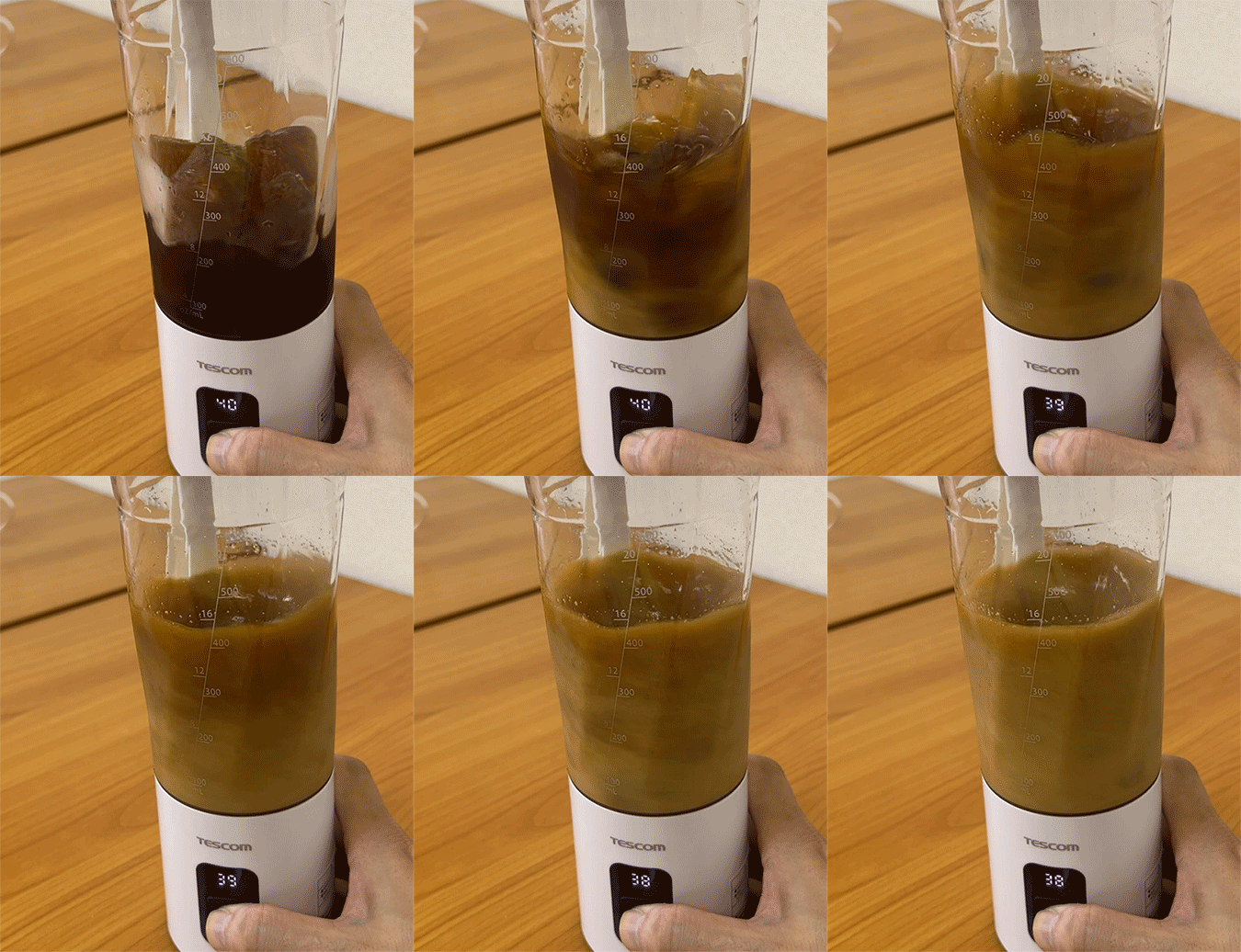
As Japan braces for another sweltering summer, with mercury levels in the Kanto region and beyond frequently scaling the 35-degree Celsius (95-degree Fahrenheit) threshold, the national appetite is facing its annual decline. For many, the heat is more than just a meteorological nuisance; it is a direct assault on the culinary joy that usually accompanies the season. In a quest to combat this heat-induced lethargy, Japanese-language reporter Seiji Nakazawa has unveiled a daring, albeit patient, culinary experiment: "Ice Slurry Somen."
By transforming the traditional tsuyu (noodle broth) into a sub-zero, frozen slurry, Nakazawa has introduced a method that promises to redefine the summer dining experience. While the concept of ice slurry is well-documented in sports science as a critical intervention for preventing heatstroke, its application in home cooking is a novel frontier.
The Philosophy of the Chill: Why Somen?
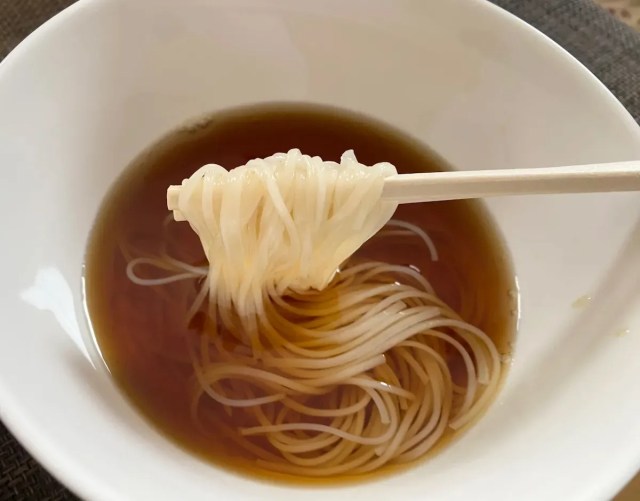
Somen—thin, delicate wheat flour noodles—has long been the gold standard for Japanese summer comfort food. Traditionally served chilled, often atop a bed of ice or submerged in cold running water, it is designed to provide relief from oppressive humidity. However, Nakazawa argued that standard chilled somen is often not enough to counter the extreme, climate-driven heat of modern Japanese summers.
"The hotter it gets, the harder it is to maintain one’s quality of life," Nakazawa noted. "I wanted a meal that felt like a direct air-conditioning unit for the stomach."
His inspiration stemmed from commercial innovations, specifically Kikkoman’s Sharitto Hiya Somen (crisp chilled somen), a product line designed to be frozen before consumption. While those products offer convenience in flavors like "Korean Cold Noodle" or "Dashi-Scented Citrus," they left purists like Nakazawa longing for a classic, unadorned dashi experience. Determined to bridge the gap between commercial innovation and authentic flavor, he set out to develop his own version of the ice slurry broth.
Chronology of a Frozen Quest
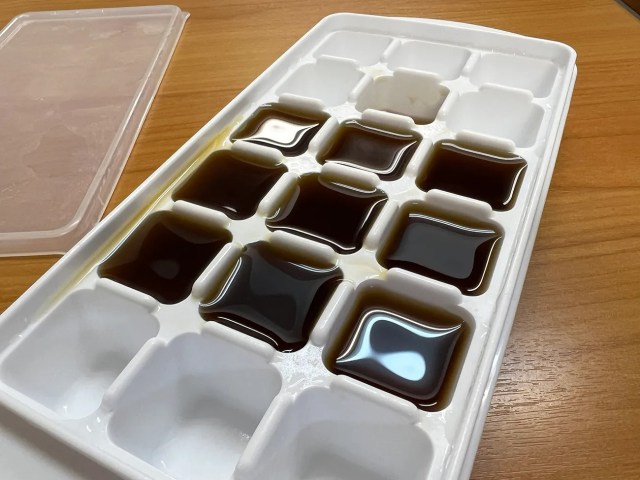
The development of the dish was not without its trials. The process began with a simple hypothesis: dilute concentrated tsuyu and place it in the freezer. What followed was a week-long journey of patience and scientific trial-and-error.
Days 1–3: The Salt Barrier
Nakazawa’s initial attempt to freeze the diluted tsuyu met with immediate failure. After 48 hours, the mixture remained entirely liquid. Even after 72 hours, the broth showed no signs of forming the desired ice crystals. The culprit, as he quickly identified, was the high salt content in the tsuyu. Salt lowers the freezing point of water, a basic principle of thermodynamics that rendered his standard freezer settings insufficient for a quick turn-around.
Days 4–7: The "Rock Hard" Breakthrough
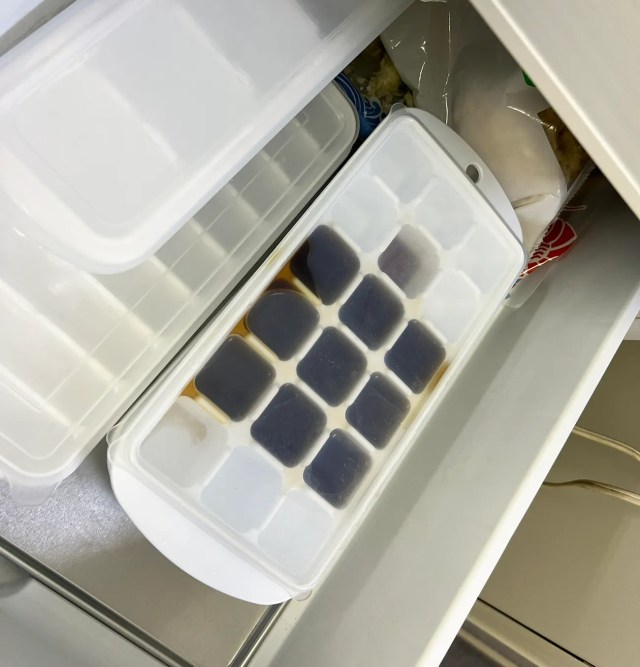
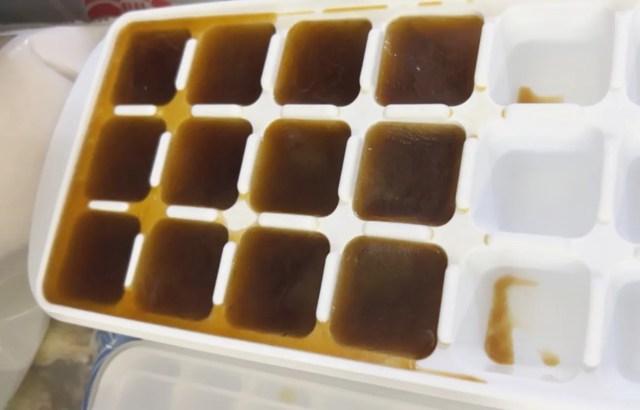
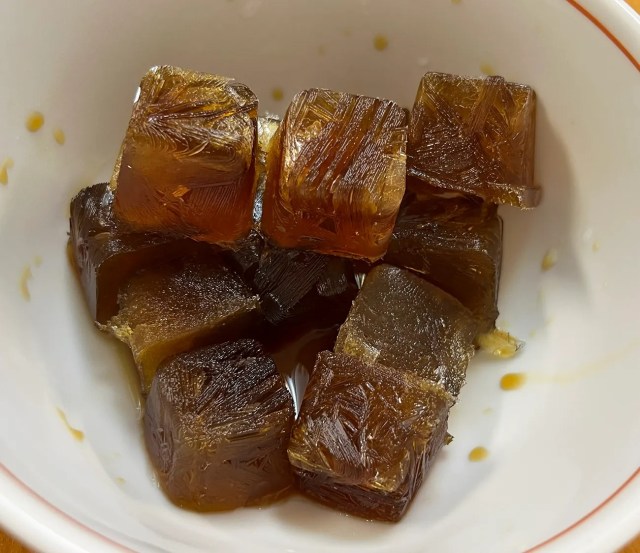
Refusing to abandon the project, Nakazawa checked the limits of his freezer. Finding no way to lower the temperature further, he committed to a "long-game" strategy. He allowed the tsuyu to remain in the deep freeze for a full week. Upon returning to the freezer, he found the broth had finally achieved a "rock hard" state, ready for the next phase of the process.
The Transformation: The Blender Phase
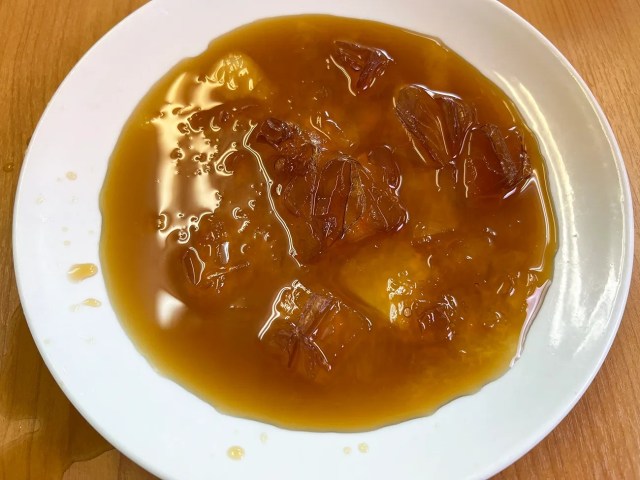
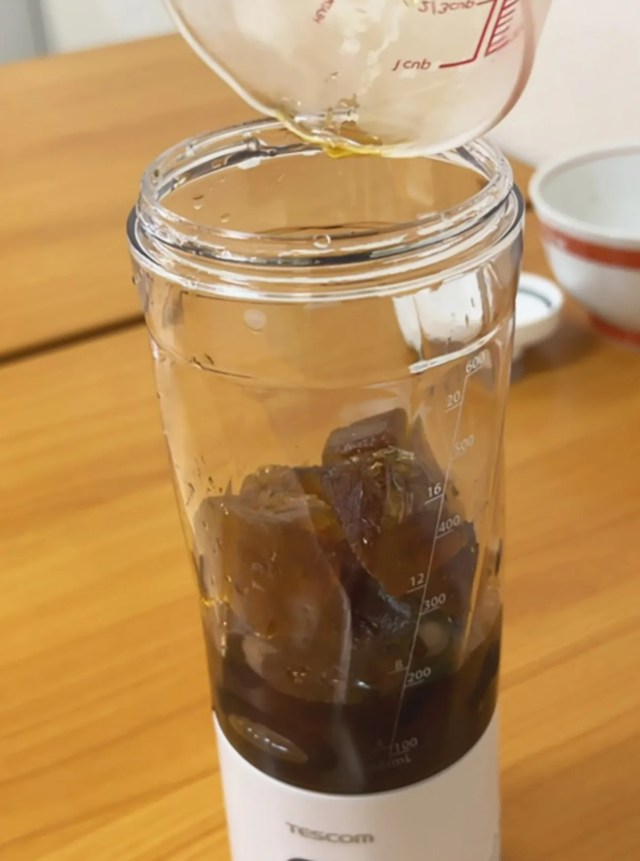
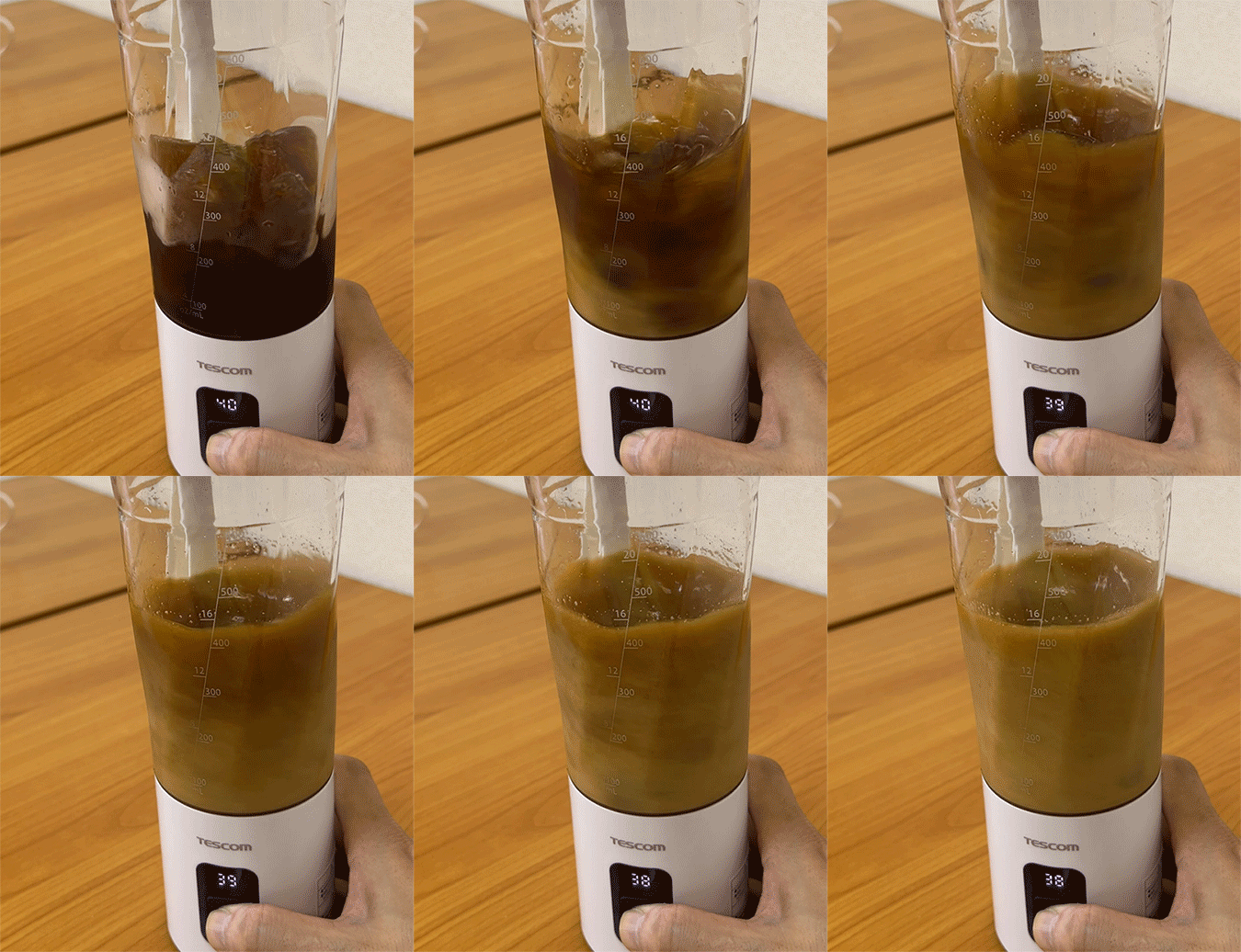
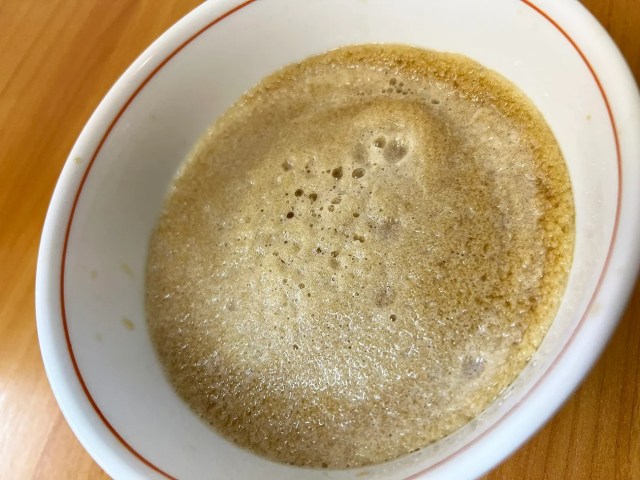
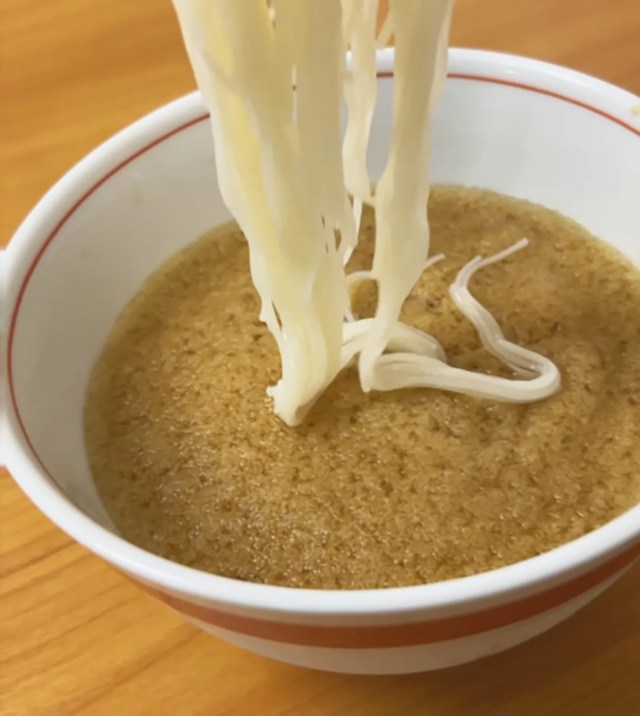
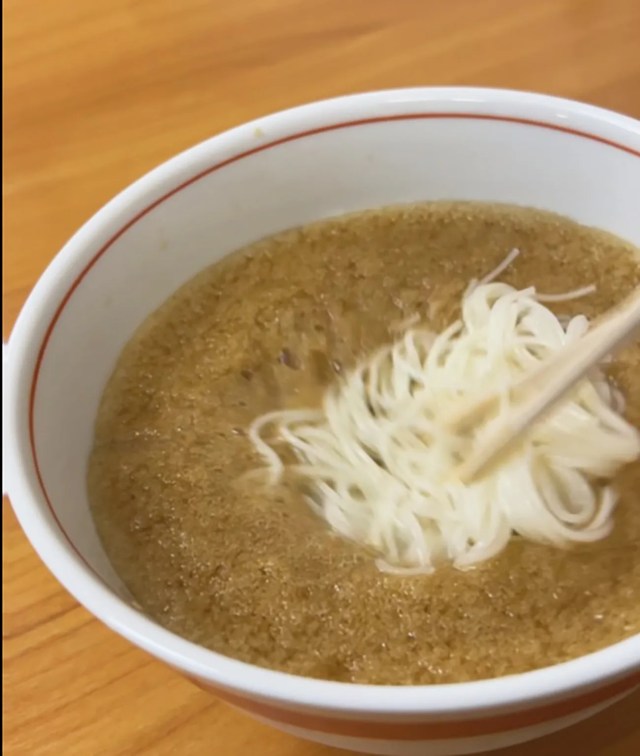
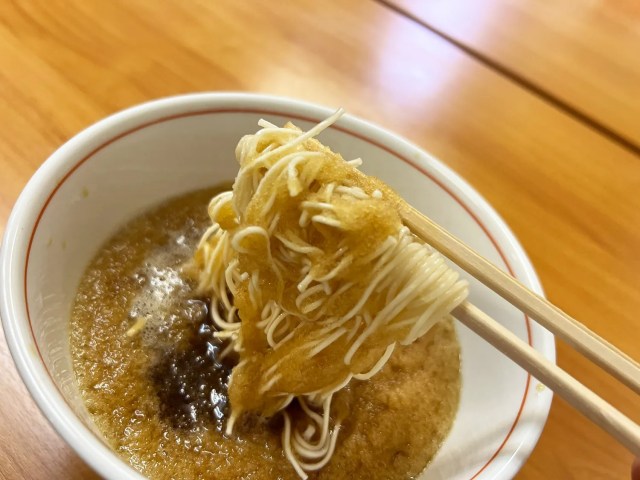
With the base frozen, the next step was to create the slurry. He combined the solid, frozen block of tsuyu with an additional 100 milliliters of fresh, liquid tsuyu. The result of this blending process was visually striking—a "brown whirlpool of icy foam" that looked unlike any traditional noodle sauce. It was a textured, semi-frozen emulsion, perfect for chilling the noodles upon contact.
Supporting Data and Technical Nuances
The science behind this dish relies on the physical state of the tsuyu rather than chemical additives. By creating a slurry, the diner is essentially consuming a "thermal battery." When the warm, freshly boiled somen is dipped into the slurry, the heat transfer is instantaneous.

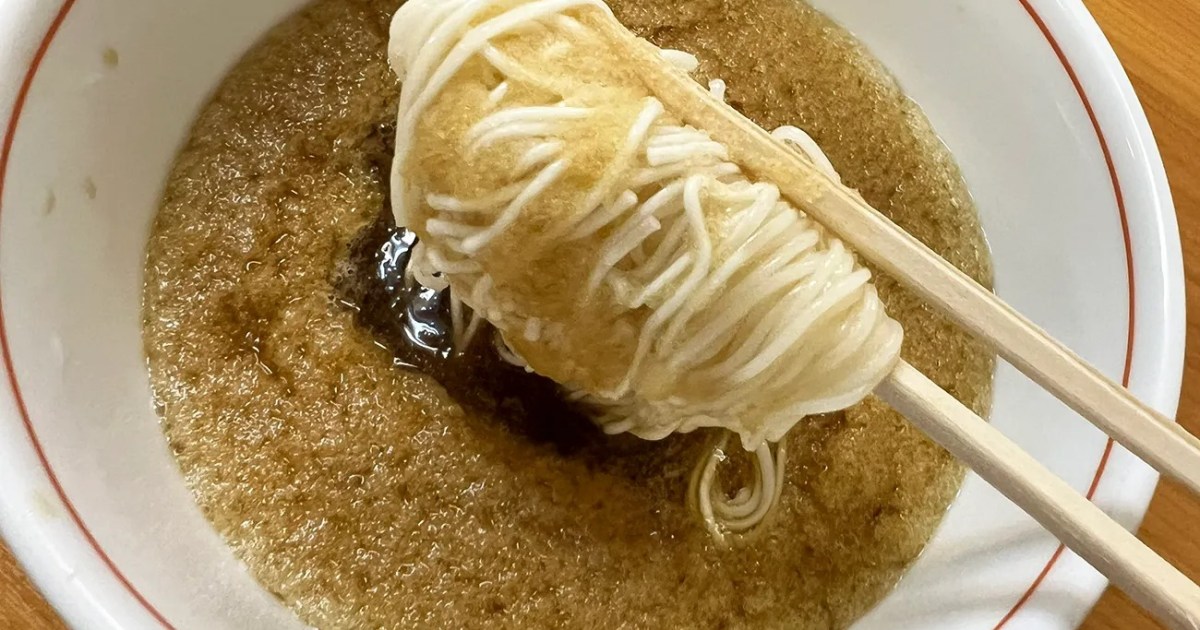
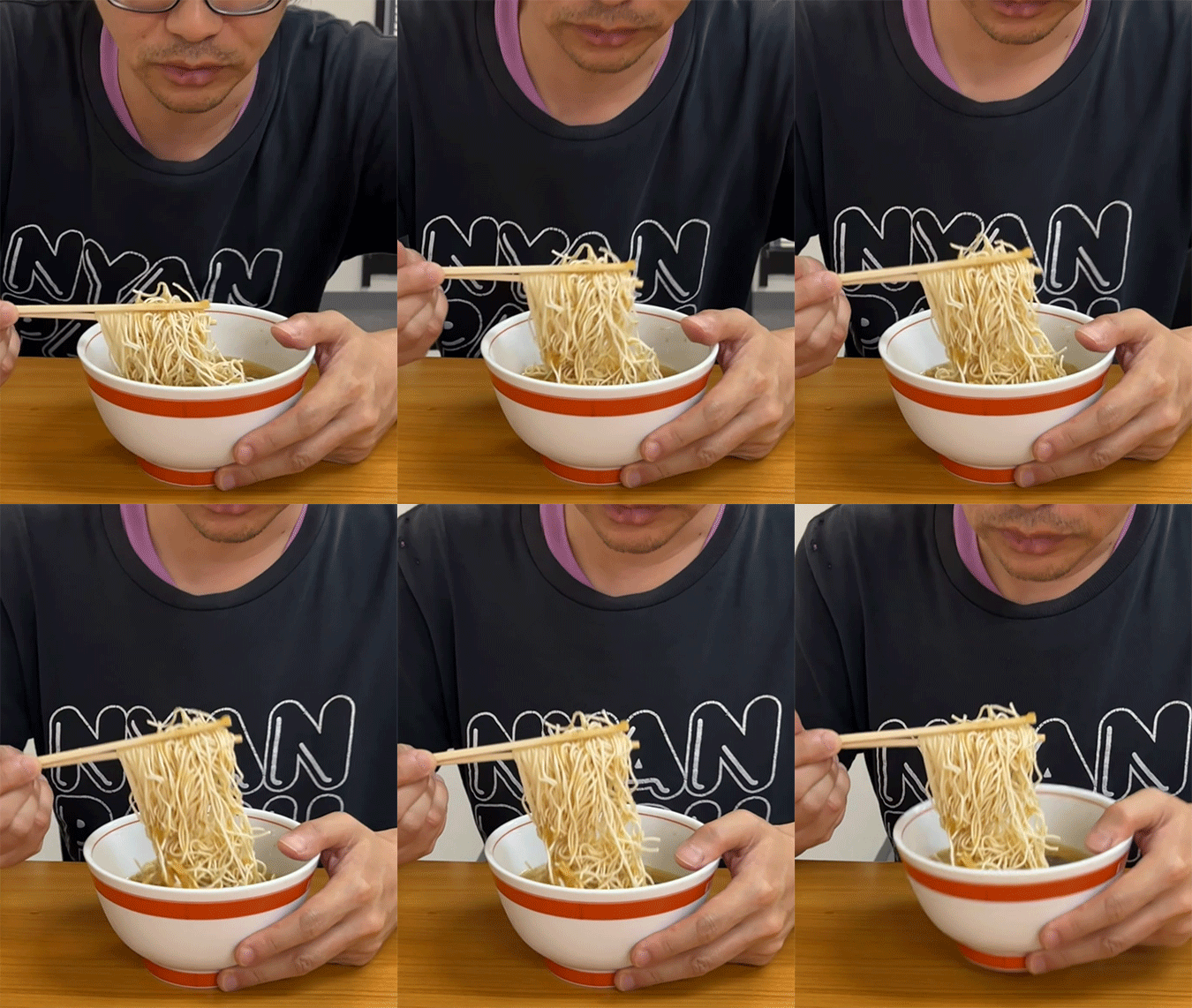
However, the experiment highlighted a significant risk: "over-freezing." Because the broth is kept at sub-zero temperatures, the somen noodles themselves are at risk of flash-freezing if left in the bowl for too long. Nakazawa observed that taking photos—a common habit for modern food bloggers—resulted in a "fatal flaw." The noodles became brittle and crackled, taking on a texture similar to katayakisoba (crispy fried noodles).

The optimal consumption window is narrow. The diner must dip and eat immediately, ensuring the noodle remains soft and supple while the broth provides the sharp, cold impact against the palate.
Culinary Implications and Professional Reception
The implications of the Ice Slurry Somen go beyond a simple novelty. It represents a shift in how we approach "cooling foods." Traditionally, chilled noodles are cooled by ambient ice water. By integrating the cooling element into the broth itself, the flavor profile remains undiluted. In traditional somen, as the ice cubes melt, the tsuyu becomes watery and loses its depth of flavor. In Nakazawa’s slurry, the tsuyu is the ice, meaning the flavor remains concentrated and potent from the first bite to the last.
The "Heavenly" Feedback
The sensory experience, according to Nakazawa, is profound. "The delicate texture of the somen combined with the sensation of it sliding down the throat, cooling the body from the inside out, was like a welcome into heaven," he reported. The dish effectively turns a meal into a physiological intervention against the summer heat.
A How-To Guide: Preparing Your Own Slurry
For those brave enough to replicate this at home, the process requires advanced planning.
Ingredients:
- Concentrated tsuyu (store-bought).
- Water (for dilution, per product guidelines).
- Somen noodles.
The Method:

- Preparation (The One-Week Rule): Dilute 140ml of concentrated tsuyu according to the packaging instructions. Place this in a freezer-safe container. Ensure your freezer is set to its coldest possible setting and leave the mixture undisturbed for approximately one week.
- The Slurry Blend: Once the tsuyu is frozen solid, remove it from the freezer. Place the frozen block into a blender along with 100ml of liquid (unfrozen) tsuyu. The ratio of 1.4 parts ice to one part liquid is recommended, though this can be adjusted for texture. Blend until a consistent, thick, and foamy slurry is achieved.
- Service: Boil your somen noodles. When ready, serve the slurry in a deep bowl.
- Crucial Instruction: Dip the noodles into the slurry for a mere split second. Do not let the noodles soak. Prolonged contact will cause the noodles to flash-freeze, ruining the desired texture.
Conclusion: A New Standard for Summer
While the one-week preparation time may be a barrier for the casual diner, the "Ice Slurry Somen" represents a fascinating evolution in Japanese summer cuisine. It is a dish that requires patience, respect for thermodynamics, and a willingness to embrace the cold.
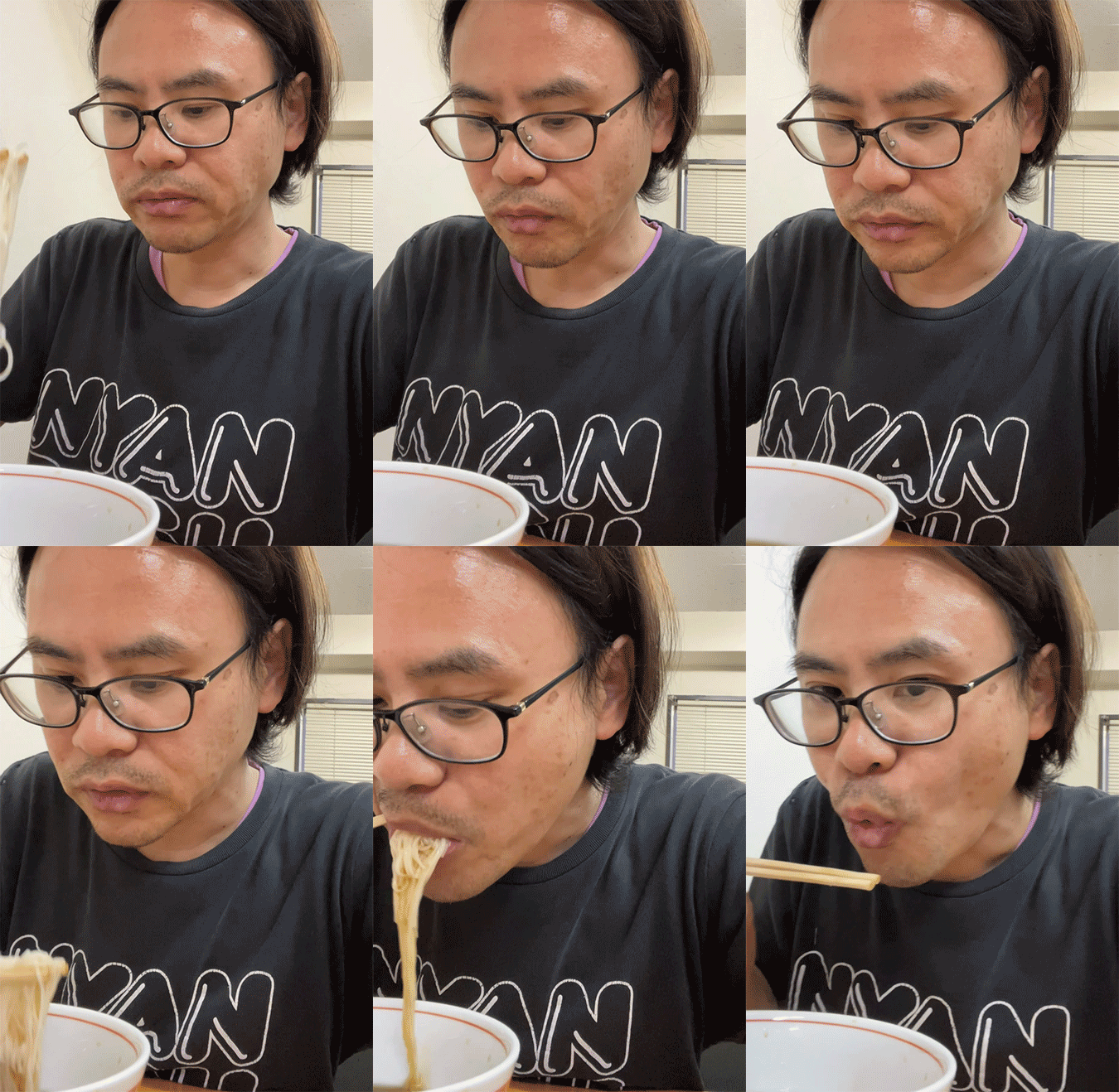
As temperatures continue to rise globally, the search for innovative cooling methods will likely increase. Whether this method becomes a widespread trend or remains a niche experiment for dedicated food enthusiasts, one thing is certain: Seiji Nakazawa has successfully elevated the humble somen from a simple seasonal snack to a high-tech, precision-chilled culinary experience. If you value your comfort during the dog days of summer, this "revolution in the world of summer foods" may be worth the seven-day wait.


 Neng Nana
 Asro
Asro