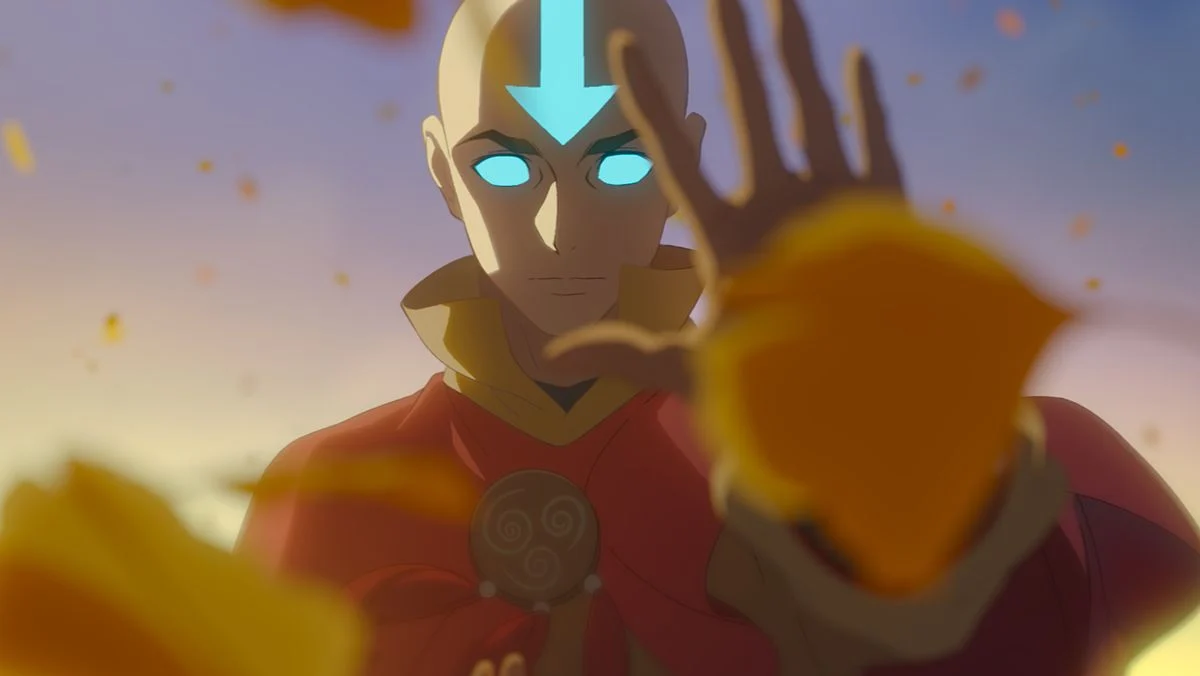
The path to the release of Avatar Aang: The Last Airbender has been anything but conventional. What should have been a triumphant return to the world of elemental benders has instead become a case study in how digital leaks, shifting corporate strategies, and an intensely passionate fanbase can collide to create a public relations firestorm. After months of uncertainty, leaks, and fan outrage, Paramount has finally offered a compromise that provides a sliver of the theatrical experience fans have long demanded.
The Chronology of a Digital Crisis
The saga began with high expectations. As a direct sequel to the beloved Nickelodeon series that defined a generation, Avatar Aang: The Last Airbender was positioned to be a landmark event. However, the momentum shifted abruptly in April when Paramount announced that the film would bypass a traditional theatrical release in favor of a direct-to-streaming debut.
The decision was met with immediate backlash. Shortly after this pivot was made public, the film was subjected to a massive unauthorized leak. A user on X (formerly Twitter) disseminated the entire movie online, months before its scheduled October premiere. This leak acted as a catalyst for a fractured response within the Avatar community. While some fans consumed the leaked footage immediately—often citing a desire to protest Paramount’s perceived disrespect toward the franchise—others maintained a staunch "no-leak" policy, choosing to wait for the official release to support the creative team.
The incident drew sharp rebukes from the creative community. Filmmakers and industry insiders took to social media to label the leak "unceremonious" and destructive to the labor of hundreds of artists who had spent years crafting the project. The situation quickly spiraled into a "big mess," leaving the studio to manage both the PR fallout and the technical reality of a pirated film circulating widely across the internet.
Paramount’s Pivot: A Strategic Compromise
In a surprising turn of events, Paramount appears to have heard the cries of the frustrated fanbase. According to an exclusive report from Variety, the studio has adjusted its strategy to allow for a limited theatrical run. The film will grace the big screens in New York and Los Angeles for a one-week engagement from July 24 to July 30.
While this is far from the wide release fans initially hoped for, it represents a significant concession. Furthermore, the film is set to receive a high-profile screening at San Diego Comic-Con on July 24, providing a massive stage for the project to debut in front of its most dedicated supporters. For the broader audience, the streaming release date has been pulled forward, with the film now slated to arrive on Paramount+ on July 25, three months ahead of the original October schedule.
Supporting Data: Why the "Avatar" Brand Remains a Powerhouse
To understand the intensity of the reaction, one must look at the cultural footprint of the Avatar franchise. Premiering on Nickelodeon in 2005, Avatar: The Last Airbender transcended the typical "kids’ show" label, earning critical acclaim and a dedicated adult following. The series followed the "Gaang"—Aang, Katara, Sokka, Toph, and Zuko—through a nuanced narrative of war, redemption, and spirituality.
The longevity of the series is evidenced by the success of its sequel, The Legend of Korra, which debuted in 2012. Both series have seen a massive resurgence in popularity since Paramount acquired the rights in 2023. Given that anime-style films have been consistently over-performing at the global box office—often proving that animation is a major theatrical draw—industry analysts found Paramount’s initial decision to sideline Avatar Aang from theaters to be baffling.
The franchise has successfully transitioned its audience from children to adults, with the new film focusing on the "Gaang" as young adults. This transition is a narrative goldmine, as it allows long-term viewers to see their childhood heroes grapple with the complexities of adulthood. The synopsis for the new film hints at this maturity:
"Avatar Aang, the world’s last Airbender, learns of an ancient power that could save his culture from extinction. With the help of his friends, he embarks on a global quest to find it before it falls into the wrong hands and threatens to upend the peace they sacrificed everything to achieve."
Official Guidelines and Awards Considerations
The decision to limit the theatrical run to specific cities for a seven-day window is not merely a gesture of goodwill; it is a calculated industry maneuver. By screening the film in theaters, Paramount ensures that Avatar Aang qualifies for consideration for various film awards, including the Academy Awards.
The Academy of Motion Picture Arts and Sciences maintains strict eligibility requirements. For a film to be considered, it must meet specific exhibition standards. By securing this limited engagement in New York and Los Angeles, Paramount preserves the film’s potential to compete on the awards circuit, a move that suggests the studio maintains confidence in the quality of the production despite the earlier distribution confusion.
Implications for the Future of Franchise Distribution
The Avatar Aang incident underscores a growing tension between traditional studio distribution models and the digital landscape. As leaks become easier to facilitate and fan communities become more vocal, studios are finding that a "streaming-only" strategy for major intellectual properties can carry significant reputational risk.
The Power of Fan Sentiment
The protest against Paramount by fans who viewed the leaked film is a unique phenomenon. It highlights a shift where the audience feels a sense of "ownership" or guardianship over a franchise. When fans feel that a studio is devaluing a property—in this case, by moving it to streaming—they are increasingly willing to engage in disruptive behavior to signal their displeasure.
The Future of "Hybrid" Releases
We are likely to see more "hybrid" models in the coming years. By utilizing the San Diego Comic-Con for a premiere, followed by a boutique, awards-qualifying theatrical run and an early streaming drop, Paramount is attempting to bridge the gap between "event cinema" and "at-home convenience." This model allows the studio to satisfy the prestige requirements of an awards campaign while simultaneously satisfying the impatience of a fanbase that was burned by leaks.
The Fragility of Digital Security
Finally, this situation serves as a stark reminder of the vulnerability of pre-release media. The fact that an entire feature-length film could be leaked months early suggests that the "window" between production and distribution is a high-stakes environment. For future Avatar projects, the security surrounding digital assets will undoubtedly be a primary focus for the studio to prevent a repeat of the April debacle.
Conclusion: A New Chapter for the Gaang
As the dust settles, the focus returns to the story itself. Despite the chaotic road to release, the anticipation for Avatar Aang: The Last Airbender remains high. The fans who grew up watching the original series on television are now the primary engine driving the conversation, and their dedication has forced one of the world’s largest media conglomerates to adjust its sails.
Whether the film lives up to the lofty expectations set by its predecessors remains to be seen. However, the release itself has already made history as a testament to the power of a modern, digitally connected audience. As the film hits Paramount+ on July 25, the conversation will likely pivot from the "mess" of the release to the quality of the animation, the depth of the storytelling, and the enduring legacy of the last Airbender.
For the "Gaang," the quest to save their culture continues—both on the screen and in the complex, ever-evolving landscape of modern media distribution.