In an era defined by digital preservation and the relentless march of remasters, remakes, and backward compatibility, the modern gamer has unprecedented access to gaming history. With a subscription to a premium service or a few clicks on a storefront, one can play titles from the 90s on a current-gen console or a handheld PC. Yet, despite this technological ubiquity, a significant vault of legendary role-playing games (RPGs) remains locked behind the physical constraints of legacy hardware. These titles—some cult classics, others critical darlings—have never seen a modern port, a digital re-release, or even the courtesy of an emulation-friendly transition.
For the collector, these games are the crown jewels of a physical library. For the average player, they represent a "lost era" of design—titles that defined the early 2000s but were subsequently abandoned by their publishers due to licensing hell, studio closures, or simply a lack of commercial foresight.
The Chronology of Abandonment: Why These Games Stay Behind
The phenomenon of "trapped" games is not a singular issue but a multifaceted one. Looking at the history of the titles highlighted below, a clear timeline of industry shifts emerges. Between 2002 and 2007, the gaming industry transitioned from the experimental, "Wild West" era of the PlayStation 2 and original Xbox to the more homogenized, high-fidelity landscape of the PS3 and Xbox 360.
Many of these games were victims of their time. They were built on proprietary engines that are notoriously difficult to port to modern architecture. Others, such as those tied to massive intellectual properties like Marvel or The Lord of the Rings, fell victim to the expiration of licensing agreements. When a publisher loses the rights to a brand, the game is typically delisted from digital storefronts and placed in a legal deep-freeze, making re-releases a bureaucratic nightmare that most companies are unwilling to navigate.

The Disappearing Vault: RPGs That Define an Era
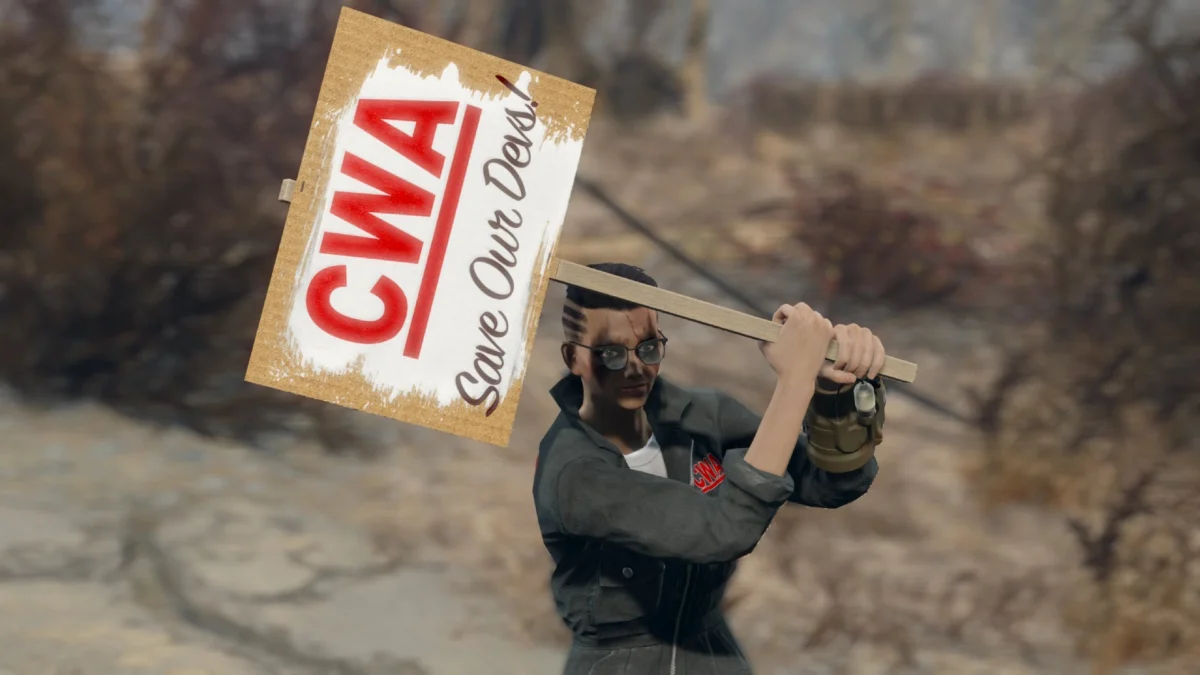
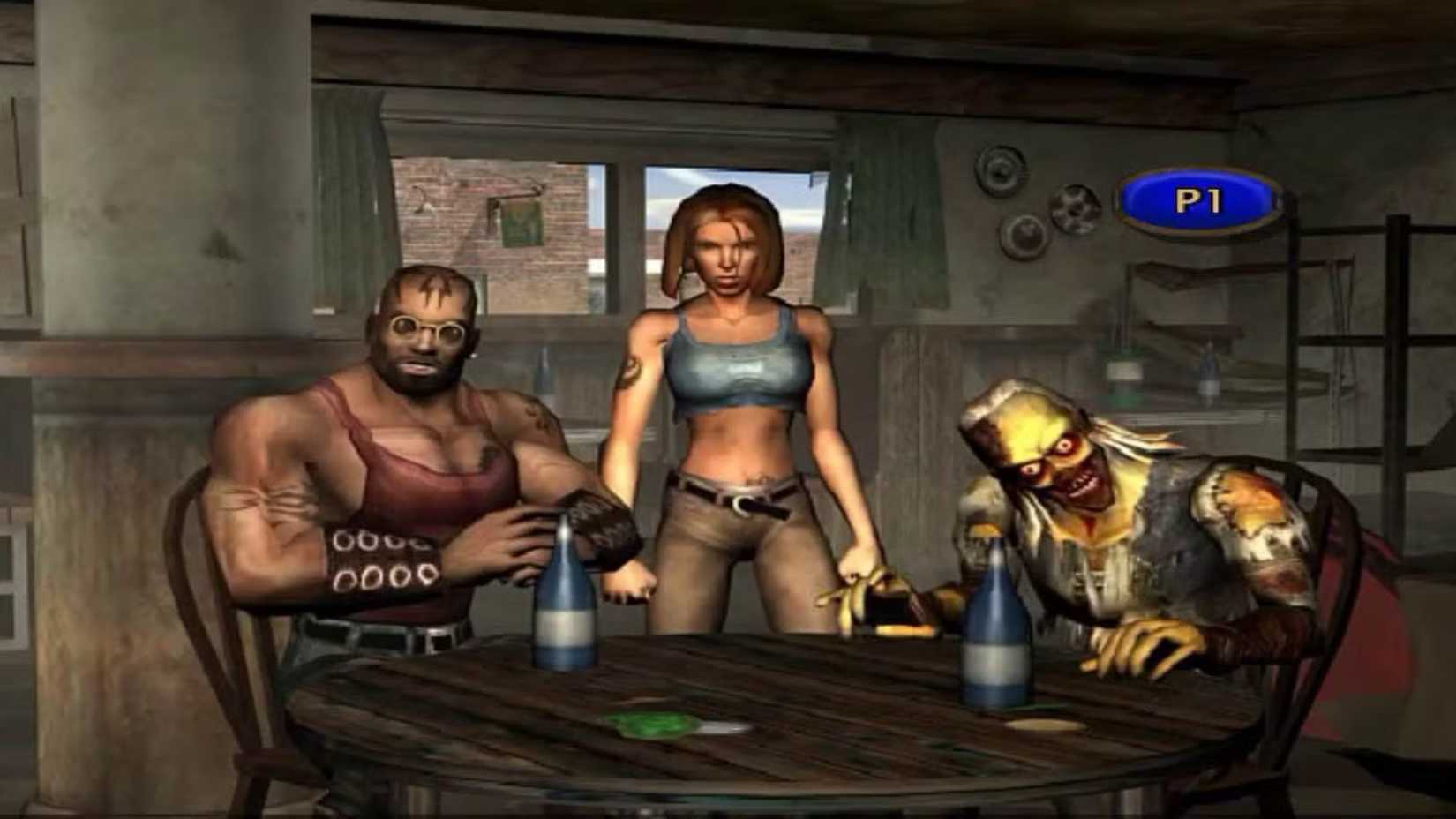
8. Fallout: Brotherhood of Steel (2004)
Long before Bethesda redefined the franchise as a first-person open-world experience, Fallout: Brotherhood of Steel took the series in a radically different, more linear direction. While purists of the isometric CRPG era were often critical of its focus on arcade-style combat, the game remains a fascinating historical artifact. It offered a rare glimpse into a post-apocalyptic world through a lens of fast-paced, co-op action. With over 40 weapons and multiple playable characters, it stands as a unique outlier in the Fallout timeline that modern fans rarely get to experience.
7. King’s Field: The Ancient City (2002)
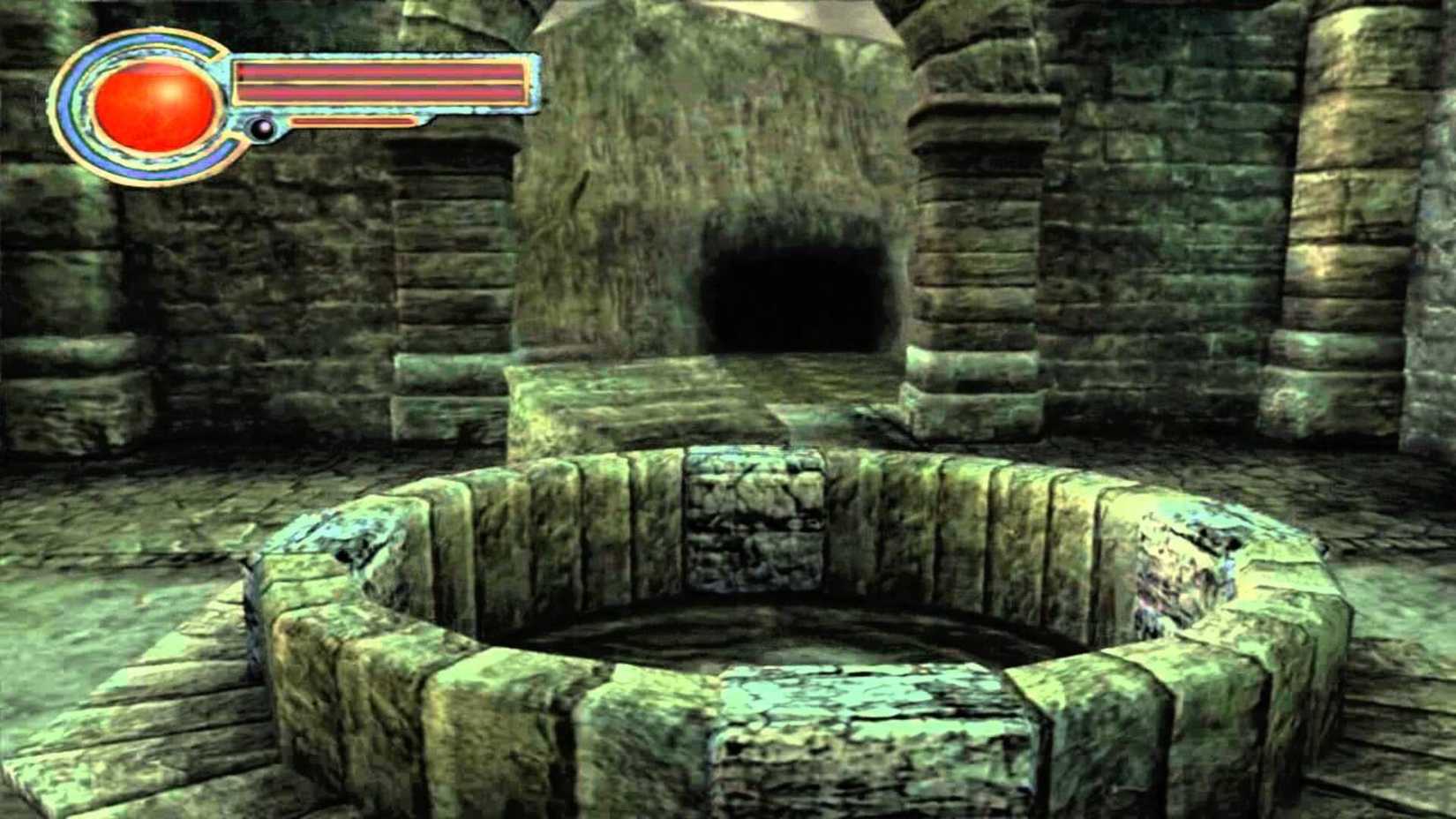
Before the meteoric rise of Dark Souls and Elden Ring, FromSoftware was honing its craft in the dark, oppressive corridors of the King’s Field series. The Ancient City is arguably the most refined entry in this early lineage. It serves as a precursor to the "Souls-like" genre, featuring the slow, deliberate combat and environmental storytelling that would eventually make the developer a household name. Trapped on the PS2, it remains a challenging, atmospheric masterpiece for those willing to endure its steep learning curve.
6. Summoner 2 (2002)
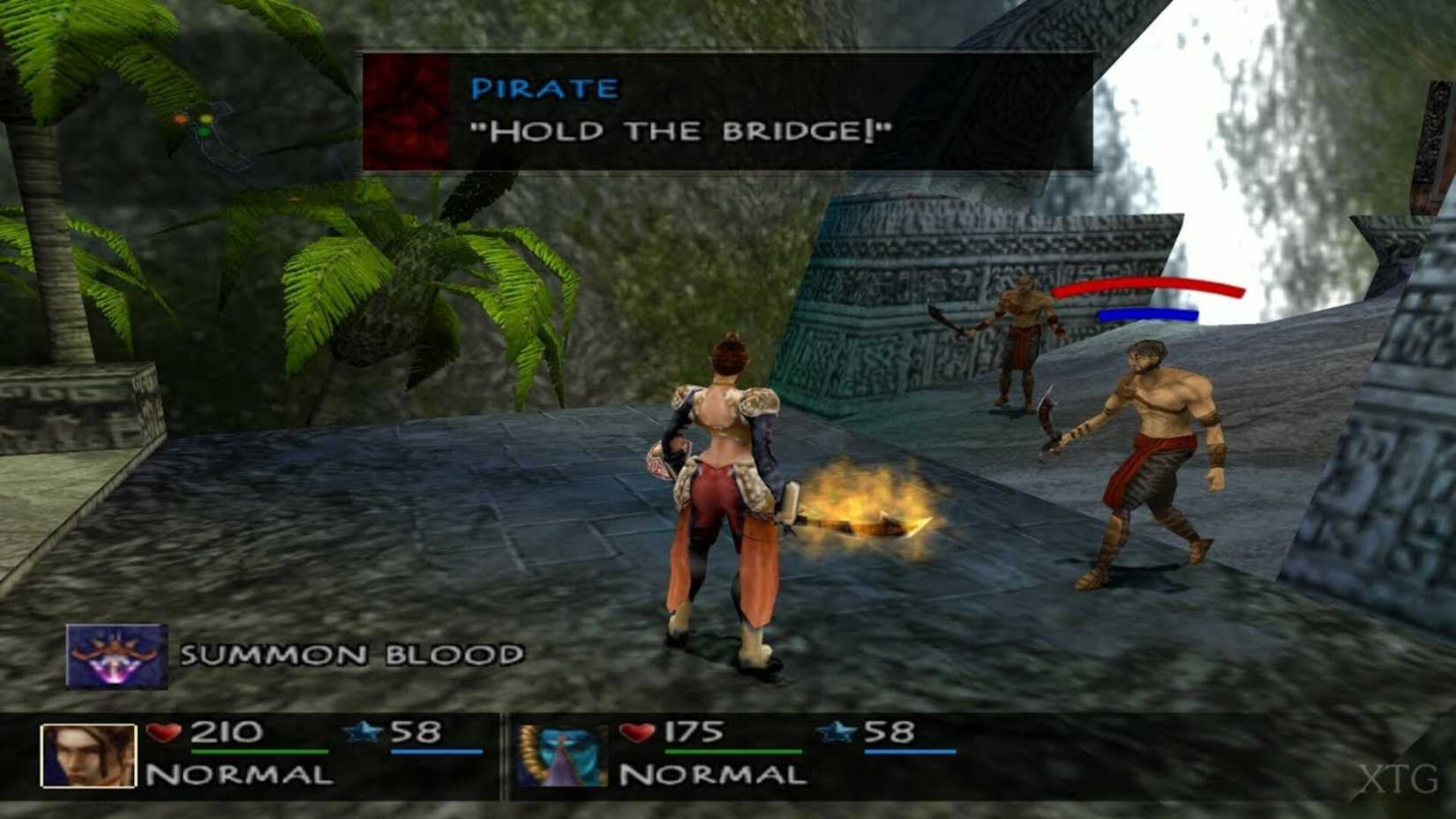
Summoner 2 was arguably ahead of its time. At a period when "open world" was a buzzword reserved for the Grand Theft Auto series, Summoner 2 attempted to bridge the gap between narrative-heavy RPGs and expansive, explorable environments. While its visuals have aged, its systemic depth—featuring a robust character progression system and a world teeming with side quests—remains impressive. It was an ambitious project from Deep Silver Volition that deserved a longer shelf life than it received.
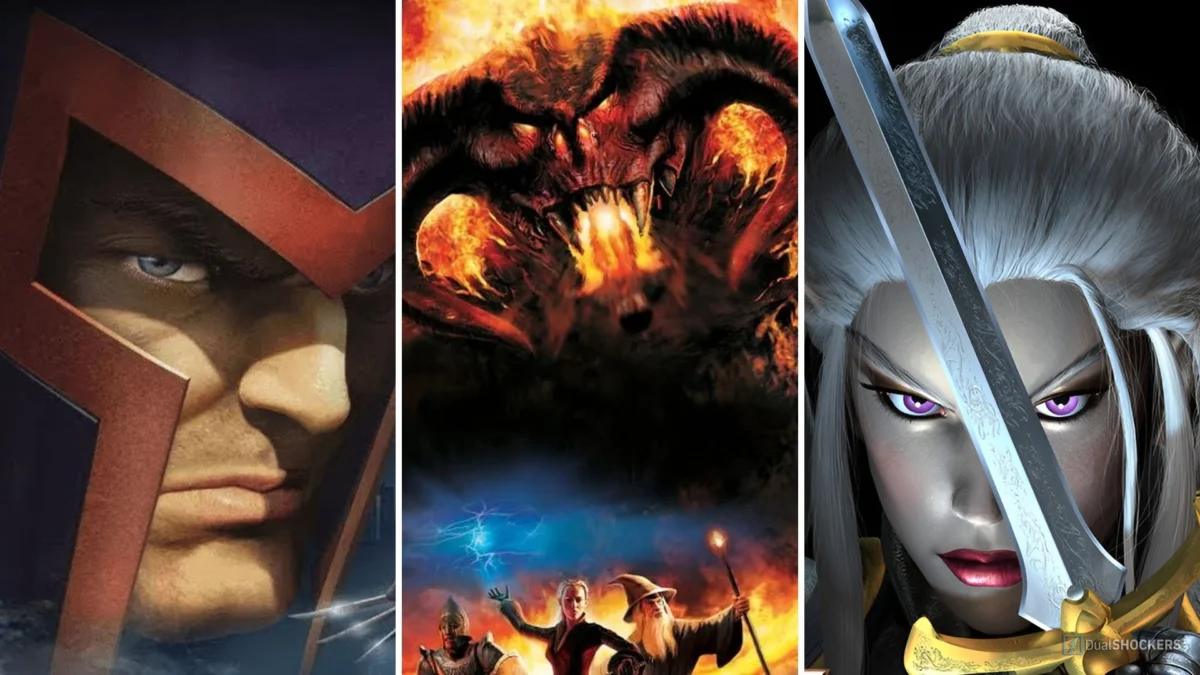
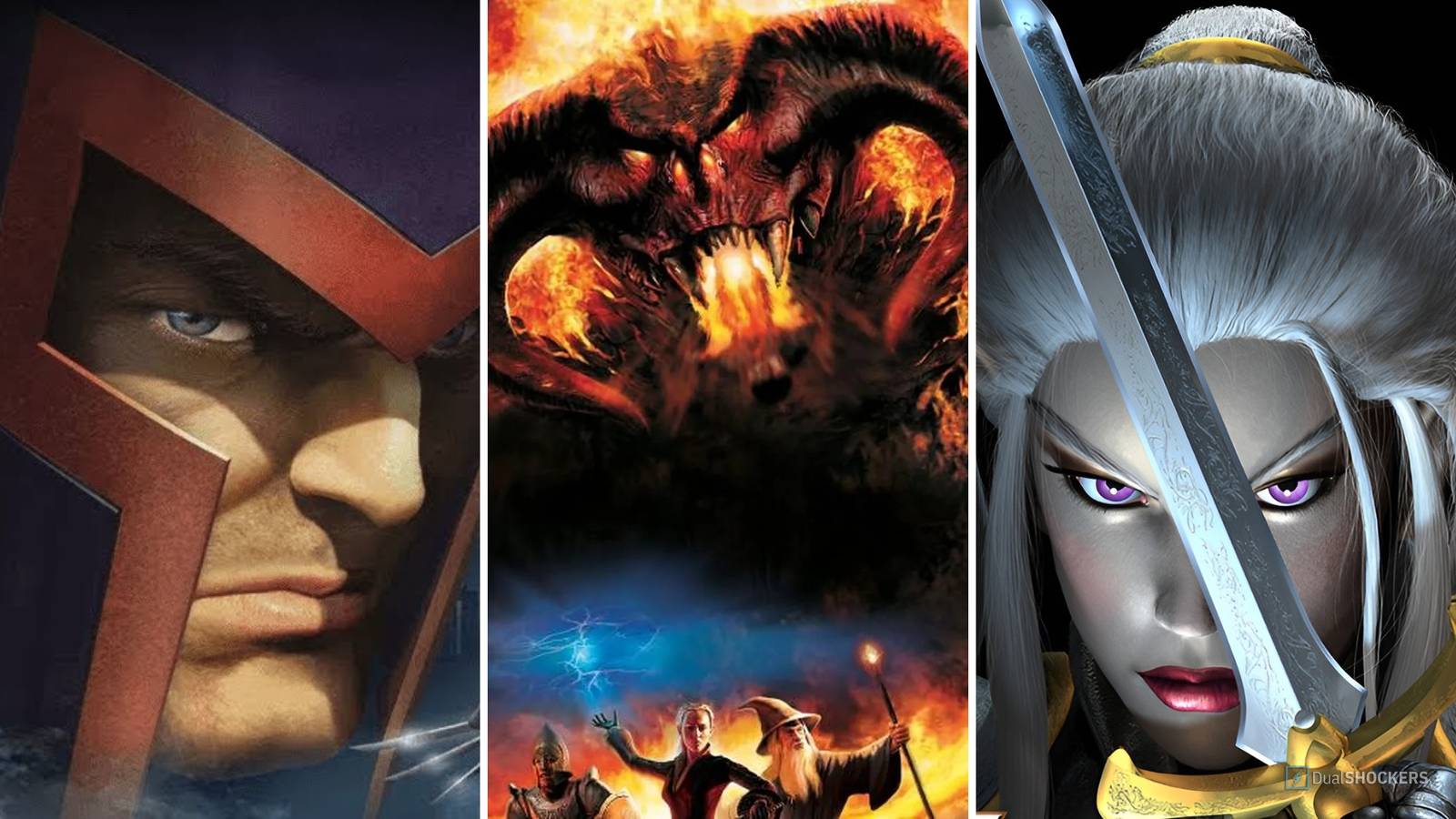
5. X-Men: Legends (2004)
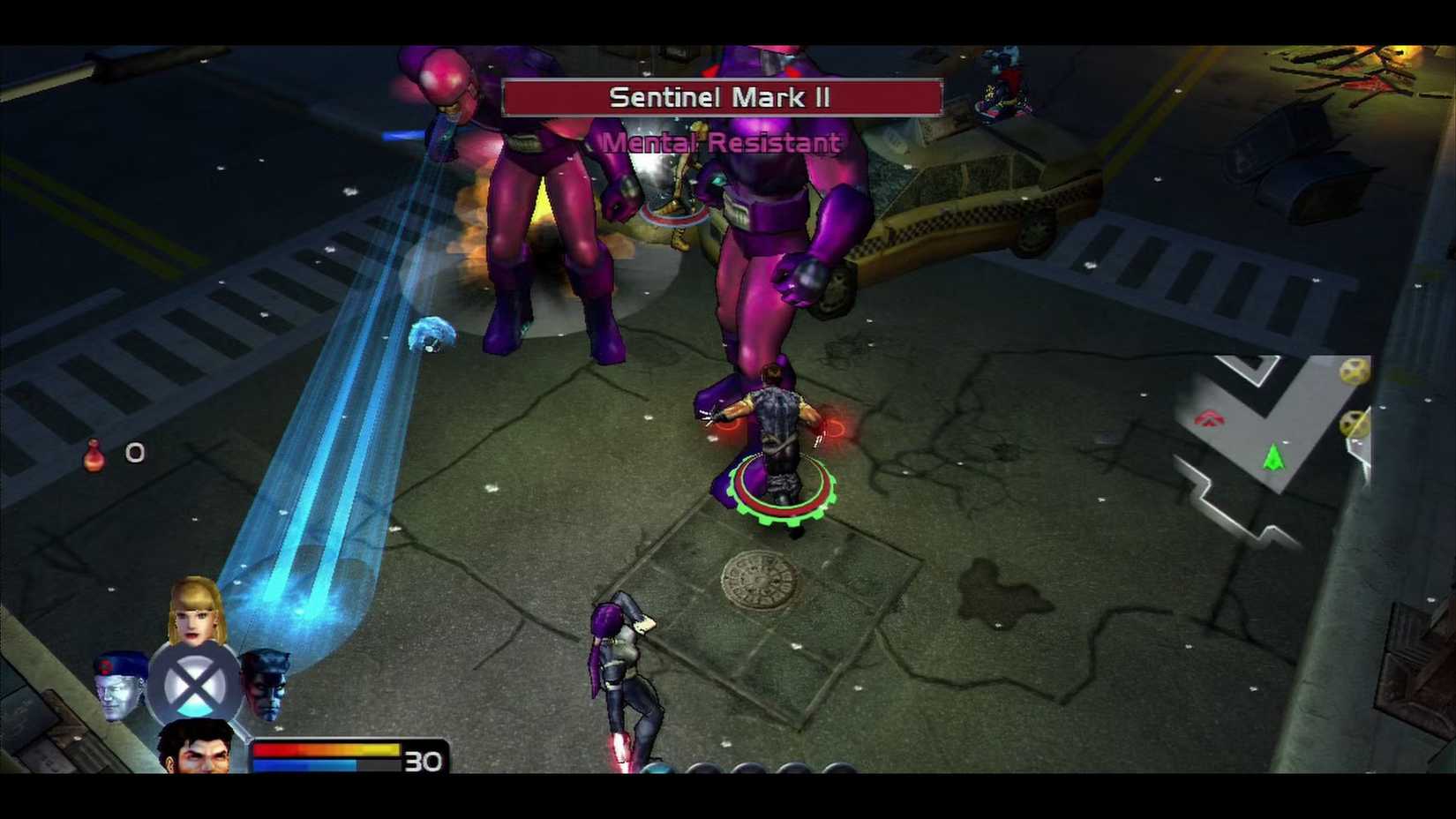
Raven Software’s X-Men: Legends is widely considered one of the finest comic book adaptations in gaming history. By blending the mechanics of a dungeon-crawling RPG with the tactical depth of team-based hero management, it created a blueprint that Marvel Ultimate Alliance would later perfect. The game featured a compelling original story, four-player local co-op, and a level of customization that modern superhero games often lack. Its status as a "lost" title is particularly galling given the enduring popularity of the X-Men franchise.
4. Folklore (2007)
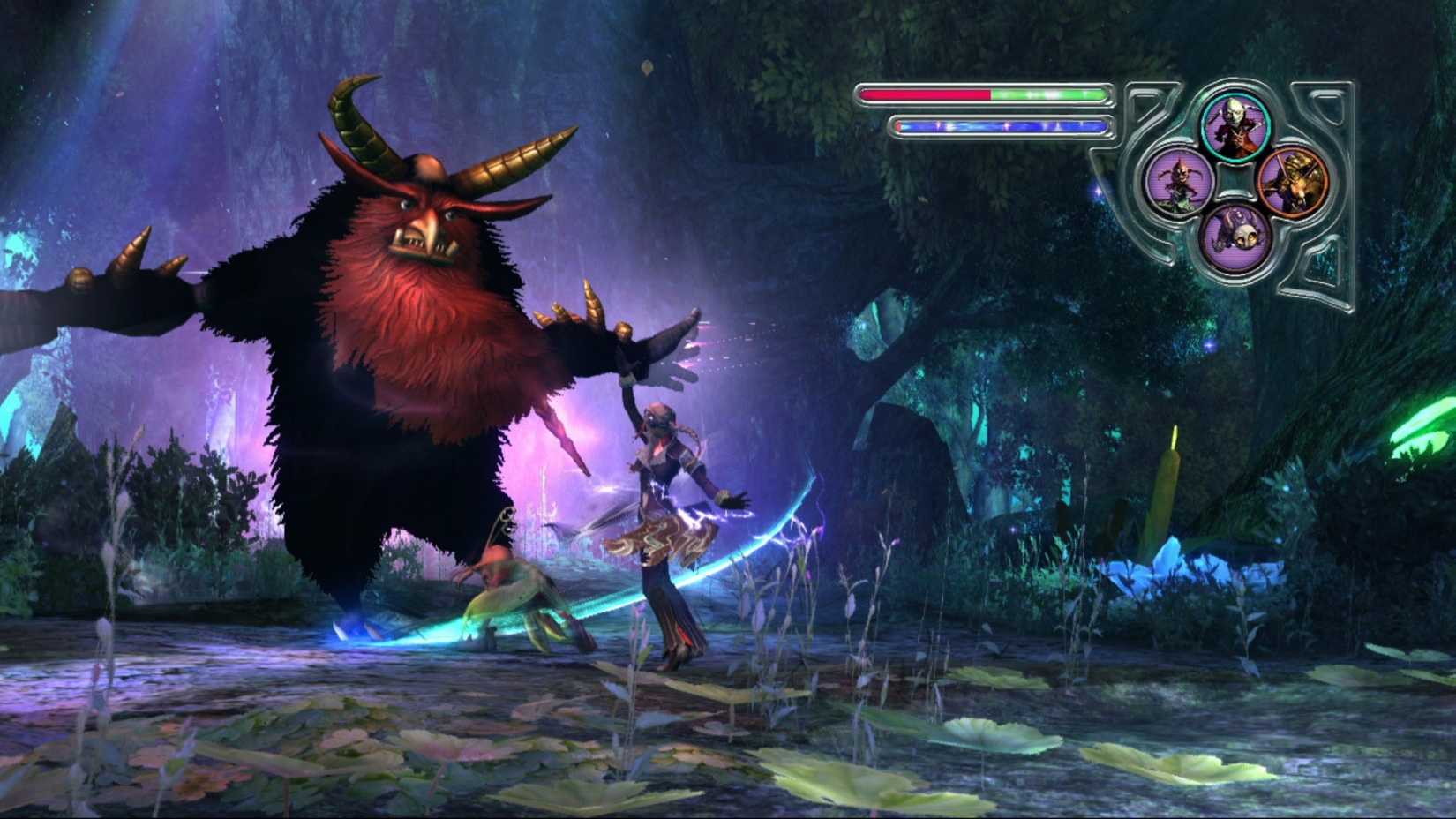
A hauntingly beautiful title from Game Republic, Folklore utilized the PlayStation 3’s hardware to create a dark, atmospheric detective story centered on Irish mythology. Its combat, which involved "absorbing" creatures to use as weapons, was inventive and stylish. The game’s unique aesthetic—a blend of Victorian gothic and surrealist fantasy—has aged remarkably well, yet it remains inaccessible to anyone without an original PS3 disc and console.
3. Marvel Ultimate Alliance (2006)
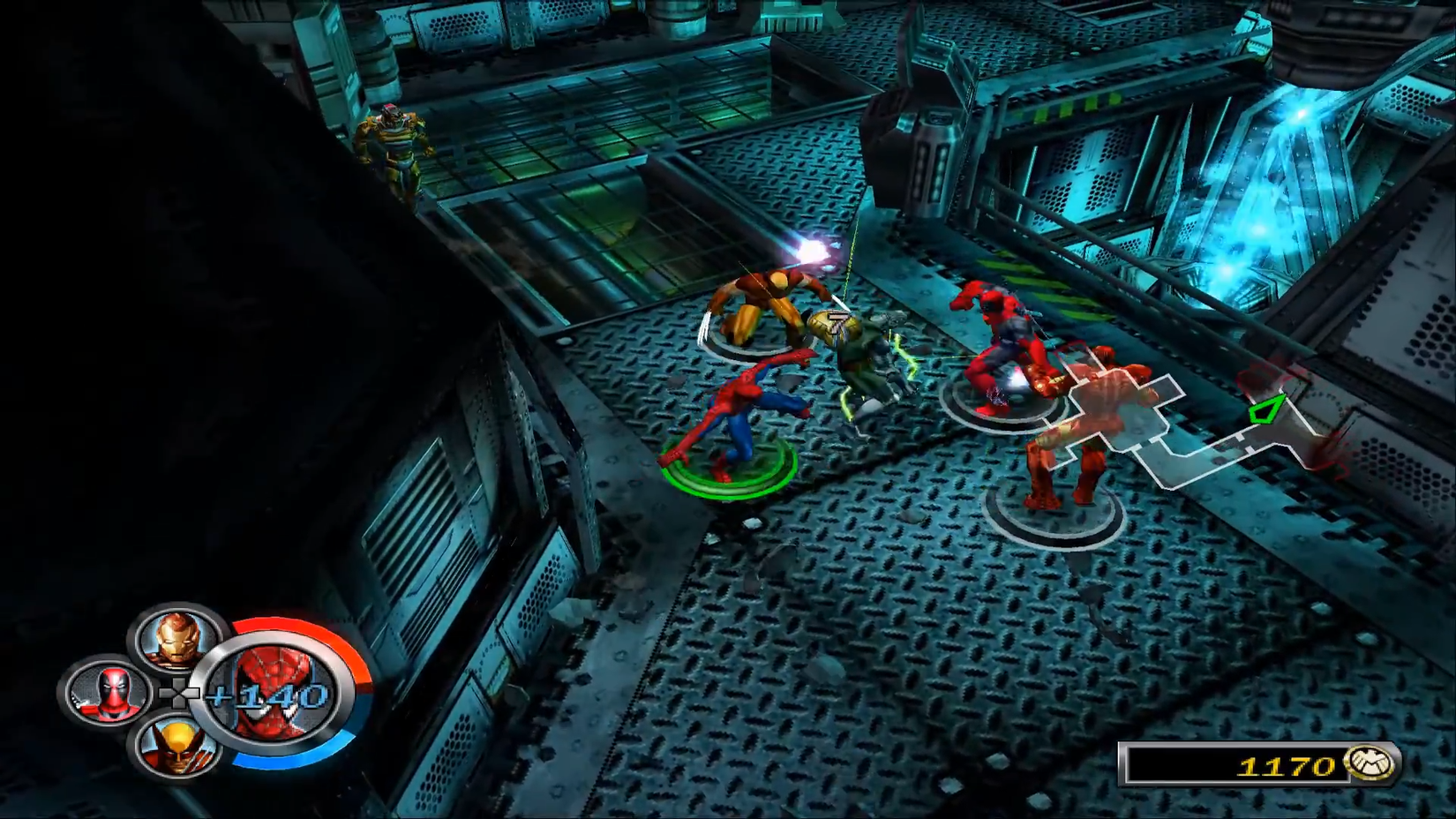
Perhaps the most high-profile casualty of the licensing era, Marvel Ultimate Alliance is a masterclass in the action-RPG format. Following its brief digital lifespan, the game was delisted when Activision’s licensing agreement with Marvel expired. It offered a massive roster of heroes and a dynamic combat system that made the player feel like they were truly controlling the Marvel Universe. The lack of a modern, purchasable version remains a major point of frustration for fans of the genre.
2. The Lord of the Rings: The Third Age (2004)
At the height of the film trilogy’s popularity, this turn-based RPG dared to do something different. It essentially took the combat mechanics of Final Fantasy X and applied them to Middle-earth. By following a separate, parallel Fellowship, the game allowed players to participate in key events of the lore while maintaining its own identity. It is a deep, strategic, and surprisingly faithful experience that has been unfairly sidelined by history.
1. Champions of Norrath (2004)
Sitting at the top of this list is the pinnacle of the PS2 hack-and-slash era. As a spin-off of the EverQuest MMO, Champions of Norrath captured the addictive loop of dungeon crawling, loot hoarding, and class-based combat perfectly. Its co-op experience was unmatched for the time, offering a gritty, mature tone that contrasted with the more whimsical RPGs of the day. It is the definitive example of a "perfect" game that is tragically locked away.
Implications for the Industry
The existence of these titles as "legacy-only" products raises critical questions about the ethics of digital preservation. When a game is removed from sale and no physical or digital path exists to purchase it legally, the industry essentially deletes a portion of its own cultural heritage.
The primary implication is the rise of piracy and emulation. Because developers and publishers fail to provide a legal pathway to access these games, fans have taken matters into their own hands, building sophisticated emulators to keep these titles playable on modern hardware. While this keeps the games alive, it highlights a failure in corporate asset management.
Furthermore, the "trapped" status of these games creates a barrier for newer generations of gamers. These players are deprived of the opportunity to see the evolution of mechanics—to see how King’s Field birthed the Souls genre, or how X-Men: Legends laid the groundwork for modern team-based brawlers.
Official Responses and the Future
To date, most publishers have remained tight-lipped regarding the possibility of remasters for these specific titles. In interviews, representatives from companies like Activision or Sony often cite the "cost-to-benefit ratio" of re-licensing and remastering older games as a primary deterrent. For a major corporation, the legal hurdles of clearing music, likeness rights, and intellectual property trademarks for a twenty-year-old game often outweigh the projected revenue of a modest digital release.
However, there is hope. The growing success of niche retro-focused publishers—such as Nightdive Studios, which specializes in restoring classic titles—suggests that there is a viable market for these games. If the industry were to pivot toward a model of "preservation as a service," perhaps these legendary titles could be brought back into the fold, ensuring that the history of the RPG genre is not just remembered, but experienced by future generations.
Until then, these games remain in a state of suspended animation: waiting in dusty attics and old consoles, representing a time when RPGs were experimental, daring, and unapologetically themselves.