The smartphone market has, by many accounts, reached a period of relative plateau. Year-over-year updates have felt incremental, often focusing on minor chip speed bumps or iterative camera adjustments. However, following the mixed reception of the iPhone 17 series—which introduced the ambitious but struggling iPhone Air and a sophisticated unibody design for the Pro—industry analysts are turning their gaze toward the horizon. The upcoming iPhone 18 Pro is shaping up to be a critical inflection point for Cupertino. With rumors of a fractured release schedule, a potential move to 2nm chip architecture, and a significant shift in hardware design, the iPhone 18 Pro may represent Apple’s most aggressive attempt to redefine the premium smartphone experience.
Main Facts: The Evolution of the Pro Series
The iPhone 18 Pro is not merely a smartphone; it is expected to be a testbed for Apple’s next-generation hardware philosophy. Based on current industry whispers and supply chain leaks, the device will likely solidify the transition toward a more "unified" internal architecture.
The primary highlights currently circulating in the tech community include:
- A20 Pro Chipset: The industry anticipates the integration of the 2nm A20 Pro chip, a technological milestone that promises unprecedented energy efficiency and raw performance.
- Variable Aperture Optics: A potential departure from fixed-aperture lens systems, providing users with hardware-level control over depth of field, mimicking traditional DSLR behavior.
- Battery Density: Reports suggest the iPhone 18 Pro Max may house a massive 5,500 mAh battery, a significant increase in capacity that aims to satisfy the power-hungry demands of advanced AI and high-fidelity mobile gaming.
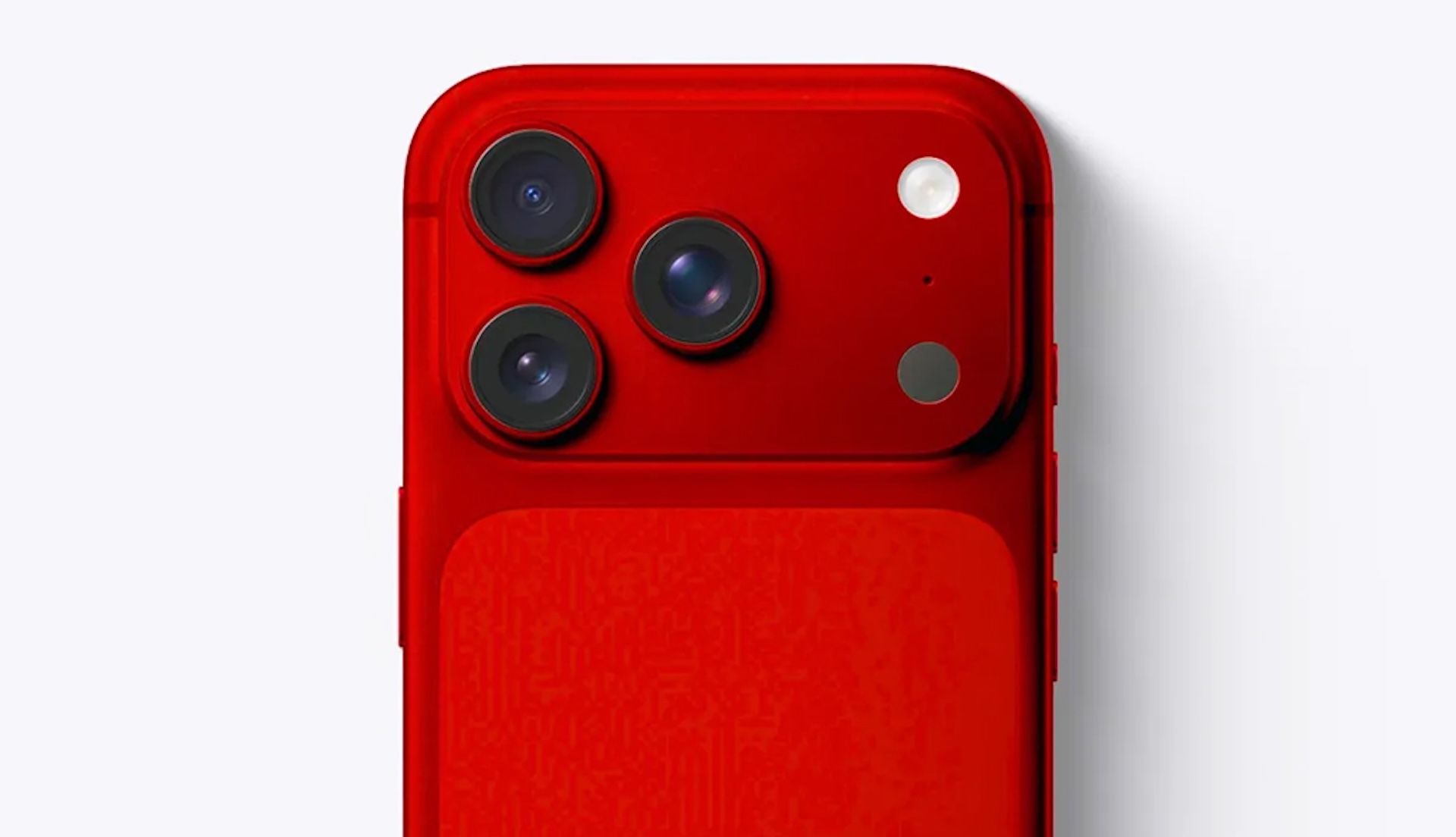
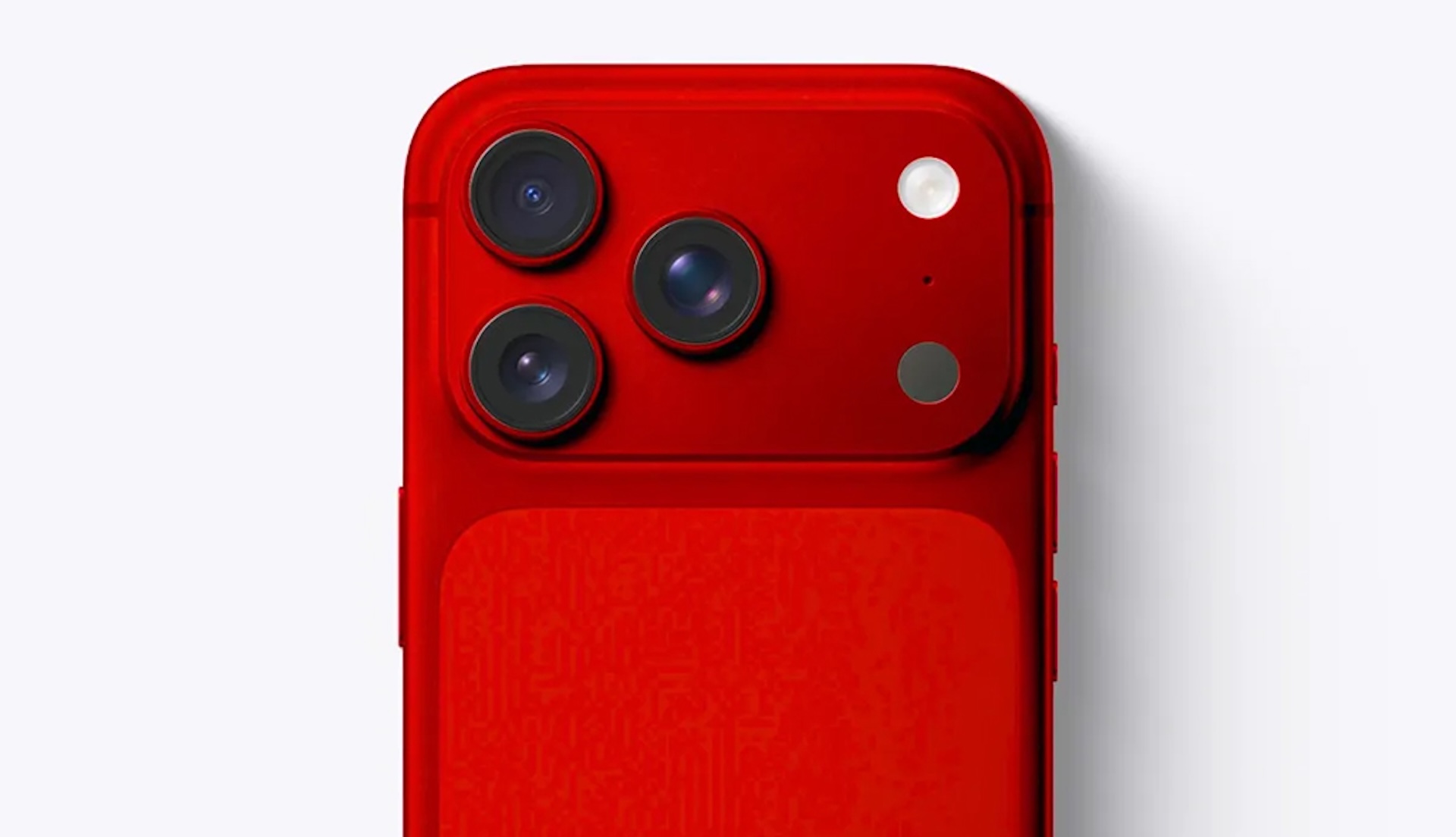
- Refined Aesthetics: A move away from the polarizing two-tone back panel of the 17 Pro, favoring a cleaner, more cohesive aesthetic that aligns with the premium price point.
Chronology: A Disrupted Roadmap
For years, Apple’s release schedule has been as predictable as the seasons. A September announcement followed by a mid-month retail launch has been the standard for over a decade. However, 2026 is poised to break that tradition.
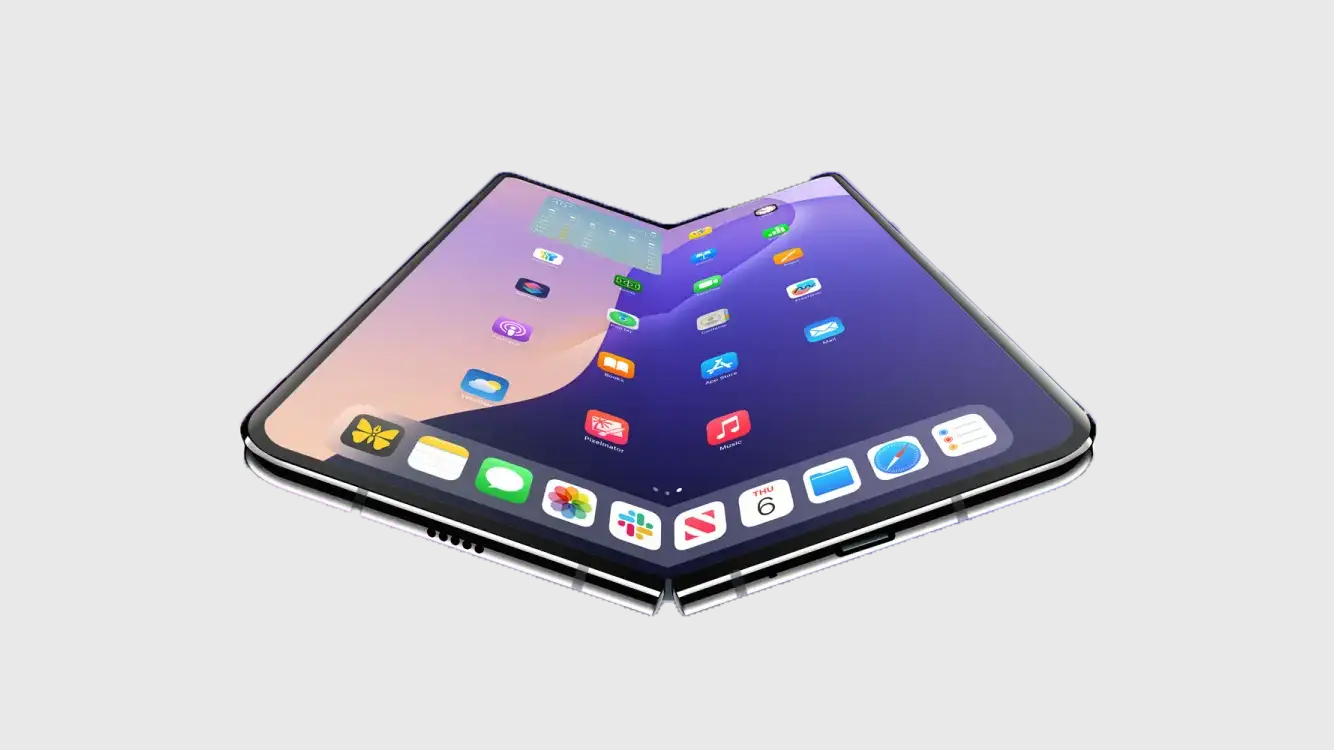
Evidence suggests that Apple is contemplating a "split-launch" strategy. This approach would see the high-end, premium "Pro" and "Pro Max" models debut in the traditional September window, while the standard, entry-level iPhone 18 could be pushed back to a spring 2027 release. This creates a strategic buffer, allowing Apple to focus marketing efforts on its high-margin devices during the holiday season, while preventing the standard model from being overshadowed by the "Ultra" folding device rumored to be in development.
This shift acknowledges a growing gap between the needs of the average consumer and the "prosumer" demographic. By decoupling these releases, Apple effectively creates two distinct product cycles, potentially maximizing market saturation throughout the calendar year.
Supporting Data: Why the Shift?
The push toward a 2nm architecture is not just for bragging rights; it is a necessity driven by the integration of large-scale AI models. As Apple continues to push its "Siri AI" and on-device machine learning capabilities, the computational overhead has increased exponentially. A 2nm process allows for higher transistor density, which translates to better thermals. Given that the iPhone 17 Pro introduced a vapor chamber cooling system to manage its performance, the A20 Pro is the logical next step in stabilizing that thermal envelope.
Furthermore, the weight of the device is a data point of interest. With a rumored 5,500 mAh battery and potentially larger sensor modules, the iPhone 18 Pro is expected to tip the scales at 240 grams. For context, this would make it the heaviest iPhone in history. While the increased weight may be a point of contention for users accustomed to lighter, more ergonomic handsets, it is the trade-off for the "power-user" experience that Apple is clearly prioritizing.
The Camera: Toward DSLR Quality
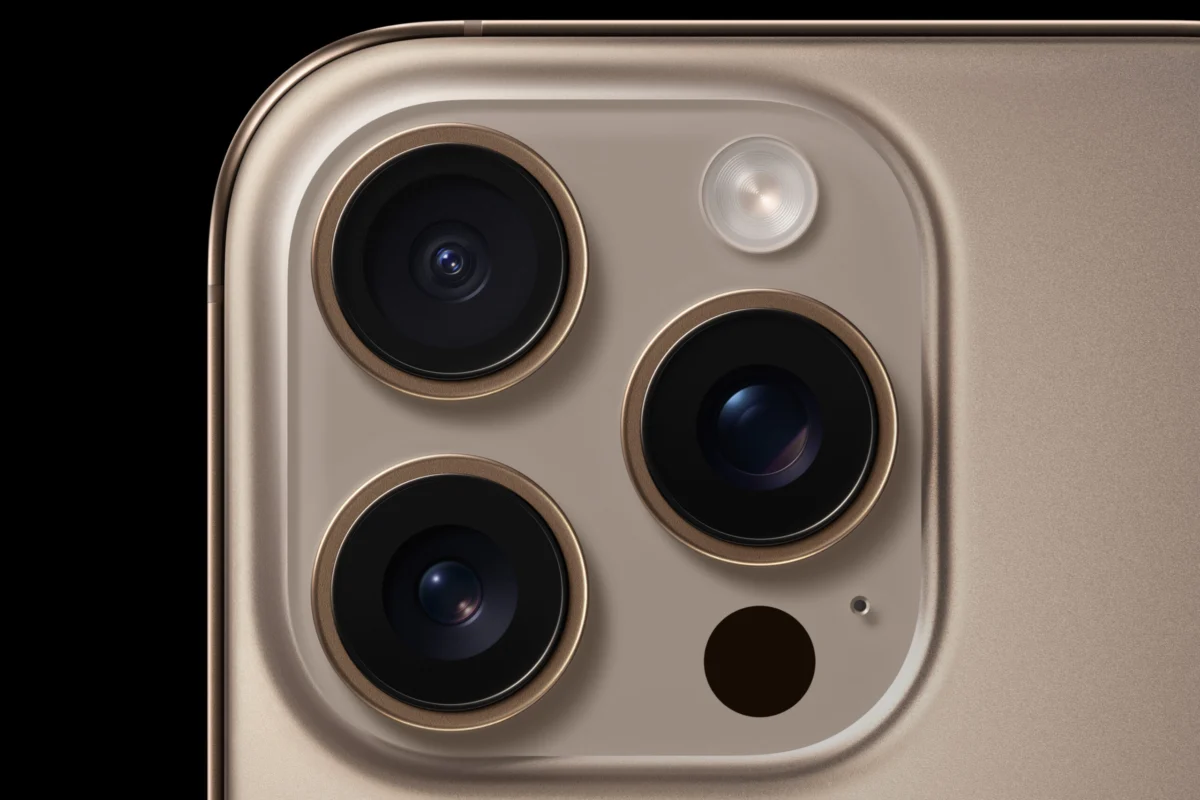
Photography remains the primary driver of iPhone sales. While the 48MP array on the 17 Pro set a high bar, the 18 Pro is expected to introduce a variable aperture main camera. Unlike previous iterations, which relied heavily on software computational photography to simulate depth-of-field (the "Portrait Mode" effect), a physical aperture would allow for natural, optical bokeh.
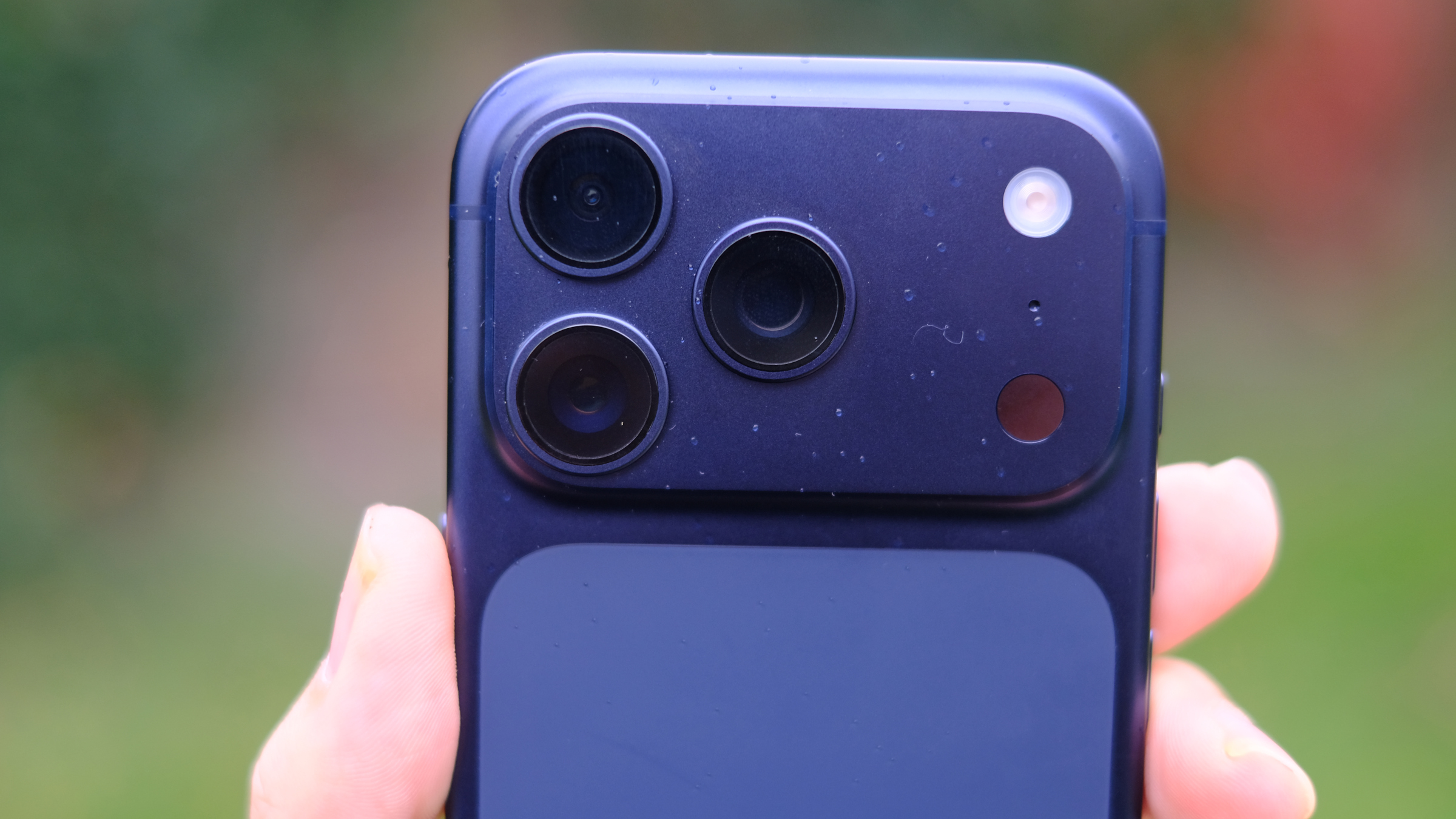
This feature, if implemented correctly, would bridge the gap between "point-and-shoot" mobile photography and professional-grade cinematography. It signifies a shift in Apple’s strategy: rather than relying solely on image processing, the company is investing in physical hardware to achieve organic image results, a move likely welcomed by mobile videographers and content creators who rely on the iPhone as their primary production tool.
Official Responses and Corporate Strategy
While Apple remains famously tight-lipped regarding unreleased hardware, the corporate narrative surrounding the iPhone 18 is clear: refinement through segmentation. In recent earnings calls, Apple executives have underscored the company’s focus on the "premium" segment of the market. The high demand for Pro models relative to the standard lineup provides the fiscal justification for this shift.
Industry experts interpret this as a move to combat the stagnation of the smartphone market. By introducing a folding "Ultra" device, a high-end "Pro" line, and a standard model, Apple is attempting to diversify its portfolio to prevent "upgrade fatigue." The company’s silence is a calculated maneuver; by letting the rumor mill speculate, they maintain consumer interest without cannibalizing sales of the current iPhone 17 series.
Implications: The Cost of Innovation
The most sobering aspect of the iPhone 18 Pro rollout is the projected pricing. The global semiconductor landscape has been volatile, and the high cost of developing 2nm process technology is being passed down the supply chain.
Analysts predict a starting price increase of between $50 and $200. This could push the entry-level price of the 18 Pro to an eye-watering $1,299. The implication is clear: Apple is positioning the iPhone as a luxury asset. For the consumer, this requires a recalculation of the device’s "useful life." If the price of entry rises, the expectation for software support, build longevity, and repairability also increases.
The economic pressure is compounded by the fact that the original 2007 iPhone launched at $499. The shift to a $1,300 price point illustrates a complete transformation of the product’s identity—from a revolutionary consumer gadget to an indispensable, high-performance professional tool.
Conclusion: A Turning Point
The iPhone 18 Pro is set to be a polarizing device. On one hand, it represents the absolute pinnacle of current mobile engineering—a 2nm chip, a massive battery, and professional-grade optics. On the other, it represents the potential end of the "affordable flagship" era, as costs continue to mount.
Whether the device lives up to the hype will depend on how effectively the hardware translates into real-world utility. For the average user, the weight and the price tag may be difficult to justify. But for those who demand the absolute best from their mobile technology, the iPhone 18 Pro is shaping up to be an essential upgrade. As we approach the 2026 launch, one thing is certain: Apple is no longer content with "good enough." They are betting everything on the idea that the future of the smartphone lies in the extreme.