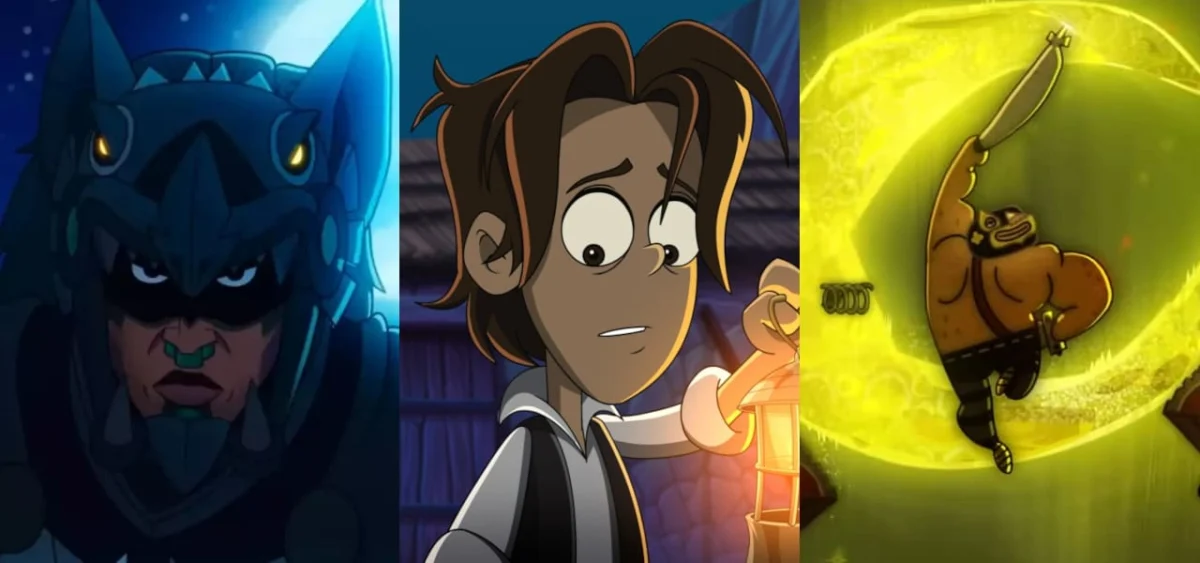
After nearly 24 years of operation, the Mexican animation landscape has been fundamentally altered by the reported collapse of Ánima Estudios. The studio, which for over two decades stood as the titan of the industry in Latin America, has seemingly shuttered its doors, leaving behind a legacy of pioneering success, a trail of unresolved labor disputes, and a profound sense of uncertainty for the future of regional animation.
The closure, which follows months of mounting financial instability and internal turmoil, represents the end of an institution that transformed Mexican animation from a niche, experimental endeavor into a legitimate, commercially viable, and internationally recognized industry.
The Collapse: Facts and Current Status
Reports of the studio’s demise emerged in mid-July 2026, when local outlet TV Azteca Laguna documented the emptying of the studio’s physical offices. As of this writing, the company’s official website has been taken offline, and its various social media channels have been deactivated.
Industry insiders and former employees have confirmed that operations have ceased, and projects currently in the pipeline have effectively been halted. Despite the gravity of the situation, Ánima Estudios’ leadership has remained silent. No formal press release, statement of insolvency, or explanation for the sudden disappearance of the brand has been issued by the studio’s founders or its primary stakeholders.
This lack of transparency has compounded the distress for the creative workforce. Dozens of artists and production staff now find themselves in a precarious professional vacuum, with many reporting that their ongoing projects have been scrapped without warning or compensation.
A Timeline of Decline: From Growth to Instability
The downfall of Ánima was not an overnight occurrence but rather the culmination of a deteriorating financial situation that began to manifest in early 2025.
- Early 2025: Signals of fiscal distress began to emerge as the studio experienced a series of project delays. Sources indicate that internal layoffs started to accelerate as the company struggled to maintain its overhead.
- Spring 2026: The situation reached a breaking point. Cartoon Brew began receiving anonymous communications from staff regarding severe payment irregularities.
- April 2026: Public allegations surfaced in La Crónica de Hoy, where employees reported that some wages had gone unpaid for up to five months. Reports suggested that employees were being dismissed without legally mandated severance, and in some cases, were stripped of their social security benefits without notice.
- July 2026: The physical offices in Mexico City were vacated, signaling the final dissolution of the studio’s operational footprint.
The Human Cost: Labor Disputes and Irregularities
The most alarming aspect of the studio’s closure is the treatment of its workforce. For years, Ánima was the primary destination for the country’s top animation talent. However, the final months of the studio were characterized by a reported breakdown in labor relations.
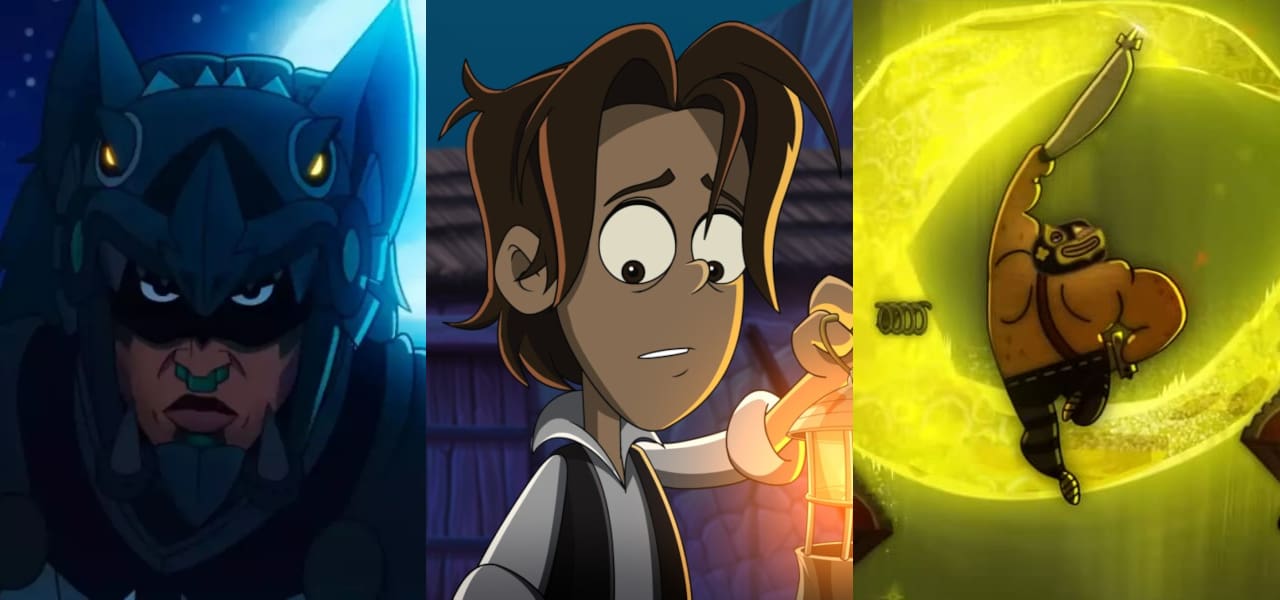
Beyond the unpaid wages, former employees have alleged that the management’s approach to the financial crisis was one of complete avoidance. The removal of employees from government social security systems—a critical safety net in Mexico—has drawn sharp criticism from labor advocates. The fact that over 60 employees were reportedly dismissed in a manner that denied them basic financial compensation underscores a systemic failure in the company’s final governance.
Institutional Significance: Building an Industry
To understand the weight of this closure, one must look at the foundation laid by founders Fernando de Fuentes and José C. García de Letona in 2002. At the time of the studio’s inception, theatrical animation in Mexico was almost exclusively dominated by imported Hollywood productions.
Ánima changed that narrative. Their debut feature, Magos y Gigantes (2003), proved that a local studio could produce feature-length content that resonated with domestic audiences. Over the next two decades, they produced more than two dozen films, creating a blueprint for the "commercial animated feature" in Mexico.
The Leyendas Franchise
The studio’s most significant cultural contribution was undoubtedly the Leyendas series. Beginning with La Leyenda de la Nahuala in 2007, the franchise successfully tapped into Mexican folklore and supernatural history. By creating a recurring cast and a consistent tone—blending horror, comedy, and regional identity—Ánima built the first truly successful homegrown animated franchise in Latin America.
The success of La Leyenda de la Llorona, La Leyenda de las Momias de Guanajuato, and La Leyenda del Chupacabras demonstrated that local stories could outperform international imports at the local box office. This success paved the way for the Netflix original series Legend Quest (2017) and Legend Quest: Masters of Myth (2019), which brought Mexican animation to a global audience of millions across 190 countries.
International Collaboration
Ánima’s reach extended far beyond domestic borders. They were a key partner for media giants including Disney, Warner Bros., Cartoon Network, and Mattel. Their production of El Chavo Animado—based on the iconic sitcom—became a regional sensation.
Perhaps their most ambitious project was last year’s Aztec Batman: Clash of Empires. In collaboration with Warner Bros. Animation and Chatrone, the film was a landmark for the studio, moving them from a "service vendor" role to a lead production entity. The film, which reimagined the Batman mythology within the context of the Spanish conquest of the Aztec Empire, was a testament to the studio’s creative ambition and its ability to handle high-profile, globally recognized intellectual property.
.png)
The Financial Web: Who Owned Ánima?
The lack of clarity regarding the studio’s closure is further complicated by its complex ownership structure. While the studio was founded by de Fuentes and García de Letona, the company’s capital structure shifted significantly over the years.
In 2017, the private equity firm LIV Capital acquired a majority stake in the company, following a series of previous investments. Later, AG Studios joined as an investor. The involvement of private equity often leads to a shift in priorities, focusing heavily on short-term profitability and asset liquidation, which may have contributed to the internal instability that ultimately brought the company down. The lack of public discourse from these stakeholders suggests that the "autopsy" of Ánima’s finances may remain a private, legal matter for some time.
Implications for the Future
The disappearance of Ánima Estudios leaves a massive void in the regional ecosystem. For nearly 25 years, the studio acted as the primary "school" for the industry. The animators, directors, and production managers who cut their teeth at Ánima now populate the rest of the Mexican animation sector and international studios.
While Mexico’s animation industry is more robust and globally connected today than it was in 2002, the loss of an "anchor" studio of this size is a major blow. It raises questions about the sustainability of large-scale production in the region and the risks associated with the dependency on specific funding models and private equity.
The projects that were in development—including the highly anticipated La Venganza del Charro Negro and the collaboration with Jorge R. Gutiérrez on El Guapo vs. the Narco Vampires—are now in limbo. The fate of these intellectual properties remains tied up in what will likely be a lengthy and convoluted legal process.
For now, the story of Ánima Estudios serves as a cautionary tale. It is a reminder that even the most successful, institution-building enterprises are vulnerable to the volatility of the modern entertainment market. As the dust settles, the Mexican animation community must contend with the loss of its most visible pioneer, while simultaneously navigating the uncertain path forward in an industry that has suddenly lost its central pillar.