The landscape of desktop fabrication has shifted dramatically in the last few years, moving from rudimentary hobbyist cutters to sophisticated, industrial-grade precision tools. For many makers, the "holy grail" of laser engraving has long been the ability to manipulate glass—not just etching the surface, but creating intricate, three-dimensional designs inside the material. Historically, this required massive, prohibitively expensive industrial lasers. However, the arrival of the xTool F2 Ultra UV laser has shattered that barrier, bringing high-end glass engraving into the residential studio.
The Technological Leap: Why UV Lasers Matter
To understand the significance of the xTool F2 Ultra, one must first understand the physics of laser interaction with glass. Standard diode lasers—the type found in most entry-level craft machines—operate at wavelengths that pass harmlessly through transparent materials like glass. They lack the energy density to interact with the molecular structure of silica.
The xTool F2 Ultra, however, utilizes a specialized 5W UV laser source. UV lasers operate at a much shorter wavelength, allowing them to be absorbed by glass and other transparent materials. This absorption creates a localized micro-fracture or color change within the material, enabling the user to "print" inside the glass. For the modern maker, this means the ability to create personalized awards, complex artistic sculptures, and bespoke home decor with a level of detail previously reserved for commercial manufacturing plants.
A Chronology of Discovery: From Skepticism to Mastery
My journey with the F2 Ultra began with a healthy dose of professional skepticism. As an ecommerce writer who has reviewed countless pieces of creative technology, I have seen many "game-changing" tools fall short of their marketing promises. When the unit arrived at my studio, the setup was surprisingly intuitive, though the technical capabilities of the machine demanded a steep learning curve.
- Week 1: Familiarization. The initial phase focused on standard engraving tasks. I tested the machine on wood, slate, and various plastics. The speed and precision were immediately apparent, significantly outperforming previous-generation diode lasers I had tested for Digital Camera World.
- Week 2: The Glass Challenge. Moving to transparent materials, I began with surface engraving. The clarity of the output was sharp, but the true test lay in the internal engraving capabilities.
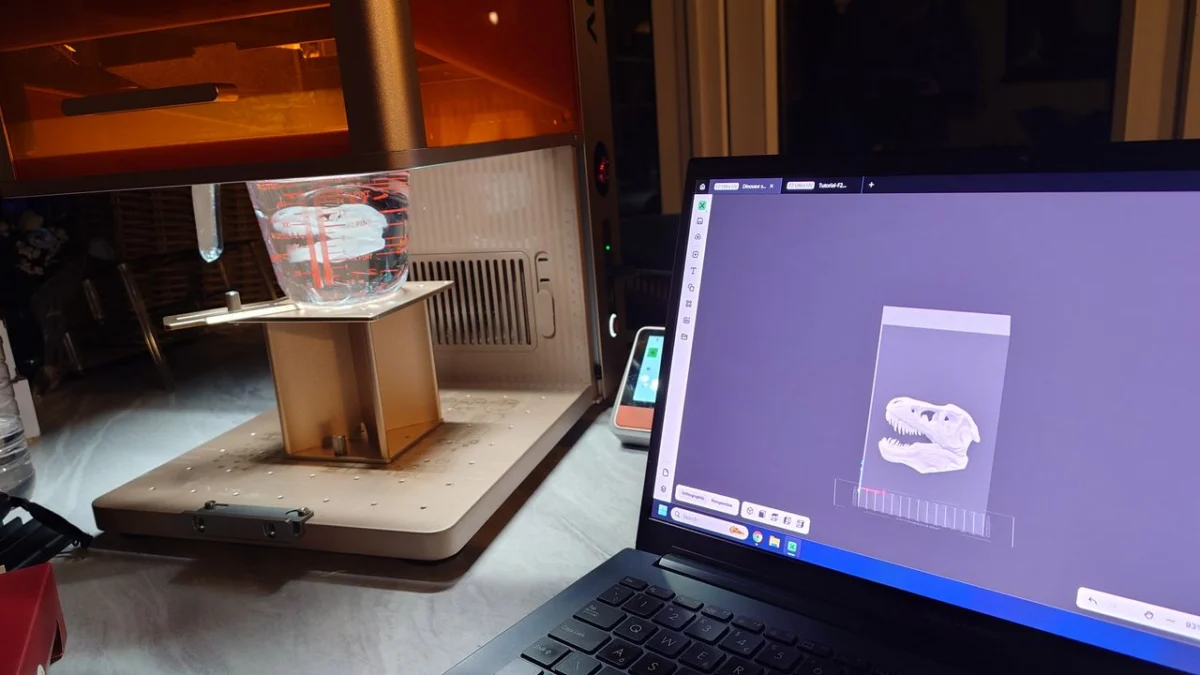
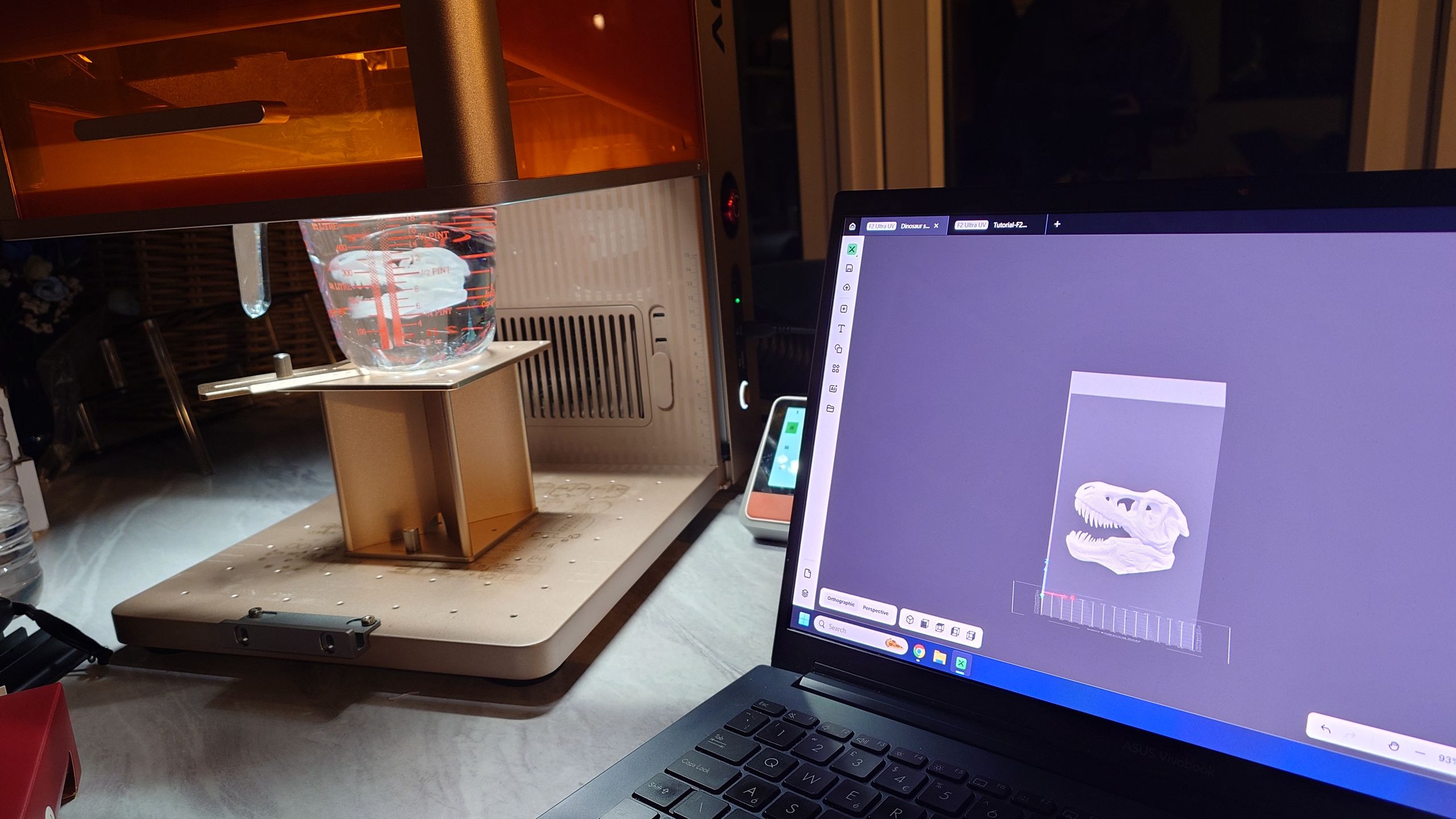
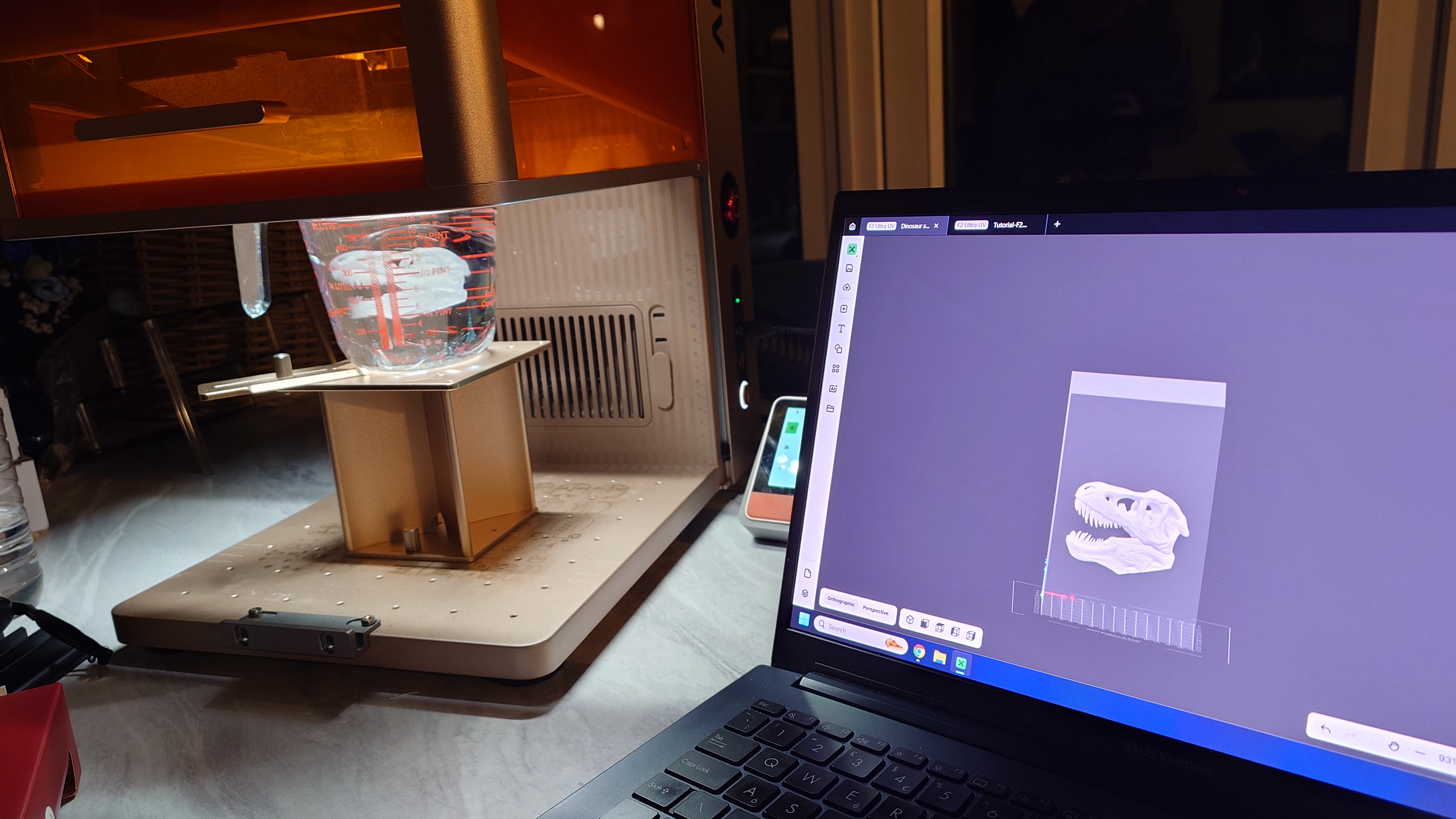
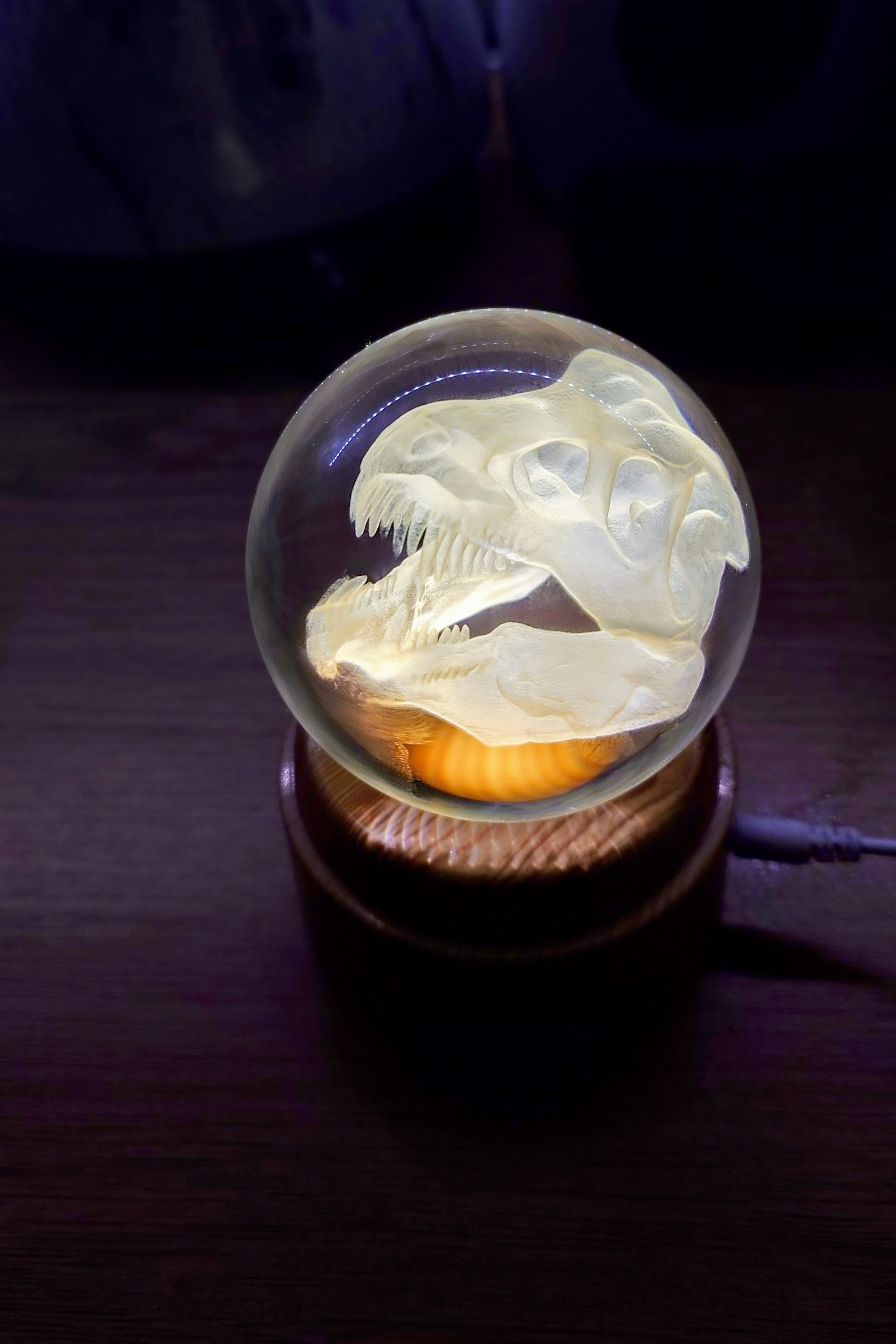
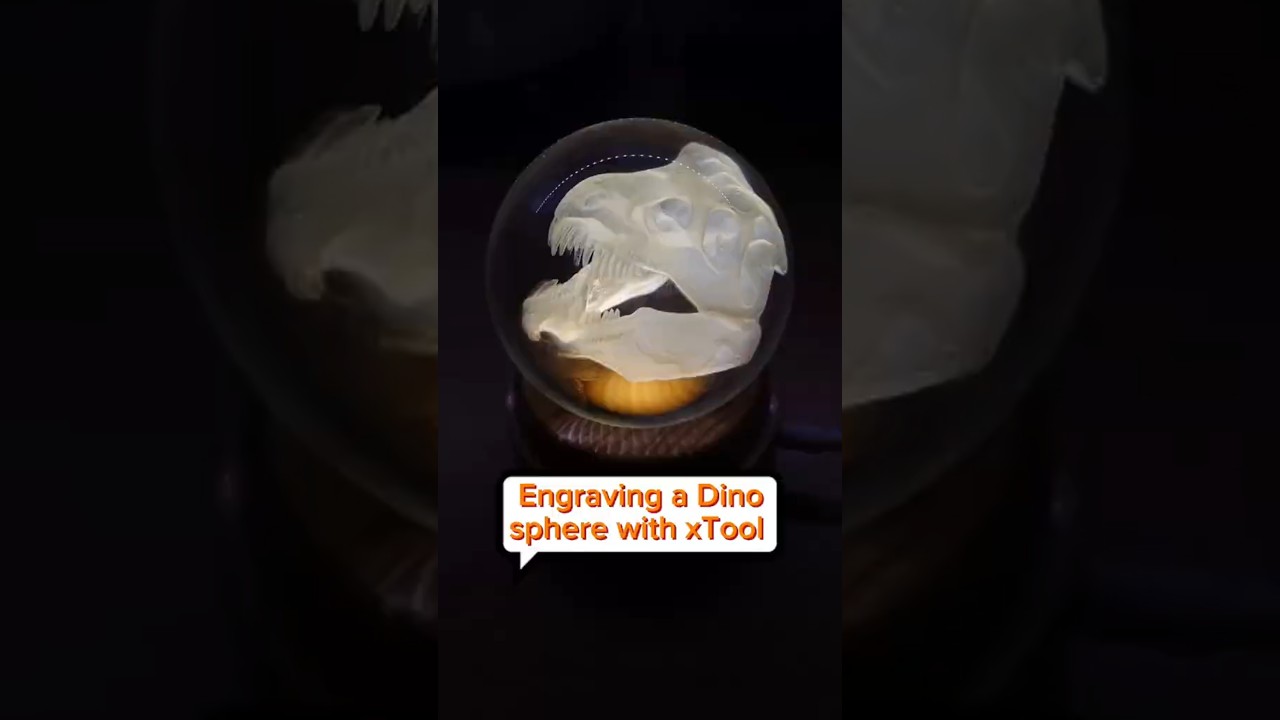
- Week 3: The Dino Sphere Project. The final breakthrough came with the creation of a 3D dinosaur skull suspended inside a solid glass sphere. This required precise focus calibration and software mastery. Seeing the laser trace the delicate structure of the skull inside the glass was a defining moment in my tenure as a tech reviewer.
- Week 4: Batch Processing. With the learning phase complete, I transitioned to high-volume tasks, including custom wedding invitations and branded business cards. The F2 Ultra maintained consistent quality across dozens of units, proving its reliability for small-business applications.
Supporting Data: Efficiency and Performance
The transition from hobbyist experimentation to professional workflow is where the F2 Ultra truly shines. In my testing, the efficiency metrics were staggering compared to traditional methods:
- Speed Efficiency: The F2 Ultra’s galvanometer-based system allows for engraving speeds up to 10,000 mm/s, which is significantly faster than standard gantry-style laser cutters.
- Precision: With a spot size of just 0.02mm, the level of detail is microscopic, allowing for photorealistic engravings that don’t blur or bleed into the surrounding material.
- Material Versatility: Beyond glass, the UV laser is uniquely suited for precious metals (gold, silver, platinum) and sensitive materials like PCB boards, which often burn or melt under the heat of high-power CO2 lasers.
Official Perspectives and the xTool Ecosystem
xTool has been aggressive in its pursuit of the "prosumer" market. The launch of the F2 Ultra is part of a broader strategy to create an integrated ecosystem of tools. Their recent announcement of the O1 omni 4-in-1 texture printer further cements their position as a leader in digital crafting.
In conversations regarding the development of the F2 Ultra, xTool engineers have emphasized the importance of "democratizing industrial tech." The company’s design philosophy focuses on safety-first software (preventing the accidental activation of the high-energy UV beam) and a simplified user interface that hides the complexity of laser physics behind a user-friendly drag-and-drop dashboard.
The Broader Implications for the Maker Economy
The emergence of accessible internal glass engraving has significant implications for small businesses, artists, and independent designers:
1. The Rise of Bespoke Manufacturing
The "mass customization" trend is no longer limited to printing names on coffee mugs. With the F2 Ultra, creators can offer truly unique products—like 3D-engraved crystal awards, personalized paperweights, and luxury custom jewelry—at a price point that makes sense for the creator and the consumer.
2. Streamlining Creative Workflows
For many, the biggest bottleneck in production is the manual labor required for finishing. Because the F2 Ultra is so precise and consistent, it eliminates the need for post-processing touch-ups. When batch-processing business cards or delicate invitations, the time saved per unit translates to a direct increase in potential revenue for the small business owner.
3. A New Frontier in Digital Art
We are currently seeing a crossover between traditional sculpting and digital fabrication. Artists are now using 3D modeling software (like Blender or ZBrush) to create complex geometries that are then "injected" into the glass sphere via the laser. This is effectively a new medium of art—one that is static, permanent, and inherently digital in its origin.
Practical Advice for New Users
If you are considering integrating a machine like the F2 Ultra into your home studio, keep the following considerations in mind:
- Safety First: UV lasers are dangerous to the eyes. Always ensure you are using the provided light-shielding enclosures. Never bypass safety interlocks.
- Start Small: Don’t start with a high-value glass sphere. Experiment with inexpensive glass tiles or scraps to understand how your specific material reacts to the laser’s power and frequency settings.
- Invest in Software: The hardware is only as good as the file you feed it. Spend time learning vector design software and how to optimize your files for laser output.
- Ventilation: Even if the laser is "cleaner" than a CO2 model, you are still vaporizing material. Proper ventilation is a non-negotiable requirement for any indoor studio.
Conclusion: The Future is Transparent
The ability to engrave inside a glass sphere isn’t just a party trick; it represents a fundamental change in what is possible for a single individual working out of their home. The xTool F2 Ultra UV laser is a bridge between the industrial capabilities of the past and the creative, decentralized future of manufacturing.
As we look ahead, we can expect this technology to continue shrinking in size and cost, while simultaneously increasing in power. For makers, artists, and entrepreneurs, the message is clear: the only limitation now is the complexity of your imagination. Whether you are creating wedding keepsakes or pushing the boundaries of contemporary sculpture, the tools for your next big project have finally arrived.
Beth is Creative Bloq’s Ecommerce Writer, specializing in finding the best deals on creative technology. With a Master’s degree in Photography and a background in writing for Digital Camera World, TechRadar, and PetsRadar, she brings a deep understanding of visual media and hardware to every review.