

Each week, IndieWire exclusively presents the specialized box office chart, powered by Rentrak, to provide a granular look at the performance of independent and limited-release films. While the summer blockbuster season is dominated by tentpoles and massive theater counts, the specialized market serves as a vital bellwether for arthouse, international, and provocative genre cinema.
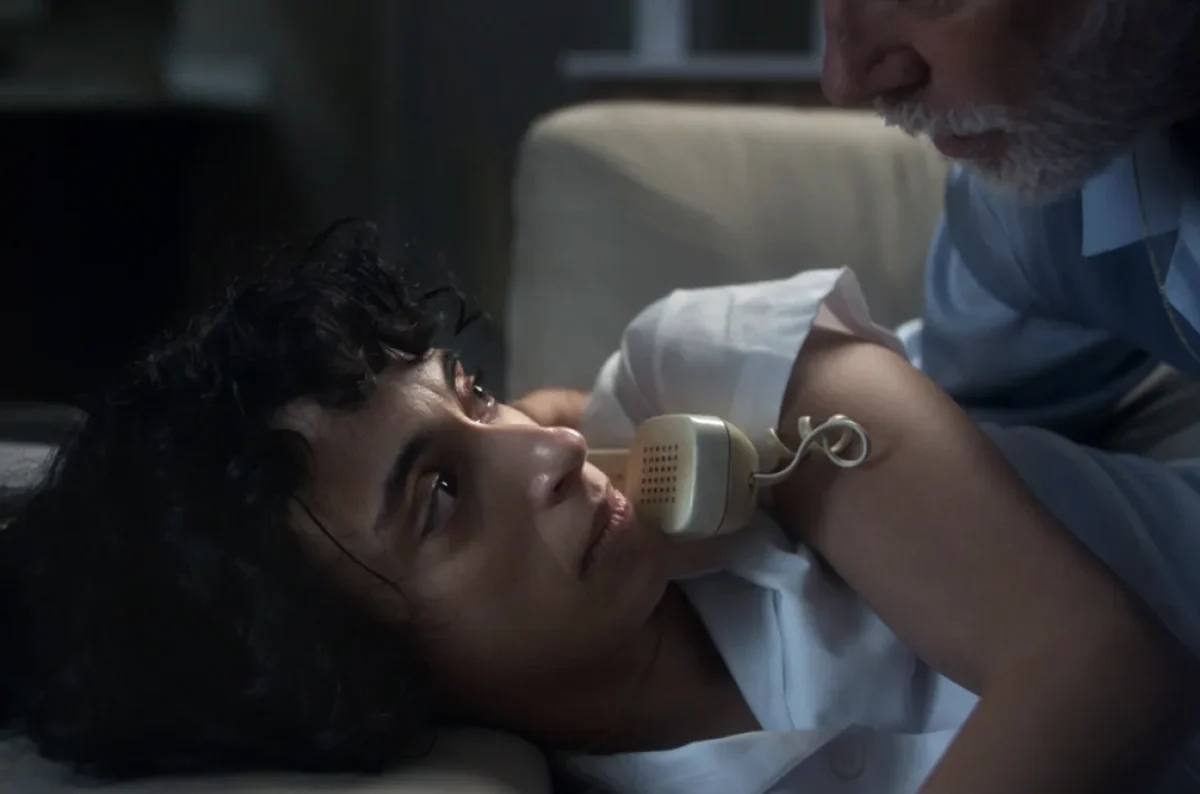
This weekend, the spotlight rests firmly on Georgia Bernstein’s Night Nurse, an erotic, psychosexual thriller that has generated significant industry buzz since its divisive debut at the Sundance Film Festival.
Main Facts: A Debut That Provokes
IFC Films’ latest offering, Night Nurse, officially arrived in theaters this weekend, securing the No. 2 spot on our specialized chart. The film pulled in a respectable $73,573 across 330 screens. While a per-screen average (PSA) of $223 might seem modest by industry standards, the film’s performance must be viewed through the lens of its specific marketing strategy and the intense, often polarizing nature of its content.
Described by critics as one of the most “disturbing, bizarre, and kinky” films of the year, Night Nurse is leaning into its notoriety. By positioning itself as a boundary-pushing piece of art-house erotica, IFC is attempting to capture an audience that is increasingly fatigued by traditional multiplex fare. Early returns suggest that the “shock value” marketing approach is resonating with the targeted demographics that favor high-concept, transgressive storytelling.
Chronology: From Sundance to the Multiplex
The journey of Night Nurse from the snowy mountains of Park City to a national, albeit limited, release has been a closely watched trajectory. During its premiere at the Sundance Film Festival, the film sparked immediate discourse. Audiences were caught off guard by its uncompromising vision, leading to a wave of online criticism and praise that essentially served as free, high-impact marketing.
Following the festival run, the film’s distribution strategy remained focused on a deliberate rollout. Unlike traditional genre films that aim for maximum saturation, IFC utilized a measured approach, betting that the film’s reputation would build over time. This strategy aligns with recent successes in the specialized space, where word-of-mouth—fueled by social media discourse—often outweighs the initial marketing spend.

The debut, while slightly outpacing IFC’s previous 2024 release Saccharine (which opened to $64,000), marks a turning point for the studio’s summer slate. While Saccharine saw a slightly wider footprint, Night Nurse is benefiting from a more targeted cultural conversation.
Supporting Data: The Current Landscape of Specialized Cinema
The specialized box office is a ecosystem defined by agility. As films like The Invite—which topped our charts just last week—"graduate" to wider distribution (now playing in over 1,000 theaters), the gap is filled by endurance players and new entrants.
Magnolia’s Maddie’s Secret continues to be the iron horse of the current cycle. Now in its fourth week, the film managed to hold onto the No. 1 spot on the specialized chart. With a haul of $168,000 on 149 screens, the film experienced a mere 21 percent drop-off from the previous weekend. Its total domestic gross now sits at $817,000, proving that small-scale, high-quality narratives can sustain a theatrical life long after their initial buzz has faded.
Other notable performances this weekend included:
- The Isolate Thief: Sean Bean’s latest action-Western venture, which opened to $19,400.
- Call of My Life: A Nigerian production that demonstrated the growing power of international cinema in North American markets, securing $13,575.
- Barrio Triste: A collaborative effort from the production banner EDGLRD (founded by Harmony Korine) and director Stillz, known for his work with Bad Bunny. The film earned $13,177, highlighting the growing influence of music-adjacent creators moving into experimental feature filmmaking.
Meanwhile, Roadside Attractions’ Lucky Strike fell out of contention for the specialized chart. While the film would have been a strong performer, its expansion to over 500 screens disqualifies it from our specific list, which strictly tracks films below the 500-screen threshold.
Official Responses and Industry Context
The industry reaction to these numbers is one of cautious optimism. For distributors, the challenge is not just getting bodies into seats, but maintaining a presence in a theatrical market that is rapidly consolidating.

"We are looking for films that demand to be seen in a collective environment," says an industry analyst familiar with the IFC strategy. "With Night Nurse, we aren’t just selling a movie; we are selling a ‘moment.’ The figures represent an audience that is hungry for something that challenges the status quo, even if that challenge makes them uncomfortable."
Indeed, the inclusion of films like Barrio Triste underscores a broader shift in the independent sector. The collaboration between high-profile music talent and avant-garde directors like Korine suggests that the future of independent film lies in cross-pollination. When the cultural capital of someone like Bad Bunny meets the aesthetic rigor of an indie studio like EDGLRD, the box office becomes a secondary metric to the cultural impact the film generates.
Implications: What This Means for Future Releases
The success of Night Nurse and the persistence of Maddie’s Secret point to three clear trends for the remainder of the year:
- The Rise of the "Niche Event": As major studios continue to struggle with the consistency of superhero and franchise films, independent distributors are finding success by treating every release as an "event." Whether it is a "disturbing, kinky thriller" or an international drama, the key is defining a specific audience identity.
- The Power of the 500-Screen Ceiling: The decision to cap the specialized list at 500 screens is more relevant than ever. It highlights a tier of cinema that exists in a "Goldilocks zone"—not so small that it is invisible, but not so large that it is crushed by the marketing requirements of a major wide release.
- The Globalization of Niche Content: The strong showing of Call of My Life is not an anomaly. North American audiences are becoming increasingly accustomed to consuming international content, provided it is accessible through digital platforms and high-profile festivals.
As we move into the late summer, the industry will be watching closely to see if Night Nurse can maintain its momentum. If the film continues to hold its screens and generate headlines, it could serve as a case study for how to market "difficult" cinema in a post-pandemic landscape.
For the average cinephile, these numbers represent a reminder that the theatrical experience remains a vital space for the strange, the challenging, and the unconventional. As long as there are stories that provoke, there will be an audience willing to pay the price of admission to see them—regardless of how uncomfortable they might feel in their seats.
Methodology Note
IndieWire’s criteria for inclusion on the Specialized Chart exclusively tracks independent and mini-major distributors. Qualifying films must, at their widest release at any point, remain below the 500-screen threshold. We exclude event cinema, re-releases of catalog titles, and major Bollywood or Chinese North American releases, which operate under a different economic model. Figures are based on domestic results courtesy of Rentrak for the period of 7/10–7/12.










