

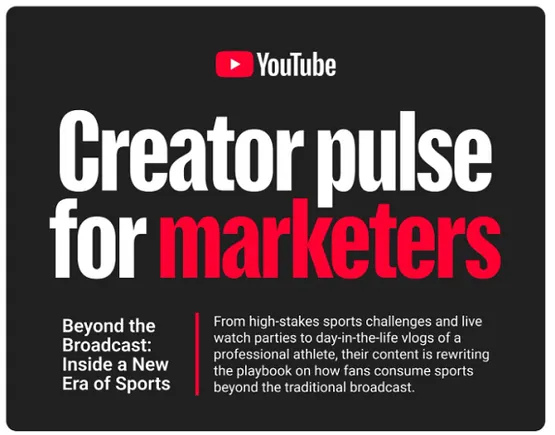
As the global sporting landscape converges with the digital-first economy, the traditional broadcast model is undergoing a seismic shift. With the excitement surrounding the FIFA World Cup 2026 acting as a catalyst, YouTube for Business has released a comprehensive report under its "Creator Pulse" initiative, highlighting the burgeoning influence of sports creators. The findings suggest that for modern brands, the "surround sound" of the game—the content consumed before, during, and after live events—has become the new battleground for consumer attention.
Main Facts: The New Fandom Ecosystem
The core premise of YouTube’s report is that sports consumption is no longer confined to the 90 minutes of a match or the four quarters of a game. Instead, it is a 24/7 engagement cycle. YouTube has identified itself as the primary destination for this auxiliary content.
The data indicates that 66% of Gen Z sports fans actively seek out YouTube content related to their favorite teams and athletes both leading up to and following live sporting events. This behavioral shift has turned professional athletes and sports commentators into media moguls in their own right. By bypassing traditional sports networks, these creators are cultivating direct, intimate relationships with their audiences, offering brands an unprecedented opportunity to tap into highly engaged, niche communities.
Chronology: The Evolution of the Sports Creator
The rise of the "creator-athlete" did not happen overnight. The current landscape is the result of a decade-long evolution in digital content strategy:
- Pre-2015: Athletes primarily used social media for public relations and polished press releases. YouTube was largely a repository for highlight reels.
- 2015–2020: The "vlog era" began. Athletes started offering behind-the-scenes glimpses into their training regimes and personal lives, humanizing figures that were once distant, larger-than-life icons.
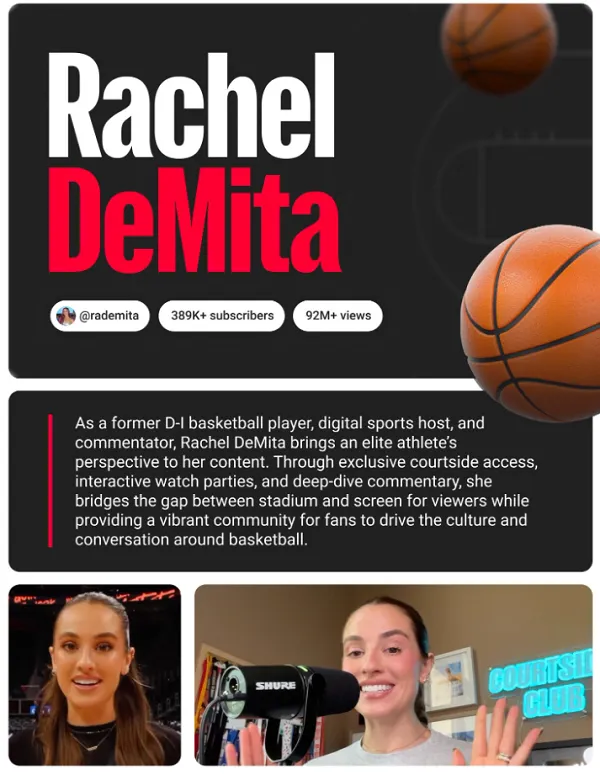
- 2020–2023: The pandemic accelerated digital adoption. As live sports faced uncertainty, creators like Rachel DeMita emerged, bridging the gap between professional sports and digital storytelling. DeMita’s pivot from college basketball to a full-time media personality served as a blueprint for the modern athlete-creator.
- 2024–Present: The "Professionalization" phase. With the impending 2026 FIFA World Cup, platforms are aggressively formalizing sports-creator partnerships. YouTube’s October update to its "Select" line-up, which added granular sports categories, marks the current frontier of this transition.
Supporting Data: Understanding the Audience
YouTube’s report provides a roadmap for marketers, grounded in the reality of Gen Z viewing habits. The "Creator Pulse" overview specifically highlights the "Surround Sound" effect—a term used to describe the ecosystem of reactions, analyses, training tips, and lifestyle content that orbits any major sporting event.
Key Metrics and Examples
- The Haaland Effect: YouTube points to Erling Haaland, the Norwegian soccer phenom, as the gold standard. With over 3.29 million subscribers, Haaland’s channel is not just a collection of goals; it is a lifestyle brand. By allowing fans into his world, he creates an emotional stake that traditional commercials cannot replicate.
- The Media Platform Model: Rachel DeMita represents the "media-native" athlete. Her ability to blend commentary, humor, and lifestyle content has turned her into a high-reach partner for brands looking to penetrate demographics that are increasingly disillusioned with cable television.
- Categorical Growth: The addition of new sports categories to the "YouTube Select" lineup in October 2024 is a direct response to advertiser demand. Brands are no longer looking for "general sports" reach; they are looking for "precision reach" within specific athletic niches, such as extreme sports, tactical analysis, or fan culture.
Official Responses and Strategic Guidance
YouTube has been clear in its guidance to brands: don’t just buy ad space; buy into the creator’s narrative. The platform’s strategy for advertisers centers on two primary mechanisms:

- Takeovers: This high-impact ad unit allows brands to partner with creators for custom messaging. Instead of a generic pre-roll ad, the creator integrates the brand’s values into their own voice. This minimizes "ad blindness" and increases brand recall significantly.
- YouTube Select Line-ups: This program enables advertisers to place their content alongside the top-performing sports channels on the platform. By utilizing the updated sports categories, brands can ensure their messaging reaches the right audience at the precise moment they are consuming relevant sports content.
"The opportunity for associated marketing is significant," YouTube notes in its report. "Because sports remains a key connective vehicle for billions of people, aligning with the creators who facilitate that connection is the most effective way to drive positive benefits for brand partnership campaigns."
Implications: The Future of Sports Marketing
The shift toward creator-led sports content has profound implications for the advertising industry. As traditional broadcast ratings fluctuate, the "Digital Stadium" on YouTube offers a level of data-driven targeting that television simply cannot match.
The Death of the Generic Ad
The era of the "one-size-fits-all" sports commercial is waning. Brands are now expected to be curators of content. If a brand wants to capture the audience of an athlete like Haaland, they must move beyond the standard product-placement model. They must participate in the conversation. This means supporting long-form video, participating in community polls, and sponsoring content series that add value to the fan experience rather than interrupting it.

The Rise of the Athlete-Media Mogul
Athletes are increasingly viewing themselves as their own media agencies. This is a double-edged sword for traditional sports media outlets. While it threatens their monopoly on coverage, it also creates a massive ecosystem of high-quality, professionalized sports content. For the marketer, this means there is more inventory than ever before, but it requires a more sophisticated approach to identify the creators who align with their specific brand identity.
Strategic Recommendations for CMOs
For brands looking to capitalize on this trend, the strategy should be three-fold:
- Invest in "Surround Sound": Allocate budget not just for the live event, but for the content surrounding it. If your brand is a sponsor of a tournament, ensure you have a presence on the channels of the creators discussing that tournament.
- Prioritize Authenticity: The audience of a sports creator is protective of their relationship with that creator. Brands must prioritize creative freedom, allowing the athlete to present the product in a way that feels organic to their channel.
- Leverage Granular Data: Utilize YouTube’s updated Select categories to move beyond broad targeting. If your product is athletic gear, look for creators in the specific niche of training and performance rather than just high-level professional news.
Conclusion: A New Era of Fandom
As the world prepares for the 2026 FIFA World Cup, the intersection of sports and digital content has never been more vital. YouTube’s report serves as a wake-up call to the marketing industry: the stadium is no longer just a physical location—it is a digital space built by creators. By moving away from interruption-based advertising and toward authentic collaboration with sports influencers, brands can secure their place in the new, decentralized world of sports fandom. The "surround sound" of the game is calling; the brands that learn to play in harmony with it will be the ones that win the attention of the next generation.











