Dwi Wanna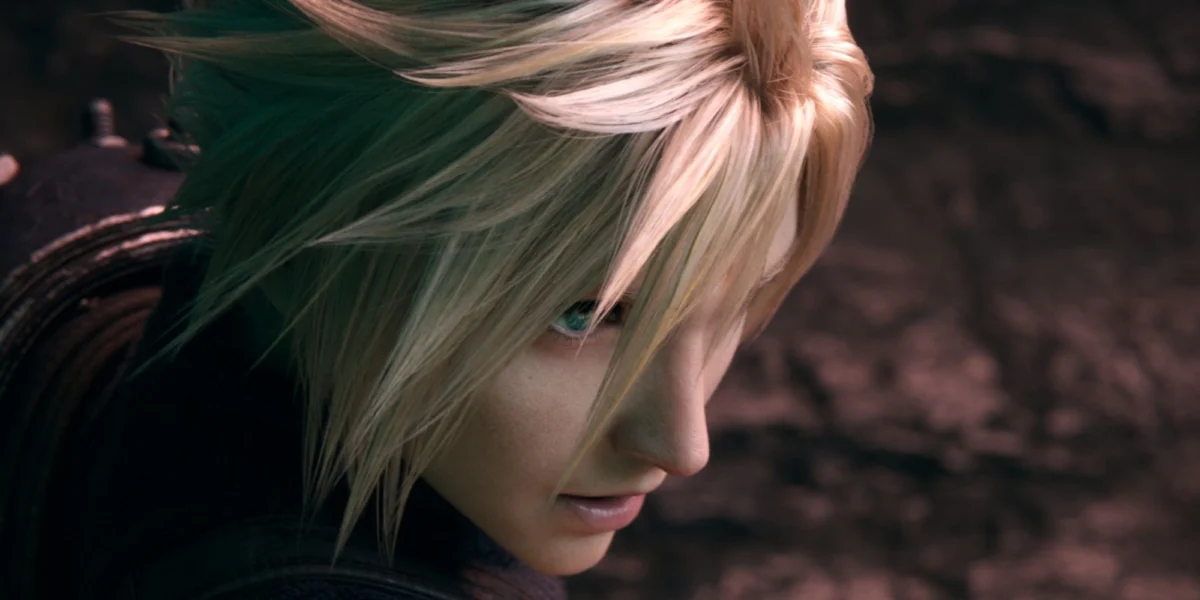
For nearly four decades, Final Fantasy has been the gold standard of Japanese Role-Playing Games (JRPGs), shaping the landscape of interactive storytelling, music, and character design. As we move deeper into 2026, the franchise is experiencing a massive creative renaissance. While gamers are already salivating over the upcoming conclusion to the Final Fantasy 7 Remake trilogy and the announcement of Final Fantasy Resonance, a new frontier is opening up: the tabletop gaming market.
Square Enix, in a strategic move to cement the franchise’s cultural footprint, has partnered with industry veteran KessCo to launch a series of tabletop experiences that bridge the gap between digital nostalgia and physical play.
The Dawn of a New Era: Final Fantasy on the Tabletop
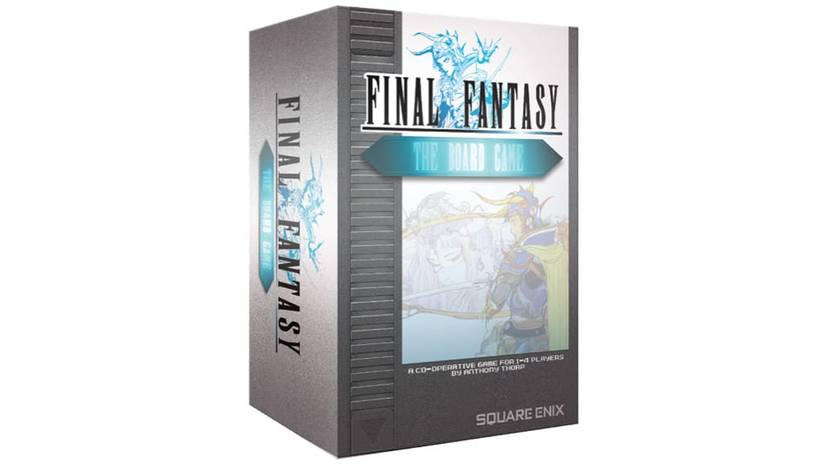
The most recent development in this cross-media expansion is the announcement of Final Fantasy: The Board Game. Unlike the high-octane, action-oriented spin-offs that have defined recent years, this project takes a deliberate, reverent look at the franchise’s humble beginnings.
Scheduled for a Q3 2026 release, the board game serves as a love letter to the 8-bit era. It focuses specifically on the original Final Fantasy, Final Fantasy II, and Final Fantasy III. By pulling from these foundational titles, the game aims to capture the essence of the "warriors of light" archetype that started it all. The aesthetic choices are particularly striking: the game’s packaging is intentionally designed to evoke the nostalgia of original NES cartridges, and the box art prominently features the legendary illustrations of Yoshitaka Amano, whose ethereal, dreamlike character designs remain the bedrock of the franchise’s visual identity.

A Chronology of Current Franchise Growth
To understand why a tabletop game is a significant milestone, one must look at the current momentum behind the Final Fantasy brand. The franchise is currently in the midst of its most aggressive content cycle in years.
The Remake Trilogy Culmination
The Final Fantasy 7 project has been the primary driver of the brand’s recent resurgence. Following the success of Remake and Rebirth, fans have been desperate for news on the final installment. Earlier this month, Square Enix confirmed the title Final Fantasy 7 Revelation, with a release window set for spring 2027. This conclusion is expected to be the most ambitious technical achievement in the studio’s history, promising to resolve the complex, multiversal narrative threads established in the previous two games.
The HD-2D Evolution
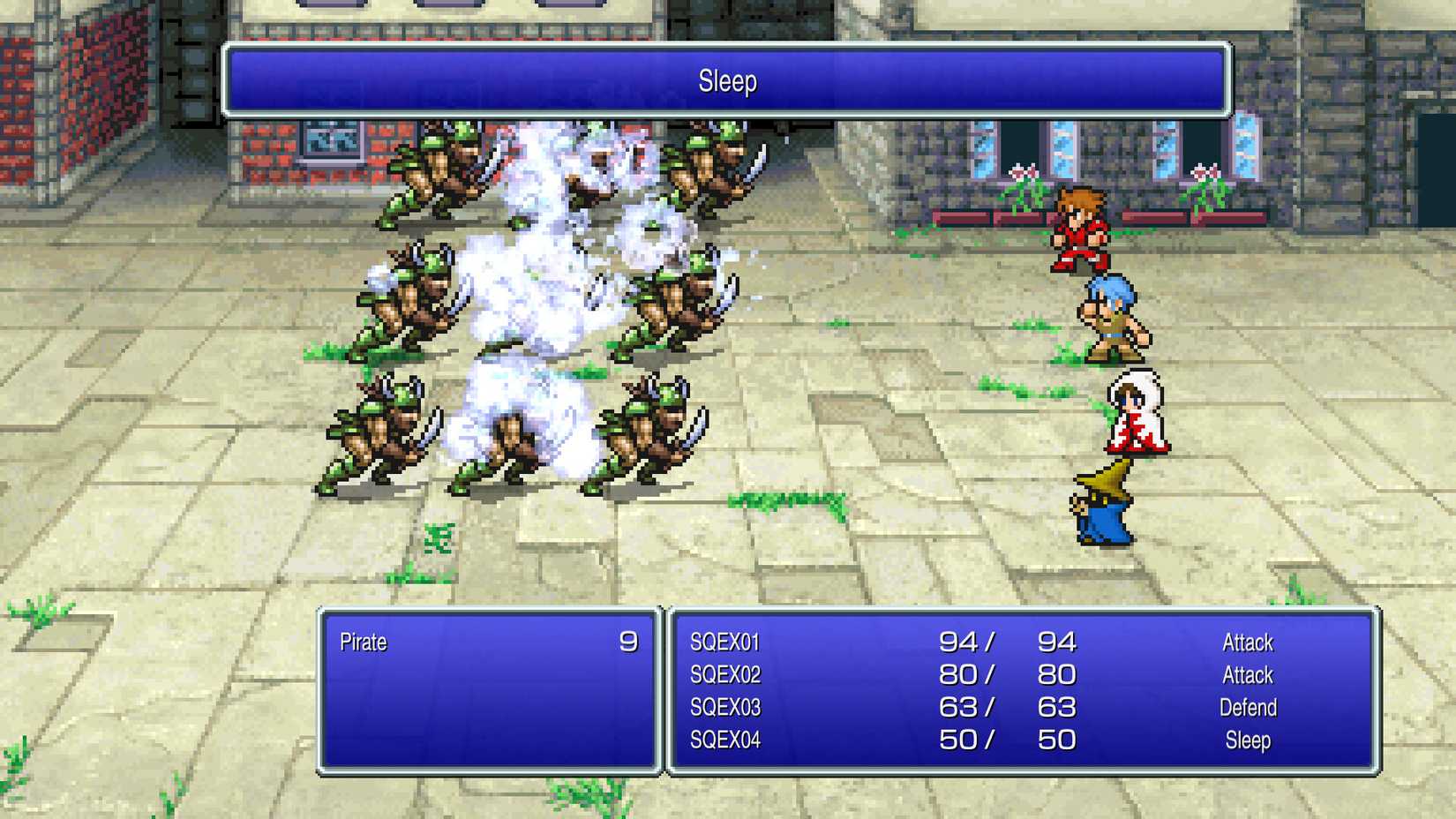
Simultaneous to the major console releases, Square Enix is doubling down on its "HD-2D" aesthetic—a graphical style that blends pixel art with high-definition depth-of-field effects. Final Fantasy Resonance, a newly announced project, aims to bring the legacy of the mobile-only Brave Exvius to a broader audience. This indicates a clear strategy: Square Enix is not just focused on the future, but is actively re-packaging and re-contextualizing its extensive back catalog for a modern audience that craves both retro charm and contemporary quality-of-life features.
The Tabletop Pivot
Between the release of Final Fantasy 7 Revelation and the ongoing expansion of the Pixel Remaster series, the tabletop market serves as a "third pillar." The first entry in this space, Ascend Shinra Tower, is slated for January 2027. It is a balance-based game centered on the iconic headquarters of the Shinra Electric Power Company. It will be followed shortly by the broader, multi-title Final Fantasy: The Board Game, creating a continuous pipeline of physical merchandise for fans to collect and play.

Behind the Design: The KessCo Collaboration
The partnership with KessCo is a calculated business move. KessCo has built a reputation in the industry for translating complex intellectual properties into accessible, engaging tabletop experiences. With a portfolio that includes titles based on One Piece, Spy x Family, and Sonic the Hedgehog, the design team led by veteran designer Anthony Thorp has proven they understand the nuances of fan-service mechanics.
In Final Fantasy: The Board Game, Thorp is focusing on a 1-to-4 player cooperative experience. The design philosophy centers on the party-based combat that defined the original trilogy. Players will need to balance jobs, magic pools, and turn-based strategy to navigate the dungeons of the early games.
One of the most anticipated features is the inclusion of collectible dice sets. These are not merely functional accessories; they are designed as display-worthy items featuring high-quality sculpts of characters in their Pixel Remaster forms. This caters to the "collector" demographic that has kept the Final Fantasy brand profitable through decades of merchandise, from soundtracks to limited-edition art books.
Implications for the Industry
The shift toward board games by a giant like Square Enix speaks to a broader industry trend. Digital gaming is increasingly being supplemented by physical experiences as a means of building deeper brand loyalty.
Community Engagement
By providing a physical space for fans to engage with the lore, Square Enix is facilitating a "third space" for the community. Unlike a single-player game, which is an isolated experience, a board game brings people together. It allows for the sharing of strategies, debates over lore, and the physical act of collecting that digital downloads cannot replicate.
Long-Term Sustainability
The multi-game deal between KessCo and Square Enix is significant because it suggests a roadmap rather than a one-off product. The Pixel Remasters were an immense critical success, and by extending that brand identity into the tabletop space, Square Enix is essentially building a "board game universe" that mirrors its digital counterpart. If the first release succeeds in Q3 2026, it is highly likely that we will see future iterations covering the SNES and PlayStation eras, potentially leading to a Final Fantasy 6 or Final Fantasy 9 tabletop experience in the years to follow.
Official Stance and Future Outlook
While Square Enix has remained relatively tight-lipped regarding the specific mechanics of the gameplay—keeping the "how" a secret to build anticipation—the official messaging emphasizes "accessibility and nostalgia." In a recent statement via License Global, the collaboration was described as a celebration of the franchise’s roots, designed to welcome both lifelong veterans and newcomers who were introduced to the series through more recent titles.
For the long-time follower of the industry, this is a sign of a company that is finally comfortable leveraging its massive history. Final Fantasy is no longer just a video game series; it is a multimedia empire. From the cinematic majesty of the Final Fantasy 7 trilogy to the tactile, nostalgic joy of the upcoming board games, the franchise is ensuring that it remains relevant in every facet of pop culture.
Conclusion: A Golden Age for Fans
As we approach the latter half of 2026, the message from Square Enix is clear: there has never been a better time to be a Final Fantasy fan. Whether you are a competitive gamer waiting for the next Revelation of Cloud Strife’s story, or a tabletop enthusiast looking to roll dice with the heroes of the original Final Fantasy, the ecosystem is expanding to include everyone.
The transition from screen to table is not just a commercial venture; it is a testament to the enduring power of the stories Hironobu Sakaguchi started back in 1987. With Final Fantasy: The Board Game, the series proves that no matter how advanced technology becomes, there will always be a place for the simple, profound joy of a good story told around a table with friends. As the Q3 2026 release date approaches, the anticipation is not just for a product, but for the next chapter in a legacy that refuses to slow down.


 Siti Muinah