Evan Lee Salim
In the fast-paced world of digital marketing, the visual impact of your campaign is often the deciding factor between a conversion and a scroll-past. With Facebook—now part of the broader Meta ecosystem—continuing to evolve its interface, advertisers must stay ahead of the technical curve. Whether you are managing a global brand or a local boutique, understanding the precise specifications for Facebook ad formats is no longer just a "best practice"—it is a fundamental requirement for success.

This guide provides an exhaustive breakdown of Facebook (Meta) ad specifications, designed to ensure your creative assets look professional and perform optimally across all placements.

Main Facts: The "Golden Rule" of Meta Specs
The most critical realization for any digital advertiser is that Meta’s platform is inherently mobile-first. Statistics show that over 80% of Facebook users access the platform exclusively via mobile devices. Consequently, if your creative does not account for vertical or mobile-responsive aspect ratios, you are effectively leaving engagement on the table.
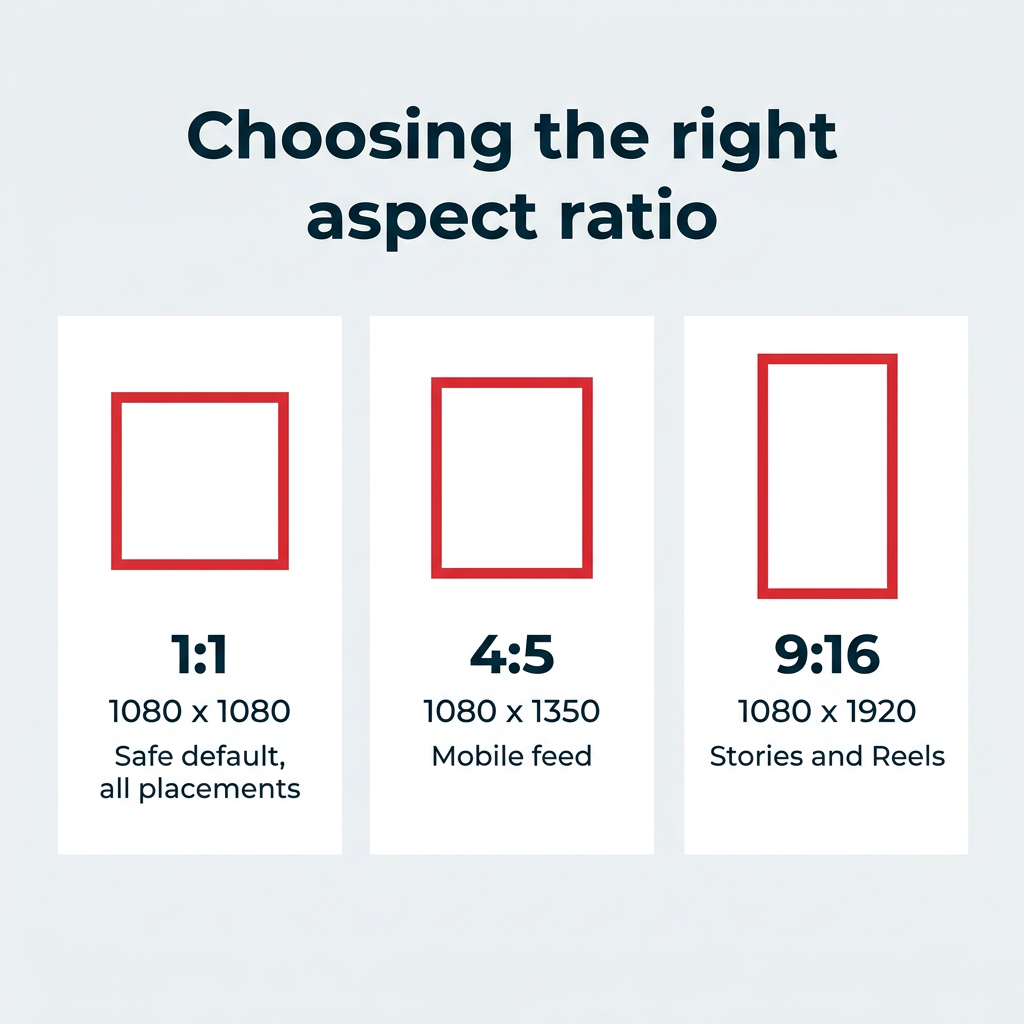
The Universal Standard
While specific placements require unique dimensions, the industry "Golden Rule" is the 1:1 aspect ratio (1080 x 1080 pixels). This square format is the Swiss Army knife of Facebook advertising; it is compatible with the Feed, Marketplace, Search Results, and the Right Column. If your creative team only has the bandwidth to produce one version of an asset, 1:1 is the safest, most versatile choice.
Chronology of Ad Evolution
The history of Facebook advertising is a timeline of increasing immersion. Initially, the platform relied on simple right-column banner ads. As user behavior shifted toward the News Feed, Facebook introduced Sponsored posts that blended seamlessly with organic content.

- The Early Era: Dominated by static image ads on the right-hand side of the desktop interface.
- The Feed Shift: The introduction of native in-feed ads, which forced a move toward higher-quality, engaging imagery.
- The Video Boom: With the rise of YouTube and TikTok, Facebook pivoted heavily toward video, introducing in-stream video ads that interrupt organic viewing.
- The Reels & Stories Era: The current landscape is defined by 9:16 full-screen, vertical immersive experiences. This shift has forced brands to move away from horizontal cinematic video toward mobile-optimized, vertical storytelling.
Supporting Data: Why Dimensions Matter
Why spend hours tweaking pixels? Because user experience (UX) is the primary metric by which Meta’s algorithm ranks your ad.
The Power of Real Estate
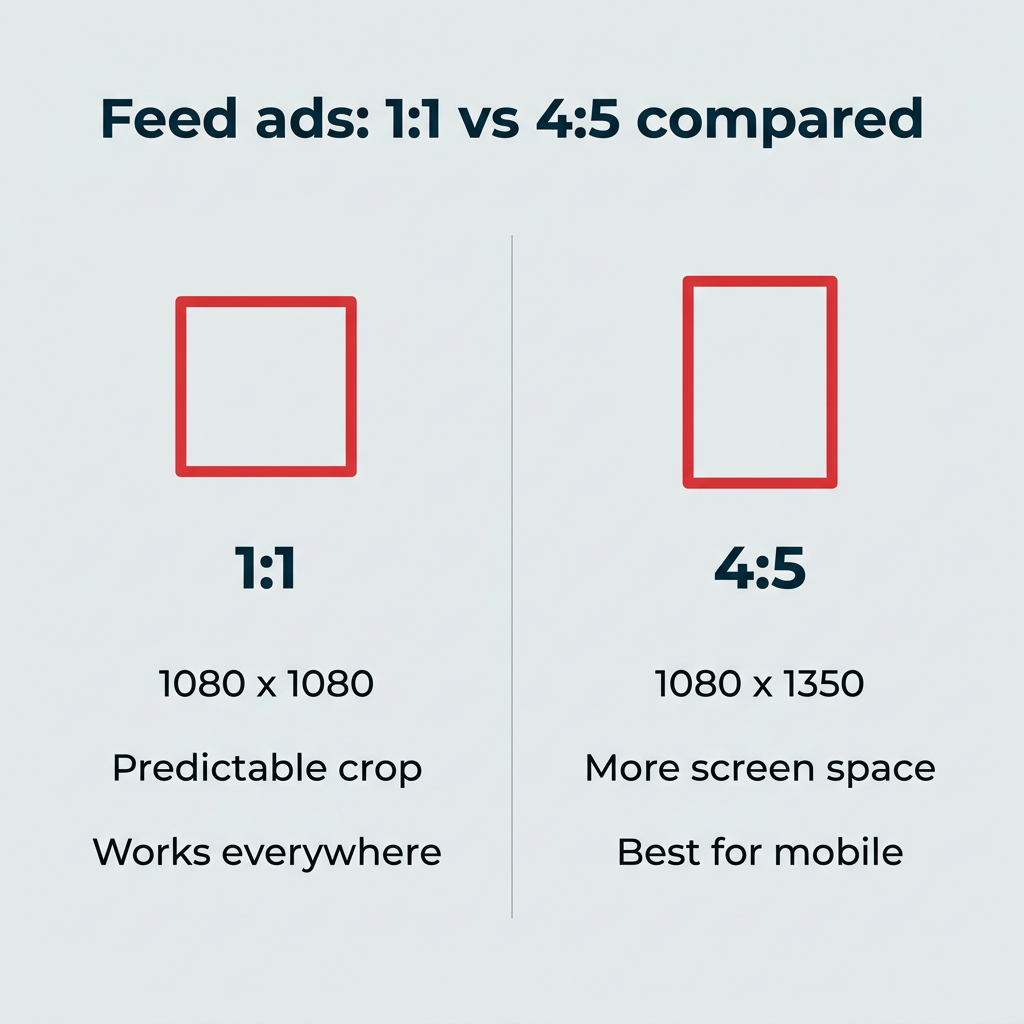
Research into mobile engagement indicates that 4:5 aspect ratio (1080 x 1350 pixels) for Feed ads consistently outperforms 1:1. By occupying more vertical screen space, the 4:5 format effectively "pushes" competing content out of the user’s immediate view, forcing them to engage with your ad or actively scroll past it.

Technical Constraints
- Image File Size: A hard limit of 30MB exists for all image ads.
- Video File Size: You are capped at 4GB per video file.
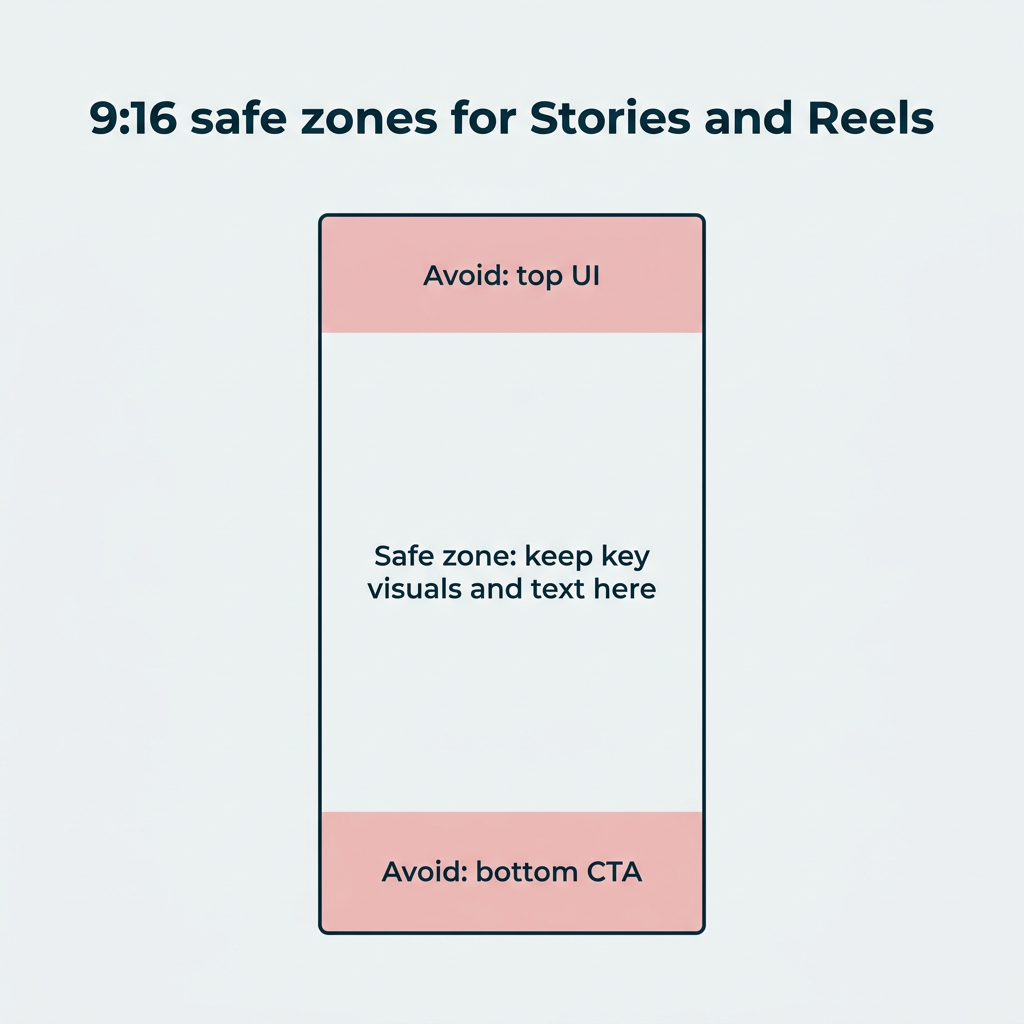
- The "Safe Zone": For 9:16 formats (Stories/Reels), the top and bottom 250px are often obscured by interface elements like the user’s profile picture, the "Like" button, and the caption. Failing to keep your CTA and logo out of these "dead zones" can render an entire campaign ineffective.
Strategic Placements and Their Specs
1. The Feed: Image and Video
The Feed remains the bread and butter of Facebook advertising.

- Recommended: 1080 x 1350 px (4:5) for maximum screen real estate.
- Safe Default: 1080 x 1080 px (1:1).
2. Carousel Ads
Carousel ads remain one of the highest-converting formats for e-commerce. By showcasing multiple products or telling a multi-part story, they encourage active interaction.

- Specs: 1080 x 1080 px minimum.
- Pro Tip: While 1:1 is the standard, Advantage+ catalog ads may support 4:5 depending on current platform updates. Always ensure the link for each card is unique to the product shown.
3. Stories and Reels (9:16)
These are your high-impact, full-screen assets.

- Specs: 1080 x 1920 px.
- Design Note: Because these formats are fast-paced, you have less than three seconds to capture attention. Ensure your brand identity appears in the first frame.
4. Marketplace and Search
Marketplace ads appear in the "buy and sell" tab, while Search results appear when a user is actively hunting for a specific keyword. Both benefit from the 1:1 square format. Since these users have high "intent" (they are already in a shopping mindset), your ad should be direct and product-focused.

Implications for Your Creative Strategy
The technical requirements of Facebook ads have profound implications for creative production teams:

- The Death of the "One-Size-Fits-All" Asset: Brands can no longer simply resize a horizontal video for every placement. A horizontal video in a 9:16 space results in "letterboxing," which looks unprofessional and suffers from lower conversion rates.
- Design for Sound-Off: Although audio is a powerful tool, a significant portion of Facebook users scroll in public or quiet spaces. Your video creative must be legible and engaging even when the sound is muted, utilizing on-screen text and high-contrast visuals.
- The "Text-on-Image" Shift: While Meta no longer strictly enforces the "20% text rule" (which used to penalize ads with too much text), the principle remains valid. Ads with minimal, punchy text perform better. Use your caption copy for the heavy lifting and keep the image for visual impact.
Official Recommendations and Best Practices
Meta’s official stance on advertising is simple: Make it native. If your ad looks like a polished, high-budget commercial, it may feel "out of place" in a user’s personal news feed. Ads that feel like organic, user-generated content (UGC) often see significantly higher click-through rates (CTR).

Expert Tips for Success:
- Leverage Advantage+: Meta’s automated placement algorithms are increasingly sophisticated. By providing a 1:1, 4:5, and 9:16 version of your creative, you allow the algorithm to serve the best possible version to the user based on where they are viewing the content.
- Iterate on Analytics: Use your Ad Manager dashboard to see which aspect ratios are driving the lowest Cost Per Acquisition (CPA). If 4:5 is driving cheaper leads than 1:1, pivot your entire creative strategy to focus on the 4:5 format.
- Continuous Testing: Never assume a static image is enough. Test a 15-second video against a carousel ad. Even if the dimensions are the same, the format difference can lead to a 20-30% variance in performance.
Conclusion
Navigating Facebook ad sizes is a blend of strict technical adherence and creative agility. While the pixel counts and aspect ratios provided in this guide serve as your foundation, the ultimate success of your campaign will depend on your ability to test, iterate, and adapt.

By focusing on mobile-first formats, respecting the "safe zones" in vertical video, and utilizing the 1:1 square as your reliable baseline, you can ensure that your brand remains visible, professional, and impactful in an increasingly crowded digital marketplace. Remember, in the world of Meta advertising, the technical foundation you build today dictates the reach of your brand tomorrow.


 Siti Muinah
 Raul Delapena Setiawan