By Ivanir Ignacchitti
Published June 30, 2026
The Lylat System has been a cornerstone of Nintendo’s identity for over three decades, but rarely has it felt as visceral or cinematic as it does in the latest reimagining of Star Fox. Released as a marquee exclusive for the Nintendo Switch 2, this new Star Fox title acts as a high-fidelity bridge between the nostalgic roots of the Nintendo 64 original and the modern standards of blockbuster interactive entertainment. By blending the core, beloved mechanics of the 1997 classic with cutting-edge visual presentation and expanded narrative depth, Nintendo has crafted an experience that feels both comfortingly familiar and refreshingly ambitious.
A Fox Called Fox McCloud: The Return of a Legend
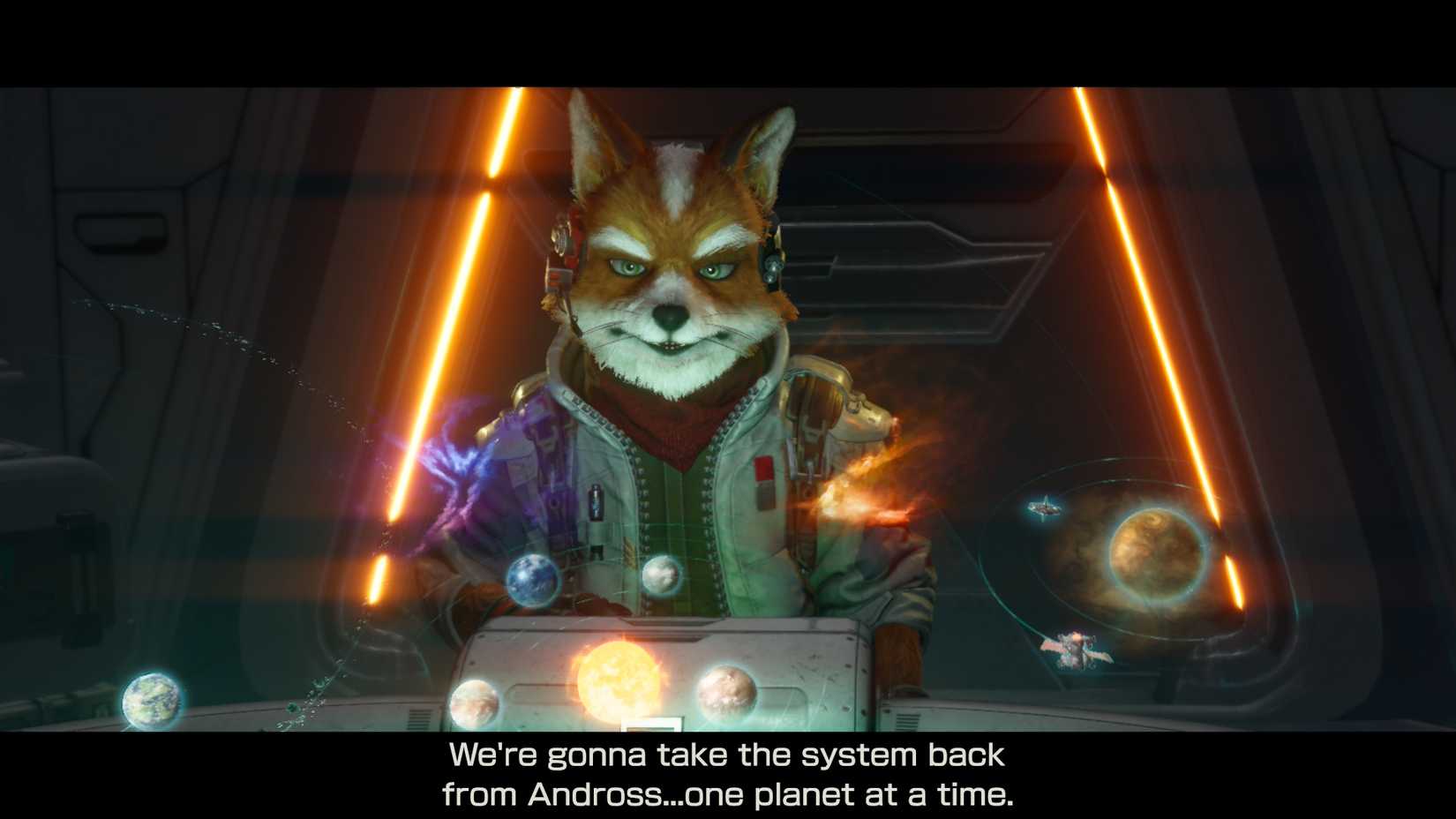
The premise remains as iconic as ever: Fox McCloud, the courageous leader of the Star Fox mercenary squad, is summoned by General Pepper of the Corneria Defense Force. The mission is a desperate struggle to push back the invading forces of the malevolent scientist Dr. Andross. For veterans, the narrative beats will be intimately familiar; however, the presentation has been completely overhauled.
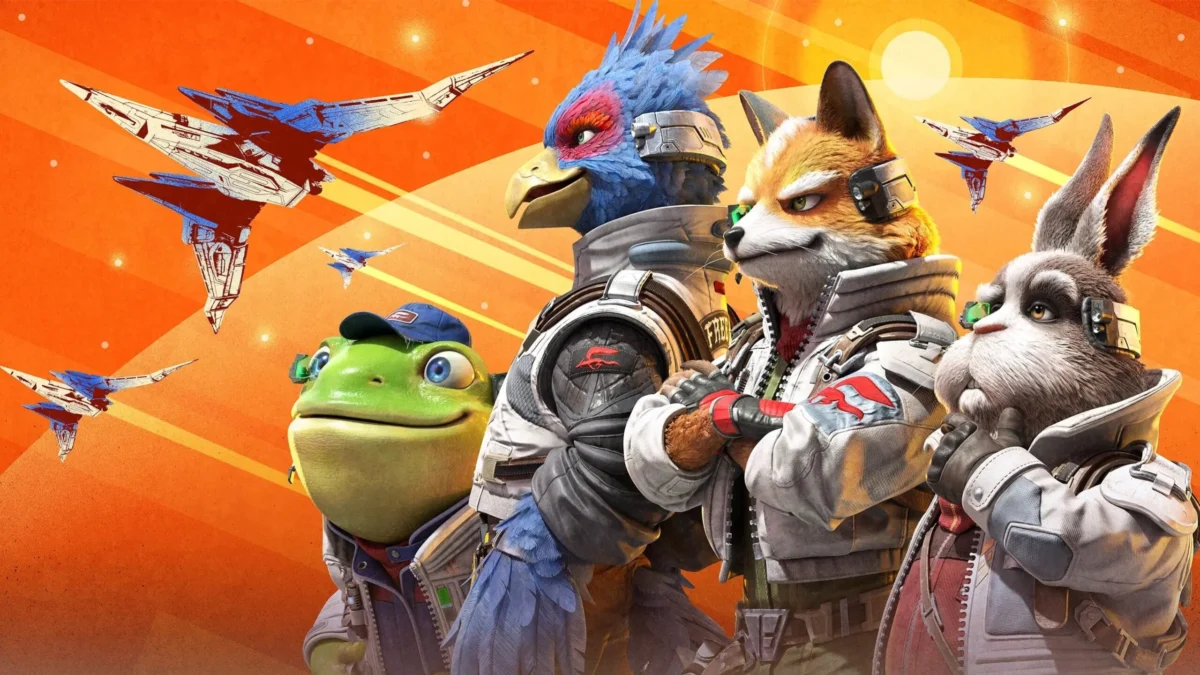
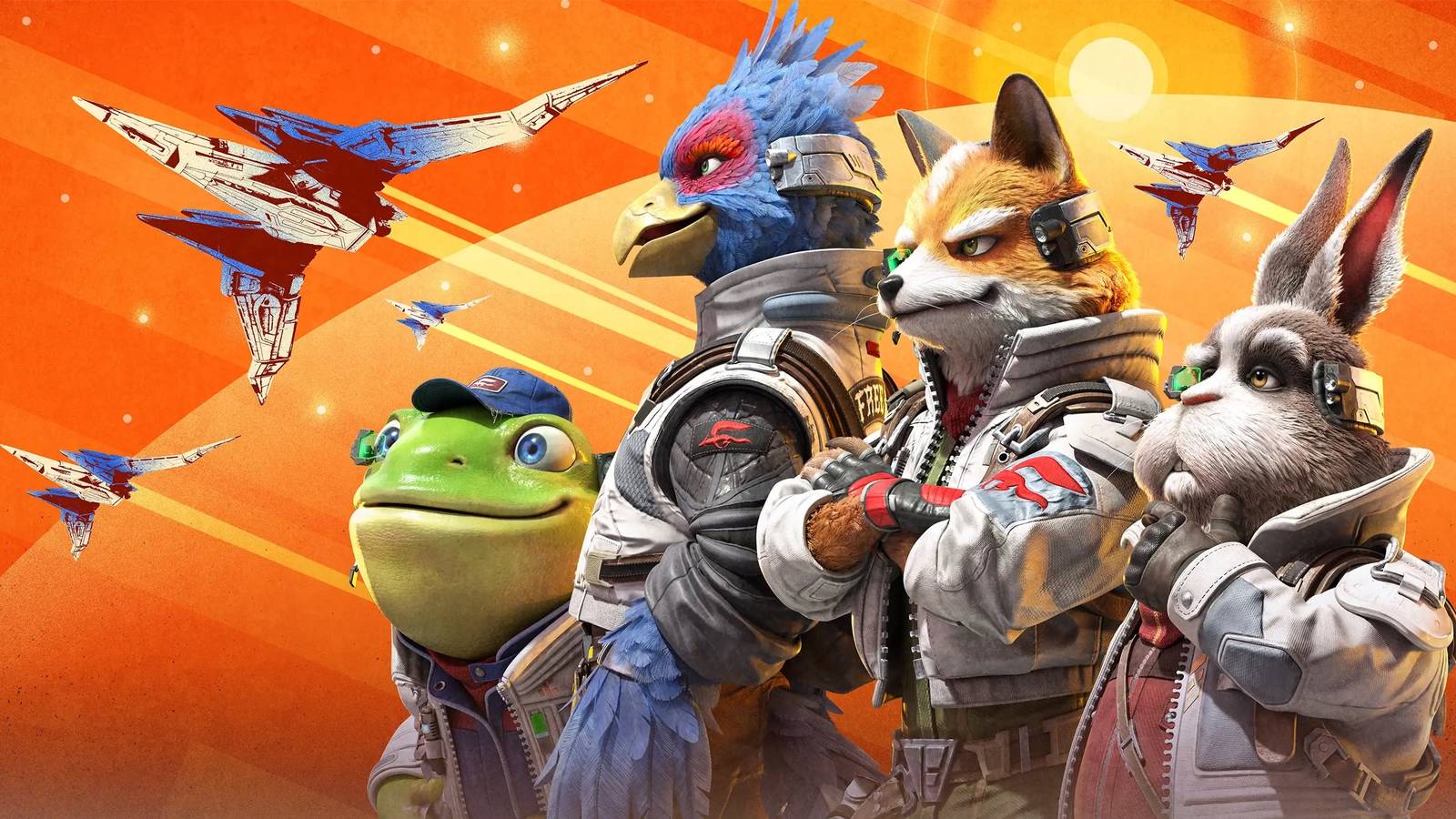
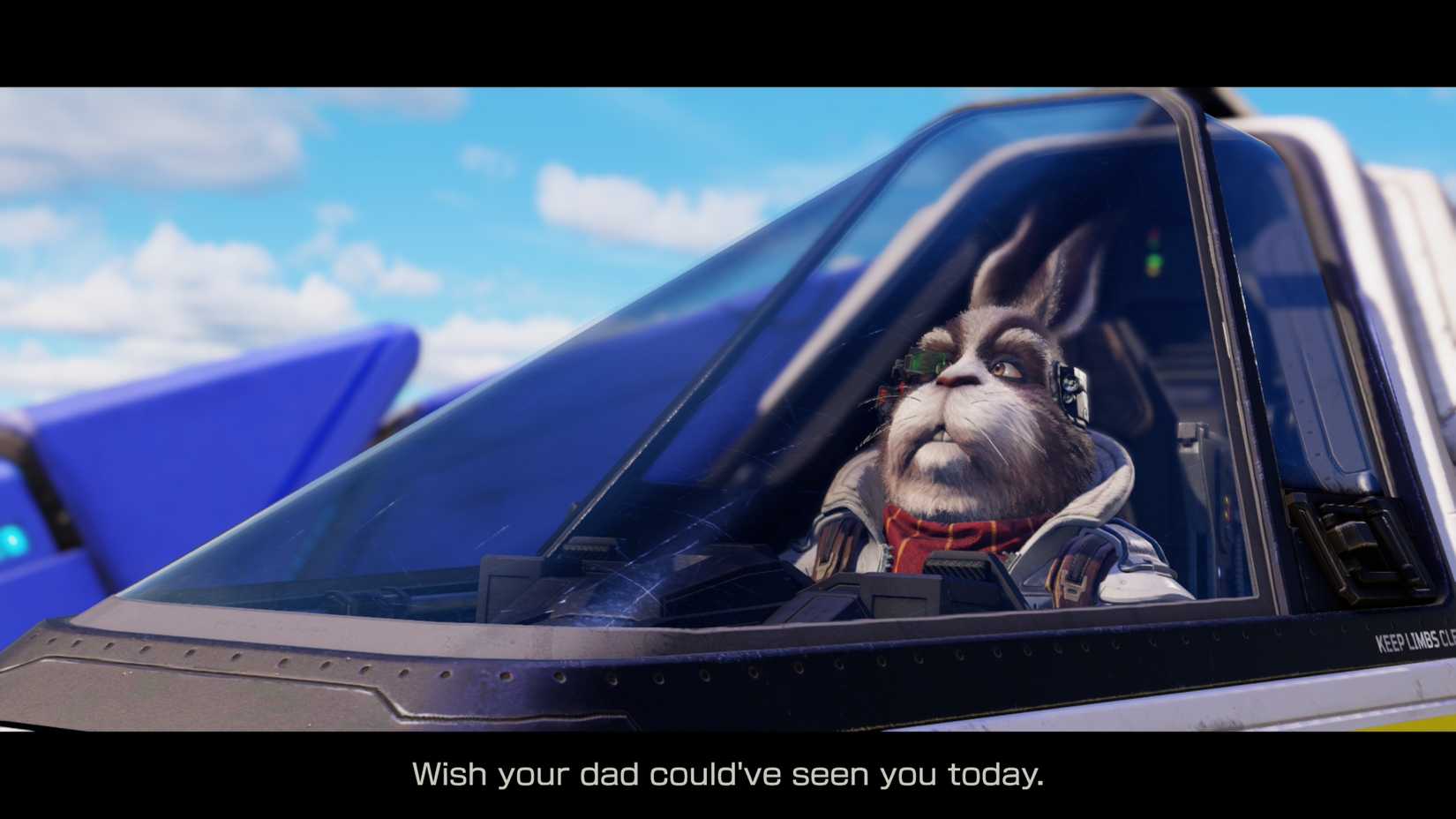
This iteration moves away from the static, arcade-style dialogue boxes of the past, opting instead for a fully realized, cinematic delivery. These new cutscenes serve as mission briefings that provide critical context, grounding the high-octane space combat in a world that feels inhabited and urgent. By fleshing out the personalities of Peppy, Falco, and Slippy through these added interactions, the game transforms the crew from simple wingmen into a cohesive team, making their survival feel personal to the player.

The Architecture of Combat: Navigating the Rail
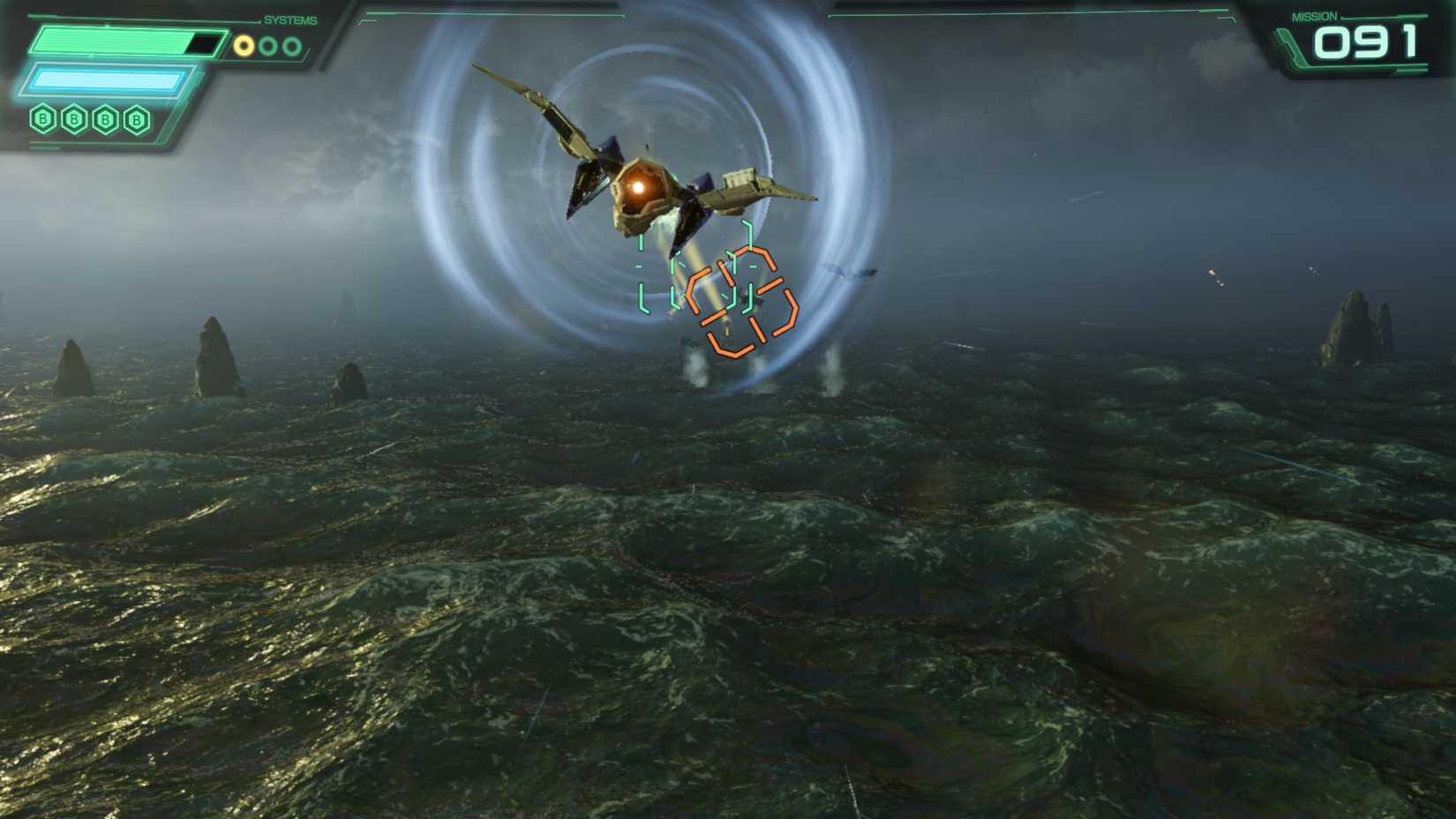
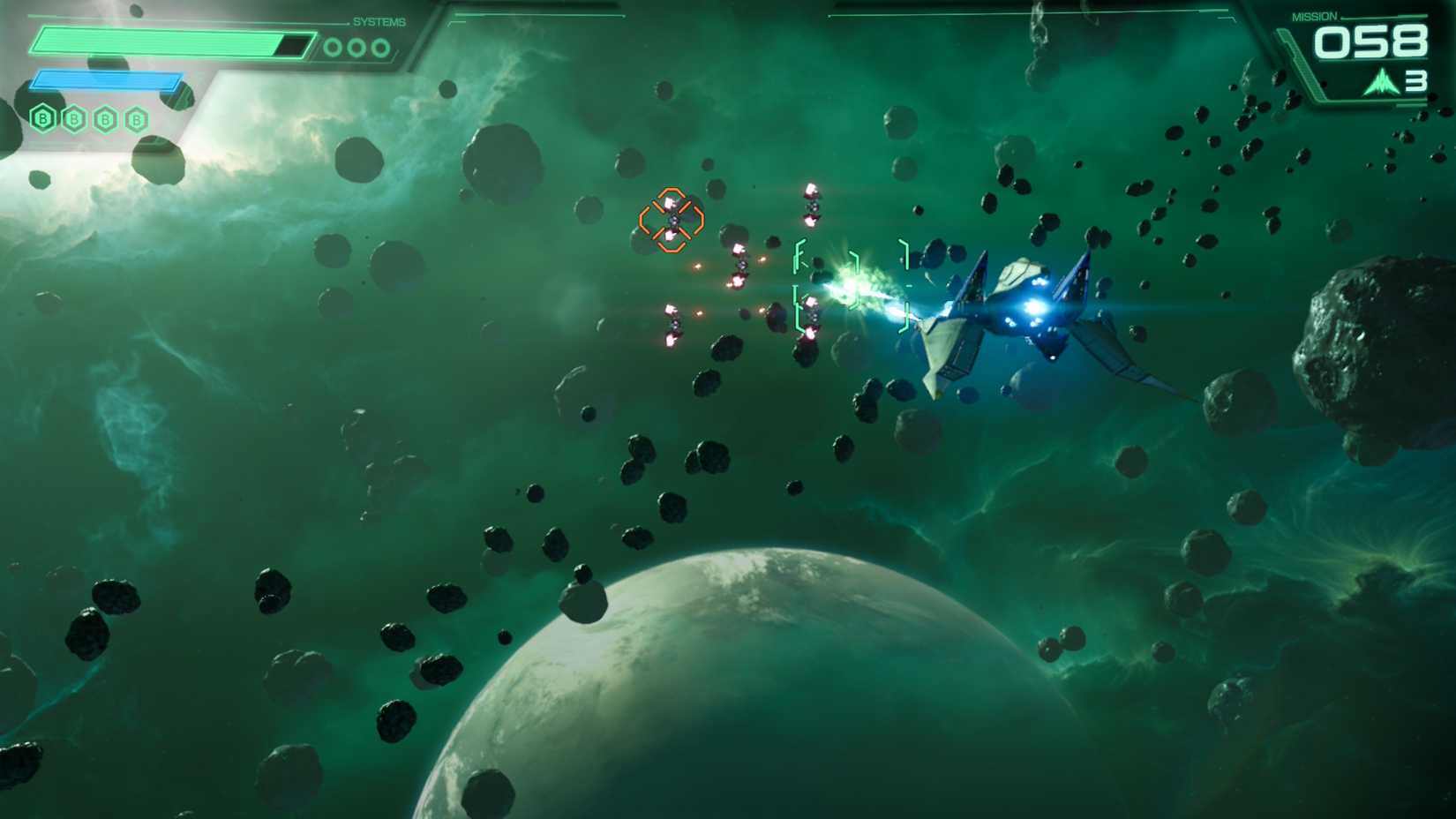
At its heart, Star Fox remains a quintessential rail shooter. The player controls the high-performance Arwing, traversing meticulously crafted stages that prioritize momentum and pattern recognition. While the majority of the campaign follows this on-rails format—forcing players to weave through asteroids, dodge enemy fire, and perform the series’ signature barrel rolls—the game is punctuated by diverse gameplay shifts.
Piloting the Landmaster tank and the Blue-Marine submarine adds necessary variety to the pacing, forcing players to adapt to different handling physics and combat limitations. When the perspective shifts to the "All-Range" modes, the game opens up into circular arenas, offering a tactical shift where maneuvering and target acquisition become paramount. The ability to charge the Arwing’s laser—a mechanic that rewards precise timing and allows for multi-target destruction—remains the core satisfaction loop, balancing offensive aggression with the defensive necessity of protecting one’s teammates.
Chronology of a Classic: From 64 to the Next Generation
To understand the weight of this release, one must look at the lineage of the title. The original Star Fox 64 was itself a reimagining of the Super Nintendo debut, and the franchise has spent years attempting to recapture that lightning in a bottle through various iterations, including the divisive Star Fox Zero on the Wii U.
This new entry for the Nintendo Switch 2 is unique because it makes no attempt to reinvent the wheel. Instead, it refines it. By sticking closer to the stage structure of the 1997 masterpiece while leveraging the massive hardware leap of the Switch 2, Nintendo has achieved a "best of both worlds" scenario. The game maintains the high-stakes, branching path structure that made the N64 version so replayable, ensuring that no two runs are identical. Whether you are aiming for the "true" ending or simply trying to survive a brutal run through the asteroid fields, the game’s design encourages mastery over mere completion.
Supporting Data: Technical Performance and Gameplay Nuances
The power of the Nintendo Switch 2 is on full display here. The texture work on the environments—from the sprawling, futuristic vistas of Corneria to the dark, oppressive depths of Sector Y—is a technical marvel. The fluidity of the action ensures that even when the screen is filled with projectiles and explosions, the frame rate remains rock-solid, a prerequisite for a twitch-based shooter.
However, the game is not without its minor technical quirks. One of the most notable observations is the handling of visual feedback. In previous titles, enemies would flash or flicker to indicate sustained damage. In this remake, that feedback is sometimes more subtle, leading to moments of confusion during boss encounters where the player is unsure if they are making progress. It is a stylistic choice that favors visual realism over arcade-style UI cues, but it creates a steeper learning curve for those accustomed to the classic visual language of the series.
Official Responses and Accessibility: The Language of Space
A significant point of discussion regarding the title has been its approach to localization and accessibility. While the game features robust support for multiple voice-acting languages, the text language settings are tied directly to the system-level configuration of the Switch 2 console. While this is consistent with many Nintendo titles, it remains a friction point for players who wish to customize their experience without restarting their console or navigating system menus.
On the upside, the inclusion of an in-game achievement system and the "Holoviewer" provides a wealth of lore for newcomers. The Holoviewer, in particular, acts as an interactive encyclopedia, documenting the history of the Lylat system. It is a missed opportunity that this feature doesn’t double as a full cutscene gallery, but it remains a welcome touch for those invested in the franchise’s world-building.
Multiplayer Dynamics: Game Share and Tactical Cooperation
Perhaps the most innovative addition is the new cooperative mode, which allows two players to tackle the campaign either locally or via online Game Share. This mode splits the responsibilities of the Arwing: one player acts as the Pilot, focusing on flight and positioning, while the other serves as the Gunner, utilizing the precision of the Joy-Con 2’s "mouse-like" aiming capabilities.
This setup fundamentally changes the game’s difficulty. The Gunner’s ability to aim independently of the ship’s trajectory allows for surgical precision, turning once-difficult segments into a symphony of destruction. It is an excellent example of asymmetrical multiplayer that forces genuine communication between teammates. The transition to a first-person view for the Gunner takes time to master, but once the synergy is established, it provides a layer of tactical depth never before seen in the series.
Implications: The Future of the Star Fox Franchise
What does this release mean for the future of the franchise? By returning to the formula that solidified Star Fox as a legend, Nintendo has effectively "reset" the franchise’s reputation. The game demonstrates that modern gamers still crave the high-intensity, short-form satisfaction of a well-made rail shooter, provided it is presented with the polish and narrative care of a modern AAA title.
The "Battle Mode," while currently limited to three distinct arenas (Corneria, Fichina, and Sector Y), hints at a larger potential for competitive play. With mechanics involving signal capture, resource gathering, and territorial defense, it is clear that Nintendo is testing the waters for a more robust multiplayer ecosystem. While current players may find themselves wanting more maps or modes, the foundation laid here is sturdy and ripe for future expansion.
Conclusion: A Worthy Heir to the Throne
Star Fox on the Nintendo Switch 2 is more than just a trip down memory lane; it is a successful modernization of a genre that many had prematurely declared dead. By focusing on the strength of its core loops—the speed, the branching paths, and the iconic camaraderie of the crew—it delivers an experience that is both respectful of its history and indicative of its future.
The game stands as a testament to the fact that when Nintendo commits to its classic IPs, the results are rarely disappointing. While some design choices, such as the subtle damage feedback and the system-dependent language settings, present minor hurdles, they are far outweighed by the thrill of barrel-rolling through a perfectly rendered Sector Y or coordinating a high-score run with a friend. For those who grew up in the 90s, this is the Star Fox game you remember; for those new to the cockpit, it is the perfect time to join the squad. The Lylat System is safe for now, but in the world of Star Fox, the mission is never truly over.