

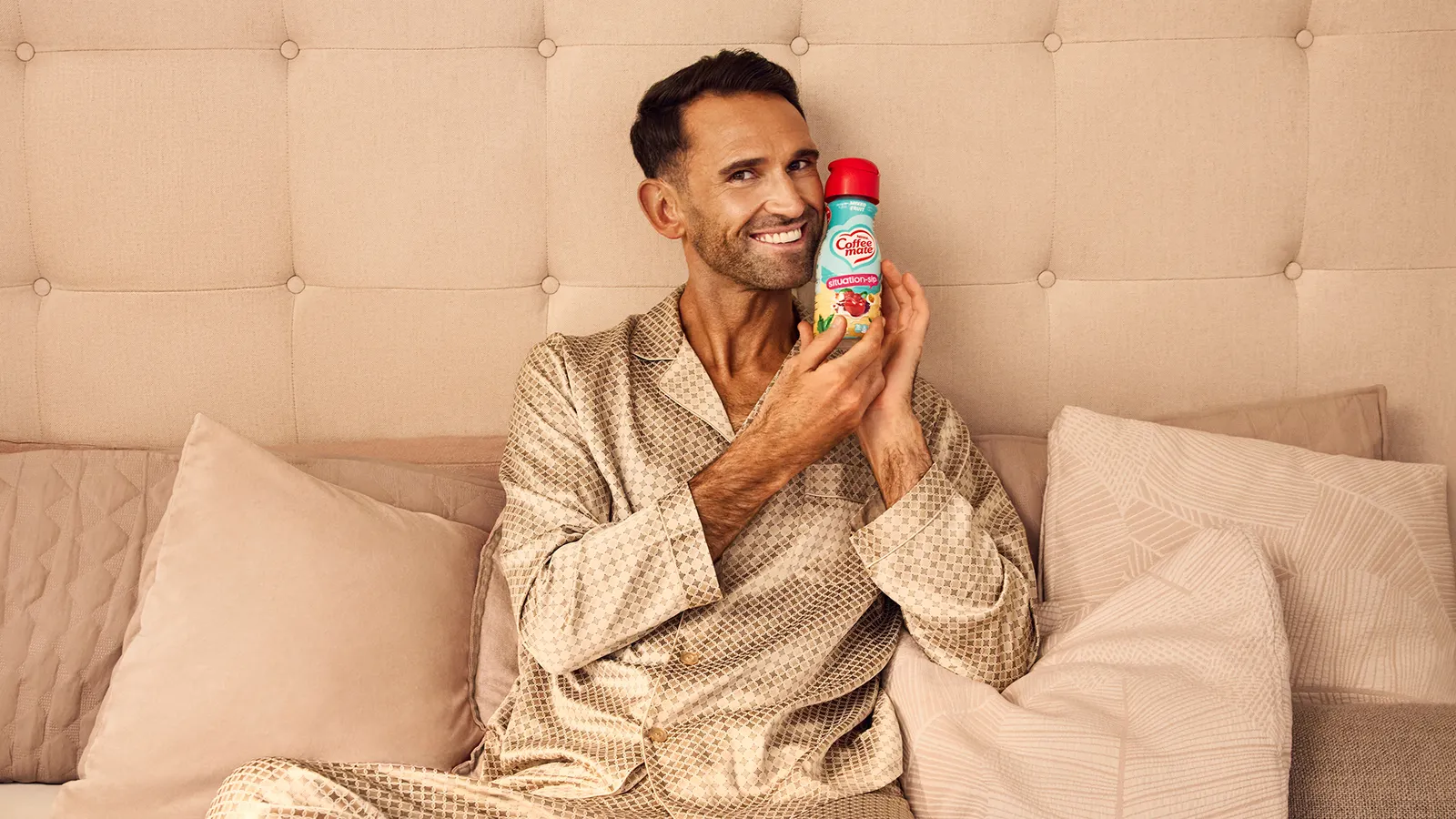
In a strategic pivot toward cultural relevance and expanded usage occasions, Nestlé’s Coffee Mate has launched an ambitious, social-first marketing campaign featuring reality television personality Carl Radke. Best known for his tenure on Bravo’s Summer House, Radke serves as the face of a high-energy, digital-centric campaign that aims to position the brand’s latest limited-edition creamer not merely as a morning coffee additive, but as a versatile ingredient for cocktails, mocktails, and the burgeoning "dirty soda" trend.
Main Facts: A Digital "Situationship"
The campaign, spearheaded by the creative agency Leo New York, revolves around the playful, if slightly turbulent, concept of a "situationship." In a minute-long video spot, Radke navigates the emotional roller-coaster of a relationship with the new creamer—a narrative arc that includes themes of ghosting, reconciliations, and vacation-fueled romance.
The campaign’s primary mechanism for engagement is Instagram. By sending direct messages to the official Coffee Mate account, consumers can simulate their own "situationship" with the brand. Those who engage consistently and "ride the relationship out" are rewarded with the chance to receive exclusive deliveries of the limited-run product. The creamer itself will be distributed via a dedicated landing page in two distinct drops, occurring on July 20 and July 27, 2026, on a strictly first-come, first-served basis.
Chronology of the Campaign and Brand Evolution
The current initiative is the latest in a series of calculated moves by Coffee Mate to modernize its brand identity.
- 2024: Coffee Mate signals its intent to capture the "dirty soda" market by launching specific creamer formulations designed to be mixed with carbonated beverages.
- 2025: The brand achieves a significant milestone by making its Super Bowl debut, leveraging the massive viewership of the game to introduce its innovative Cold Foam product line.
- Early 2026: Nestlé leadership, including CEO Philipp Navratil, identifies the growth of the broader coffee and creamer category as a key pillar for the company’s future revenue expansion.
- July 2026: The official launch of the Carl Radke-led "Situationship" campaign, designed to leverage social media influencers to drive interest in limited-edition drops.
Supporting Data and Market Context
The urgency behind this campaign is rooted in Nestlé’s broader corporate strategy. In recent investor calls, Nestlé executives have emphasized the necessity of innovation to maintain market share in an increasingly crowded beverage landscape. The creamer category, once defined by functional, static products, is undergoing a transformation driven by younger, trend-conscious demographics.
Data suggests that "dirty soda"—the practice of adding creamers, syrups, and fruit purees to carbonated sodas—has moved from a niche TikTok trend to a mainstream consumer habit. By tapping into this, Coffee Mate is effectively expanding its "Total Addressable Market" (TAM) from the traditional morning coffee drinker to the afternoon treat-seeker and the evening social drinker.
Furthermore, the "microdrama" format used in this campaign is becoming a staple of modern CPG marketing. By mirroring the pacing and emotional tropes of reality television, Coffee Mate is speaking directly to the digital habits of its target audience, ensuring the brand feels like a participant in culture rather than an advertiser interrupting it.
Official Responses and Strategic Implications
The choice of Carl Radke is a calculated move to bridge the gap between television engagement and digital conversion. Radke’s personal brand, built on the transparency and drama of reality television, aligns perfectly with the brand’s goal of creating a "relatable" social media persona.

"The goal is to move Coffee Mate out of the pantry and into the center of the social experience," noted industry observers familiar with the campaign. By framing the creamer as a romantic partner in a situationship, the brand is leveraging humor to disarm the consumer, turning a grocery purchase into a pop-culture event.
This approach echoes similar tactics used by competitors. For instance, Dr Pepper’s recent "microdrama" campaign for its Creamy Coconut flavor—which featured a whimsical, albeit ill-fated, love story between a human and a soda can—demonstrated that consumers are highly receptive to brands that embrace absurdity and narrative-driven storytelling.
Implications: The Future of CPG Marketing
The shift toward limited-edition, scarcity-driven drops—as seen in the July 20 and 27 release dates—indicates a transition toward a "hype-beast" model of marketing that was previously reserved for high-end streetwear or limited-edition sneaker releases.
1. The Death of the "Static" Product
The days of relying solely on shelf stability and long-term brand equity are fading. Consumers now expect constant novelty. Coffee Mate’s strategy suggests that successful CPG brands will operate more like media companies, consistently releasing content, limited-run flavors, and digital experiences to keep their audience from turning to competitors.

2. Influencer Integration 2.0
Rather than simple endorsements, the Radke campaign represents "Character Integration." By placing the influencer in a structured, long-form narrative that plays out on social platforms, the brand creates a deeper psychological bond with the viewer. The consumer isn’t just seeing a celebrity hold a bottle; they are following a plot line that culminates in a product interaction.
3. Cross-Category Expansion
Coffee Mate’s continued focus on non-coffee applications is a defensive and offensive maneuver. By positioning itself as a universal flavor enhancer, the brand inoculates itself against potential declines in coffee consumption. Whether it is a "dirty soda" or an evening cocktail, the objective is to ensure the brand remains relevant in every room of the house, not just the kitchen.
Conclusion: A High-Stakes Bet on Relevance
Nestlé’s latest effort is a testament to the fact that even the most established household brands must be willing to embrace the chaotic nature of internet culture to survive. By leaning into the "situationship" trend—a cultural shorthand for the complications of modern dating—Coffee Mate is not only promoting a flavor; it is participating in a dialogue with its consumers.
As the campaign progresses through its July drop dates, the marketing industry will be watching closely. If successful, the model of celebrity-led microdramas and scarcity-based distribution could become the new blueprint for CPG companies seeking to revitalize legacy brands. For now, Coffee Mate has successfully turned the humble act of adding creamer into a headline-grabbing, culturally-charged experience that promises to keep the brand top-of-mind long after the final drop.











