Ammar Sabilarrohman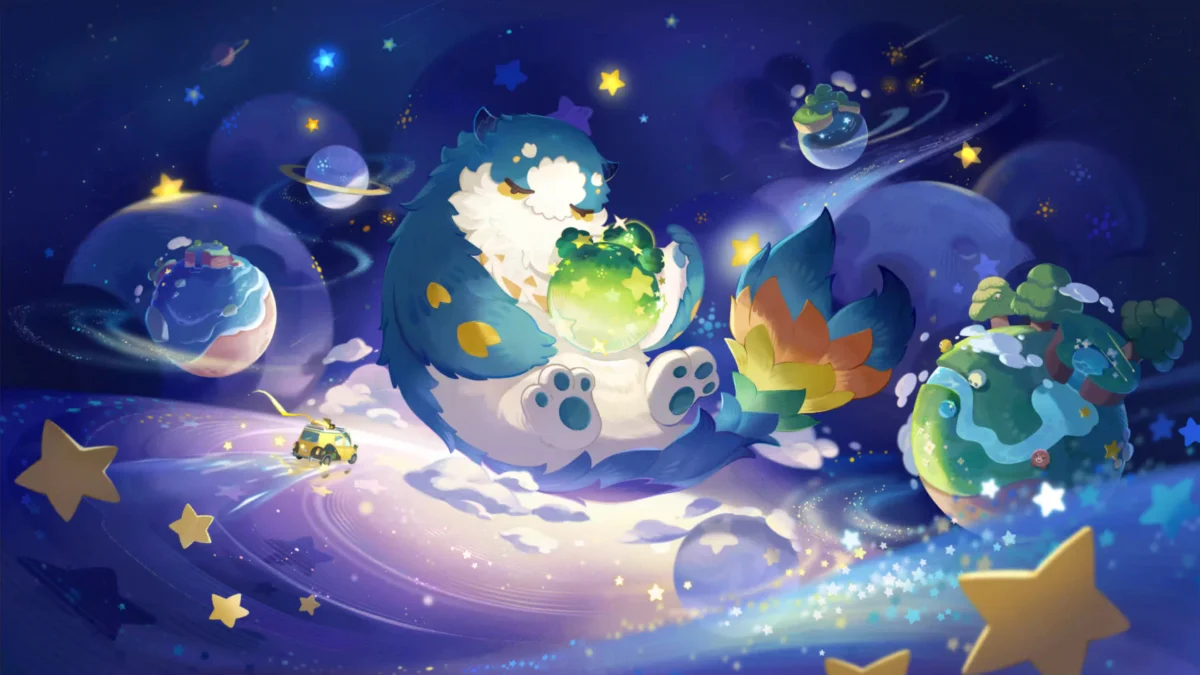
The modern gaming landscape has become increasingly saturated with titles that mirror the comforting, cyclical rhythms of Nintendo’s Animal Crossing franchise. From the social dynamics of Heartopia to the monster-collecting aspirations of Pokopia, developers are clearly betting that the "cozy game" boom of the early 2020s has permanent legs. The latest to enter this competitive arena is Petit Planet, the newest project from HoYoverse—the industry juggernaut behind Genshin Impact and Honkai: Star Rail. As the game enters its second beta phase, it invites a critical question: does this sci-fantasy take on the social sim genre bring enough innovation to stand on its own, or is it merely a high-fidelity coat of paint on a twenty-year-old formula?
The Evolution of the "Desert Island" Sim
The social simulation genre has always thrived on iterative design. The foundational trio of The Sims, Animal Crossing, and Harvest Moon (now Story of Seasons) established a loop of gathering, crafting, and relationship-building that has become the industry standard.
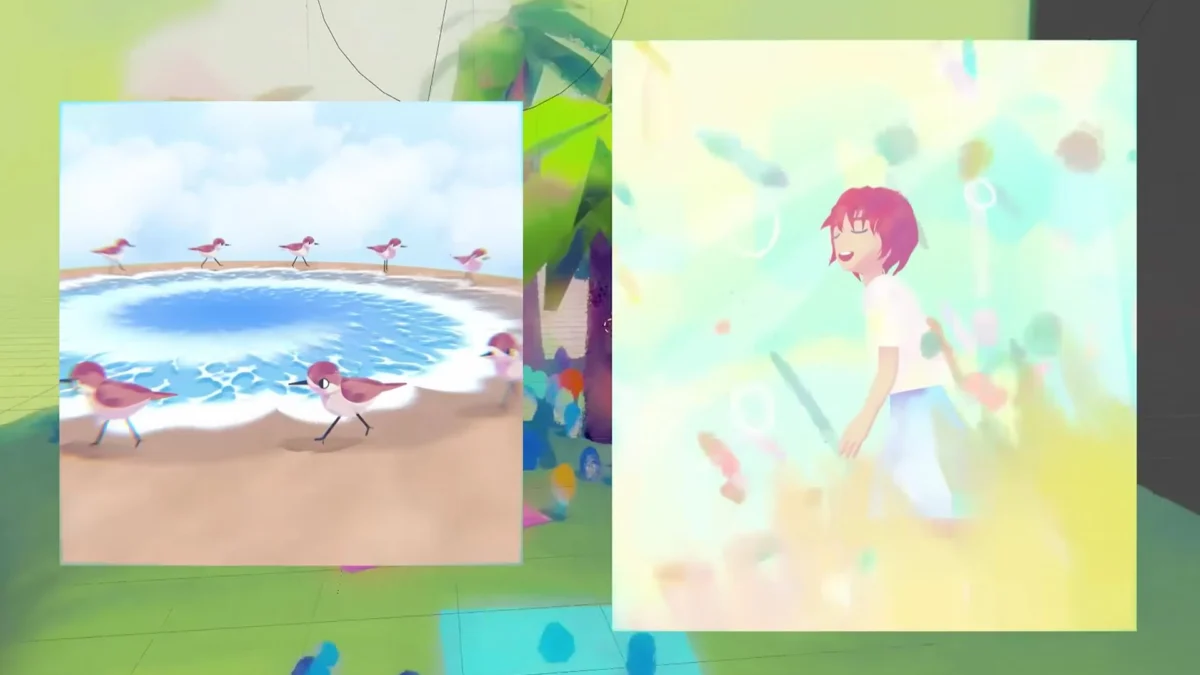
Petit Planet arrives in this space with a distinct aesthetic shift. Instead of the terrestrial islands of its predecessors, players are transported to a miniature, spherical planet drifting through a vibrant, star-filled galaxy. The visual transition is striking; the "small world" design allows the game to maintain the intimate scale of a village sim while embracing a whimsical, sci-fi backdrop. However, beneath the celestial skin, the mechanics remain stubbornly traditional. Players shake fruit from trees, fish in local streams, and assist anthropomorphic neighbors with chores. For the veteran player, the cycle is not just familiar—it is almost rhythmic to the point of repetition.

A Chronology of Development
The trajectory of Petit Planet began as a leaked concept several years ago, sparking immediate comparisons to the Animal Crossing blueprint. HoYoverse has historically leaned into this "inspiration" model. When Genshin Impact launched, critics were quick to point out its debt to The Legend of Zelda: Breath of the Wild. Yet, over time, Genshin successfully carved out a unique identity through its complex, party-based action RPG systems.
- Initial Concept Leak: The industry first caught wind of the project via data-mined assets, which immediately signaled a shift toward the "cozy" demographic for HoYoverse.
- The First Beta: The initial testing phase confirmed that the core loop was centered on customization, collection, and social interaction, solidifying its position as a direct competitor to Nintendo’s flagship title.
- The Stardrift Test (Current): The second, ongoing beta has refined the visual presentation and expanded the interactive elements with NPCs, marking the game’s move toward a broader, more polished public profile.
Despite these milestones, HoYoverse remains notoriously cagey regarding a firm global release window, a stark contrast to their usual aggressive marketing schedules.
Examining the Gameplay Loop: Familiarity vs. Innovation
While the minute-to-minute gameplay is undoubtedly competent, the lack of a clear "Unique Selling Proposition" (USP) is a lingering concern. During the Stardrift Test, players are tasked with gathering resources, interacting with a cast of animal neighbors, and decorating their living space. While the experience is undeniably "cozy," it raises a logistical question for the player: why migrate to a new ecosystem when the existing ones—such as Animal Crossing: New Horizons—already offer hundreds of hours of established content?

In Heartopia, for example, the developers at XD implemented a key differentiator: the towns are populated by real players, transforming the social sim into a living, multiplayer hub. Petit Planet currently lacks such a bold mechanical pivot. It is a beautiful, smooth, and highly polished experience, but it risks being perceived as a "background" game—something to play while waiting for a more substantive experience to arrive.
The GenAI Controversy and Industry Ethics
Perhaps the most significant discussion surrounding Petit Planet is HoYoverse’s implementation of Generative AI (GenAI). The studio has been transparent about its usage of these tools, marking content that has been AI-assisted.
While proponents argue that AI can streamline development and provide more dynamic dialogue, the current results in Petit Planet are underwhelming. The NPC interactions, which were touted as a major leap forward, often feel as rigid and limited as 20-year-old experiments like Façade. For a company with the resources of HoYoverse, the reliance on AI to generate dialogue that feels, at best, "standard," raises ethical questions regarding the displacement of human writers and the long-term impact on narrative quality. If the goal was to innovate in character interaction, the current beta suggests that the technology is not yet a substitute for high-quality, human-authored storytelling.

Monetization and the "Family-Friendly" Shift
A particularly curious element of Petit Planet is its current lack of an aggressive gacha system. Given that all five of HoYoverse’s previous titles are heavily monetized through gacha mechanics, its absence here is conspicuous.
One can speculate that this is a deliberate strategy to broaden the game’s appeal. By removing the "gambling" element typically associated with gacha, HoYoverse may be attempting to secure the trust of parents and younger audiences. The game is explicitly targeting a "family" demographic, which represents a new frontier for the developer. This pivot, while potentially profitable, carries inherent risks. A company known for predatory monetization schemes entering the children’s gaming market will inevitably face increased scrutiny from regulators and consumer watchdogs, regardless of whether a gacha system is present in the current build.
Implications for the Future of Social Sims
Petit Planet stands at a crossroads. As a standalone product, it is a perfectly serviceable, relaxing experience that will likely find a devoted following among players who enjoy the HoYoverse art style and technical polish. However, it fails to advance the genre in any meaningful way.

The implications of its success or failure are twofold:
- The "HoYo" Brand Power: If Petit Planet succeeds, it will prove that HoYoverse can dominate any genre simply through technical polish and brand loyalty, even when the underlying gameplay is derivative.
- The Saturation Point: If it struggles, it may signal that even the most powerful studios cannot rely on the "cozy" aesthetic alone to capture player attention. The market for social sims is becoming increasingly fragmented, and consumers are becoming more discerning about where they invest their limited time.
Final Thoughts: A Modest Goal
It would be unfair to dismiss Petit Planet as a failure. It is a testament to the studio’s versatility that they can step outside the high-octane action RPG sphere and deliver a project that is, at its core, "cozy." Whether or not it will set the world on fire is almost certainly not the point. The game is designed to be a comfortable, safe, and visually pleasing playground.
For a generation of younger players who may not have been present for the peak of the Animal Crossing craze, Petit Planet may very well become the definitive social sim experience. For the rest of us, it serves as a reminder that even in the rapidly evolving world of gaming, some wheels are reinvented not because they need to be, but because the comfort of the familiar is a product that sells itself. Whether that is enough to sustain a long-term player base remains to be seen once the full version finally drifts into port.


 Asro
Asro
 Muslim