

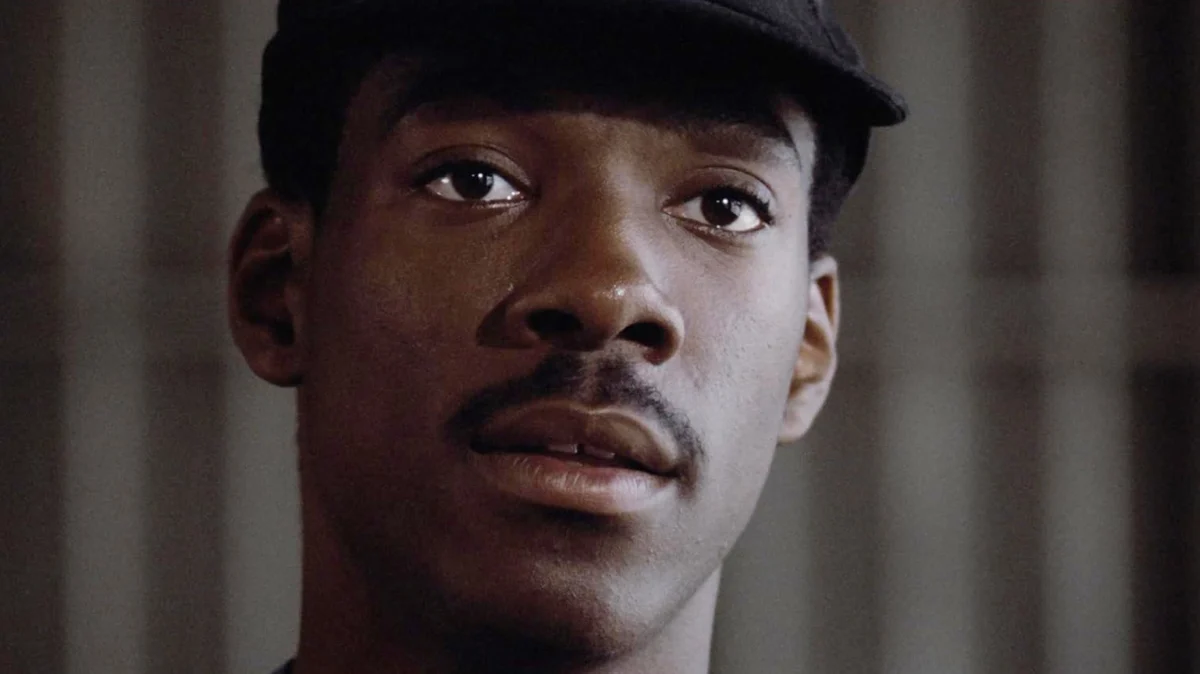
In the landscape of 1980s cinema, few debuts are as seismic as Eddie Murphy’s introduction to the big screen in Walter Hill’s 48 Hrs. It is a film that functions as both a time capsule of a gritty, pre-gentrified San Francisco and a masterclass in star power. Now streaming on Netflix, the film offers modern audiences a chance to witness the exact moment a 19-year-old Saturday Night Live cast member transitioned into a generational icon.
But the story of 48 Hrs. is not merely one of creative success; it is a tale of survival, corporate skepticism, and the near-collapse of one of television’s most storied institutions.
The SNL Crisis: A Broadcast Viking Funeral
To understand the magnitude of Murphy’s rise, one must look at the state of Saturday Night Live in 1980. Following the departure of creator Lorne Michaels and the iconic original cast—including Bill Murray, Dan Aykroyd, and Gilda Radner—the show was in a state of existential dread.
Producer Jean Doumanian was tasked with the impossible: replacing a comedy dynasty. The resulting cast, which included talents like Gilbert Gottfried, lacked the necessary chemistry to fill the void. The writing was uneven, the pacing was sluggish, and the audience was rapidly tuning out. The show had become a "broadcast viking funeral," a term critics used to describe the slow-motion destruction of the late-night staple.
The turning point came when a teenage Eddie Murphy, then a newcomer, appeared on "Weekend Update" as a disgruntled high school basketball player. His performance was electric. In a sea of failing sketches and tepid performances, Murphy’s raw, unfiltered charisma provided the oxygen the show desperately needed to survive. He didn’t just join the cast; he single-handedly dragged the show back from the brink of cancellation.
From Studio 8H to the Silver Screen
By 1981, Murphy’s dominance on SNL was absolute. Hollywood took notice, and director Walter Hill, looking to cast a fresh face for his gritty urban thriller 48 Hrs., saw potential in the young comedian.
However, the path to the screen was far from smooth. Paramount executives were notoriously hesitant. They initially envisioned Richard Pryor for the role of Reggie Hammond, the wisecracking convict forced into an uneasy alliance with a grizzled cop. When Pryor became unavailable, the studio looked at the young Murphy with deep skepticism. Internal memos and accounts from those on set suggest that executives, including Michael Eisner, were openly concerned that Murphy was too inexperienced and "not funny enough" to anchor a major motion picture.
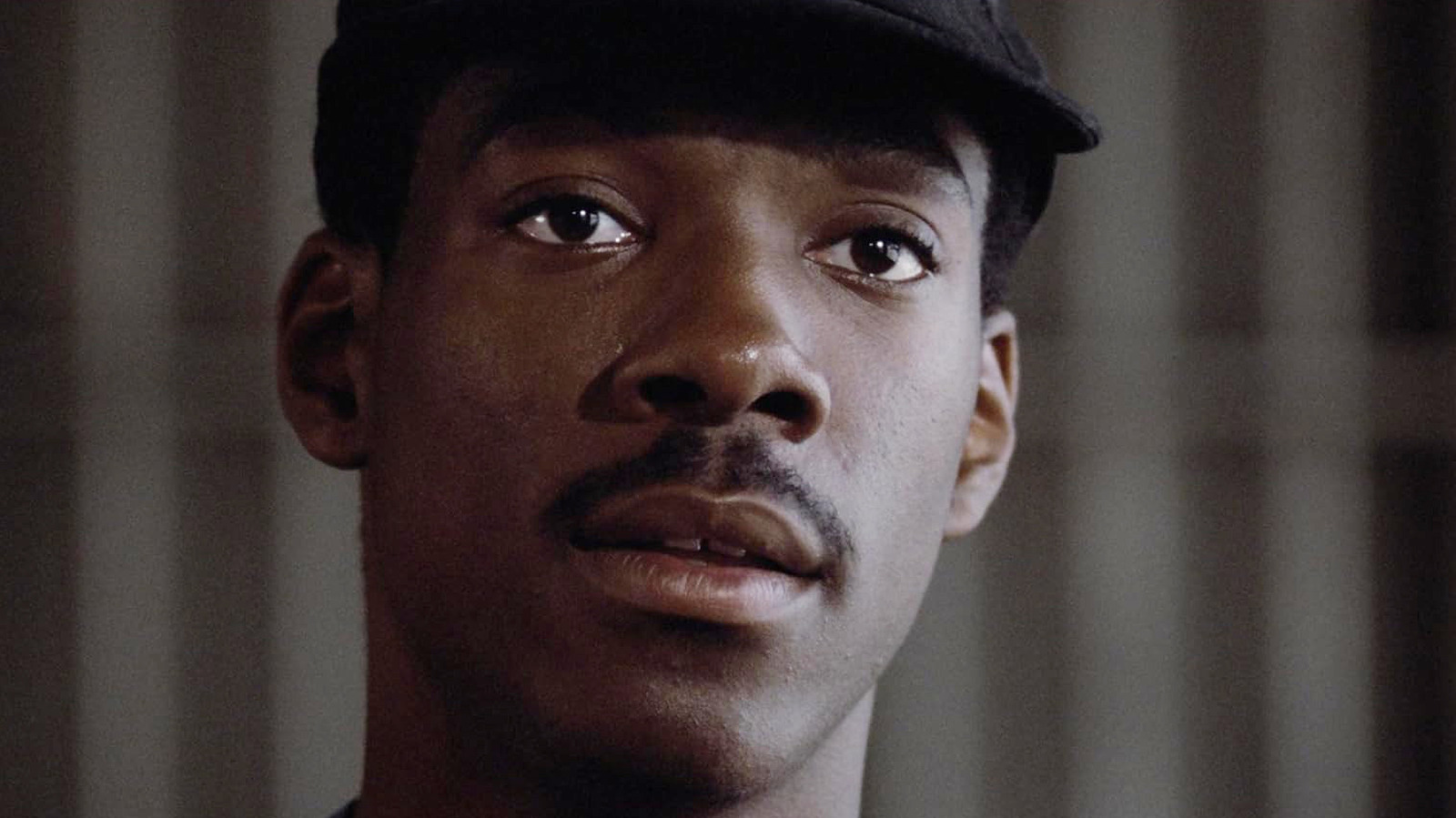
The irony, of course, is that the very traits the studio questioned—his youth, his confrontational style, and his unique comedic timing—were exactly what the film needed to balance the heavy, noir-inspired tone established by Nick Nolte’s character, Jack Cates.
The Narrative Arc: A Collision of Worlds
48 Hrs. follows the classic "buddy cop" formula, yet it remains the gold standard of the subgenre. Nick Nolte plays Jack Cates, a San Francisco Police Department inspector who is, by all accounts, a disaster of a human being. He is an alcoholic, abrasive, and deeply flawed man obsessed with catching the killers who murdered his partners.
To find these fugitives, Cates pulls Reggie Hammond (Murphy) out of prison on a 48-hour furlough. The chemistry between the two is built on mutual loathing. Cates is a traditional, albeit broken, authority figure; Hammond is a street-smart, fast-talking survivor. The film’s tension is derived not just from the manhunt, but from the racial and social friction between the two leads.
The Defining Moment: The Redneck Bar Scene
The scene that cemented Murphy’s status as a superstar remains one of the most famous in cinema history. When the duo enters a redneck bar, Hammond is confronted by hostile locals. In a display of pure, unadulterated confidence, Hammond takes control of the room, using the authority of Cates’ badge to intimidate men who would otherwise have been a physical threat.
The dialogue—"I don’t like white people. I hate rednecks. You people are rednecks. That means I’m enjoying this s***"—served as a shock to the system for 1982 audiences. It was bold, transgressive, and undeniably brilliant. It transformed Murphy from a TV personality into a cinematic force who could command an audience’s complete attention.
Supporting Data: Why ’48 Hrs.’ Holds Up
The success of 48 Hrs. was not accidental; it was the result of a "perfect storm" of talent.
- Director Walter Hill: Known for his taut, muscular style of filmmaking, Hill ensured the movie didn’t devolve into pure comedy. The action sequences are grounded, violent, and high-stakes.
- The Script: The screenplay is famously airtight. It respects the intelligence of the audience, providing just enough exposition while keeping the pace relentless.
- Box Office Performance: The film became a massive commercial hit, grossing over $78 million domestically—a significant sum in 1982—on a modest budget. This success effectively forced Paramount to pivot, eventually signing Murphy to a long-term deal that would lead to Beverly Hills Cop and Trading Places.
Despite the film’s success, the sequel, Another 48 Hrs. (1990), is frequently cited as a cautionary tale. While it reunited Murphy and Nolte, critics and fans alike noted that it lacked the gritty, spontaneous energy that made the original a masterpiece. The magic of the first film was a product of its time—a lightning-in-a-bottle moment where a young star, a veteran director, and a hard-boiled script converged.
Corporate Skepticism and the "I Told You So"
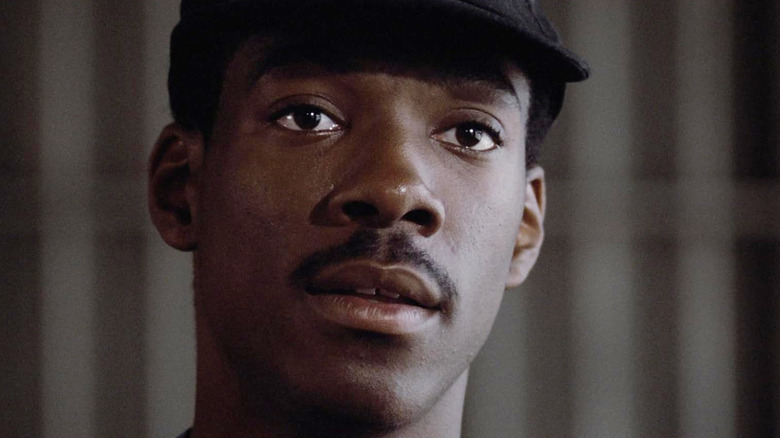
The internal resistance Murphy faced at Paramount remains a poignant lesson for the film industry. According to actor Chris Mulkey, who appeared in the film, the friction during the production was palpable. Executives were reportedly ready to fire Murphy mid-shoot because they failed to understand the nuance of his performance.
This skepticism is a common byproduct of the studio system, where the desire for "safe" investments often blinds decision-makers to true innovation. The fact that Murphy had to prove his worth on camera, in real-time, is a testament to his tenacity. When the box office numbers rolled in, the executives who had pushed for his removal were left to "eat crow," marking the start of a new era where Murphy would become the most bankable star of the decade.
Implications: A Lasting Legacy
Why should audiences watch 48 Hrs. today? Beyond the nostalgia, the film serves as a template for modern action-comedy. It taught the industry that a character-driven dynamic, rather than just explosions or high-concept premises, is the key to longevity.
The film also serves as a reminder of the power of the "star turn." In an era of franchise-first filmmaking, 48 Hrs. highlights how one singular, charismatic performance can elevate a standard police procedural into something legendary. As Netflix brings this classic to a new generation of viewers, it offers a chance to analyze the intersection of television evolution and the birth of a movie icon.
For those interested in the history of comedy, the mechanics of screenwriting, or simply the history of the 1980s blockbuster, 48 Hrs. is not just a "must-watch." It is an essential component of the cinematic canon, a bridge between the gritty realism of the 1970s and the high-gloss, high-energy entertainment of the MTV generation.
Whether you are a long-time fan of Eddie Murphy or a newcomer to his work, the film remains as sharp, funny, and urgent as the day it premiered. It is a rare example of a movie that lives up to every bit of its historical reputation.










