Iffa Jayyana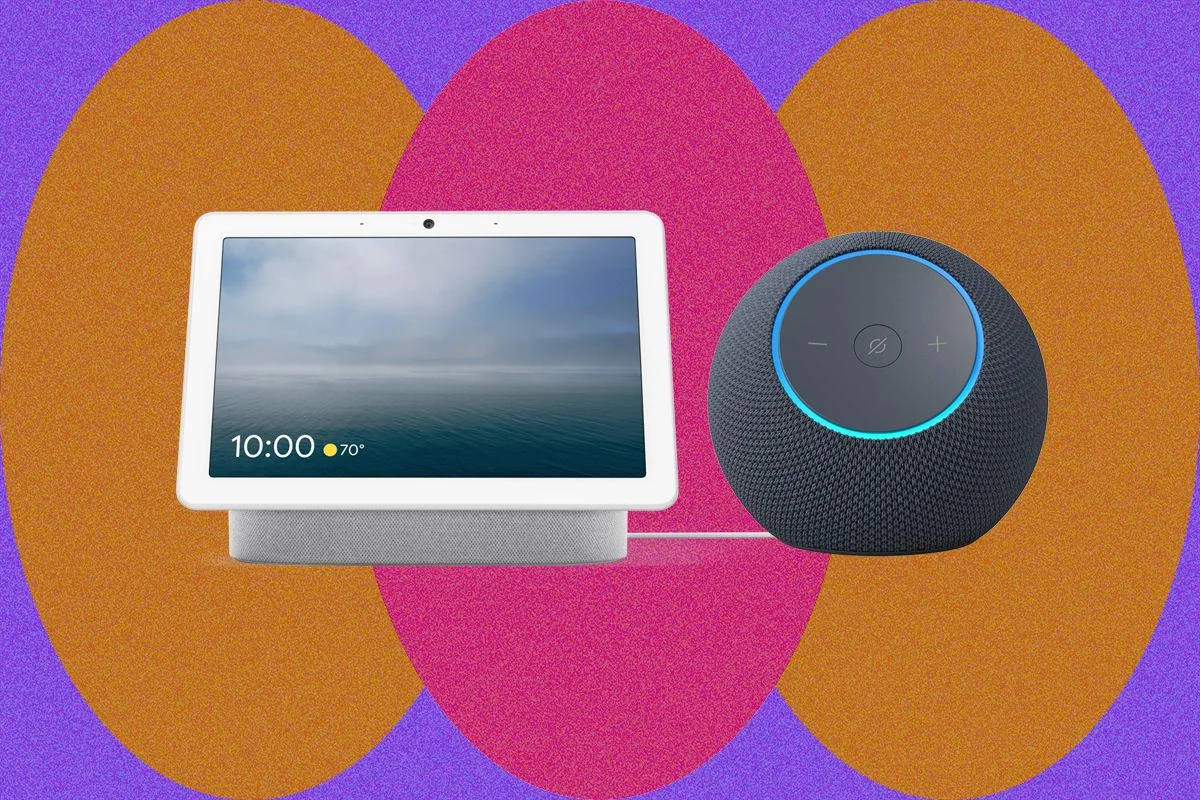
The landscape of the smart home has undergone a radical transformation over the last twelve years. Since the debut of the original Amazon Echo in 2014, these voice-activated devices have evolved from simple kitchen timers and music players into the central nervous systems of our modern lives. However, as we reach mid-2026, the market has hit an inflection point. With the integration of generative AI, the rise of new subscription models, and a consolidation of hardware ecosystems, choosing the right smart speaker is no longer just about audio quality—it is about choosing the digital companion that best fits your personal data and home automation philosophy.
The Evolution of the Smart Home: A Chronology
The smart speaker industry did not emerge overnight; it was a slow crawl toward ubiquity, marked by distinct technological leaps.
- 2014–2016 (The Dawn of Voice): Amazon pioneered the space with the Echo, proving that consumers were willing to invite "always-on" microphones into their homes. Google followed shortly after with the original Google Home, focusing on search-based utility.
- 2017–2020 (The Display Era): Recognizing that voice wasn’t enough, companies introduced "Smart Displays." Devices like the Google Nest Hub and Amazon Echo Show added screens, turning speakers into digital photo frames, recipe guides, and video-call hubs.
- 2021–2024 (The Plateau): Hardware innovation slowed as companies struggled to monetize the low-margin devices. Features became largely standardized, and privacy concerns began to dictate design, leading to the inclusion of physical camera shutters and microphone-mute switches.
- 2025–2026 (The Generative AI Shift): The current era is defined by LLMs (Large Language Models). Amazon introduced Alexa+, and Google began transitioning its Home ecosystem to Gemini. These are no longer just command-based interfaces; they are conversational agents designed to hold context, draft messages, and manage complex home automations.
The Top Contenders: Ecosystem-Specific Recommendations
After a decade of rigorous testing, the consensus remains clear: your choice should be driven by the ecosystem you already inhabit.
1. The Best Overall: Amazon Echo Dot Max
Launched in late 2025, the Echo Dot Max represents the current pinnacle of Amazon’s hardware design. It successfully shrinks a high-fidelity audio experience into a compact, spherical chassis. While it carries a premium price for its size, its built-in Zigbee/Matter smart home hub makes it a powerhouse for controlling light bulbs, locks, and thermostats without needing extra bridges.

2. The Google Stalwart: Nest Audio
While Google is currently phasing out the Nest Audio in anticipation of the upcoming "Google Home Speaker," it remains a formidable choice for those entrenched in the Google ecosystem. It offers a balanced, warm sound profile and seamless integration with Google Photos and Calendar. With the roll-out of Gemini for Home, it is now smarter than ever, though users must be aware of the shift toward a tiered subscription model for advanced AI features.
3. The Apple User’s Choice: HomePod Mini
For the Apple faithful, the HomePod Mini is the logical, albeit solitary, choice. While the larger HomePod has faced criticism for its high price and average audio performance, the Mini strikes the right balance between cost and utility. It serves as a rock-solid HomeKit hub, though its reliance on Siri—which, despite updates, often trails behind the conversational prowess of Google’s Gemini or Amazon’s Alexa+—remains its primary limitation.
The AI Divide: Alexa+ vs. Gemini for Home
The most significant development in 2026 is the transition to "smarter" assistants. This shift carries substantial implications for both your wallet and your privacy.
The Cost of Intelligence
Amazon has moved toward a model where the full potential of its AI, Alexa+, is gated behind either a Prime subscription or a standalone $20 monthly fee. This is a deliberate "ecosystem lock-in" strategy. Conversely, Google has integrated its generative AI, Gemini, into the base Google Home experience for free, but it has attached its advanced, high-level automation and security features (such as 24/7 video history and "Home Briefs") to the new Nest Aware subscription tiers.

Privacy and Local Processing
The privacy landscape has darkened. Last year, Amazon effectively ended the "local processing" era for Echo devices. Previously, users could opt for certain requests to be processed on-device to prevent audio from reaching the cloud. That feature has been removed; today, virtually all requests are sent to the cloud to facilitate the complex processing required by generative AI. This is a critical factor for privacy-conscious users to consider before placing these devices in bedrooms or private offices.
Implications for the Consumer
As we look at the market in June 2026, the implications for the average household are threefold:
- Hardware is becoming secondary to software services. You are no longer just buying a speaker; you are subscribing to a service. Whether you prefer the shopping-heavy utility of Alexa or the search-and-data-centric nature of Google, your monthly subscription will soon outweigh the initial cost of the hardware.
- The "Brick" Factor. With the advent of the UK’s 2024 legislation on smart device security and support, manufacturers are now forced to be more transparent about the "end-of-life" for their products. Consumers should prioritize devices from major brands like Google, Amazon, and Sonos, as they are the most likely to adhere to long-term software support standards.
- The Rise of Specialized Displays. The Echo Show 11 and the Nest Hub Max have proven that consumers prefer devices that can do more than just listen. The trend is moving toward larger, more responsive screens that function as home dashboards.
Expert Analysis: How We Test
At WIRED, our testing methodology is designed to reflect real-world usage. This includes:
- Acoustic Profiling: Testing audio performance across genres, from heavy metal to lo-fi hip hop, in varied room acoustics.
- Microphone Sensitivity: Assessing the "wake word" accuracy from distance, particularly when background noise—such as a television or a kitchen vent—is active.
- Interoperability: Evaluating how easily a device pairs with third-party smart bulbs, sensors, and security cameras.
- Long-Term Reliability: Every device featured in this guide has been subjected to a minimum of one month of daily, household-level usage.
Final Verdict
If you are looking for the most versatile speaker with the best smart home integration, the Amazon Echo Dot Max is currently the industry leader. If your priority is the Google ecosystem and you prefer a device without intrusive on-screen ads, the Nest Hub Max remains the gold standard for smart displays.

Before purchasing, we strongly advise potential buyers to audit their current digital habits. If you are not a Prime subscriber, the value proposition of Amazon’s newest AI features is questionable. Similarly, if you prioritize data privacy, you should carefully weigh the necessity of these devices against the reality that, in 2026, the "always-on" microphone has become a conduit for cloud-based AI processing.
The smart home of 2026 is more capable, more conversational, and more integrated than ever before—but it is also more demanding of your attention, your data, and your monthly budget. Choose your ecosystem wisely.

 Jia Lissa
 Asro
Asro