

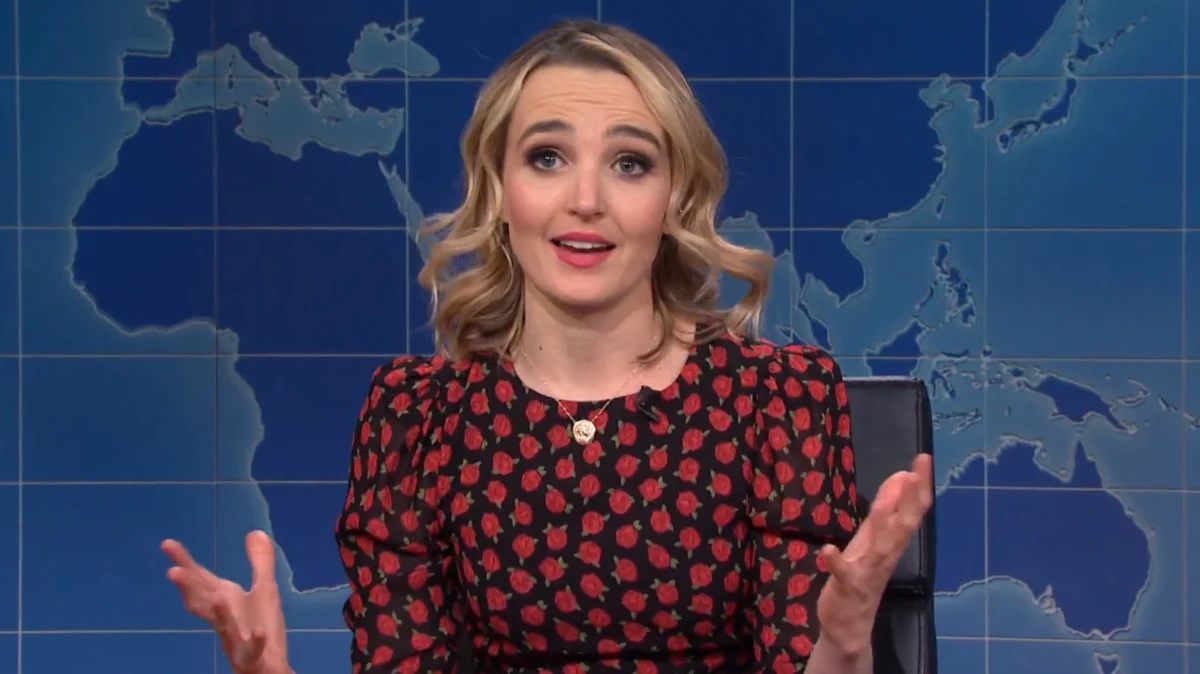
The landscape of Studio 8H is shifting once again. After seven transformative years, Chloe Fineman, one of the most versatile and technically proficient performers in the modern history of Saturday Night Live, has officially announced her departure from the iconic sketch comedy institution. Following the conclusion of Season 51, Fineman is stepping away from the rigors of live television to pursue new creative horizons, marking the end of a tenure that redefined the role of the contemporary SNL player.
Her exit is not merely a professional transition; it represents a significant changing of the guard for the NBC flagship series. As the show prepares for its 52nd season, the departure of a performer of Fineman’s caliber—following the exit of fellow veteran Bowen Yang—leaves a palpable void in the comedy troupe that producer Lorne Michaels and his team must now address.
The Announcement and the Nature of the Departure
Fineman’s departure, which she confirmed via an emotional Instagram post, is a rare instance of a performer choosing to exit on their own terms. Unlike the more contentious departures that have occasionally punctuated the show’s 50-year history—such as the infamous firing of Adam Sandler in the mid-90s—Fineman’s exit is characterized by mutual respect and a sense of completed mission.
"It’s really hard to leave ‘SNL,’ but it does feel like the right time," Fineman wrote in her announcement. Her statement serves as a love letter to the grueling, high-pressure environment of the show. She highlighted the sheer absurdity and intensity of the SNL lifestyle: "Sewing a JoJo Siwa costume in 10 hours. Writing a cold open at 2 p.m. on a Saturday. Finishing the VFX of a video minutes before dress."
For Fineman, the decision was not spurred by a lack of opportunity or friction with the brass at 30 Rockefeller Plaza, but rather by the natural conclusion of a seven-year cycle. Having joined the cast during the 2019/2020 season, she has been a constant presence through some of the most challenging years in the show’s history, including the pivot to remote production during the global pandemic and the subsequent return to a live audience.
A Chronology of a Rising Star: From Discovery to Departure
Chloe Fineman’s trajectory on Saturday Night Live was one of rapid ascent. Before joining the cast, she had already established herself as a formidable talent in the Los Angeles comedy circuit, particularly through her mastery of viral impressions on social media.
2019: The Breakthrough
When Fineman was hired in 2019, the show was in need of a performer who could bridge the gap between traditional sketch work and the digital-first sensibilities of a younger audience. She arrived with a pedigree that included being a New Face at the Just for Laughs festival and a history with the Groundlings. Her ability to inhabit characters with uncanny precision made her an immediate asset to the writers’ room.
2020–2023: The Impressionist Specialist
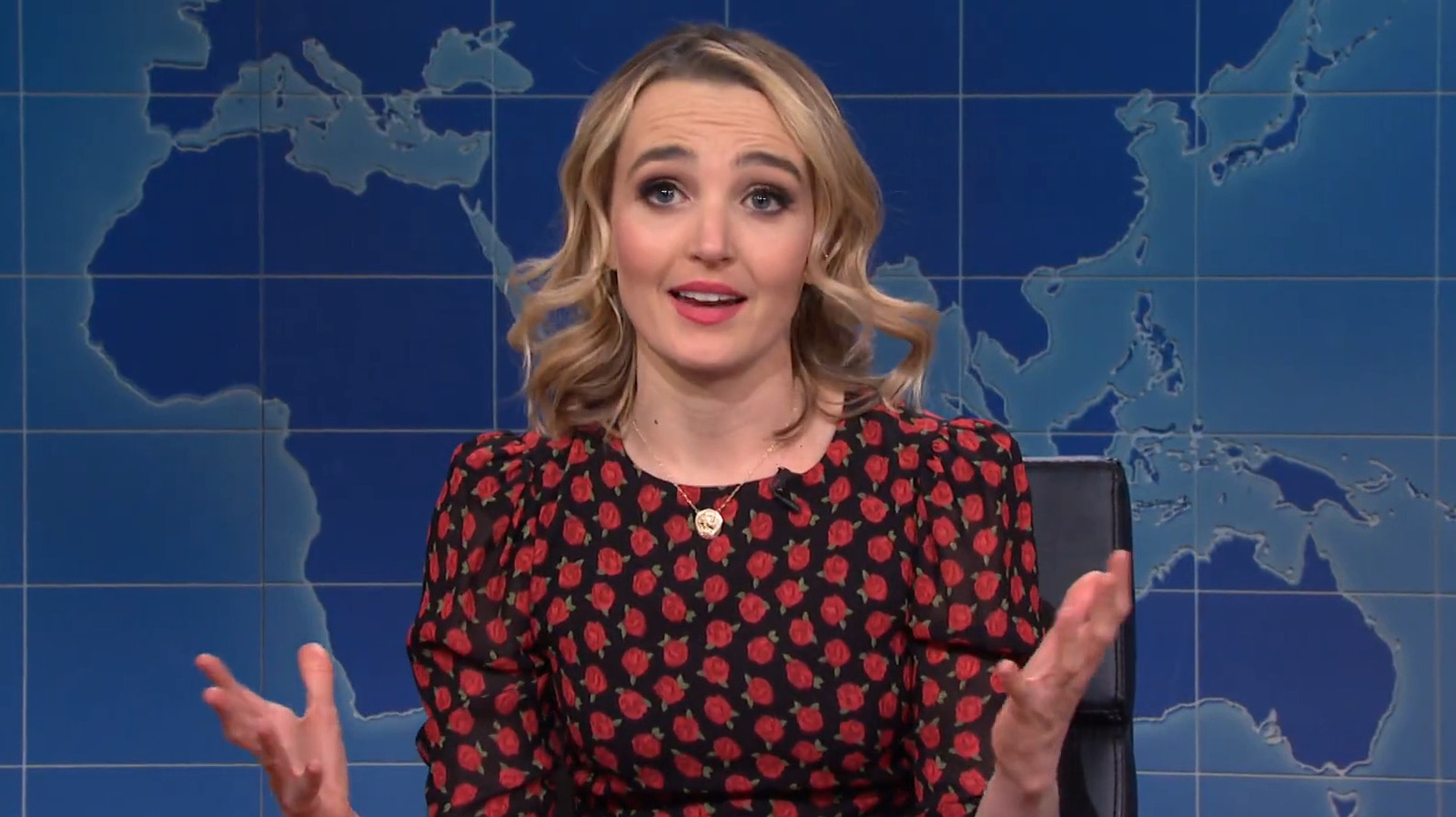
During her middle years on the show, Fineman became the go-to performer for high-profile celebrity impressions. Her ability to mimic everyone from Drew Barrymore to Timothée Chalamet allowed the show to pivot quickly on pop-culture trends. This period also saw her develop a unique brand of "meta-comedy," often playing versions of herself or characters that blurred the line between the performer and the persona, as seen in her recurring "Inventing Chloe" segments.
2024–2025: The Transition to Film
As she moved into her final seasons, Fineman’s output began to shift toward feature film work. Her roles in Summer of 69, Freakier Friday, and the ambitious Megalopolis directed by Francis Ford Coppola signaled to industry observers that she was ready to transition into a broader acting career.
The Economics and Mechanics of the "SNL" Grind
To understand why Fineman is leaving, one must understand the unique "pressure cooker" environment of Saturday Night Live. The show is notoriously demanding, requiring performers to balance writing, rehearsing, and live performance within a 72-hour window each week.
Fineman provided a rare, vulnerable glimpse into this cycle in her farewell reflection: "You get so invested in everything you work on. You sob uncontrollably when your sketch isn’t picked. You storm into a producer’s office telling them they just made the biggest mistake of their lives."
This level of emotional investment is what makes SNL successful, but it is also what makes it unsustainable for many over the long term. Fineman’s transition is emblematic of the "seven-year itch" that many cast members experience. By the time a performer reaches their seventh season, they have effectively mastered the format. For someone with Fineman’s range, the next logical step is to apply those skills to projects that allow for more creative control and a less punishing schedule.
Official Responses and Industry Implications
While Lorne Michaels has not issued a formal press release regarding her departure, Fineman’s own words suggest a deep, enduring bond with the show’s creator. "Lorne (if you’re reading this on your burner account) I want you to know that I am forever in your debt," she wrote, acknowledging the mentorship she received.
Industry experts note that Fineman’s departure—alongside Bowen Yang—leaves a significant talent vacuum. SNL is currently in a state of transition, moving away from the "all-star" cast era that dominated the late 2010s and toward a younger, more experimental group. The challenge for NBC will be finding performers who possess Fineman’s rare combination of technical impressionist skills and the ability to carry a narrative sketch.
Her immediate future is already secured, with Deadline reporting that she has landed a major role in the Netflix adaptation of Harlan Coben’s Myron Bolitar. This move into serialized streaming content is a well-trodden path for SNL alumni, following in the footsteps of stars like Bill Hader, Jason Sudeikis, and Kristen Wiig.
The Legacy of the "Fineman Era"
What will Chloe Fineman leave behind at 30 Rock? Beyond the iconic wigs and the spot-on vocal affectations, she leaves a legacy of technical perfection. She was a "utility player" in the truest sense of the word. Whether she was anchoring a Weekend Update segment or acting as the straight woman to a guest host’s antics, she brought a sense of grounded realism to the show’s often surreal sketches.
Her reflection on the ephemeral nature of the work remains one of the most poignant insights into the show ever shared by a departing cast member: "You’re ecstatic when it works out and the most devastated you’ve ever been when it doesn’t. And in the end, it doesn’t matter all that much, but it did at the moment."
As the set is struck and the lights dim on her final season, the comedy community is left to acknowledge that while performers come and go, the standard set by talents like Fineman remains. She departs with the gratitude of her peers and the admiration of an audience that watched her grow from a promising newcomer into a cornerstone of American television comedy.
The question now for the fans of Saturday Night Live is not just who will replace her, but how the show will evolve to fill the void left by her specific brand of sharp, character-driven humor. For now, Fineman’s chapter at SNL is closed, but her career as a comedic force in film and television is only just beginning to reach its full potential.










