After two decades of fluctuating fortunes and experimental shifts, the Prince of Persia franchise has finally reclaimed its throne. Following years of uncertainty, the series has rediscovered its identity by returning to its roots—embracing the 2D plane that originally vaulted it to legendary status in the late 1980s. The Rogue Prince of Persia is not merely a nostalgic callback; it is a masterclass in modern game design, blending the high-stakes, iterative nature of roguelites with the fluid, acrobatic DNA that defined the franchise’s golden age.
A New Era: The Main Facts
The release of The Rogue Prince of Persia marks a pivotal moment for Ubisoft and the long-dormant series. Developed as a fast-paced, 2D action-platformer, the game eschews the bloated, open-world design philosophies that hampered previous entries, opting instead for a tight, loop-based experience.
At its core, the game challenges players to navigate an ever-changing kingdom under siege. Unlike traditional titles in the roguelite genre—which often treat death as a cold, mechanical reset—The Rogue Prince of Persia integrates narrative progression into the cycle of failure. Every time the Prince falls, he utilizes the power of time manipulation to rewind, turning each defeat into a learning opportunity. This design choice effectively removes the "punishment" element common to the genre, replacing it with a sense of forward momentum that encourages players to push harder, run faster, and delve deeper into the mystery of the invading Hun army.
The Chronology of a Comeback
To understand the significance of this release, one must look at the last twenty years of the franchise. Following the massive success of The Sands of Time trilogy in the early 2000s, the series struggled to find its footing in the high-definition era. Attempts to modernize the Prince through 3D open-world mechanics and cinematic action-adventure tropes often felt disjointed, leading to a prolonged hiatus for the IP.
The turning point arrived with the realization that the series’ core appeal was never about the size of the world, but the quality of the movement. By pivoting to the 2D roguelite format, developers have managed to synthesize the precision platforming of the original 1989 classic with the combat depth of modern titles. This transition represents a "return to form" that mirrors the industry-wide trend of AAA studios rediscovering the creative freedom offered by indie-adjacent, 2D game structures.
Supporting Data: Why the Mechanics Click
The primary draw of The Rogue Prince of Persia is its movement engine. In a genre where every millisecond counts, the game offers a level of control that feels both intuitive and exhilarating.

Precision Movement and Acrobatics
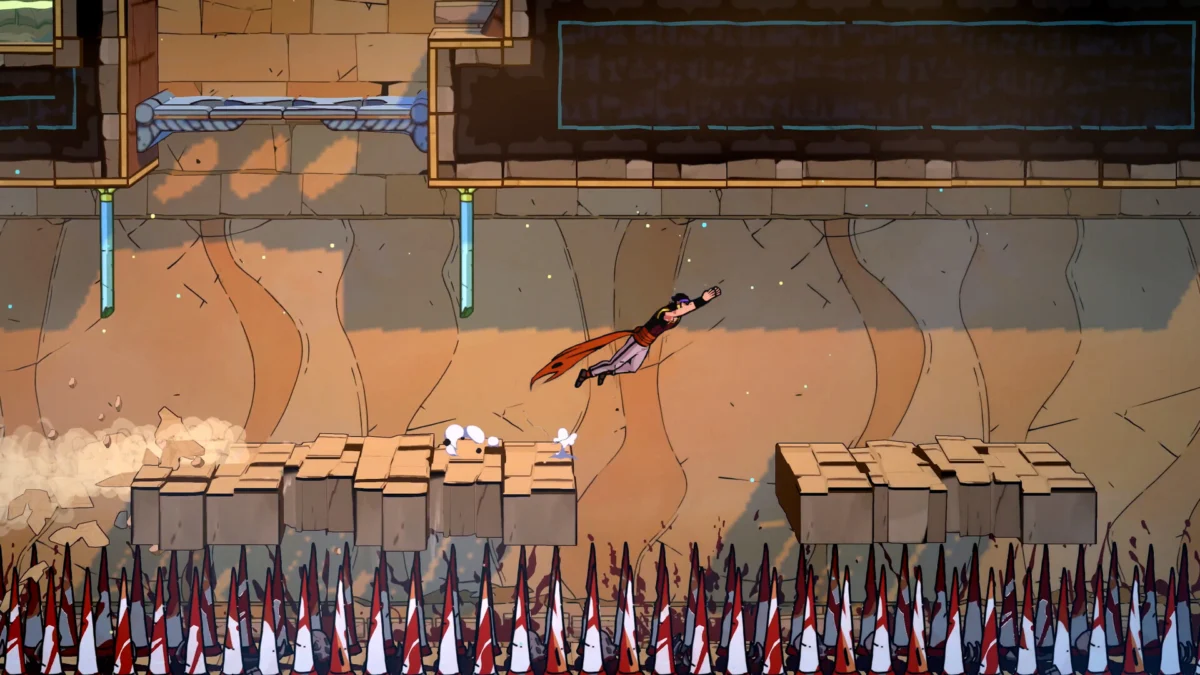
The game’s platforming is built upon a foundation of wall-running, air-dashing, and momentum-based traversal. From the first level, the Prince moves with a weightless, dancer-like quality. The environment is not just a backdrop; it is a tool. Players are encouraged to use wall-runs to position themselves behind enemies, air-dash to close gaps, and manipulate the terrain to trigger environmental hazards. Once the player internalizes the rhythm of these controls, the game transforms from a challenging platformer into a high-speed ballet of destruction.
Combat Fluidity
Combat is equally refined. Rather than relying on simple hack-and-slash mechanics, the game provides a diverse arsenal of weapons, each governed by unique attack patterns and critical hit thresholds.
- Weapon Diversity: From daggers that reward rapid, close-quarters striking to heavier weapons that disrupt enemy formations, the choice of equipment dictates the player’s strategy.
- Environmental Synergy: The combat system shines brightest when players integrate their movement abilities into their attacks. Kicking an enemy into a trap or vaulting over a shield-bearer to strike from behind feels inherently rewarding.
- Responsiveness: The game’s engine is tuned for high-speed feedback. The lack of animation locking ensures that players feel in control at all times, a necessity for a game that emphasizes speed over bulk.
The Roguelite Progression System
The progression system is where The Rogue Prince of Persia distinguishes itself from the wider genre. Roguelites are notorious for being "punishing," often requiring players to start from absolute zero after a failure. This title, however, prioritizes accessibility without sacrificing depth.
Permanent upgrades are gated behind skill trees and resource collection, ensuring that even a "bad" run results in a stronger character for the next attempt. By unlocking new story paths, shortcuts, and gear blueprints through repeated playthroughs, the game avoids the stagnation that plagues lesser roguelites. The player is not just "getting better at the game"; they are actively unraveling a narrative mystery, providing a compelling reason to push through the cycle of death and rebirth.
Official Perspectives and Industry Reception
While the critical consensus has been overwhelmingly positive, some discourse among genre purists has emerged. Veterans of the roguelite genre—accustomed to the grueling difficulty of titles like Hades or Dead Cells—have noted that The Rogue Prince of Persia is considerably more forgiving.
In response, proponents of the game argue that this lower barrier to entry is a feature, not a bug. By toning down the frustration factor, the game welcomes a broader audience, allowing players who love the Prince of Persia aesthetic to experience the genre without being gated by extreme difficulty spikes. While the game may lack the "endless" replayability of a 100-hour title, it delivers a focused, high-quality experience that respects the player’s time.

Implications for the Franchise’s Future
The success of The Rogue Prince of Persia carries significant implications for the future of the brand. It proves that the Prince does not need a massive 3D budget to remain relevant. By focusing on the "feel" of the character—his agility, his acrobatic prowess, and his connection to the manipulation of time—Ubisoft has found a sustainable blueprint for the series moving forward.
Furthermore, the game’s unique art style serves as a bridge between the classic, vibrant roots of the series and modern aesthetic standards. The bold, saturated colors and the rhythmic, fusion-heavy soundtrack create a world that feels both exotic and contemporary. This presentation confirms that the series can retain its Persian-inspired soul while adopting a fresh, stylized look that distinguishes it from the gritty realism of many modern competitors.
Conclusion: A Masterclass in Iteration
The Rogue Prince of Persia is a triumph of design. It successfully navigates the delicate balance between honoring the legacy of a classic franchise and embracing the innovations of the modern roguelite genre. While it may not provide the punishing, thousand-hour grind that some genre veterans crave, its polish, movement-heavy gameplay, and narrative integration make it an essential entry in the series.
For fans who have spent two decades waiting for the Prince to return to his former glory, this title offers more than just a trip down memory lane. It provides a roadmap for the future, proving that when a series focuses on its core strengths—movement, style, and fluid, responsive action—the result is nothing short of a masterpiece. As the Prince continues to dash, leap, and rewind his way through this beautifully realized kingdom, one thing is clear: the series is no longer just surviving; it is thriving.