

As May draws to a close, the literary landscape of the 11th annual Self-Published Fantasy Blog-Off (SPFBO) continues to shift. With the competition now deep into its primary phase, the judging panel has reached a critical juncture, officially announcing the "Third Five to Fall." This latest round of eliminations represents a significant milestone in the journey toward narrowing the field of 300 entrants down to a select group of semi-finalists.
The SPFBO remains a cornerstone of the indie fantasy community, providing a platform where hidden gems are surfaced through rigorous, albeit subjective, critical evaluation. Today’s report dissects the departures of this week, the reasoning behind the judges’ consensus, and the broader implications for the authors who continue to navigate this high-stakes gauntlet.
The SPFBO 11: A Chronology of Elimination
The structure of the SPFBO is designed for attrition. By evaluating books in batches of five, the judges ensure that every entrant receives meaningful attention without the pressure of an arbitrary ranking system. The goal is not to designate "worst to best," but rather to identify the most compelling narratives that align with the specific panel’s aesthetic and thematic standards.
The "Third Five to Fall" follows previous rounds of cuts, systematically thinning the herd. As the competition progresses, the remaining authors face increased scrutiny, as the panel looks for tight pacing, innovative world-building, and emotional resonance. The departure of these five titles does not denote a lack of quality, but rather the highly subjective nature of the competition. As the organizers frequently remind the community: one reader’s rejection is often another reader’s future favorite.

The Third Five: Critical Review and Analysis
The following titles, while displaying creative ambition, did not secure a place in the next round of the contest.
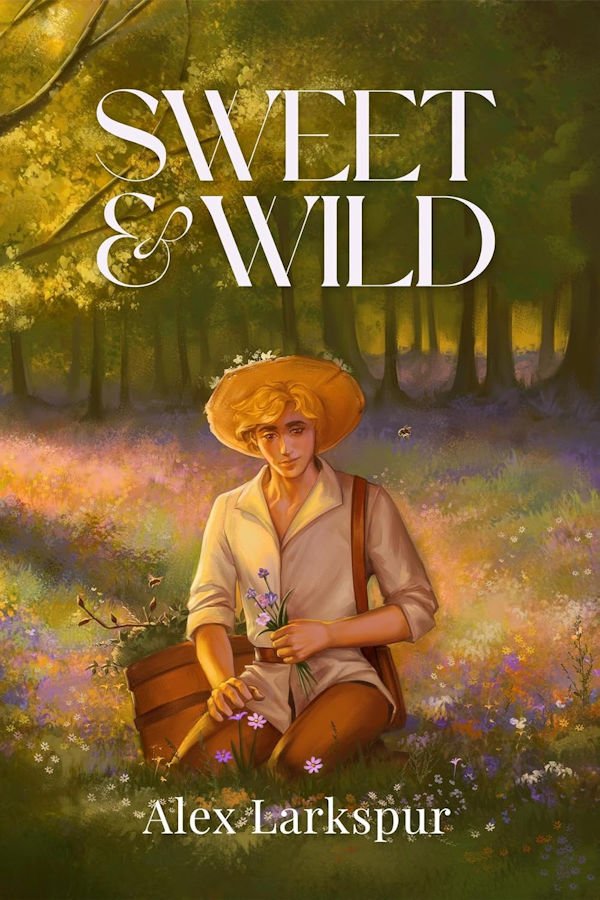
Sweet & Wild by Alex Larkspur
Sweet & Wild introduces readers to Micah Harlow, a newcomer to the mysterious town of Roseyard. The narrative focuses on Micah’s integration into a community shadowed by a local guardian spirit. While the premise—a hedge witch navigating the allure of a supernatural entity—offers classic folkloric charm, the execution failed to win over the panel.
The primary critique focused on the romantic dynamic between the protagonist and the spirit. The judges noted a lack of tangible chemistry, but the more significant concern was the power imbalance inherent in the relationship. The "ancient entity falling for a mortal" trope is a staple of the genre, but the panel felt the execution struggled to navigate the ethical complexities of this age gap, ultimately leaving the judges disconnected from the central emotional arc of the novel.
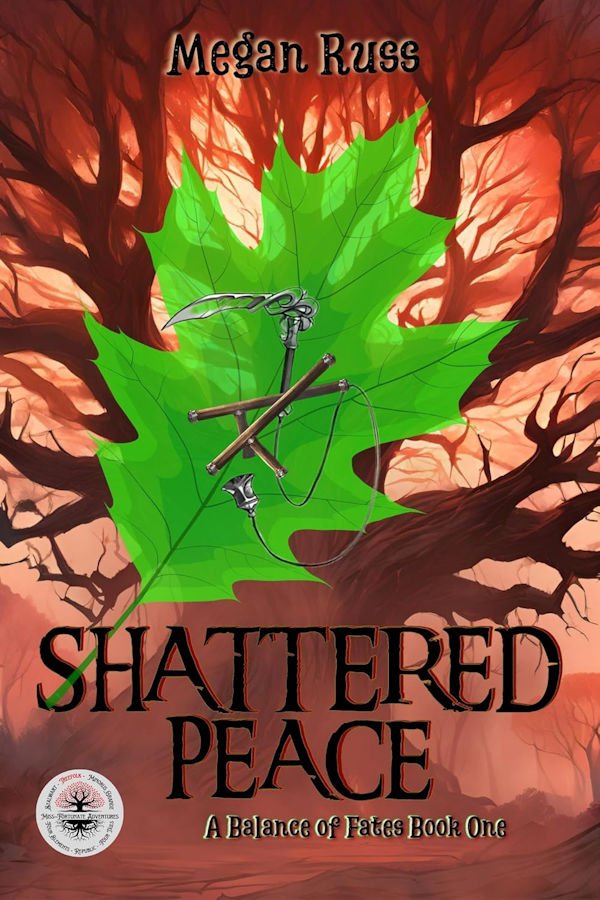
Shattered Peace by Megan Russ
Set in the fractured world of Aearth, where magic has been long suppressed by the gods, Shattered Peace promised a compelling narrative about elven warrior-monks. The concept of a post-divine world is rich with potential, and the panel praised the character work regarding the two protagonists graduating from the Monastery of the Leaf.
However, the novel faced challenges with structural pacing. The judges reported that while the premise was strong, the story’s momentum flagged significantly, failing to maintain the necessary tension to propel the plot forward. In a competitive field, the inability to sustain engagement is often the deciding factor in a book’s elimination.
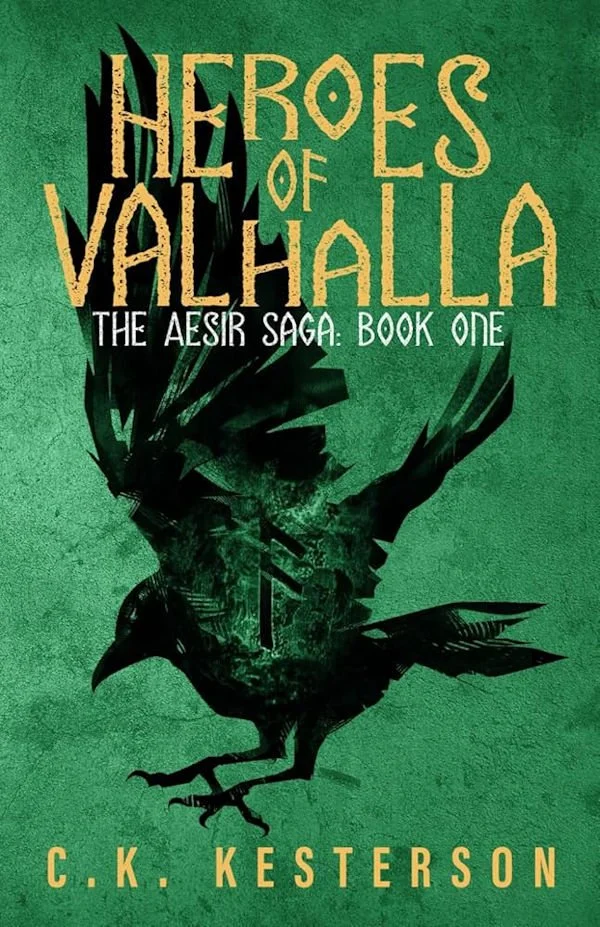
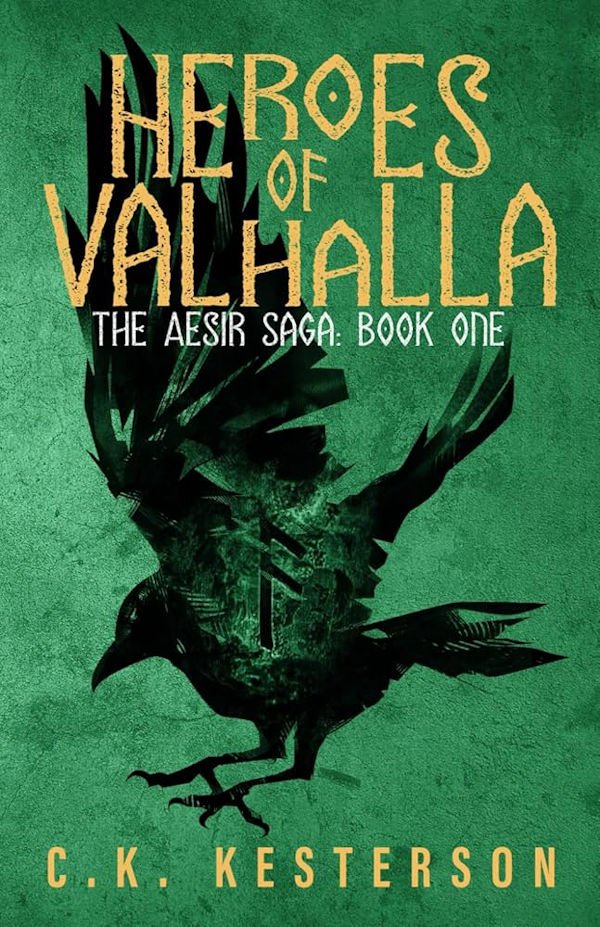
Heroes of Valhalla by C. K. Kesterson
Norse mythology remains a perennial favorite in fantasy literature, yet it is also one of the most crowded sub-genres. Heroes of Valhalla attempted to tackle the end of the world through the eyes of Odin as he searches for a savior. The panel found the book to be a technically sound piece of writing; however, it suffered from a lack of distinctiveness.
Because the book followed well-worn tropes without introducing a unique twist or stylistic flair, the judges felt it lacked the "spark" required to progress. It serves as a reminder that in the crowded indie market, technical proficiency is often not enough; authors must also bring a unique perspective to the mythos they choose to inhabit.
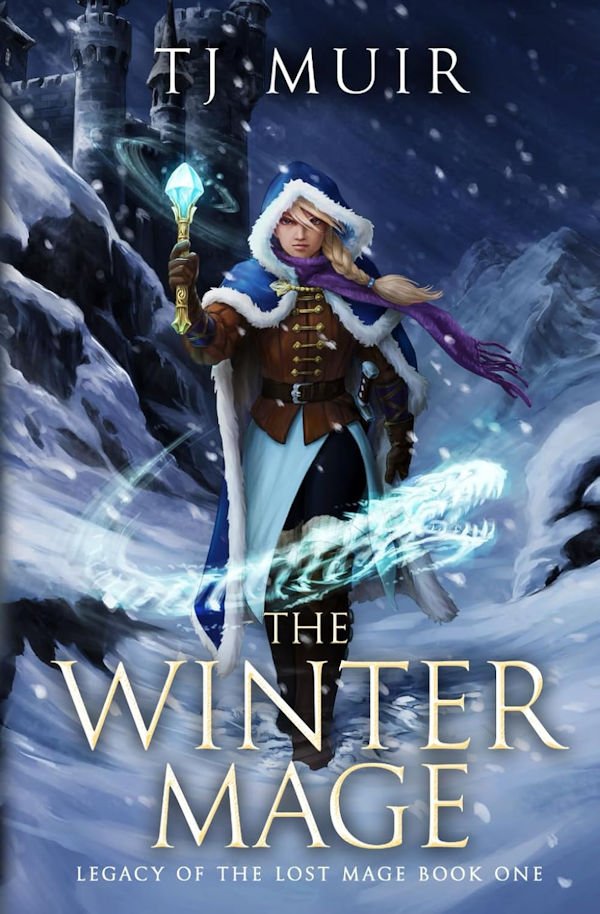
The Winter Mage (Legacy of the Lost Mage #1) by TJ Muir
TJ Muir’s The Winter Mage presented an intriguing split-POV narrative following a mage and a martial artist in a world recovering from a magical purge. The initial hook successfully captured the judges’ attention. The world-building, while ambitious, eventually proved to be a double-edged sword.
The panel found that the density of the world-building, combined with a noticeable number of technical editing errors, hindered the reading experience. While the core concept and character development showed promise, the lack of narrative polish prevented it from advancing in the competition.
Legacy Bound (Legacies #1) by Elizabeth Daly
Legacy Bound serves as a fusion of epic fantasy and "romantasy," focusing on the intersecting lives of a brother, a sister, and a prince. The novel was the most divisive of the group, with judges split on the effectiveness of the character interactions.
The primary hurdle for Legacy Bound was its tonal shift. While the story leaned into standard epic fantasy tropes, the ending featured a twist that alienated portions of the panel—particularly those who preferred the romance-centric elements of the genre. The lack of a unified reaction among the judges, combined with the polarizing nature of the conclusion, resulted in the book’s elimination from the semi-finalist pool.
Supporting Data and Judging Standards
The SPFBO 11 judging panel is a diverse collective of industry veterans, including Adawia Asad, Eva Geraghty, E.G. Stone, and others. This diversity is the engine of the contest. Each judge brings a specific set of preferences—some prioritize prose, others prioritize character growth, and some focus on the uniqueness of the world-building.
The decision-making process is a collaborative negotiation. For an entry to survive, it generally needs to pass a "consensus threshold" where at least a majority of the panel sees enough merit to advocate for its continued inclusion. When a book is eliminated, it is usually because it failed to trigger this consensus, rather than because it was objectively flawed.
Official Responses and Contest Implications
The SPFBO organization remains transparent about the subjective nature of its process. By providing these public reviews, the contest serves two purposes: it provides constructive feedback to authors, and it acts as a discovery tool for readers.
For the authors involved, the experience is undoubtedly challenging. Putting a work of art up for public scrutiny—and potential dismissal—requires significant courage. The SPFBO organizers have expressed their gratitude to the entrants, acknowledging the hard work required to bring these novels to the page.
Looking Ahead:
With 15 books still awaiting evaluation, the intensity of the competition will only increase. The remaining authors are now closer to the semi-finalist round, where their books will receive deeper, more comprehensive reviews.
Readers who wish to track the progress of the contest, or who are interested in exploring the works of the eliminated authors—despite their exit from the contest—are encouraged to visit the official SPFBO website.
As the contest moves forward, the primary takeaway for the writing community remains the same: subjectivity is the final arbiter of taste. A book that fails to advance in a contest is not necessarily a failure; it is simply a book that hasn’t found its ideal audience yet. For the readers following along, these "falls" are simply signposts pointing toward the diverse and vibrant world of self-published fantasy.









No comments yet. Be the first to join the conversation!