The gaming landscape this week is a fascinating study in contrasts. We are witnessing the arrival of bold, new intellectual properties that challenge the boundaries of narrative-driven RPGs, alongside a heartfelt preservation effort by industry giants to bring long-dormant classics to modern hardware. Whether you are looking for the gritty, neon-soaked streets of a futuristic dystopia or the pixelated charm of 1990s handheld masterpieces, this week’s lineup offers a diverse array of experiences for the role-playing enthusiast.
Main Facts: The Week’s Major Releases
This week, the RPG calendar is dominated by two distinct philosophies: the high-concept narrative ambition of Celestial Return and the tactical, board-game-inspired depth of Culdcept BEGINS.
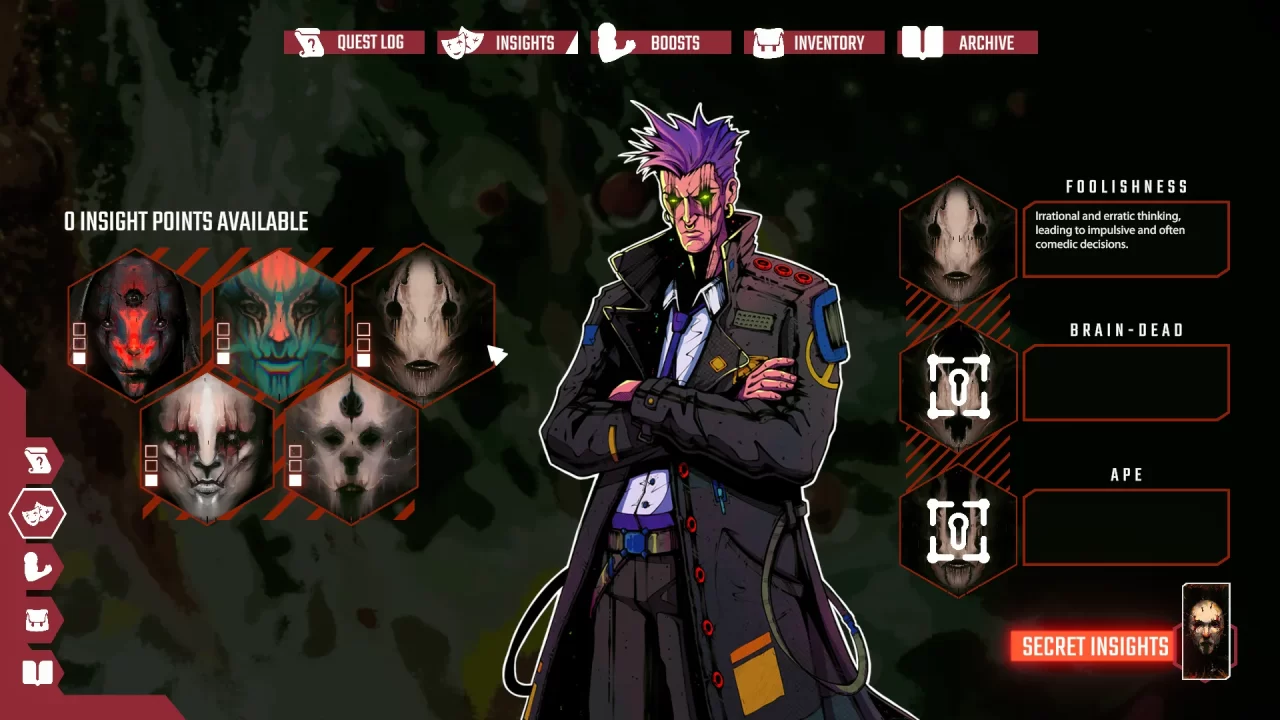
Celestial Return launches this week for Windows, positioning itself as a hard-edged, choice-driven experience set in the decaying metropolis of Netherveil City. Developed by Metaphor Games, it is a title that wears its inspirations on its sleeve while striving for a unique identity.
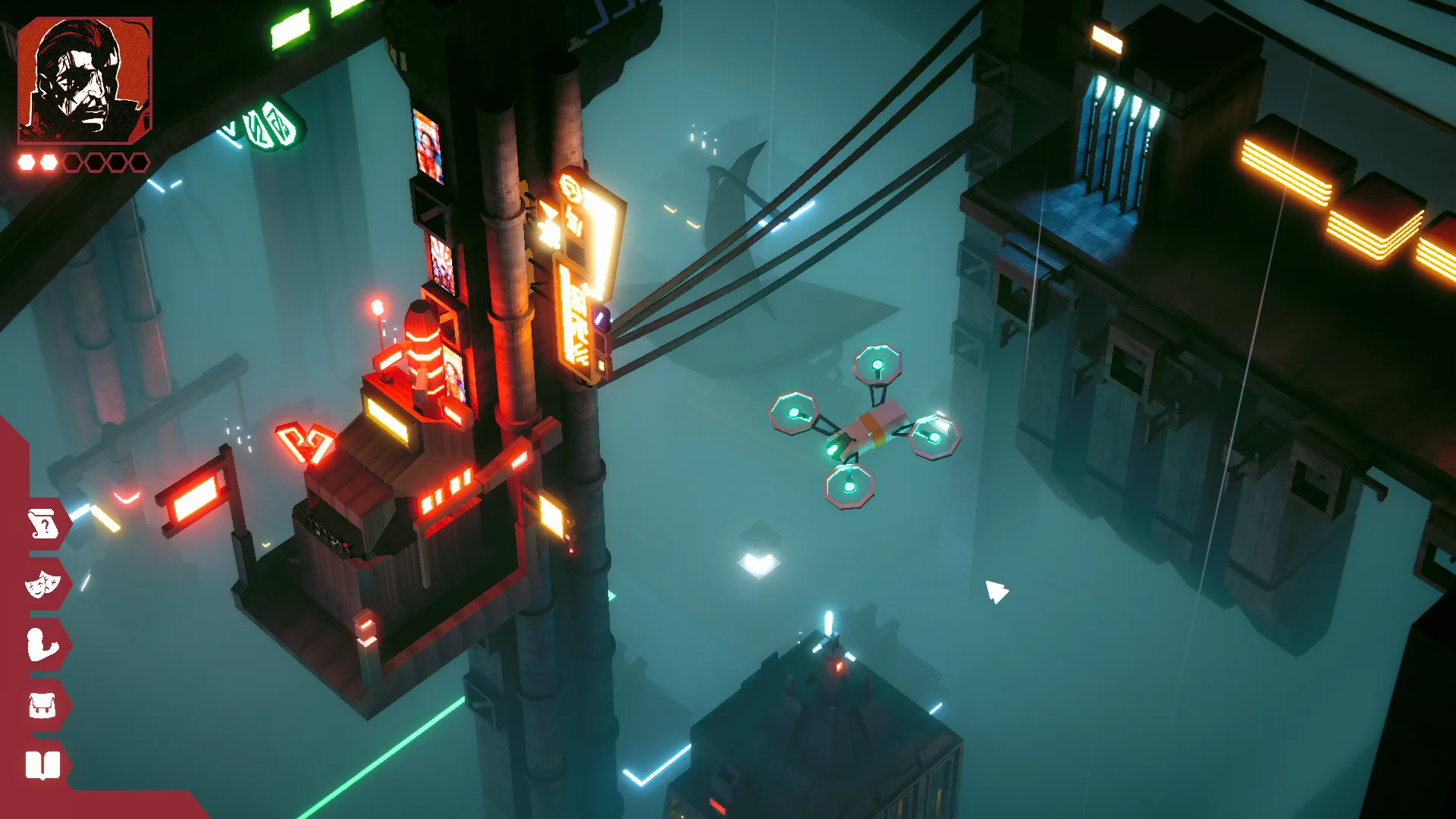
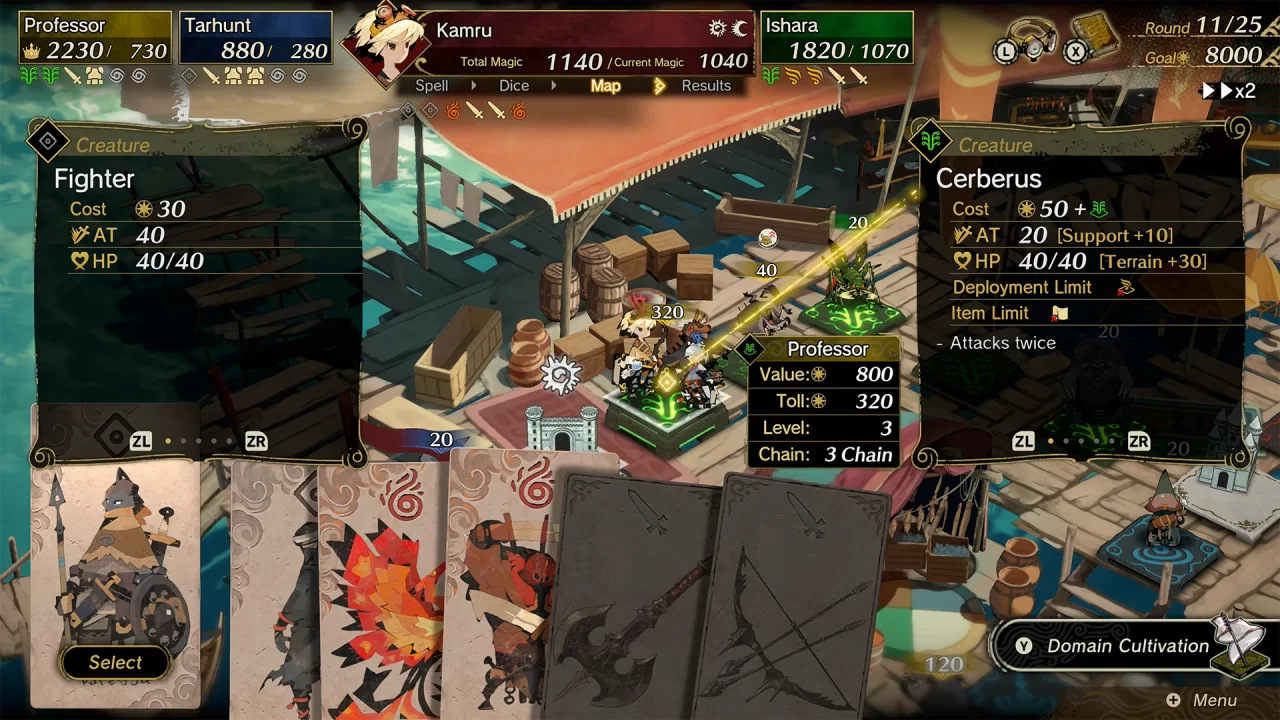
Simultaneously, Culdcept BEGINS makes its debut on the Nintendo Switch and the upcoming Switch 2. This title represents a significant milestone, marking the first original entry in the storied Culdcept series in nearly a decade. By blending the property-acquisition mechanics of Monopoly with the strategic depth of Magic: The Gathering, it promises to revitalize a cult-classic genre that has been underserved in recent years.
Chronology of Releases
The schedule for this week’s major launches and service updates is as follows:
- July 7th: The Sword of Hope II was added to the Nintendo Switch Online service.
- July 13th: Orpheus: To Hell and Back arrived on PC.
- July 16th: Celestial Return (Windows) launches.
- July 16th: Culdcept BEGINS (Nintendo Switch/Switch 2) launches.
- July 16th: Letalis (PC) exits early access for its 1.0 release.
Detailed Analysis: The New Frontier
Celestial Return: A Manifesto in Neon
Set within the claustrophobic and treacherous confines of Netherveil City, Celestial Return is an unapologetic exploration of existential dread and systemic oppression. The game utilizes a striking visual aesthetic—a synthesis of Japanese manga and classic American comic book art—to convey its dark, cyberpunk atmosphere.
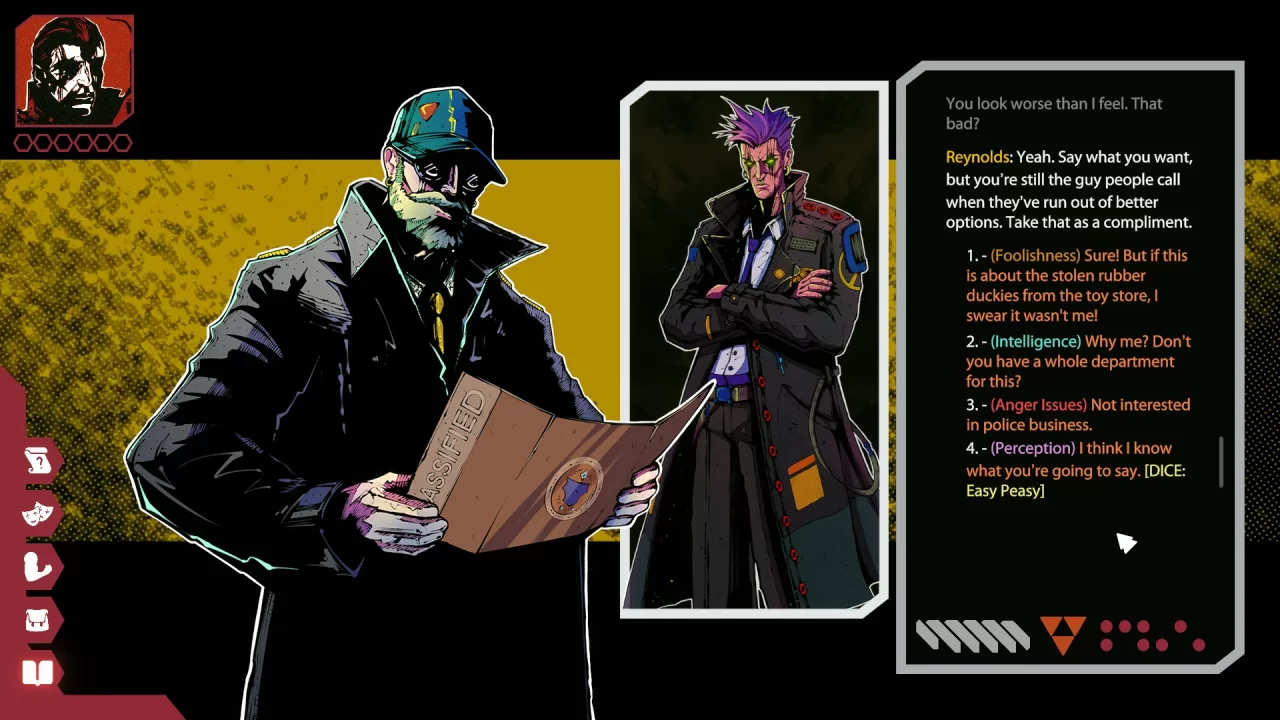
Mechanically, the game draws comparisons to the legendary Disco Elysium, particularly in its reliance on internal monologue, personality traits, and complex, consequence-heavy dialogue trees. Players are tasked with building their character’s identity through specific trait allocation, which directly influences their capacity to navigate the city’s harsh environment. The developers have framed the title as a "manifesto for the forgotten," emphasizing themes of resistance against unseen, all-powerful forces. While currently restricted to Windows, the developers at Metaphor Games have indicated that console port announcements are expected in the near future.
Culdcept BEGINS: The Board Game Revolution
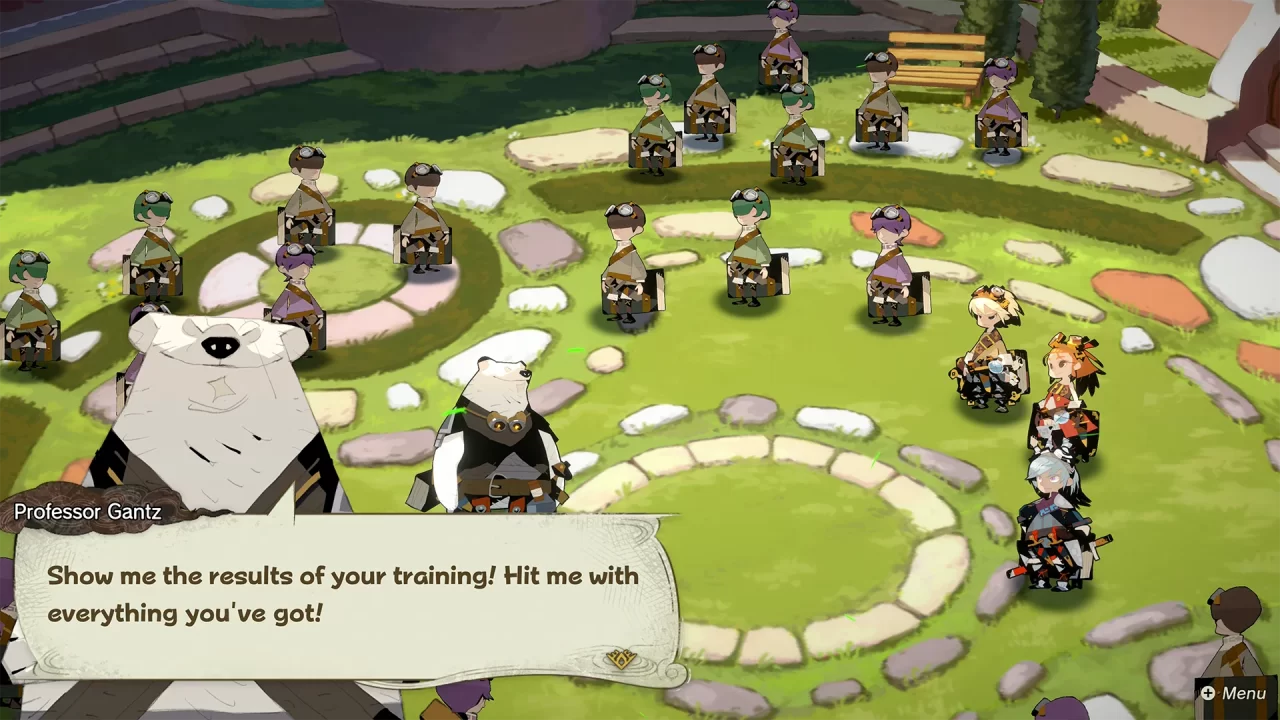
The return of the Culdcept franchise is a cause for celebration among strategy fans. By partnering with Grounding Inc.—a developer noted for both digital titles like World’s End Club and physical board game designs like Machi Koro—Omiya Soft has crafted a "soft reboot" that feels both nostalgic and refreshingly modern.
Culdcept BEGINS features a distinct, mural-inspired art style, moving away from traditional fantasy aesthetics to something more tactile and ancient-feeling. The core loop remains as addictive as ever: players traverse a board, utilizing deck-built creatures and spells to claim territory and force opponents into unfavorable encounters. It is a game of high-stakes resource management where a single card draw can invert the power dynamic of the entire board.
Retro Preservation and Indie Innovation
Orpheus: To Hell and Back
Retro-inspired development continues to thrive, as evidenced by Orpheus: To Hell and Back. Drawing heavily from the design language of Game Boy Color-era The Legend of Zelda titles, this game tells the tragic Greek myth of Orpheus and Eurydice through 8-bit, dungeon-crawling gameplay. It is an exemplary case of modern developers using "limitations as a canvas," offering an authentic experience that can be played on modern PCs or, for purists, via a ROM on original handheld hardware.
Letalis: The Gladiator’s Path
Also arriving this week is the 1.0 release of Letalis. This gladiator-themed RPG is a testament to the enduring appeal of monochromatic, Game Boy-style aesthetics. Mechanically, it borrows from the systems found in the Final Fantasy Legend (SaGa) series and Pokémon, focusing on the recruitment, fusion, and training of a diverse roster of combatants. With over 1,000 unique gladiators to manage and a nonlinear world map packed with secrets, Letalis serves as a reminder that deep, complex systems do not require high-fidelity graphics to be profoundly engaging.
Official Responses and Industry Context
The recent addition of The Sword of Hope II to the Nintendo Switch Online service highlights an important shift in how publishers view their back catalogs. Once known as a studio that produced high-volume, generic JRPGs, Kemco’s earlier history is filled with experimental titles like The Sword of Hope series.
By reviving this 1992 title—which blended the first-person adventure mechanics of Shadowgate with turn-based RPG elements—Nintendo is ensuring that these "diamonds in the rough" are not lost to the march of time. This initiative is vital for historical preservation. As the industry moves toward digital-first models, the ability for players to access these legacy titles in an easily shareable, modern format ensures that the evolution of the genre remains visible to new generations of gamers.
Implications for the Future of the Genre
The current state of the RPG market suggests a bifurcation in development trends. On one hand, we see an increase in "prestige" indie RPGs like Celestial Return, which prioritize narrative density and philosophical themes, signaling a shift toward more mature, auteur-driven storytelling. These titles are not just games; they are cultural critiques delivered through interactive media.
On the other hand, the success of Culdcept BEGINS and the continued interest in The Sword of Hope II indicate that there is a massive, untapped market for games that lean into the "mechanical purity" of the 1990s. The industry is currently in a "Goldilocks" zone: technology has advanced to the point where small teams can produce high-quality, complex games that evoke the aesthetic and mechanical joys of the past, while simultaneously pushing the boundaries of what a modern RPG can be.
As we look toward the remainder of the year, the trend is clear: players are hungry for experiences that demand intellectual engagement, whether that manifests as a strategic deck-building session in Culdcept, a deep, choice-based narrative in a cyberpunk city, or a challenging tactical run through a gladiator arena. The RPG genre is not merely surviving; it is diversifying, proving that there is room for both the cutting-edge and the classic.
For more in-depth coverage of these titles, including interviews with the developers and full review scores, stay tuned to our upcoming weekly feature segments.