Sagoh
Sagoh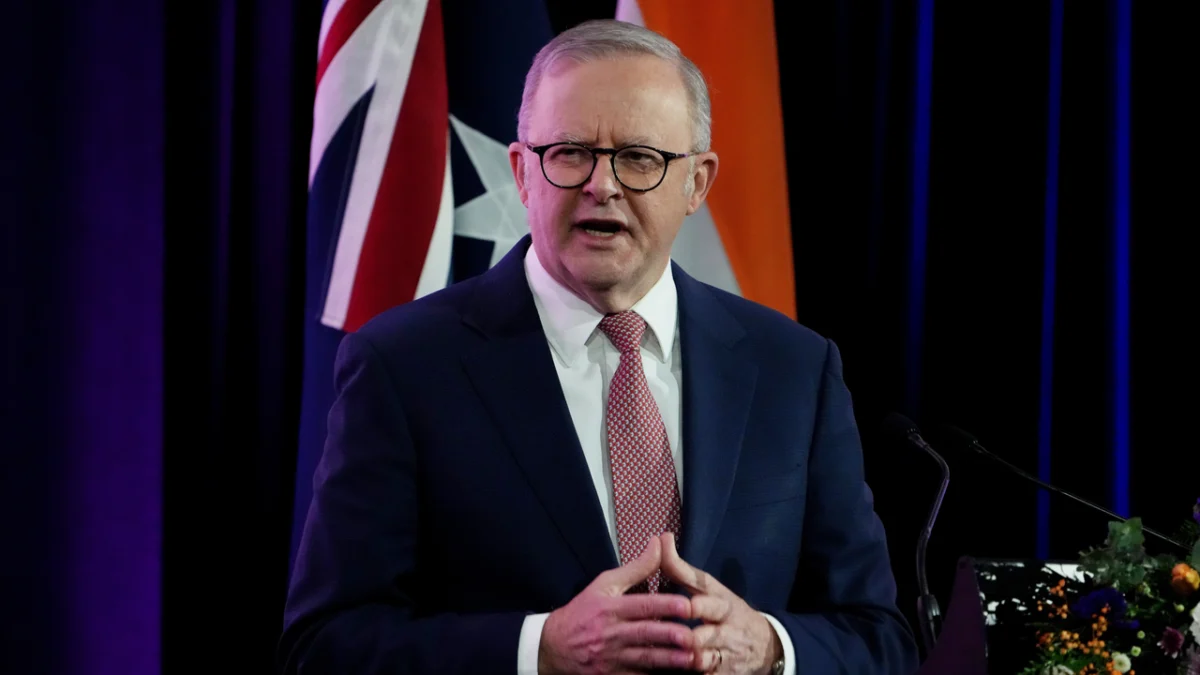
As the global race for artificial intelligence supremacy intensifies, the physical and legal demands of the technology are hitting a breaking point. In the United States and Europe, the proliferation of massive AI hyperscale data centers has sparked a backlash from communities concerned about strained power grids, skyrocketing electricity costs, and the heavy environmental toll of high-density computing. Into this fray steps the Australian government, led by Prime Minister Anthony Albanese, with a pioneering strategy that aims to turn these challenges into a structured, sustainable blueprint for the future.
The Australian government has officially announced its intention to establish the "Australian Standards for A.I."—a comprehensive national framework designed to serve as the non-negotiable rulebook for any AI firm seeking to operate within the nation’s borders. By acting now, Canberra hopes to preempt the social and economic friction that has plagued other Western nations, ensuring that as Australia becomes a preferred destination for global tech giants, it does so on its own terms.
The Global Context: A Shift Toward the "Land Down Under"
The urgency behind the Australian government’s move is rooted in the shifting geography of AI infrastructure. As energy-intensive AI clusters face increasing regulatory and public resistance in the U.S. and Europe, hyperscalers are scouring the globe for regions that offer two critical commodities: vast, underutilized land and abundant, scalable renewable energy.
Australia, with its immense geographical footprint and world-class potential for wind and solar energy generation, has emerged as a premier target for data center investment. However, the Australian government is acutely aware that unregulated growth can lead to catastrophic consequences for local infrastructure. Recent reports indicate that in parts of the U.S., the sudden surge in demand from data centers has triggered massive, potentially irreversible electricity price hikes. Canberra is determined to avoid this scenario, framing the national standards as a protective mechanism for its citizens.
A Chronology of the Policy Initiative
The move toward a national framework did not happen in a vacuum. It follows months of behind-the-scenes discussions and mounting public pressure regarding the unchecked power of AI companies.
- Early 2024: Concerns began to mount in the Australian parliament regarding the long-term impact of AI on the nation’s energy sector and the potential for copyright infringement by large language models (LLMs).
- Mid-2024: Prime Minister Anthony Albanese signaled that his administration would prioritize a "pro-innovation, pro-protection" approach to AI, emphasizing that technological progress should not come at the expense of social cohesion.
- July 2026 (The Announcement): The Prime Minister formally unveiled the "Australian Standards for A.I." initiative, framing it as a pioneering effort that will make Australia the first country to unify AI regulation, energy efficiency, and intellectual property protection under a single national umbrella.
- Current Phase: The government is currently entering a period of stakeholder consultation, where the "devil in the details"—the specific legal mechanisms and enforcement protocols—will be debated before becoming law.
The Pillars of the "Australian Standards for A.I."
The proposed framework rests on two foundational pillars: resource responsibility and ethical intellectual property usage.
1. The Energy-Neutrality Mandate
Perhaps the most significant aspect of the proposed policy is the legal obligation for data center operators to balance their energy footprint. Specifically, the government intends to mandate that data centers produce or procure an amount of renewable energy equivalent to what they consume. This "power-neutral" requirement is designed to decouple the growth of the digital economy from the instability of the national power grid. By forcing firms to invest in their own power infrastructure or contribute to renewable energy projects, the government hopes to shield residential utility consumers from the volatile price spikes seen elsewhere.
2. Water Stewardship
Recognizing that Australia is the driest inhabited continent on Earth, the government is placing a heavy emphasis on water efficiency. Modern data centers require massive amounts of water for cooling systems. Under the new standards, companies will be required to demonstrate high-efficiency water usage, likely through closed-loop cooling systems or reclaimed water technology, ensuring that the tech boom does not compromise the nation’s already precious water security.
3. Intellectual Property and the Rights of Creators
The Prime Minister has taken a firm moral stance on the training of AI models, declaring that the unauthorized use of Australian creative work—including literature, music, art, and journalism—is a form of "theft." The framework aims to ensure that Australian creators retain total control over the price and value of their work. This is a significant escalation in the global debate over AI ethics; by enshrining these protections into national law, Australia is positioning itself as a haven for the creative industries, potentially creating a "premium tier" for AI developers who operate transparently and compensate content owners.
Official Responses and Industry Sentiment
The reception to the Prime Minister’s announcement has been polarized, reflecting the tension between the desire for innovation and the necessity of regulation.
Government and Regulatory Perspective
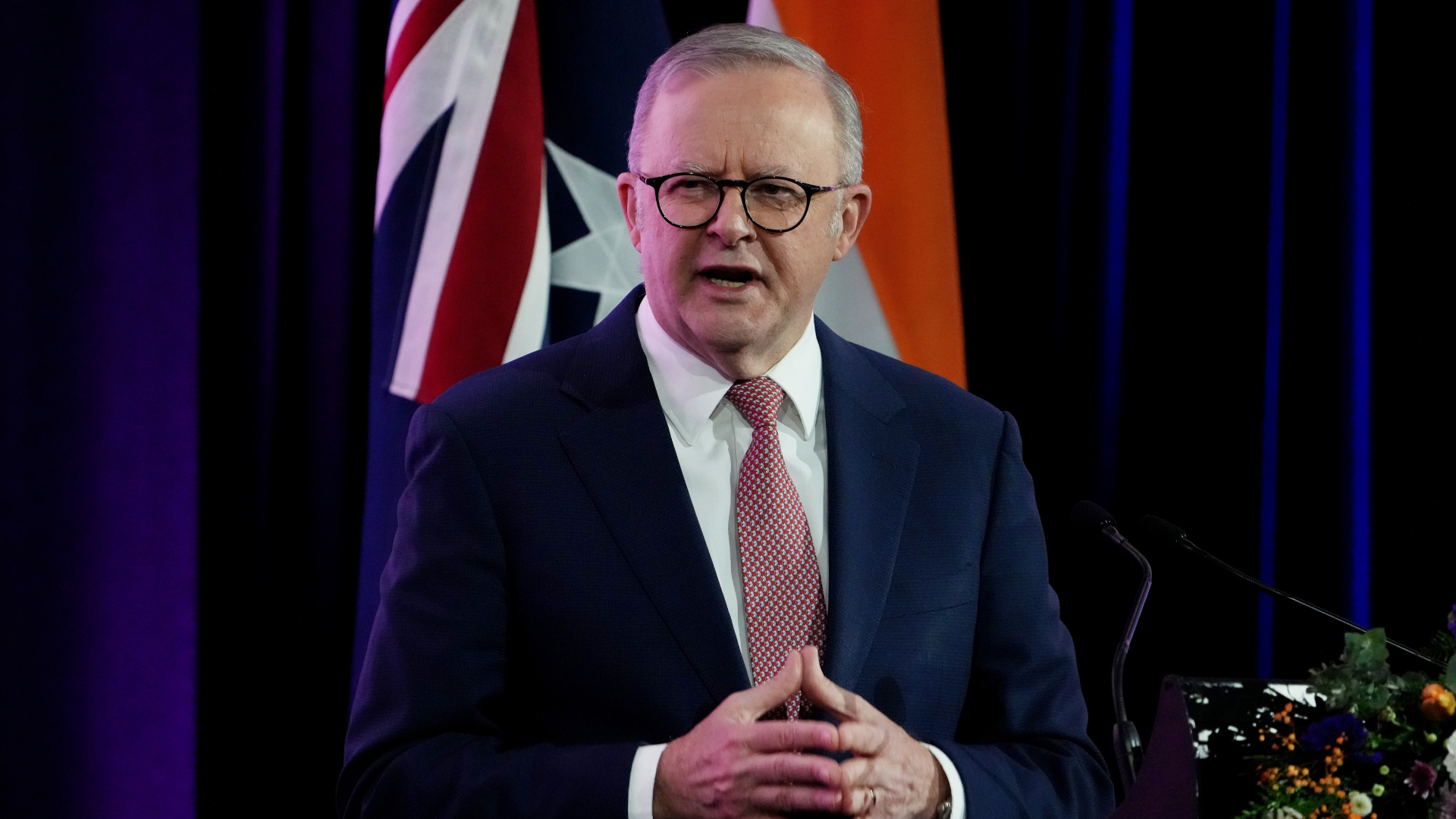
Prime Minister Albanese’s rhetoric has been uncompromising. "Every country on earth is grappling with these challenges right now. Australia will be the first country in the world to bring these issues into a single, national framework," he stated during his address. The government’s stance is that regulation is not a hurdle to innovation, but rather a necessary foundation for long-term stability. By providing clear, consistent rules, the government argues that it is actually creating a "stable investment climate" for responsible companies.
Academic and Expert Commentary
Professor Toby Walsh of the University of New South Wales, a leading voice in AI ethics and technology, has expressed cautious optimism. He notes that the Prime Minister is "on the right track" in addressing the genuine, visceral concerns held by the Australian public. However, he warns that the policy’s success depends entirely on the granularity of the enforcement. "The devil will be in the details," Walsh noted, emphasizing that vague legislation could be easily circumvented or, conversely, could become so burdensome that it discourages the very investment Australia seeks to attract.
Industry and Business Concerns
Industry groups have largely welcomed the focus on clarity, acknowledging that the tech sector thrives when rules are predictable. However, a sub-current of anxiety remains. Some industry representatives have warned that if the regulatory burden becomes too heavy—or if the costs of energy neutrality and IP compensation make the cost of doing business in Australia prohibitive—tech giants may simply divert their capital to more lenient jurisdictions. The challenge for the government will be to find the "Goldilocks zone": regulations that are stringent enough to protect the public, but flexible enough to keep Australia globally competitive.
Implications for the Future of AI
If successfully implemented, the "Australian Standards for A.I." could transform the country into a global laboratory for ethical tech development.
A Global Model for Governance
If Australia succeeds, it could provide a template for other mid-sized nations to follow. By effectively "taxing" the environmental and social externalities of AI, Australia is suggesting a new paradigm where the price of high-tech development includes the cost of sustaining the environment and compensating human creators.
The Competitive Edge
While some argue that regulation stifles growth, others suggest that Australia is actually gaining a competitive advantage. In an era where AI models are being scrutinized for their data sourcing and environmental impact, companies that can prove their operations are "Australian-Standard compliant" may be able to market their services as more trustworthy, sustainable, and ethical. This "ethical premium" could prove to be a powerful differentiator in a market currently flooded with controversy.
The Path Forward
The coming months will be critical. The legislative drafting process will test the government’s ability to reconcile the conflicting demands of tech lobbyists, environmental groups, and the creative sector. The "Australian Standards" will likely face intense legal challenges and intense lobbying from some of the world’s most powerful corporations.
Ultimately, Australia’s initiative represents a profound shift in the relationship between governments and Big Tech. For decades, the tech industry has operated under a "move fast and break things" philosophy, often with little oversight. The Australian government is essentially telling these firms that if they want to operate on Australian soil, they must change their pace, respect the local environment, and value the intellectual labor of the people. It is a bold, high-stakes gamble—one that, if it succeeds, will redefine the parameters of the digital age.


 Reynand Wu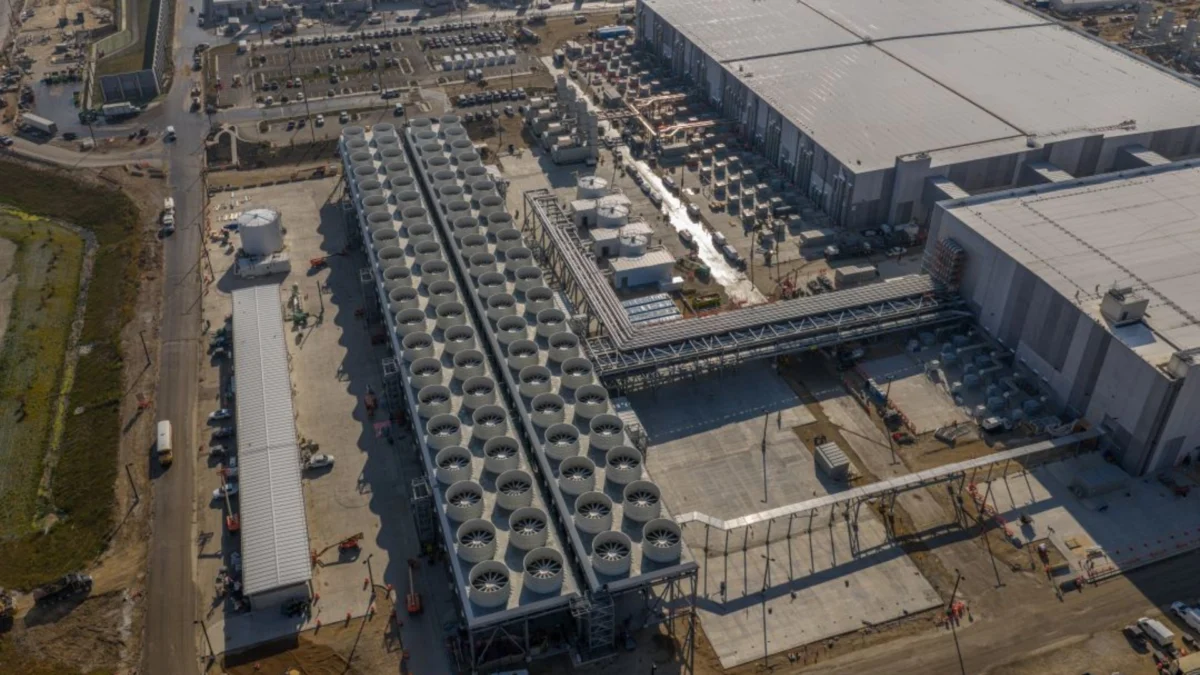
 Basiran