

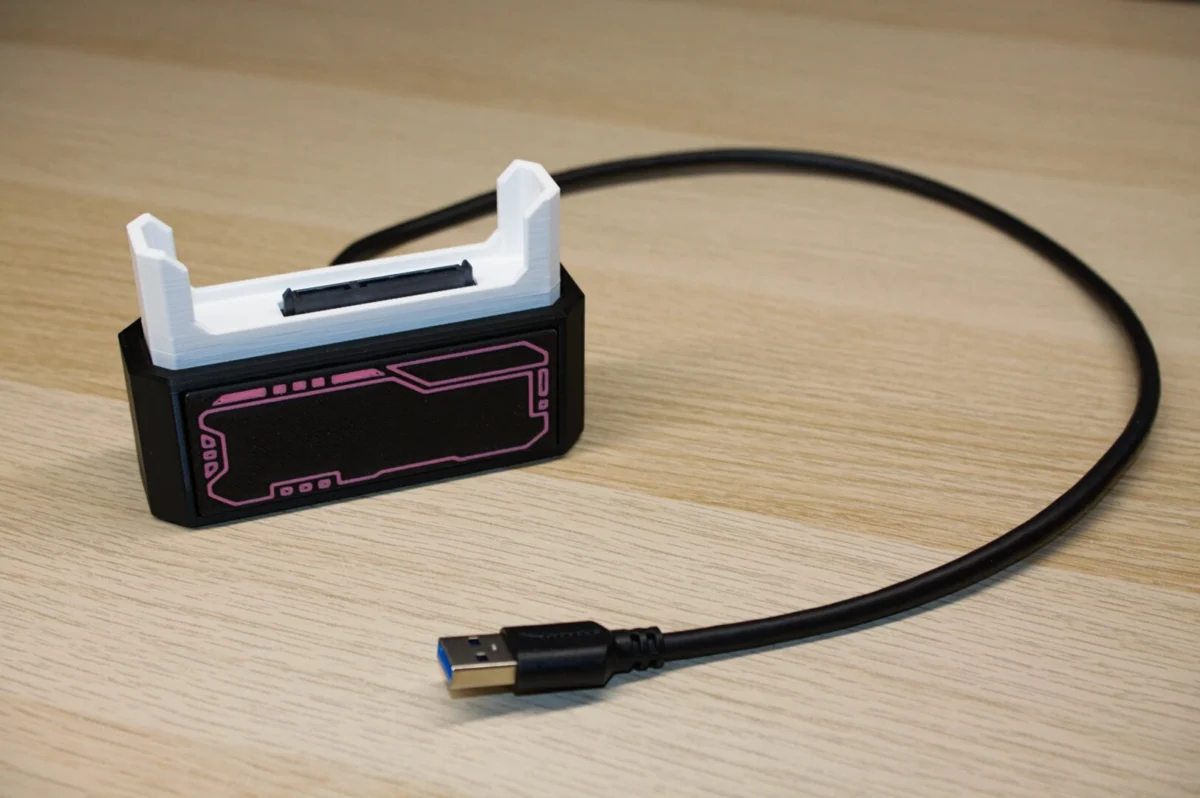
In an era defined by digital-only libraries, subscription services, and the intangible nature of modern gaming, a nostalgic longing for the tactile experience of the past has emerged. For many, the transition from physical media—cartridges and discs—to download-only platforms like Steam marked the end of the "collectible" era. However, a clever project recently surfaced on the PC Masterrace subreddit, bridging the gap between modern digital convenience and retro hardware aesthetics. Reddit user Jibril-sama has pioneered a system that transforms mundane 2.5-inch SATA SSDs into functional, stylized "Steam Game Cartridges," complete with a plug-and-play experience that mimics the magic of the 8-bit and 16-bit console generations.
Main Facts: Bringing Tangibility to the Digital Library
The project, which has gained significant traction within the DIY community, centers on a simple premise: repurposing affordable or legacy 2.5-inch SATA SSDs into physical manifestations of specific Steam titles. By utilizing 3D-printed housing, custom labels featuring official game artwork, and a bespoke automation script, Jibril-sama has effectively turned cold, utilitarian storage drives into "cartridges."
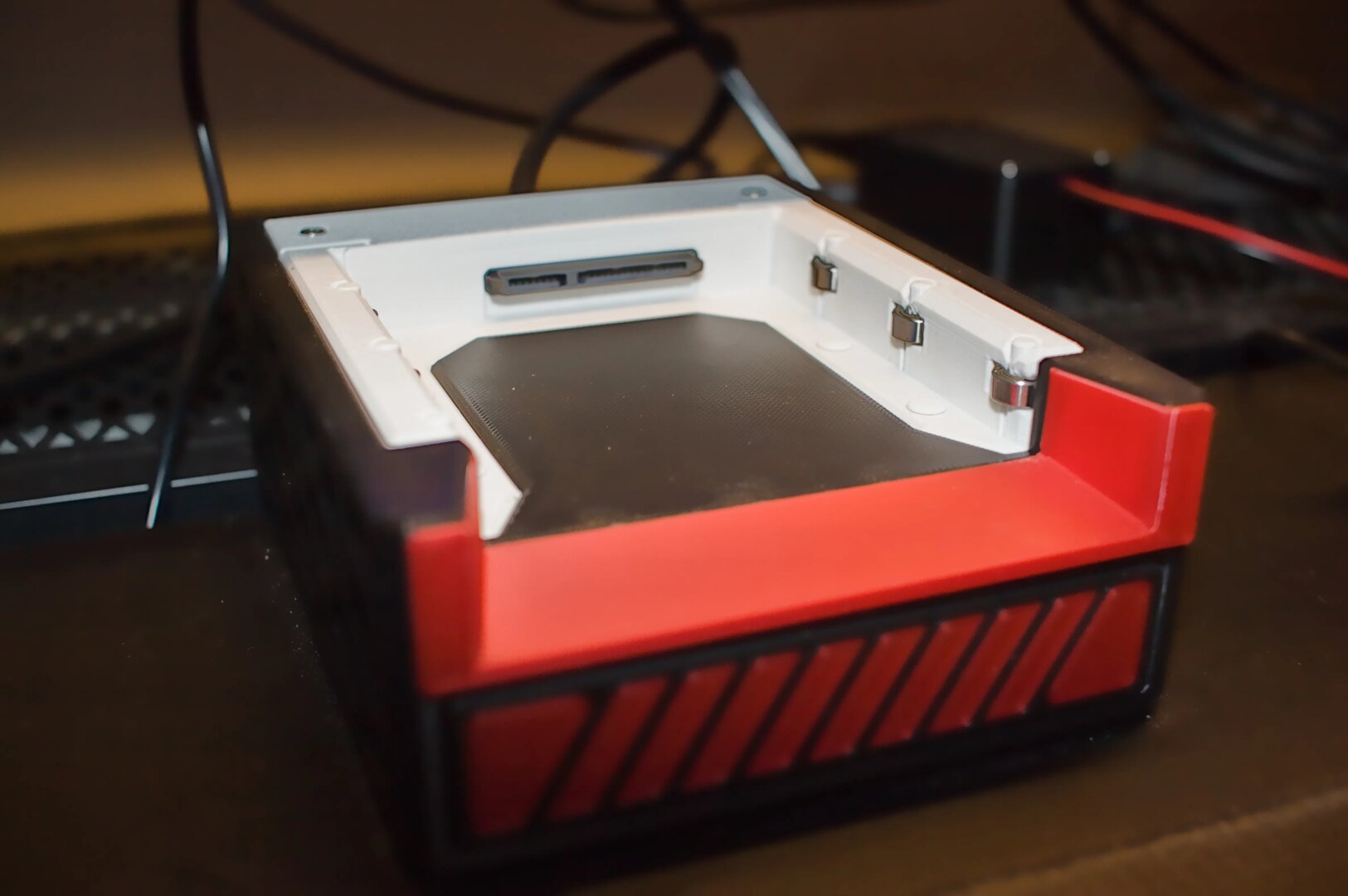
When a user inserts one of these modified drives into a compatible SATA docking station connected to a PC, the system recognizes the hardware. Rather than merely mounting the drive as a standard storage volume, a background script triggers a series of commands that navigates the user directly to the game’s entry in their Steam library. In its most immersive configuration, the script can be set to bypass the library interface entirely, launching the game the moment the drive is seated in the dock. This mimics the "insert-and-play" cycle that defined the Nintendo Entertainment System (NES) and the Sega Genesis, providing a tactile, ritualistic start to a gaming session that is otherwise absent in modern PC gaming.
Chronology: From Concept to Community Standard
The journey of the "Steam Cartridge" began as a personal hobbyist endeavor before evolving into an open-source project shared with the global maker community.
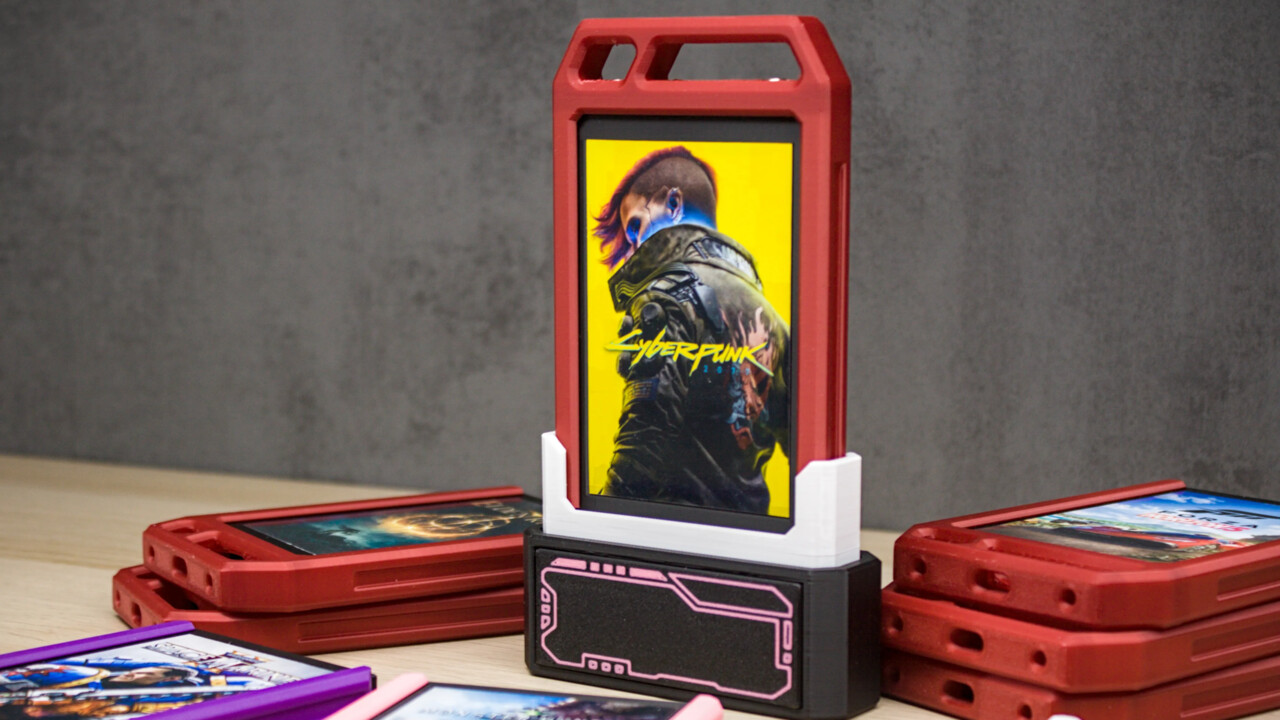
- Initial Conception: Faced with a collection of surplus SATA SSDs and a desire to add a layer of physical interaction to a digital library, Jibril-sama experimented with various 3D-printed designs. The initial goal was to protect the SSDs while providing a uniform form factor that felt "chunky" and substantial in the hand, similar to a classic SNES cartridge.
- Refinement of the Aesthetic: Once the physical form factor was perfected, the creator turned to visual branding. By printing and applying high-quality game logos to the front of the enclosures, the drives shifted from being indistinguishable storage blocks to recognizable items in a curated collection.
- Software Integration: The hardware was only half the battle. To complete the "console" experience, the creator developed a script—now hosted on GitHub—that bridges the hardware connection with the Steam client’s command-line interface.
- Public Release: Recognizing the potential for this to become a broader trend, Jibril-sama uploaded the 3D print files to Maker World and the automation software to GitHub. This transition from a "show-and-tell" Reddit post to a documented project allowed other enthusiasts to replicate the system, turning a solitary creative act into a communal modding phenomenon.
Supporting Data: Technical Requirements and Sustainability
For those looking to replicate the project, the technical barrier is relatively low, provided one has access to a 3D printer. The project utilizes standard 2.5-inch SATA SSDs, which are widely available on the second-hand market.
Hardware Breakdown
- Storage Medium: 2.5-inch SATA SSDs (128GB or 256GB are recommended for single-game storage).
- Enclosure: Custom 3D-printed frames designed to fit around the SSD, providing a "cartridge-like" grip and aesthetic.
- Interface: A standard USB-to-SATA or desktop-integrated SATA hot-swap docking station.
- Automation: The system relies on a lightweight script that monitors for volume mounting. When a drive is detected, it triggers a
steam://run/[AppID]command, effectively bypassing the UI.
Economic Context
The project serves as an interesting commentary on the current state of hardware pricing. While the creator notes that many of these drives were acquired cheaply, the broader "storage crisis" has caused the price of even used NAND flash to fluctuate. However, for a user with a drawer full of decommissioned 128GB SSDs—drives that are largely obsolete for modern OS installations—this project offers a high-value utility. It effectively turns "e-waste" into a functional, aesthetic display piece.
Official Responses and Community Reception
The reception on PC Masterrace and subsequent coverage by outlets like Tom’s Hardware has been overwhelmingly positive. The project is being praised not just for its technical ingenuity, but for its preservationist ethos.
The community has highlighted how this project addresses the "ephemeral nature" of digital gaming. By assigning a physical object to a specific game, users create a tangible "trophy" or "archive" of their favorite titles. Some users have suggested expanding the project to include "Save Game" cartridges—using smaller, cheaper USB drives to store save files or configuration profiles—further expanding the console-like ecosystem.
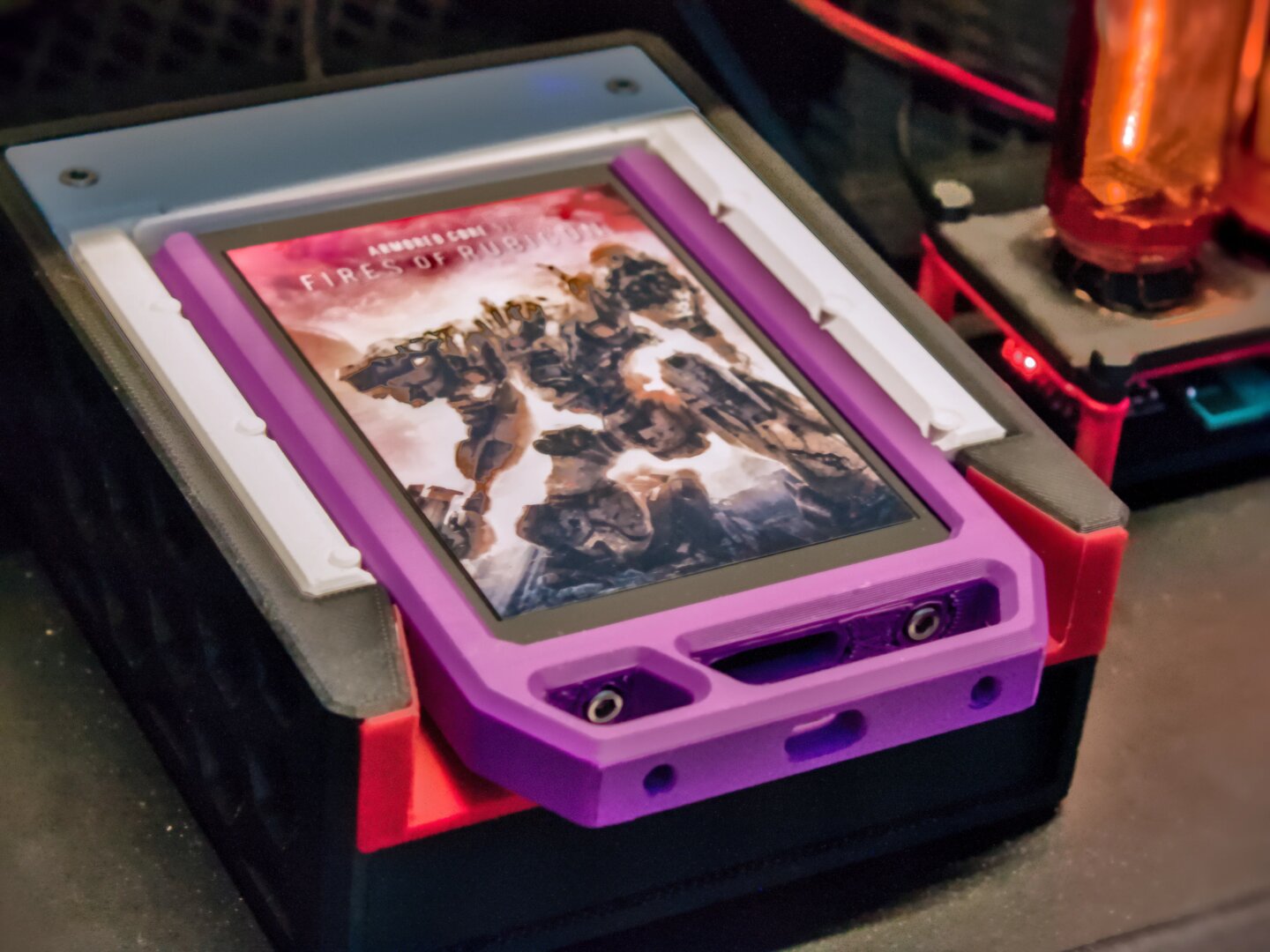
Critics have pointed out the limitation of live-service games, which require constant updates and server connectivity. The project is best suited for single-player, offline-capable, or "complete" titles that do not rely on a persistent connection to function. As one community member noted, "This isn’t about convenience; it’s about the theater of gaming."
Implications: The Future of Digital Media
The "Steam Cartridge" movement has significant implications for how we perceive digital ownership.
1. The Psychology of Ownership
Modern digital libraries suffer from a "lack of presence." Because our games are hidden behind a launcher, we often forget what we own. By introducing physical components to the software ecosystem, Jibril-sama is tapping into the psychological satisfaction of "owning" a physical library. It forces the user to curate their physical space, turning a digital list into a bookshelf of experiences.
2. Preservation and Sustainability
The project highlights an important path for hardware longevity. As storage densities increase, small-capacity SSDs are frequently discarded. This project demonstrates how these drives can be diverted from landfills and repurposed for hobbyist projects. It is a form of "digital upcycling" that encourages users to look at their old hardware not as trash, but as a medium for creativity.
3. The "Console-ization" of PC Gaming
This project joins a long line of efforts to bring the ease of console gaming to the PC. From the rise of handhelds like the Steam Deck to custom launchers that mimic the Nintendo Switch interface, there is a clear trend toward simplifying the PC experience. The physical cartridge approach is perhaps the most extreme and "retro" manifestation of this trend, proving that even in the age of the Cloud, the tactile connection to our hobbies remains a powerful human desire.
Conclusion: A Ritualistic Return to Form
What Jibril-sama has achieved is more than a clever use of hardware; it is a reinvention of the gaming ritual. By transforming the silent, hidden world of digital storage into a physical, deliberate collection, the project adds a layer of ceremony to the act of starting a game. Whether the intent is purely nostalgic, or an attempt to bring order to a cluttered digital library, the "Steam Cartridge" stands as a testament to the ingenuity of the modern PC enthusiast. In a world that is increasingly intangible, these 3D-printed frames provide a solid, satisfying weight to our digital lives—reminding us that, even in the future, we still want something to hold.











