The landscape of modern gaming is dominated by the long-reaching shadows of Metroid and Castlevania. The symbiotic relationship between Nintendo’s isolationist sci-fi and Konami’s gothic exploration odyssey gave birth to the "Metroidvania" genre—a classification now synonymous with interconnected maps, ability-gated progression, and the profound satisfaction of unlocking the previously inaccessible.
However, the DNA of this genre is not contained solely within the side-scrolling platformers that bear its name. The design philosophies championed by these two titans have permeated the entire medium, influencing action-adventure, immersive sims, and survival horror alike. To look beyond the label is to discover a wealth of experiences that, while not technically Metroidvanias, capture that specific, intoxicating "vibe" of discovery and mastery.
The Architectural Legacy: Why "Vibe" Matters More Than Genre
At its core, the Metroidvania is defined by a singular, persistent environment that acts as a character in its own right. It is a puzzle of geography. When we speak of games that "feel" like Metroidvanias, we are referring to the gating of intent: the moment a player sees a ledge they cannot reach, a door they cannot open, or a darkness they cannot penetrate, and realizes that the key is not a physical object, but a newfound mastery of their own avatar.
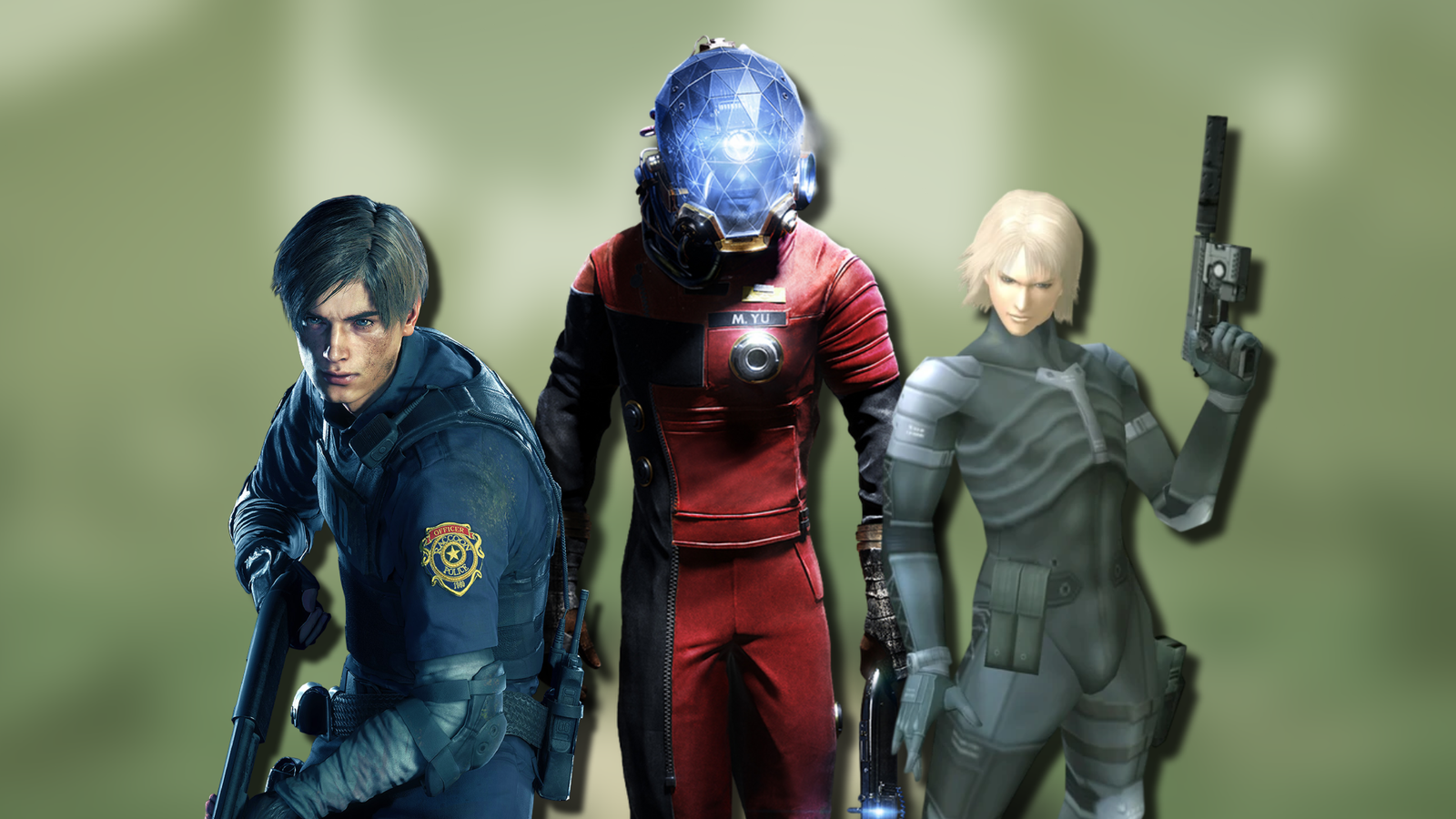
The following list explores ten titles that masterfully weaponize this feeling, using non-linear exploration and ability-based progression to craft experiences that resonate with the spirit of Samus Aran and Alucard, even when the perspective is shifted to 3D or the genre is fundamentally different.
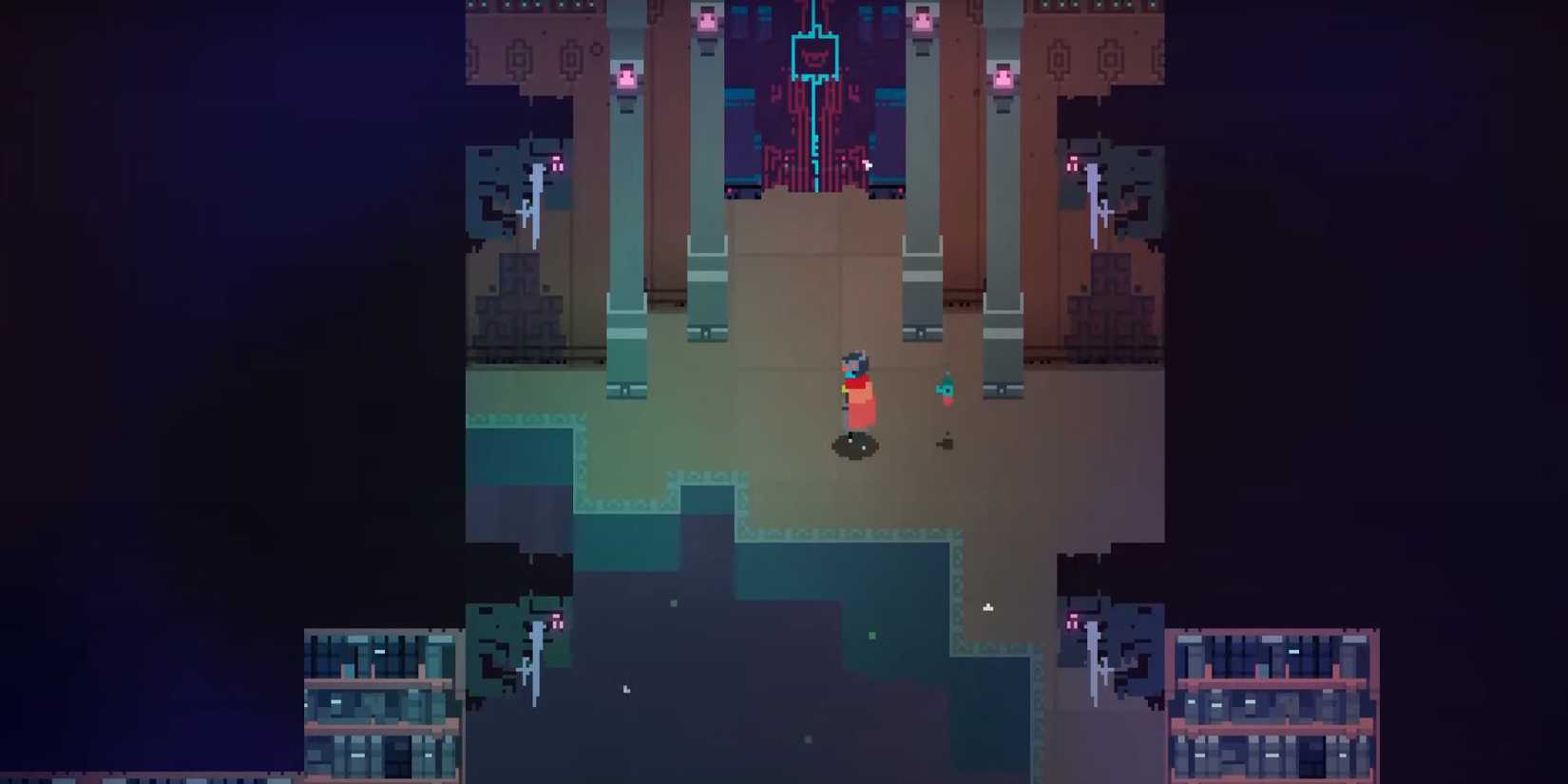
10. Hyper Light Drifter: Cryptic Interconnectivity
Hyper Light Drifter is arguably the least "Metroidvania" title on this list, yet its atmospheric pull is undeniable. Developed by Heart Machine, the game avoids the traditional hand-holding of modern action titles in favor of a cryptic, wordless narrative delivered through a hauntingly beautiful, ruined world.
The genius here lies in its non-linear campaign. Players are given access to four cardinal directions from the start. As you acquire upgrades—each representing a deeper understanding of the game’s systems—the "walls" of the world begin to dissolve. It mimics the feeling of a Metroidvania through its dense, interwoven internal designs rather than a sprawling singular map. You aren’t just traveling; you are learning to inhabit the space.

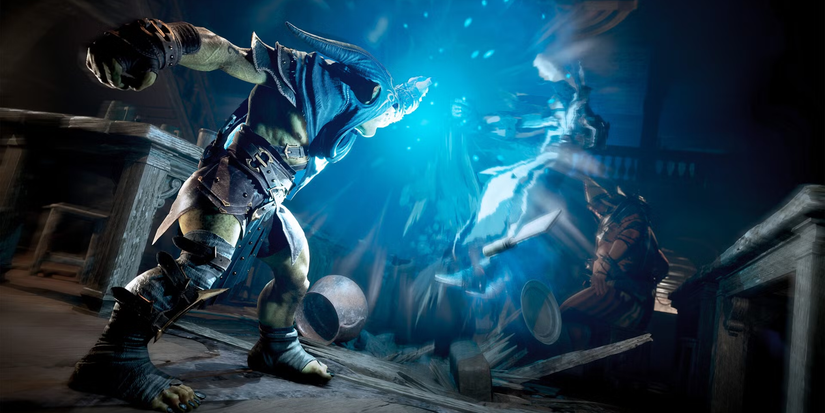
9. Styx: Blades of Greed: A Progressive Heist
The Styx franchise has always toyed with verticality, but Styx: Blades of Greed (released February 2026) elevates this to an art form. By moving away from purely linear stealth corridors to a semi-open structure, Cyanide Studio has created a masterpiece of level design.
Progression in Blades of Greed is inextricably linked to your traversal toolkit. You will find yourself looking at an early-game ledge with envy, knowing that a specific ability acquired later will allow you to return and exploit the environment in ways the developers intended. The verticality is staggering, turning each mission into a playground where backtracking is not a chore, but a victory lap of newfound capability.
8. Death’s Door: An Honest and Intricate Job
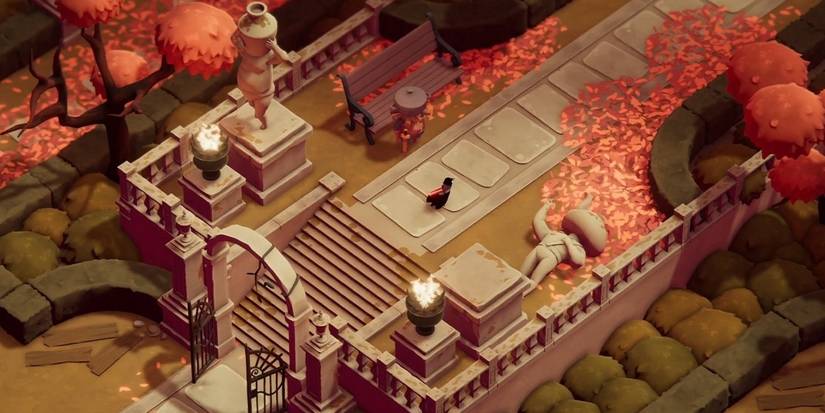
Acid Nerve’s Death’s Door is a masterclass in spatial awareness. While it is clearly an action-adventure game, it mirrors the "Aha!" moments of the best Metroidvanias. Its world is a series of branching paths and locked doors that seem innocuous at first but reveal themselves to be vital arteries of the game world once the right power is obtained.
Much like the classic Zelda titles, Death’s Door relies on the player’s ability to recall where they have been. By sealing zones behind specific ability gates, the game forces a level of environmental engagement that makes the map feel smaller, tighter, and more personal.
7. Darksiders 3: A Changing Fury
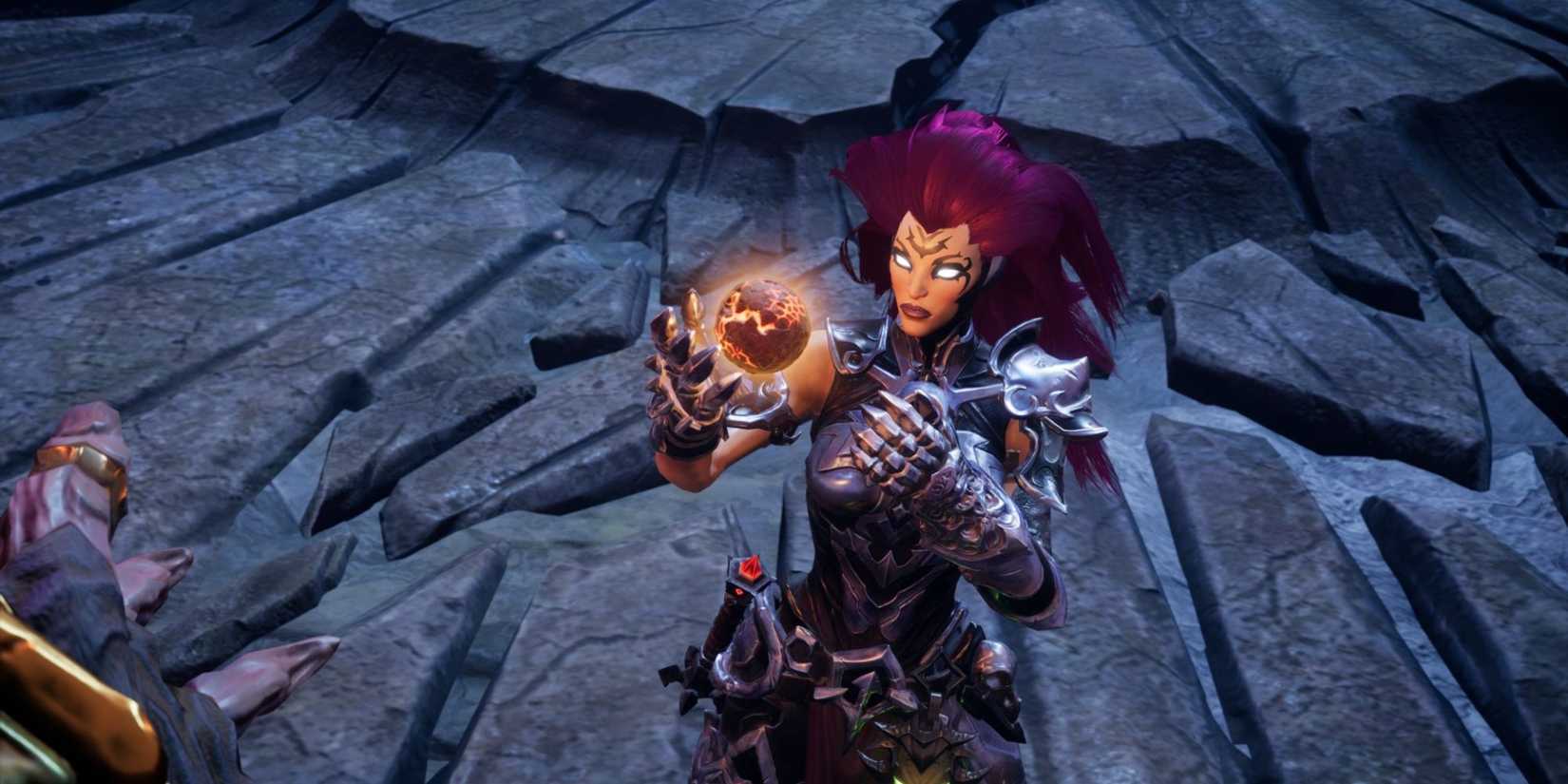
Darksiders 3 is a fascinating study in genre-blending. While the first entry was a hack-and-slash and the second leaned into open-world RPG elements, Darksiders 3 (Gunfire Games) opted for a more intimate, focused experience.
The progression loop is tied to the protagonist Fury’s elemental Hollows. As she defeats the Seven Deadly Sins, she gains elemental powers that aren’t just for combat—they are keys. A fire ability might allow for a double jump; a storm ability might let her glide. These powers fundamentally change how the player navigates the world, forcing a frequent re-evaluation of every corridor and platform. It is a seamless blend of Soulslike combat and Metroidvania exploration.
6. Metal Gear Solid 2: Sons of Liberty: Big Shell as a Labyrinth
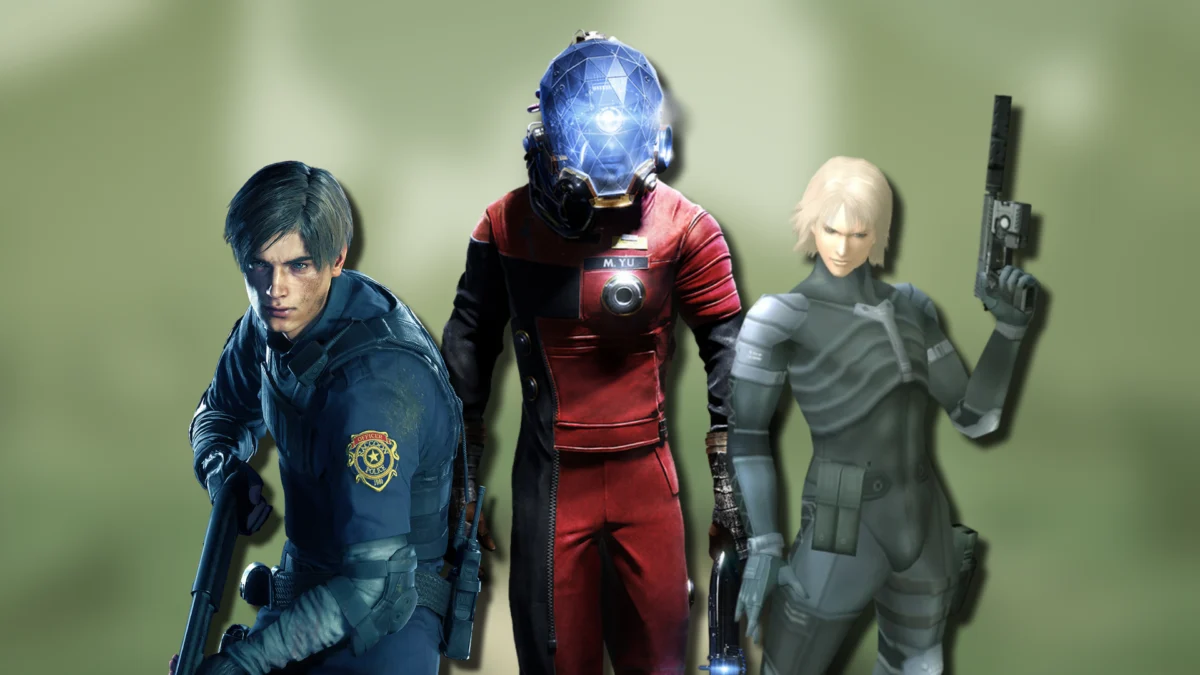
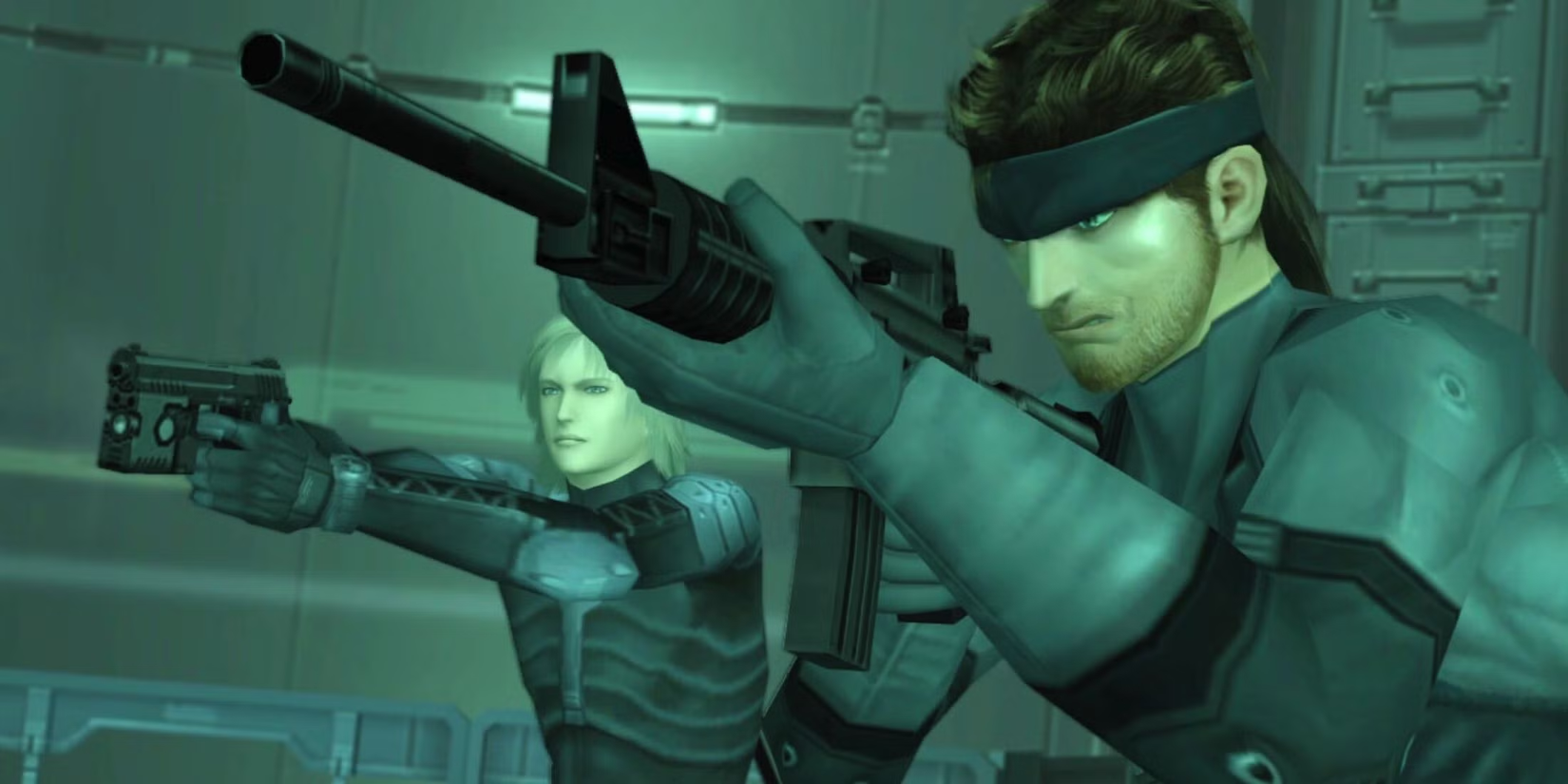
It may be controversial to call a stealth-action game a "Metroidvania-adjacent" experience, but the Big Shell in MGS2 operates on pure Metroidvania logic. The facility is a locked-down, high-security puzzle.
Raiden’s progression is governed by access levels and keycards. You are constantly circling back, checking old rooms, and finding new utility in old spaces as you acquire the clearance needed to proceed. Hideo Kojima’s design here forces the player to become one with the architecture. By the time you reach the final act, you know every vent, every guard patrol, and every shortcut in the Big Shell. You don’t just complete the mission; you conquer the building.
5. Dark Souls: "Does Not Open From This Side"
The phrase "Does Not Open From This Side" is the mantra of the modern interconnected world. Dark Souls (FromSoftware) is perhaps the most famous example of a 3D game that perfectly replicates the Metroidvania "flow."
While it lacks traditional "double-jump" gating, it relies on spatial gating. Opening a shortcut from Blighttown back to Firelink Shrine provides the same dopamine hit as unlocking a new door in Super Metroid. The world is a giant, folded map where the progress is measured not in levels, but in the restoration of paths. It is a masterclass in architectural storytelling.
4. Resident Evil 2 (Remake): One Place, A Thousand Paths
Capcom’s Resident Evil 2 remake is a masterclass in the "dungeon" philosophy. The Raccoon City Police Department is a character in itself—a labyrinth of rot, mystery, and locked doors.
The first half of the game is pure Metroidvania design: you are confined to a single, highly detailed space, and every new item you find—a crank, a medallion, a keycard—is a literal key to expanding your reach. You spend hours walking the same halls, but because you are constantly evolving as a player (gaining weapons, clearing paths, learning enemy patterns), the space feels like it is constantly opening up.
3. Mina the Hollower: Deciphering the Contingencies
Yacht Club Games’ Mina the Hollower understands that a great map is one that encourages curiosity. The game presents an immense world that, while offering a recommended path, never truly forces the player to stick to it.
The game’s brilliance lies in its platforming and exploration puzzles, which are designed to be solved in multiple ways depending on the player’s current toolkit. It captures that "Hollow Knight-esque" feeling of being a small thing in a vast, dangerous world, where your ability to backtrack and experiment is the only thing keeping you alive.
2. The Legend of Zelda: Ocarina of Time: The Closest Uncle
It is impossible to discuss this topic without acknowledging the debt the entire industry owes to Ocarina of Time. While it predates the modern definition of the Metroidvania, it provided the blueprint for 3D exploration.
The way Link gains items (the Hookshot, the Lens of Truth) that allow him to see Hyrule in a new light is the defining trope of the genre. Every time you revisit a section of the map with a new item, the world feels transformed. It is the gold standard for "ability-based progression," and every modern game on this list—and likely every Metroidvania you’ve played—is a spiritual descendant of this 1998 classic.
1. Prey: Different Formula, Same Reward
Arkane Studios’ Prey is, without reservation, a masterpiece of immersive design. While it is technically an "Immersive Sim," it hits every beat of a Metroidvania. Talos I is a space station that feels lived-in, dangerous, and entirely interconnected.
Prey treats the player’s imagination as the primary ability-gating mechanism. Whether you are using the GLOO Cannon to create your own platforms or hacking a terminal to open a shortcut, the game rewards you for pushing against the boundaries of its world. It is the ultimate expression of the "Eureka!" moment. Prey is the pinnacle of non-Metroidvania games that feel like Metroidvanias, proving that the genre’s true heart isn’t found in a 2D side-scrolling perspective, but in the player’s relentless drive to uncover the secrets hidden behind the next locked door.

Implications for the Future
The success of these titles suggests that players are not necessarily looking for a specific genre label, but for a specific experience. They want worlds that feel coherent, puzzles that reward exploration, and a sense of progression that feels earned through mastery. As developers continue to iterate on these designs, the line between genres will continue to blur, likely leading to a new era of "Metroidvania-adjacent" games that prioritize the joy of discovery above all else. Whether in 2D or 3D, the spirit of exploration remains the most powerful force in game design.