Azzam Bilal Chamdy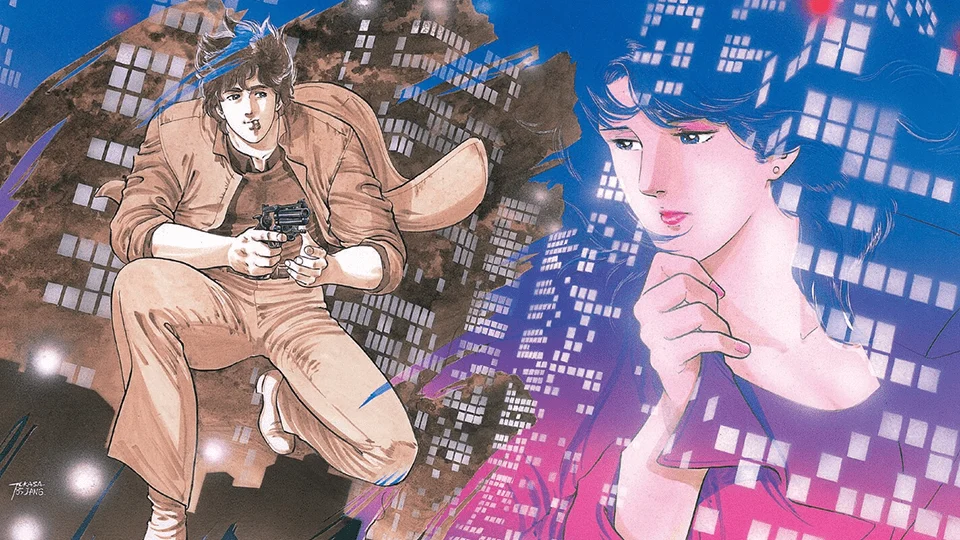
The landscape of classic manga in the West is currently undergoing a significant transformation. For decades, many of the most influential titles from the "Golden Age" of Weekly Shonen Jump remained either out of print or frustratingly inaccessible to English-speaking audiences. However, as global streaming platforms like Netflix and Disney+ breathe new life into vintage intellectual properties, the demand for high-quality physical media has surged.
At the heart of this revival is the work of legendary mangaka Tsukasa Hojo. With the upcoming release of the City Hunter and Cat’s Eye Omnibus editions under Abrams Books’ Kana imprint, fans are witnessing a meticulous restoration of two series that defined the hardboiled and heist genres in the 1980s. This review explores the technical specifications, historical context, and cultural implications of these new collections, scheduled for a wide release on September 23, 2025.
I. Main Facts: The Return of the Shinjuku Legends
The new omnibus editions from Abrams Books represent a premium shift in manga publishing. Each volume acts as a "3-in-1" collection, compiling the first three volumes of the original Japanese tankōbon into a single, substantial hardcover-quality paperback.
Technical Specifications and Features
The Kana imprint has spared no expense in ensuring these editions serve as definitive archival pieces. Key features include:
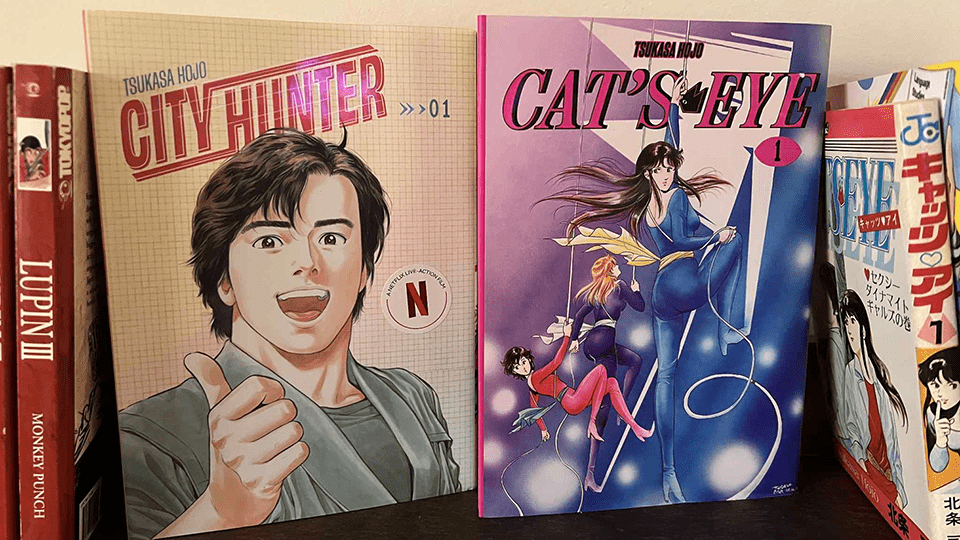
- Comprehensive Content: Cat’s Eye Omnibus Vol. 1 contains 23 chapters, while City Hunter Omnibus Vol. 1 includes 25 chapters.
- Visual Fidelity: Both books feature high-grade glossy paper for full-color inserts and 48 pages of rare two-color (red and black) inserts that replicate the original magazine serialization experience.
- Physical Design: Each volume is protected by a high-gloss, full-color dust jacket, a rarity for Western manga releases which typically reserve such treatment for "Special Edition" hardcovers.
- Supplemental Material: The City Hunter edition is particularly rich in extras, featuring Hojo’s original "behind-the-scenes" commentary, an end-of-volume interview regarding the series’ inception, and extensive translation notes.
These editions arrive at a pivotal moment. The 2024 Netflix live-action City Hunter film, starring Ryohei Suzuki, has introduced Ryo Saeba to a new generation, while the upcoming Disney+ Cat’s Eye anime promises a faithful adaptation of the original source material.
II. Chronology: From 1981 to the Modern Era
To understand the weight of these releases, one must look at the timeline of Tsukasa Hojo’s career and the evolution of his "Shinjuku-verse."
The Cat’s Eye Era (1981–1985)
Cat’s Eye was Hojo’s first major success, serialized in Weekly Shonen Jump. It introduced the Kisugi sisters—Hitomi, Rui, and Ai—who operate a café by day and function as world-class art thieves by night. The series was revolutionary for its time, blending romantic comedy with high-stakes heist drama. It ran for 18 volumes and established Hojo’s signature art style: a blend of realistic anatomy, cinematic paneling, and sophisticated fashion.
The City Hunter Era (1985–1991)
Following the conclusion of Cat’s Eye, Hojo launched City Hunter. While it shared the Shinjuku setting, the tone shifted toward the "Sweeper" subgenre—a mix of private investigation, bodyguard work, and mercenary action. Ryo Saeba, the "City Hunter," became a cultural icon. The series ran for 35 volumes and spawned a massive media franchise, including a long-running anime, multiple films, and even a French live-action adaptation (Nicky Larson) that became a surprise hit in 2018.

The 2020s Resurgence
The current decade has seen a concerted effort to modernize these properties. The 2024 Netflix film was praised for its "surprisingly accurate" depiction of Ryo Saeba’s dual nature—the lethal marksman and the "sex-crazed" buffoon. This momentum has led directly to the Disney+ Cat’s Eye reimagining, which aims to restore characters like "The Rat" (a gentleman thief) who were often sidelined in previous adaptations.
III. Supporting Data: A Deep Dive into the Narratives
Cat’s Eye: The Art of the Heist
The first omnibus of Cat’s Eye establishes the central tension that fueled the series for four years. The Kisugi sisters are not stealing for profit; they are searching for their missing father, Michael Heinz, a world-renowned artist and collector. By reclaiming his stolen collection, they hope to find clues to his whereabouts.
The narrative brilliance lies in the relationship between Hitomi Kisugi and Toshio Utsumi, the police detective tasked with catching "Cat’s Eye." The fact that they are dating—and that Toshio frequently vents his frustrations about the thieves to Hitomi herself—creates a classic dramatic irony that keeps the stakes personal. The translation in the Kana edition successfully captures this 80s-specific banter, maintaining the charm of the era without feeling dated.
City Hunter: The Birth of a Legend
The City Hunter omnibus is arguably the more action-oriented of the two. It covers the pivotal origin story of the partnership between Ryo Saeba and Kaori Makimura. New readers might be surprised by the darker tone of the earliest chapters. The collection follows the death of Ryo’s original partner, Hideyuki Makimura, at the hands of a drug syndicate, which leads to his sister Kaori taking up the mantle.

One of the most valuable aspects of this edition is the inclusion of translation notes regarding the term "mokkori." For the uninitiated, this is Ryo Saeba’s catchphrase/physiological reaction when he is excited. Understanding the nuance of this term is essential for grasping the character’s "Dr. Jekyll and Mr. Hyde" persona—the transition from a goofy, lecherous man to a cold-blooded professional who can hit a target from a mile away.
IV. Official Responses and Publishing Standards
The release of these omnibus editions reflects a strategic move by Abrams Books and the Kana imprint to capture the "Collector’s Market." Industry analysts note that as digital reading becomes the norm for casual consumption, physical publishing is pivoting toward "prestige" formats.
The Kana Imprint Strategy
In various industry statements, Abrams has emphasized that the Kana imprint is dedicated to bringing "curated, high-quality manga" to the English market. By opting for the omnibus format, they are providing a cost-effective way for fans to own large swaths of a series while maintaining a high production value that exceeds the original Japanese tankōbon.
Critical Reception
Early reviews from manga critics have been overwhelmingly positive regarding the paper quality. In an era where "paper thinning" has been a complaint among manga collectors due to supply chain issues, the use of heavy, opaque paper in the Hojo collections is a significant selling point. The color reproduction, in particular, has been lauded for its vibrancy, capturing Hojo’s lush watercolor covers with pinpoint accuracy.

V. Implications: Why Hojo Matters in 2025
The return of City Hunter and Cat’s Eye to the Western market is more than just a nostalgic trip; it is a vital reclamation of manga history. Tsukasa Hojo’s influence on the medium cannot be overstated. He was a mentor to Takehiko Inoue (Slam Dunk, Vagabond), and his realistic approach to character design paved the way for the "Seinen" (adult men’s manga) boom of the 90s.
Bridging the Generational Gap
These omnibus editions serve as a bridge. For older fans, they are a long-awaited chance to own the series in a format that honors the art. For younger fans coming from the Netflix film or the Disney+ anime, they provide the necessary context to understand why these characters have endured for over 40 years.
The "City Pop" Aesthetic
There is also a stylistic resonance with the current global obsession with "City Pop" and 80s Japanese aesthetics. Hojo’s Shinjuku is a neon-lit playground of high-waisted jeans, shoulder pads, and sleek sports cars. By releasing these manga now, Abrams is tapping into a broader cultural zeitgeist that romanticizes the urban sophistication of 1980s Tokyo.
Final Assessment
The City Hunter and Cat’s Eye Omnibus Vol. 1 editions are essential acquisitions for any serious manga collector. They represent a high-water mark for English-language manga production, offering a blend of historical significance, narrative depth, and physical beauty. As these volumes hit shelves on September 23, they do more than just tell a story—they restore a legacy. Whether you are drawn to the tactical brilliance of Ryo Saeba or the acrobatic heists of the Kisugi sisters, these collections prove that some legends only get better with time.

 Laily UPN
 Lina Hope