

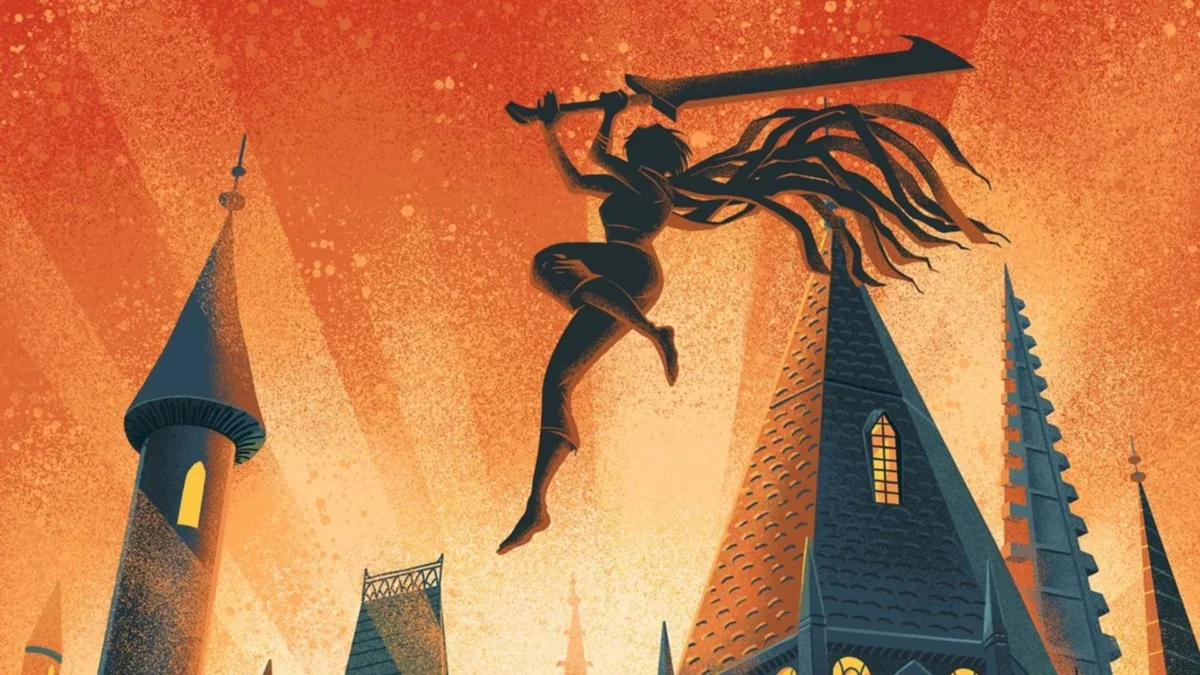
As the literary world marks the 20th anniversary of Brandon Sanderson’s Mistborn series, the conversation surrounding the franchise has shifted from simple appreciation to a deep analytical re-evaluation. For two decades, readers have categorized the adventures of Vin, Kelsier, and the denizens of Scadrial as pillars of high fantasy. However, as we look back on the series—now bolstered by a monumental adaptation deal with Apple TV that grants Sanderson significant creative control over the Cosmere—it is becoming increasingly clear that Mistborn is not merely "high fantasy." It is a masterclass in science fantasy, a genre-bending achievement that leverages the rigors of physics and chemistry to ground the impossible.
The Chronology of a Genre-Bending Legacy
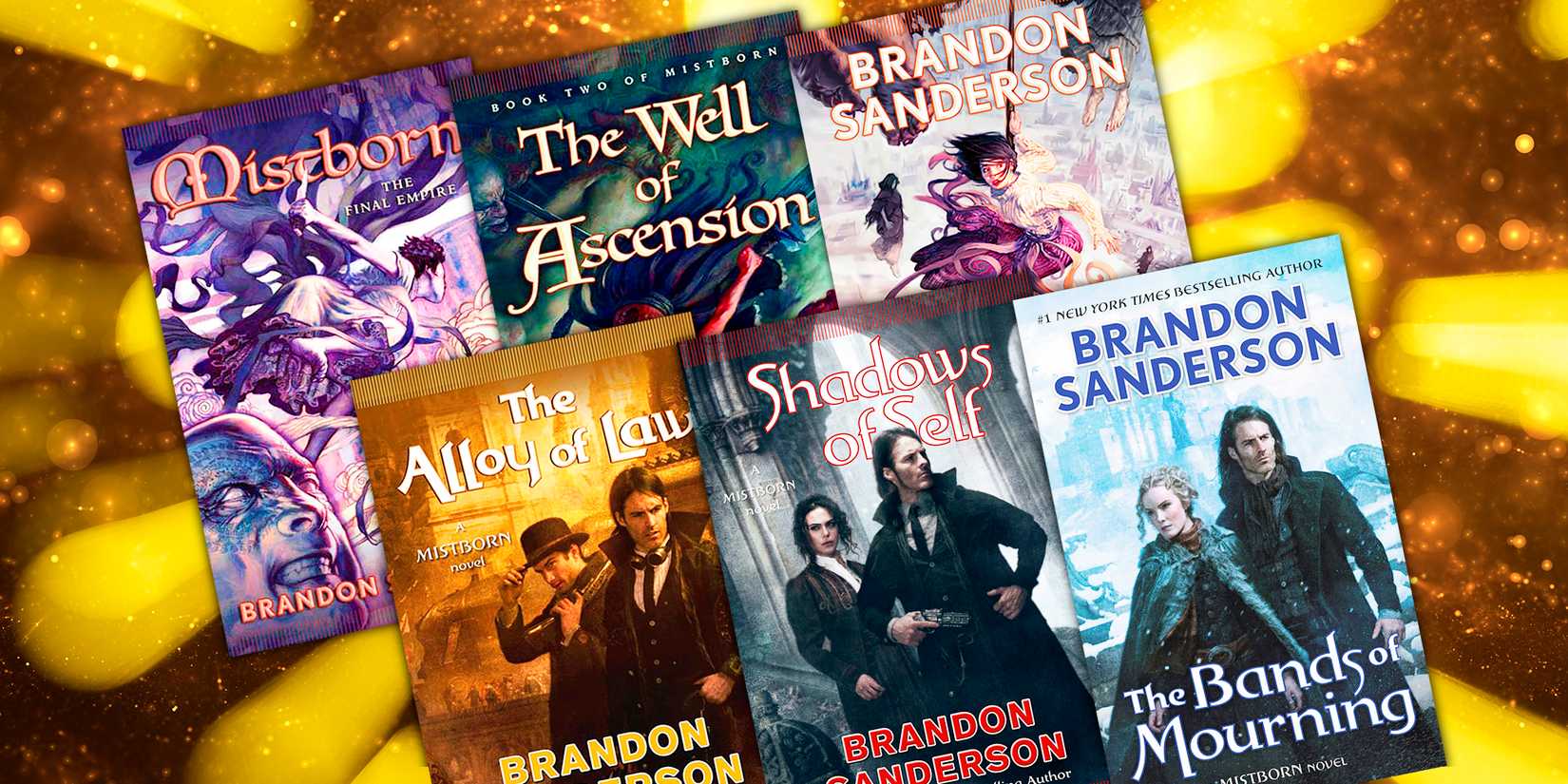
Brandon Sanderson’s rise to prominence in the modern fantasy landscape is, by any metric, unprecedented. Since the publication of Mistborn: The Final Empire in 2006, the series has expanded from a self-contained trilogy into a sprawling multi-era epic. This chronological evolution is vital to understanding the genre-blurring nature of the work.
- Era 1 (The Original Trilogy): Published between 2006 and 2008, these books introduced the world to Allomancy, Feruchemy, and Hemalurgy. While visually evocative of traditional fantasy—featuring mist-shrouded cities, noble houses, and ancient prophecies—the underlying mechanics were starkly different from the "soft magic" found in Tolkien-esque works.
- Era 2 (The Wax and Wayne Series): Spanning 2011 to 2022, this era moved the timeline forward, introducing industrialization, firearms, and investigative tropes. It was here that the intersection of technology and magic became undeniably overt, pushing the series firmly into the realm of science fantasy.
- The Future (Eras 3 and 4): Sanderson has confirmed plans for a 1980s-inspired techno-thriller era and an eventual space-faring conclusion. This trajectory represents a deliberate migration across the genre spectrum, moving from the medieval fantasy aesthetic toward hard science fiction.
The Scientific Framework of Hard Magic
The core of why Mistborn defies traditional fantasy labeling lies in Sanderson’s approach to his "Hard Magic" systems. In his seminal essay, Sanderson’s First Law, the author outlines his philosophy: "My own paradigm is to develop a complicated magic system which can be explained as simply as possible, but which has a lot of background and ‘behind the scenes’ rules."
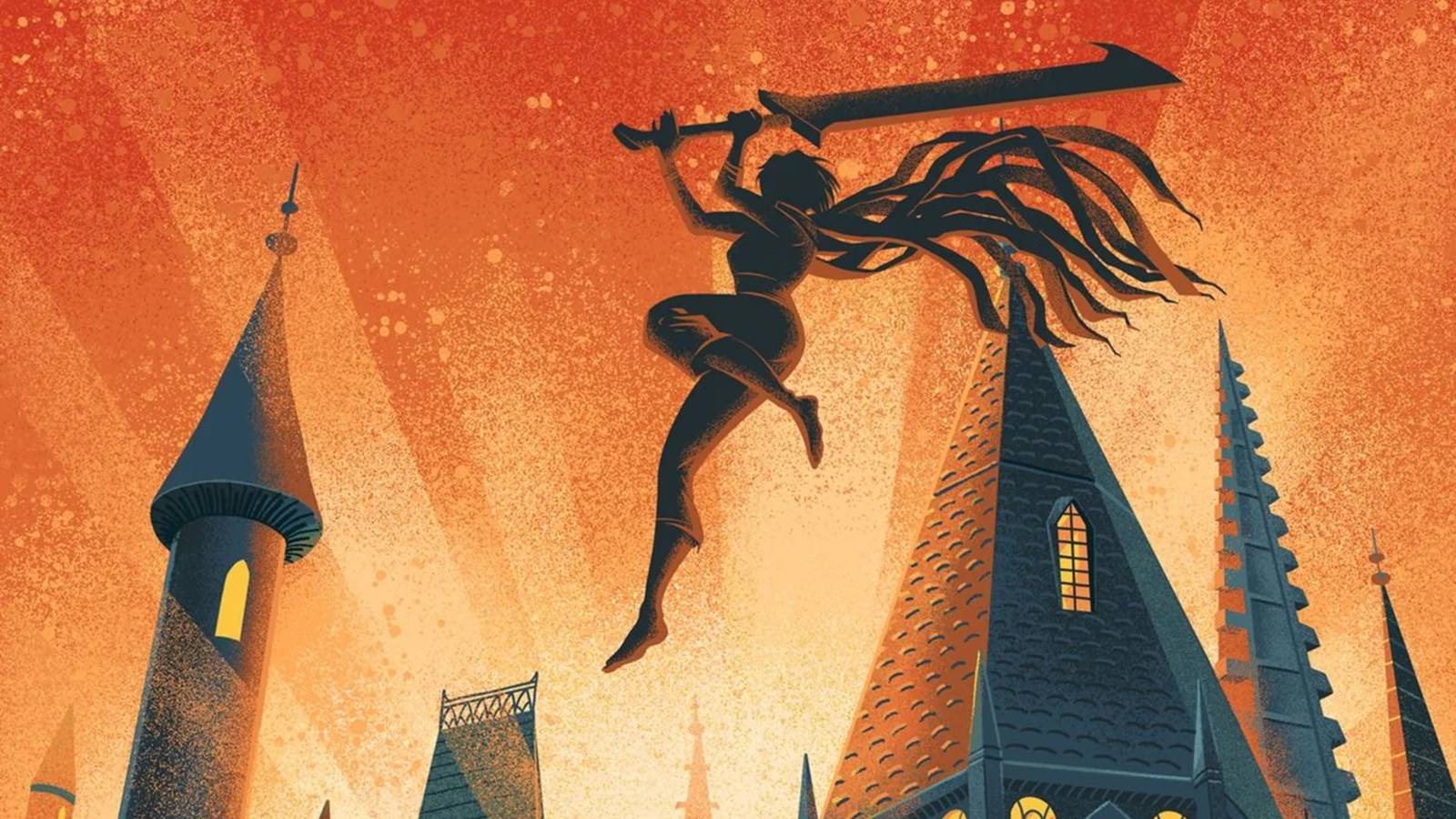
Unlike systems that rely on mystical vagueness, Allomancy is essentially a branch of applied physics. Allomancers do not conjure matter from the ether; they act as catalysts. By ingesting specific metal alloys, they tap into the spiritual realm to gain kinetic, physical, or sensory advantages. This is not witchcraft; it is molecular interaction.
Thermodynamic Constraints
The brilliance of Mistborn is its adherence to the laws of thermodynamics. When a "Coinshot" pushes against a metal object, the force exerted on them is proportional to the mass of the object. If the object is heavier than the user, the user is moved instead. This is Newton’s Third Law of Motion manifested as a supernatural ability. Similarly, Feruchemy—which allows users to store attributes like weight, speed, or heat—operates as a closed-loop energy system. One cannot create energy from nothing; one must "store" it first, adhering to the First Law of Thermodynamics. The clinical precision of these rules makes the magic feel less like fantasy and more like a biological superpower rooted in a rigorous scientific framework.
Supporting Data: Pseudoscience and Genetics
The "science" of Mistborn extends beyond physics and into the realm of biology. The ability to use magic in the Cosmere is hereditary, linked to genetic markers that Sanderson has mapped with the meticulousness of a geneticist. This grounding in biology provides an explanation for the existence of powers that feels closer to a superhero origin story or a science-fiction mutation than the divine gift of classic fantasy.

Furthermore, the integration of heavy metal poisoning—a tangible medical consequence of consuming the wrong alloys—adds a layer of gritty, clinical reality to the narrative. When characters like Vin navigate the complexities of their abilities, they are not just learning spells; they are managing toxicity levels and chemical purity, a hallmark of science-fiction storytelling.
Comparative Analysis: What Defines "Hard Magic"?
Critics and fans often confuse "Hard Magic" with "Science Fantasy," but the two are not always synonymous. It is important to distinguish Sanderson’s approach from other genre staples. For instance, the elemental bending in Avatar: The Last Airbender or the magic in Jim Butcher’s Codex Alera are both "Hard Magic" systems—they have clear rules and limitations that the audience understands.
However, Avatar and Codex Alera remain firmly in the fantasy camp because their systems do not rely on scientific or pseudoscientific logic; they rely on elemental or spiritual axioms. Mistborn distinguishes itself because it uses the vocabulary of science—chemistry, mass, kinetic force, and genetics—to justify the presence of magic. While other authors might write, "The wizard cast a fireball," Sanderson writes a scene that functions as a physics equation, challenging the reader to understand the interaction between the character and their environment as a scientist would.
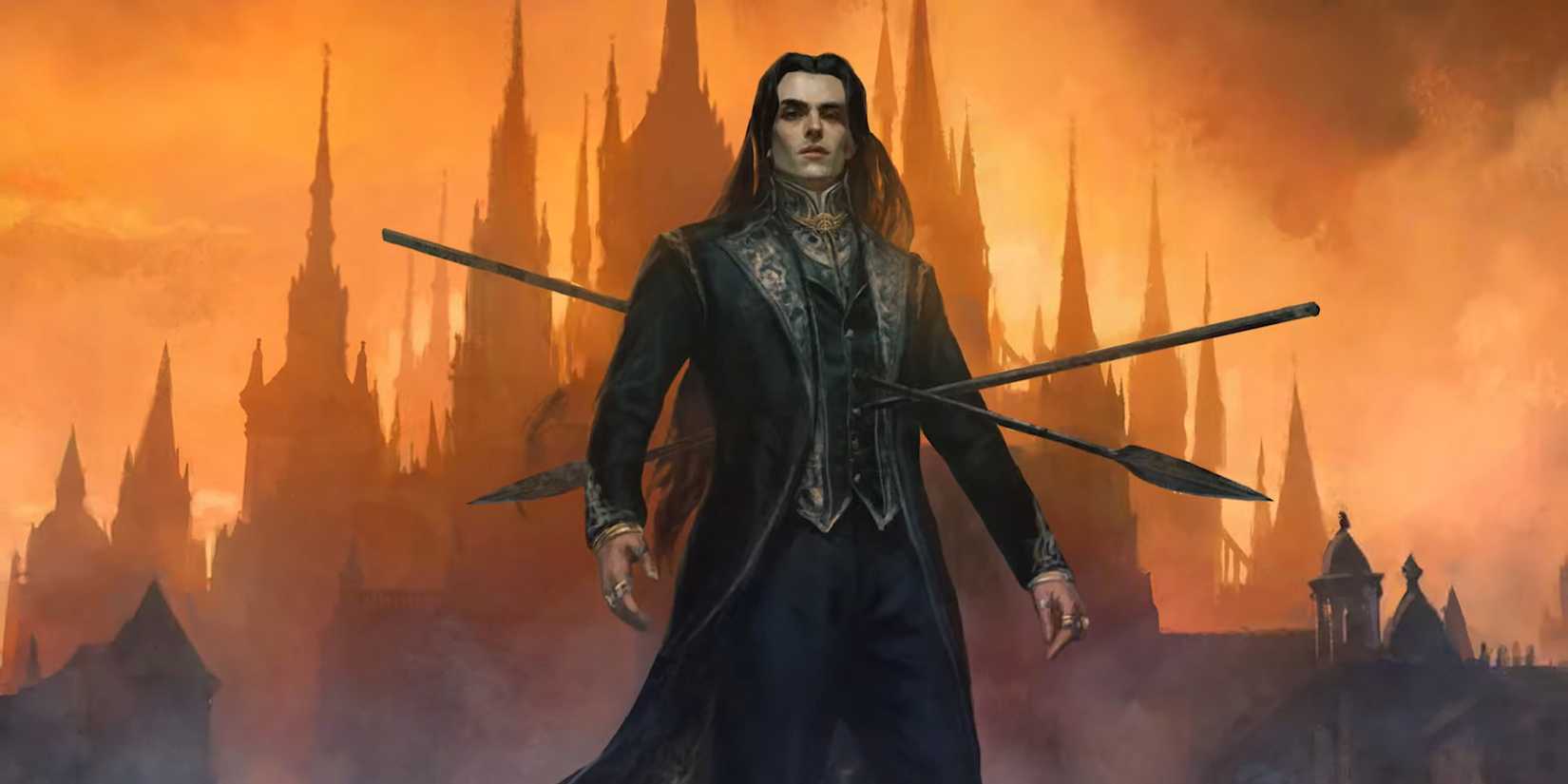
Official Perspectives: The Author’s View on the Spectrum
During the recent 20th-anniversary celebration, Sanderson himself addressed the fluidity of these labels. He noted that the division between science fiction and fantasy is a sliding scale rather than a binary choice.
"Everything in between is a blur," Sanderson stated during his live stream. "I don’t think it matters that much, and I also think things can be both." He pointed to Star Wars as the quintessential example of this convergence, labeling it a "fantasy science fiction" hybrid. For Sanderson, the choice to lean into science-based explanations for his magic was not a calculated attempt to change genres, but a result of his personal preference for logic-driven world-building. He finds the "rules" of science more satisfying to navigate than the ambiguity of mysticism.
Implications for the Future of the Cosmere
The implications of this realization—that Mistborn is fundamentally science fantasy—are significant, particularly as the series moves toward its conclusion. By establishing a world where magic functions like science, Sanderson has essentially created a "unified field theory" for his literary universe.

As the story evolves into space opera, the transition will not feel jarring to the long-term reader. Because the foundation was laid in chemistry and physics, the leap to space-faring technology will feel like a natural technological progression rather than a sudden change in tone. This creates a cohesive, intellectual experience that few other fantasy series can claim.
Furthermore, with the Apple TV adaptation on the horizon, the visual representation of these "scientific" powers will likely differ from traditional fantasy tropes. We can expect high-octane, physics-based action sequences that feel more like a superhero blockbuster than a medieval epic. The visual language of Mistborn—the "science" of the push and pull—will serve as the backbone for what could be the most grounded, logically consistent fantasy adaptation to date.
Conclusion: A Legacy of Blurred Lines
As we look back at twenty years of Mistborn, the series stands as a testament to the fact that creativity is not limited by genre tags. Brandon Sanderson has done more than just write a great fantasy story; he has successfully bridged the gap between the imaginative wonder of fantasy and the rigorous, logical curiosity of science fiction.
By grounding his world in laws that mirror our own, he has elevated the stakes, making his characters’ successes feel earned through intellect and application rather than mere destiny. Whether one views Mistborn as an epic fantasy, a science-fantasy thriller, or a blend of both, one thing is certain: its influence on the literary landscape is as immutable as the laws of physics that govern its magic. As the series moves into its next decade, the lines will only continue to blur, proving that the best stories are those that refuse to stay in the boxes we build for them.










