Iffa Jayyana
As Japan moves into the second half of 2026, the nation finds itself at a complex crossroads. From the cooling of a once-explosive tourism sector to the structural overhaul of its intelligence apparatus, the country is navigating a landscape defined by geopolitical friction, environmental challenges, and the global export of its cultural influence.
This report provides an in-depth look at the primary events shaping the Japanese archipelago this week, examining the socioeconomic and political currents that are redefining the nation’s path forward.
I. Tourism’s Cooling Trend: A Shift in the Economic Tide
For the first time since the height of the global pandemic in 2021, Japan’s tourism sector has experienced a tangible slowdown. Data released this Wednesday by the Japan National Tourism Agency (JNTO) indicates that foreign visitor arrivals fell by 2% during the first half of 2026 compared to the same period in 2025.
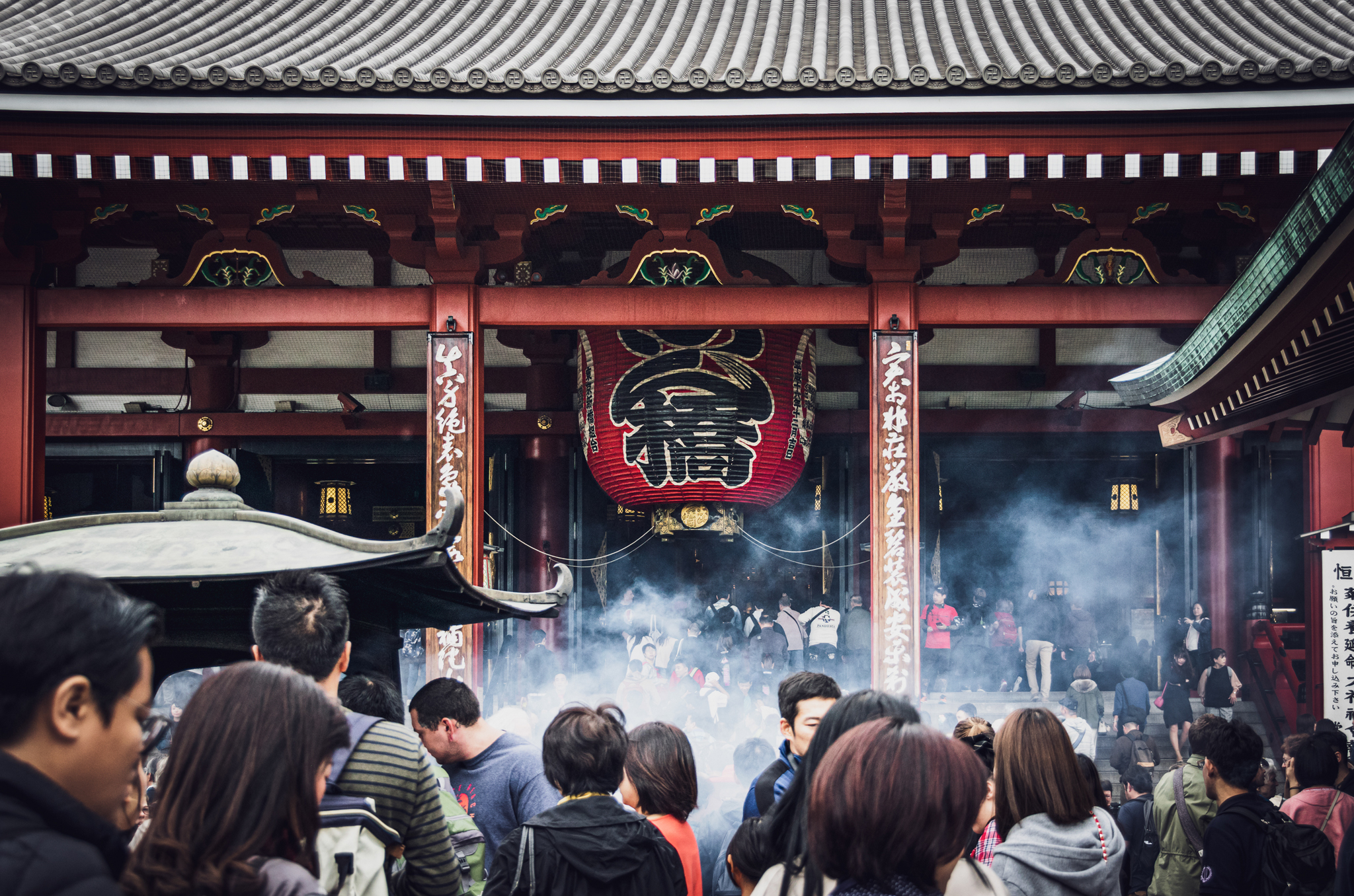
Chronology and Data
The decline, while seemingly modest in percentage, represents a significant break in the momentum that had characterized the post-pandemic recovery. Between January and June 2026, approximately 21.08 million visitors entered the country. However, the trajectory shifted sharply in June, which recorded the steepest year-on-year decline in monthly arrivals since 2022.
Geopolitical Friction and Economic Pressures
The primary catalyst for this downturn is the deepening diplomatic rift between Tokyo and Beijing. Following Prime Minister Sanae Takaichi’s assertive stance last November regarding potential Japanese military involvement in a Taiwan contingency, Beijing issued strong travel warnings to its citizens. The resulting impact on the tourism industry has been immediate and severe: visitor numbers from China have plummeted by more than 50% year-on-year.
Beyond diplomatic tensions, macroeconomic factors are also weighing heavily on the sector. Persistent instability in the Middle East has pushed crude oil prices to elevated levels, increasing the cost of international air travel and putting pressure on the budgets of potential tourists globally.

II. Intelligence Overhaul: Addressing the "Den of Spies"
While the tourism sector faces external headwinds, the Japanese government is preoccupied with internal security. In a move described by political analysts as the most significant intelligence reform in the post-war era, the Diet passed landmark legislation in May to establish the National Intelligence Council (NIC) and the National Intelligence Bureau (NIB).
The "Den of Spies" Narrative
This legislative push for a centralized intelligence architecture was accelerated by recent international scrutiny. A high-profile investigation published this past Sunday by The New York Times labeled Japan a "den of spies," alleging that the nation’s relatively lenient espionage laws and sophisticated technology sector have made it a primary target for Russian state-sponsored actors.
According to the report, Moscow has utilized Japan as a conduit to procure critical components for its ongoing military operations. Estimates from Ukrainian intelligence officials suggest that nearly 90% of Russian-manufactured missiles and drones currently in use contain Japanese-made electronic components.

Official Responses and Implications
While Chief Cabinet Secretary Minoru Kihara declined to comment on the specifics of the NYT investigation during his Monday briefing, he acknowledged that the government remains deeply concerned regarding the extent of foreign intelligence operations within Japanese borders. The creation of the NIB is intended to provide the necessary tools for the state to monitor and counter these threats, marking a definitive shift toward a more proactive, security-first national policy.
III. The Legacy of the 2025 World Expo
The Osaka-Kansai World Expo 2025 left behind more than just memories; it left behind a logistical puzzle in the form of its modular, "Lego-like" restrooms. Famously dubbed the "¥200 million toilets" due to their high production costs, these facilities have now found a permanent, if humble, destination.
Relocation and Preservation
On Tuesday, the Osaka Prefectural Government confirmed that the structures will be relocated to the Osaka Prefectural Flower Culture Center in Kawachinagano. The prefecture has earmarked ¥100 million for the dismantling and transport process.
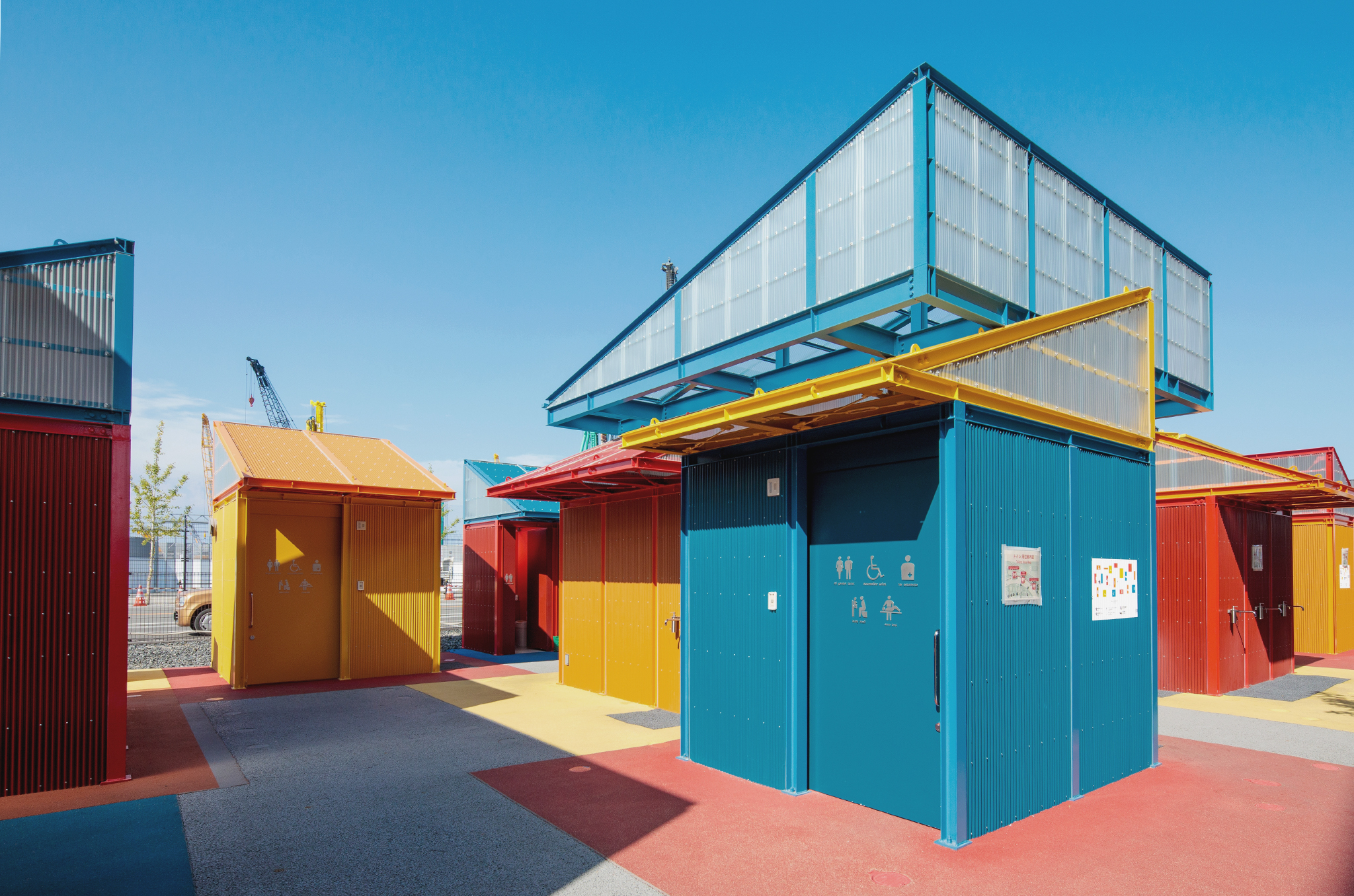
Architect Takashi Yonezawa, the visionary behind the design, expressed his satisfaction with the decision. "I am happy that the toilets will be moved," Yonezawa told the Asahi Shimbun. He emphasized that the preservation of the modular structures allows future generations to engage with the aesthetic and cultural history of the Expo. The facilities are expected to be operational for public use by the spring of 2027.
IV. Environmental Crisis: The War on the Red-Necked Longhorn Beetle
A more pressing, albeit smaller, threat is currently sweeping through Japan’s municipal parks and forests. The red-necked longhorn beetle (Aromia bungii), an invasive species capable of decimating cherry, peach, and plum trees, has reached infestation levels that have prompted government intervention.
Localized Responses
The infestation has been confirmed in 20 municipalities across Tokyo, an increase of eight from the previous fiscal year. To curb the spread, local governments are turning to incentivized eradication programs:

- Fussa City: Residents are being offered ¥500 gift certificates for the successful capture and disposal of 10 beetles.
- Kawajima Town: Saitama Prefecture has implemented a bounty system, offering ¥100 per individual beetle.
- Regional Cooperation: In Hyogo and Kyoto, local governments have launched joint patrols and public education seminars to help residents identify the early signs of tree damage, such as wood dust accumulation at the base of infected trees.
V. Cultural Export: Global Casting for Naruto
In the realm of global entertainment, Japan’s cultural influence continues to reach new heights. Lionsgate, in collaboration with director Destin Daniel Cretton (Shang-Chi and the Legend of the Ten Rings), officially launched a global casting call this past Friday for the live-action adaptation of the seminal manga and anime series Naruto.
Director’s Vision
The search for the leads of the iconic "Team 7"—Naruto Uzumaki, Sasuke Uchiha, and Sakura Haruno—has become one of the most anticipated events in recent Hollywood production history.
"Kishimoto-sensei’s stories have inspired generations of fans around the world," Cretton stated via Instagram. "It is an honor to bring his world and characters to the big screen in live action for the very first time." The casting search is open to international talent, reflecting the global scale of the Naruto franchise and the high stakes involved in translating such a beloved source material for a Western audience.

VI. Sporting Triumphs: A Golden Era for Japanese Tennis
Japan’s success on the international stage was highlighted this past weekend at the All England Club, as wheelchair tennis players Yui Kamiji and Tokito Oda secured historic victories at Wimbledon.
Dominance at Wimbledon
- Yui Kamiji: The 32-year-old achieved a career milestone by winning her first-ever women’s wheelchair singles title at Wimbledon. Her 6-0, 6-0 defeat of Diede de Groot of the Netherlands was a display of sheer dominance, lasting under 50 minutes. This victory completed a "Career Golden Slam"—a feat consisting of all four Grand Slam singles titles and a Paralympic gold medal.
- Tokito Oda: Building on his momentum, the 20-year-old defending champion secured his third Wimbledon singles title by defeating Britain’s Alfie Hewett 6-1, 6-1. This represents Oda’s 10th career Grand Slam singles championship, cementing his status as a titan in the sport.
While the men’s doubles title slipped through the hands of the Japanese-Argentinian pairing of Oda and Gustavo Fernandez, Kamiji secured a second victory in the women’s doubles alongside China’s Zhu Zhenzhen, further underscoring Japan’s current dominance in the world of adaptive sports.
VII. Conclusion: The Road Ahead
The events of this week illustrate a nation navigating profound change. From the strategic pivot toward a robust intelligence infrastructure to the grassroots efforts to protect its iconic cherry blossoms, Japan is addressing both its domestic vulnerabilities and its global responsibilities. As the government, the public, and the private sector respond to these challenges, the coming months will be a testament to the nation’s ability to adapt while maintaining its status as a leading cultural and economic power in the Indo-Pacific.


 Neng Nana
 Asro
Asro