

In an era defined by high-performance computing, where state-of-the-art password cracking rigs are powered by clusters of NVIDIA’s most potent GPUs, the concept of "computational efficiency" usually occupies the center stage. Security researchers and cryptographers spend lifetimes optimizing algorithms to shave milliseconds off the time required to brute-force a hash. However, sometimes the most compelling technological breakthroughs aren’t about speed or efficiency—they are about the sheer, defiant joy of engineering.
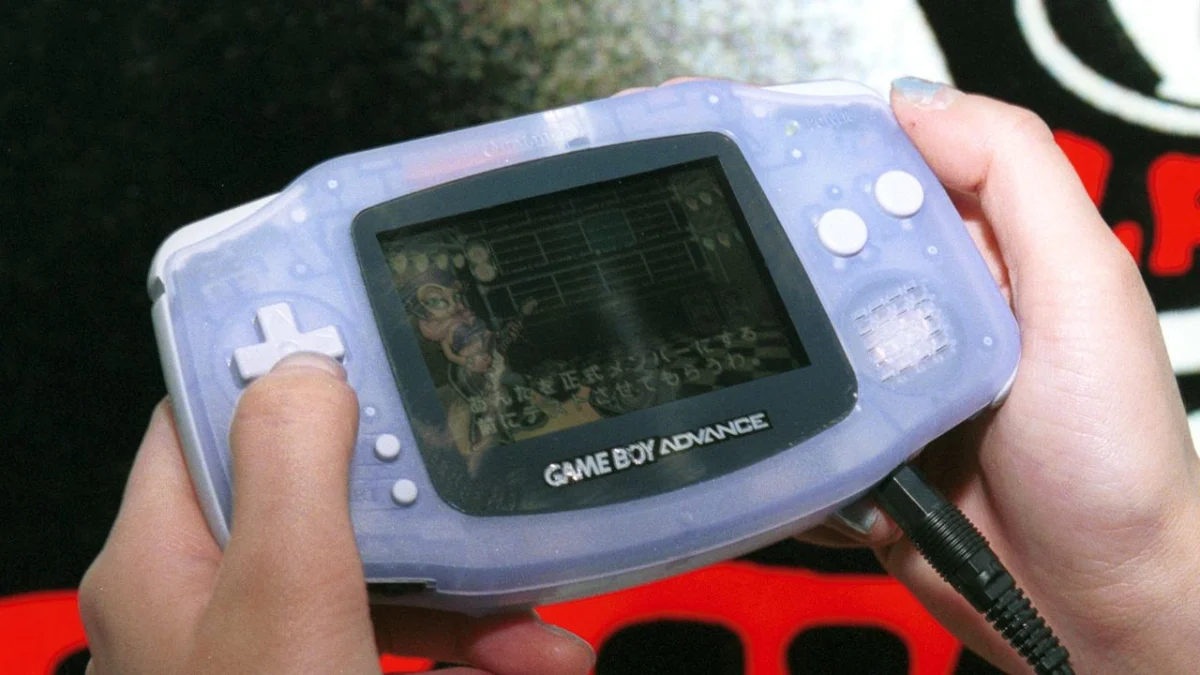
Enter gba-hashcat, a project by security engineer solstICE (Ice) that has successfully ported the industry-standard hash-cracking utility to the Nintendo Game Boy Advance (GBA). While it certainly won’t be breaking any enterprise-grade encryption in this lifetime, the project has captivated the tech community as a masterclass in hardware constraints, nostalgic programming, and the "why not?" spirit of the hacker ethos.
The Core Concept: Silicon vs. Nostalgia
The premise of gba-hashcat is almost comical when compared to modern standards. Password cracking typically relies on massively parallel processing; a single modern GPU can process billions of SHA256 hashes per second. In stark contrast, the GBA’s ARM7TDMI processor, clocked at a modest 16.78 MHz, handles approximately 727 hashes per second.
To put this into perspective, a modern high-end cracking rig is roughly 30 million times faster than the GBA. If you were to task the GBA with a brute-force attack that a modern GPU could solve in a single second, the GBA would be grinding away at that same task for roughly 350 to 360 days. It is, by all accounts, the "ultimate" password-cracking rig only if your goal is to wait until the next geological epoch to retrieve a password.
A Chronology of the Project
The development of gba-hashcat began as a whim, born from the desire to see if the GBA’s architecture could handle modern cryptographic primitives.
- The Conceptual Phase: Ice sought to challenge the perception that modern security tools are inextricably tied to x86 or high-performance ARM architectures. By choosing the GBA, they selected a platform with famously tight memory constraints and a limited instruction set.
- The Development Phase: Utilizing the Butano engine—a powerful, modern C++ library designed for GBA development—Ice was able to bypass much of the archaic assembly-level boilerplate typically required for Game Boy programming. This allowed the developer to focus on the hashing logic rather than wrestling with the GBA’s hardware registers.
- The Reveal: On July 17, 2026, the project was unveiled via social media, where the developer openly labeled it their "dumbest project yet." The reception was immediate, shifting from bemusement to admiration for the technical ingenuity required to squeeze a complex hashing utility into a handheld console released in 2001.
Technical Limitations and Architectural Hurdles
To understand why gba-hashcat is such a significant technical feat, one must look at the specs of the target machine. The GBA is a relic of the early 2000s, featuring:
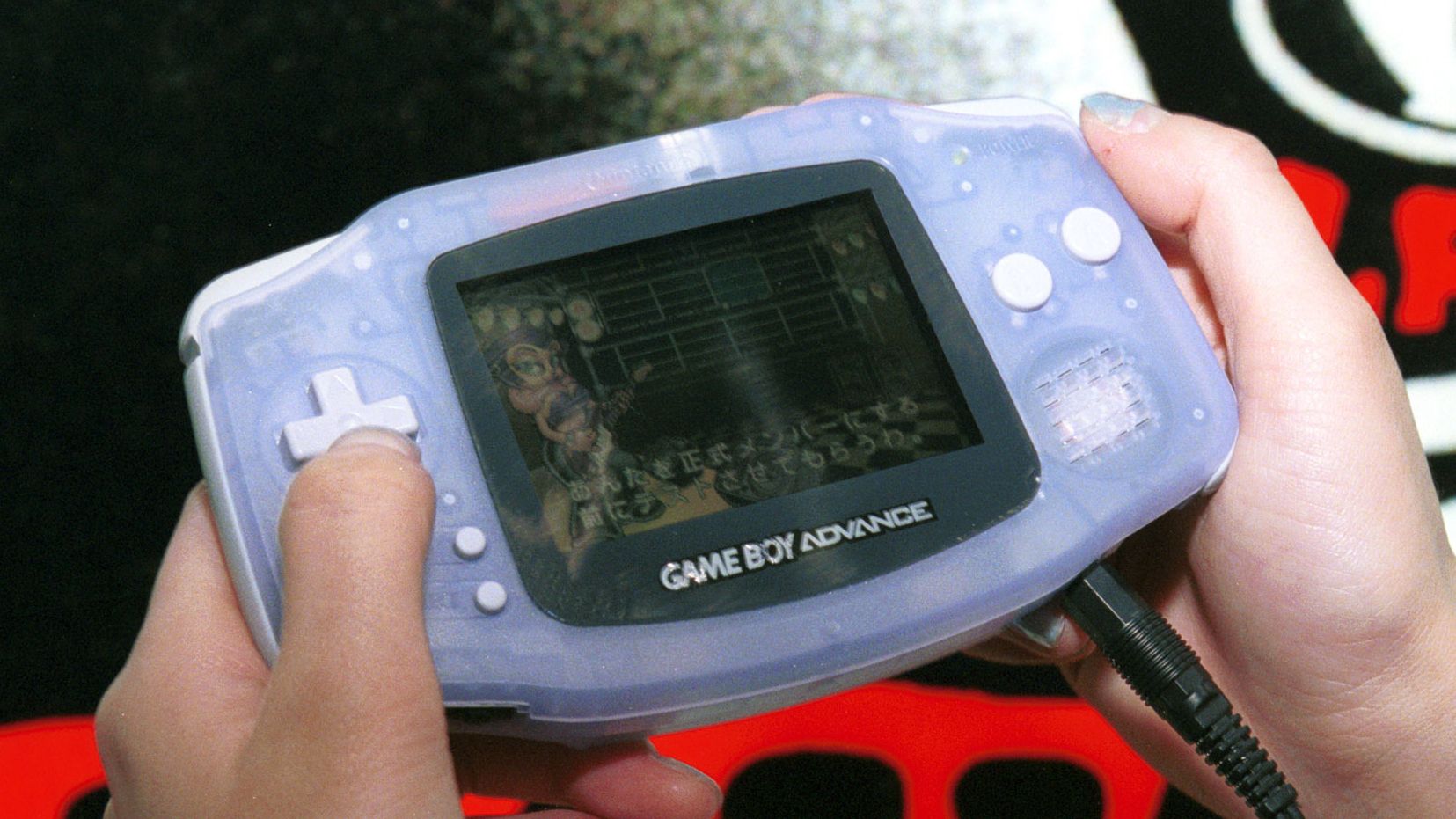
- Processor: 32-bit ARM7TDMI, 16.78 MHz.
- Memory: A mere 288 KB of work RAM, with 98 KB of dedicated VRAM.
- Storage Constraints: GBA cartridges typically capped out at 32 MB. This poses a massive hurdle for traditional dictionary attacks, which rely on massive "wordlists" or precomputed rainbow tables that can grow to several gigabytes in size.
Because of these limitations, Ice had to optimize the software to fit within these extreme memory boundaries. The current iteration uses the ignis-1M wordlist—a 1-million-entry list of common passwords that takes up roughly 8 MB of space. This fits comfortably within the cartridge limit, but it means the GBA is limited to testing only a small fraction of the possibilities that a full-scale desktop rig would cover.
The UI is intentionally Spartan. It provides the user with just enough information to know that the device hasn’t crashed: an introductory screen, the current password being tested, and a live counter of hashes per second. It is a minimalist interface that mirrors the simplicity of the hardware itself.
Implications for Security and Hardware Tinkering
While no security professional will be using a Game Boy Advance to perform penetration testing in the field, the project carries significant implications for how we view hardware longevity and the "democratization" of computing.
The Power of Distributed Computing
Following the release, the community immediately began theorizing about "GBA Clusters." If a single Game Boy Advance is woefully underpowered, what would a synchronized cluster of 100 networked GBAs achieve? While the sheer cost of acquiring, modifying, and networking 100 GBA consoles would far exceed the price of a high-end RTX 4090, the experiment highlights a fascinating concept in distributed computing. It suggests that even the most obsolete hardware can be repurposed if the software environment is flexible enough.
The "Why Not" Ethos
In professional circles, efficiency is the gold standard. In the hobbyist and hacker community, however, curiosity is the primary driver. Projects like gba-hashcat remind us that technology doesn’t always have to be "useful" to be valuable. By stripping away the bloat of modern software and forcing code to run on a 25-year-old chip, developers like Ice learn more about the underlying mechanics of SHA256 and ARM architecture than they ever would by simply running a pre-compiled binary on a desktop PC.
The Human Element: When "Slow" is Enough
There is a satirical beauty to the project that Ice noted in their commentary. In the real world, the vast majority of password security is laughably weak. Many users rely on simple, predictable passwords like "123456" or "password123."
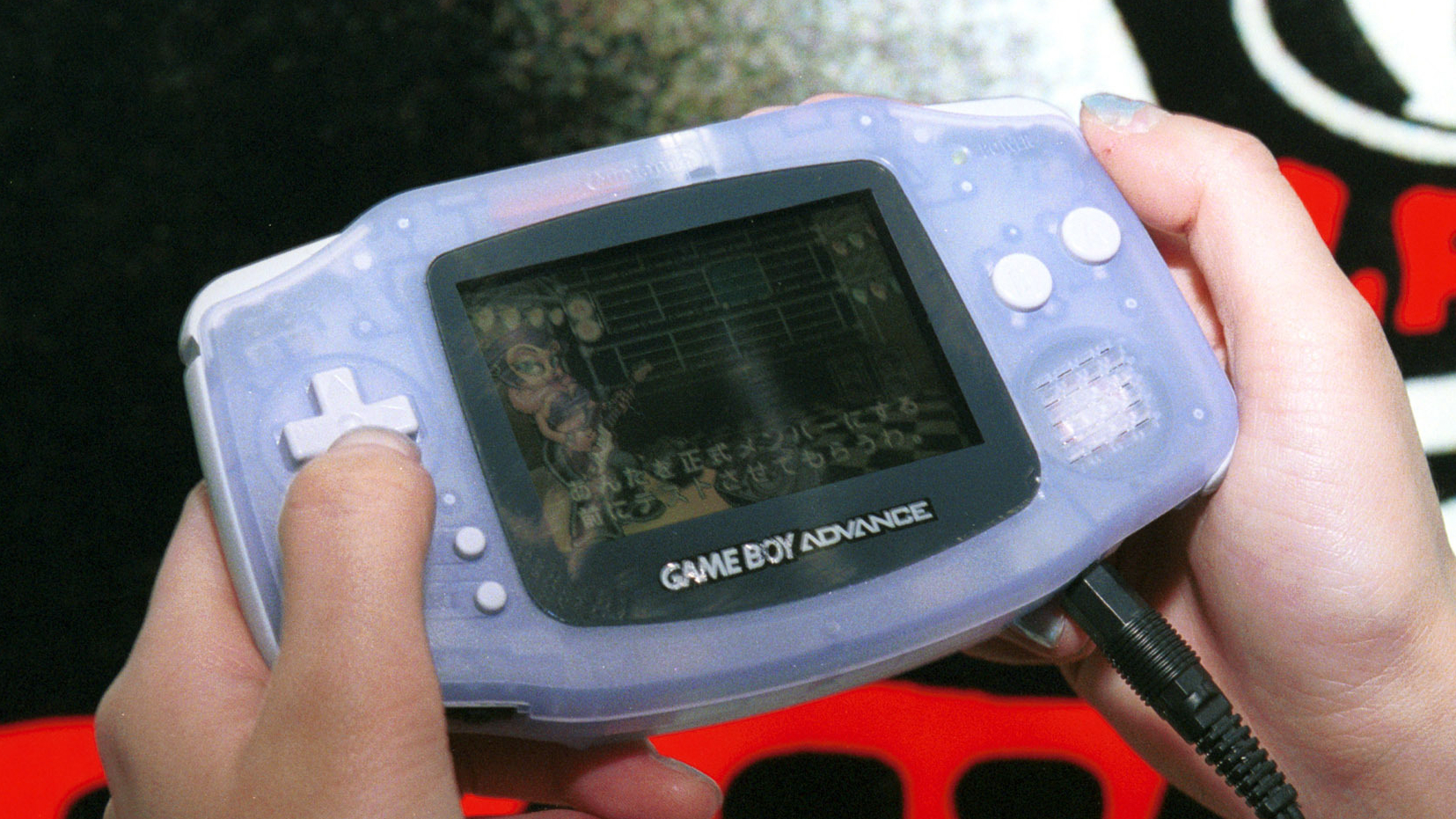
In a hypothetical scenario where an individual needs to recover a lost password for a simple spreadsheet or a local file, the GBA—despite its glacial pace—is technically capable of doing the job. If the password is weak enough, the GBA’s "astronomical" speed of 727 hashes per second might actually be enough to find it before the user finishes their coffee. It is a humbling reminder that the greatest threat to digital security isn’t always the computing power of the attacker, but the simplicity of the human element.
Future Outlook: What’s Next?
While gba-hashcat is likely to remain a "dumb" passion project, it has opened a door to further retro-hardware exploration. The developer’s decision to open-source the project on GitHub invites others to optimize the hashing loops or experiment with different algorithms.
Will we see a version of gba-hashcat that supports MD5? Or perhaps a version that can be daisy-chained via the GBA link cable to create a multi-console cracking rig? The community response suggests that the appetite for such experimental projects is high. As the cost of high-end consumer hardware continues to climb, perhaps we will see a resurgence in "low-power" computing, where enthusiasts find creative ways to make old hardware do new tricks.
Conclusion
The gba-hashcat project is a brilliant juxtaposition of the old and the new. It takes the most modern, intensive task in cybersecurity and forces it to coexist with the hardware limitations of a bygone era. It serves as a reminder that programming is as much an art form as it is a science. Whether it’s viewed as a joke, a technical exercise, or a nostalgic tribute to the GBA, one thing is certain: it has successfully turned a handheld gaming icon into the most charmingly inefficient piece of security software in existence.
For those interested in exploring the code or perhaps contributing to the "cluster" dream, the project remains available on GitHub. Just don’t expect to crack any salted SHA256 hashes before the next decade—unless, of course, your password happens to be "123."











