Nila Kartika Wati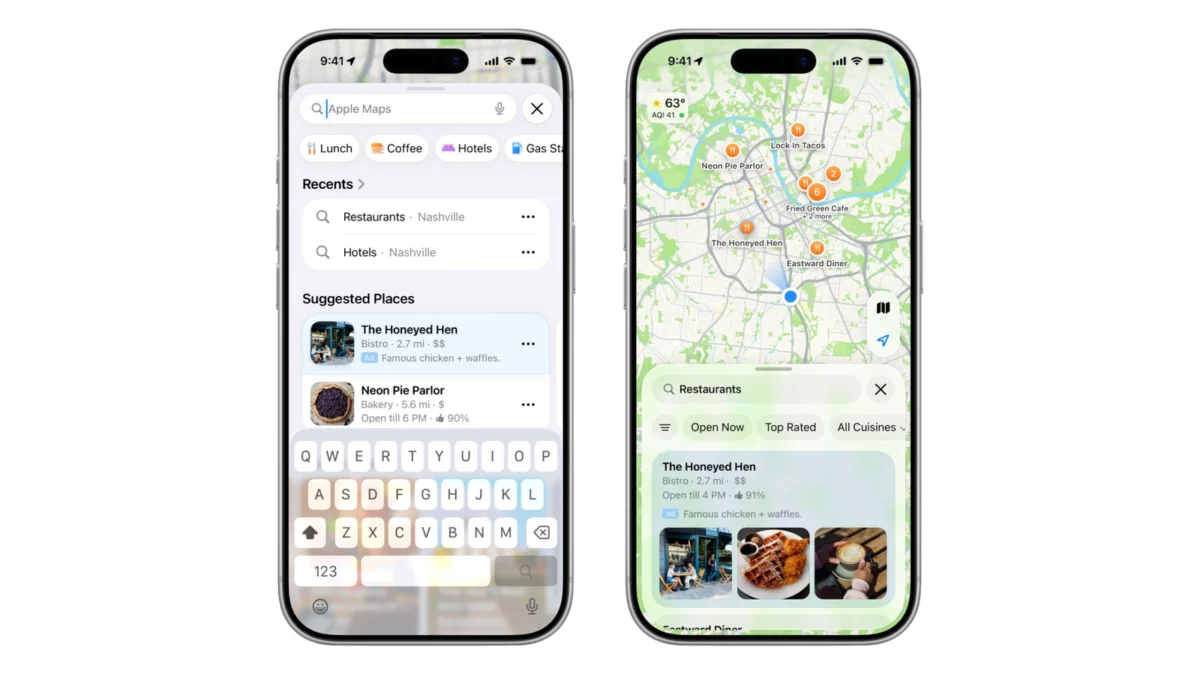
As Apple prepares to integrate paid advertising into its Maps application, the tech giant is setting clear boundaries on the type of content it deems appropriate for the platform. Freshly published advertising guidelines reveal that Apple intends to steer clear of the “utility-first” model popularized by competitors, opting instead for a curated experience that prioritizes discovery, leisure, and local commerce. Most notably, the company has implemented a blanket ban on “home service” advertisements, signaling a departure from the aggressive lead-generation tactics often seen in the digital mapping space.
The Evolution of Apple’s Advertising Strategy
The move to introduce ads into Apple Maps is a calculated pivot in the company’s broader “Services” division, which has become a primary engine of revenue growth for the Cupertino-based firm. While the company has long been protective of its ecosystem, the pressure to diversify income streams beyond hardware sales—such as the iPhone and Mac—has led to a measured expansion into ad-supported environments.
Apple’s official stance on its new Maps ad program, set to launch this summer in the United States and Canada, frames the initiative as an extension of user intent. By positioning Maps as a tool for “exploration,” the company hopes to integrate ads so seamlessly that they feel like helpful recommendations rather than intrusive marketing.
Chronology: From Concept to Rollout
The roadmap for Apple Maps advertising has been a multi-year development process marked by both technical integration and policy refinement:
- Early 2022: Rumors began circulating regarding Apple’s intent to expand its internal advertising team, with reports suggesting that Maps would be the next major frontier for sponsored results.
- Late 2022: Apple officially expanded its App Store advertising inventory, signaling a shift in its philosophy toward platform-wide monetization.
- March 2026 (Announcement): Apple confirmed that it would bring native advertising to Apple Maps, positioning the service as a discovery engine for local businesses.
- February 2027 (Current Policy Update): Apple released comprehensive advertising guidelines, explicitly banning specific categories such as home services, crypto ATMs, and bail bond services, ahead of the impending summer launch.
- Summer 2027 (Scheduled Launch): The service is slated to debut in the U.S. and Canadian markets, offering local businesses a new way to reach users based on geolocation and search intent.
The “Home Service” Ban and Content Policing
In a move that distinguishes it from platforms like Google Maps—where users frequently encounter ads for plumbers, locksmiths, and pest control services—Apple has explicitly prohibited these categories. The company’s policy document states: "Ad content that contains or directly or indirectly promotes home services—including but not limited to plumbing, electrical, locksmith, HVAC, pest control, roofing, or general contracting services—is prohibited."
This decision appears to be rooted in a desire to maintain a "premium" feel. When a user opens Apple Maps to find a coffee shop or a park, the user experience is arguably diminished by the presence of emergency-focused home repair ads. By blocking these, Apple is attempting to cultivate an environment centered on lifestyle, tourism, and retail.
Prohibited Categories: A Strict Framework
Beyond home services, Apple’s guidelines echo its stringent App Store Review criteria. The prohibited list includes:
- Deceptive Practices: Any content deemed misleading or fraudulent.
- Illegal Conduct: Promotion of criminal activities or services.
- Political Content: A total ban on political advocacy to avoid the volatility associated with election cycles.
- Financial Speculation: Strict limitations on cryptocurrency ATMs and high-risk financial services.
- Profanity and Defamation: A zero-tolerance policy for offensive imagery or language.
Supporting Data: The Growth of the Services Segment
Apple’s Services business—which encompasses the App Store, Apple Music, iCloud, and, increasingly, ad sales—has been the company’s fastest-growing segment for several fiscal quarters. In recent financial disclosures, Apple reported that its services revenue has reached record highs, consistently offsetting the cyclical fluctuations in iPhone sales.
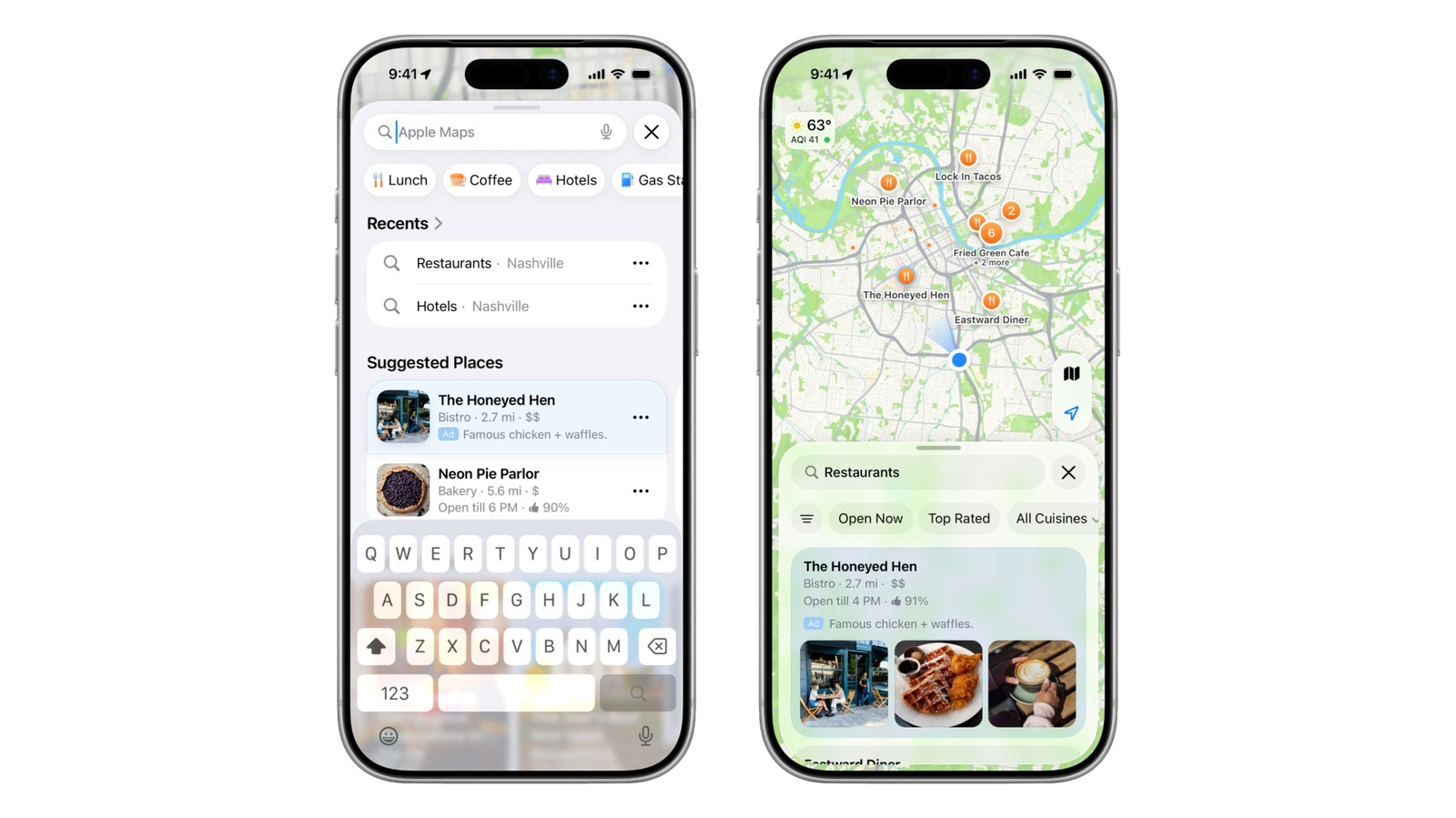
The integration of ads into Maps is viewed by market analysts as a low-friction way to extract value from the millions of daily active users who rely on Apple for navigation. Unlike the App Store, where ads are often for third-party apps, Maps ads are location-dependent, making them inherently more valuable to local retailers and restaurant owners who pay for proximity-based targeting.
Implications for Small Businesses and Competitors
The exclusion of home services creates a distinct competitive landscape. For small businesses in the service sector, this forces a reliance on alternative platforms like Google Maps or specialized local-service directories. Conversely, for restaurants, retailers, and boutique shops, the Apple Maps platform promises a "cleaner" ad environment.
The Quality Control Challenge
Apple’s reputation is currently at a crossroads regarding its ad quality. Recent scrutiny regarding the Apple News platform, which has been criticized for displaying low-quality, "scammy-looking" ads, serves as a cautionary tale. Critics argue that even if Apple bans certain categories, the execution of the ad delivery system must be sophisticated enough to prevent "junk" ads from slipping through the cracks. If Apple fails to maintain a high aesthetic and quality bar, the "premium" experience it promises could quickly erode.
User Experience vs. Monetization
The fundamental tension for Apple remains the trade-off between user privacy and monetization. Apple has built its brand on being the privacy-conscious alternative to the data-hungry ad models of its competitors. By keeping its ad program restricted to discovery-based intent rather than granular behavioral tracking, Apple is attempting to thread a needle: generating significant revenue while keeping its user base largely satisfied.
Strategic Outlook: A Restrained Approach
Looking toward the launch this summer, the industry is watching closely to see if Apple’s "restrained" approach will succeed. The company’s decision to limit ad types suggests it is prioritizing brand alignment over maximum short-term ad density.
If successful, this model could redefine how local advertising works on mobile platforms. By turning Maps into a curated digital "main street" rather than a billboard-filled utility, Apple may be able to charge a premium for ad placements that are viewed as recommendations rather than interruptions. However, if the service becomes cluttered or the ad quality slips, Apple risks damaging the high level of trust users currently place in its navigation software.
Ultimately, the ban on home services is a statement of intent. It confirms that Apple is not interested in being the "Yellow Pages" of the digital age. Instead, it is betting that users will tolerate—and perhaps even welcome—ads that feel like an extension of their desire to discover the world around them, rather than a frantic search for a leaky pipe repair.
As we approach the summer of 2027, the success of this initiative will hinge on Apple’s ability to balance its aggressive revenue growth targets with the minimalist, user-centric design philosophy that has defined its success for decades. The company is not just selling ad space; it is selling a curated vision of the local community. Whether that vision resonates with users, or whether the desire for "pure" navigation outweighs the utility of discovery, remains to be seen.


 Nana
Nana
 Lina Irawan