

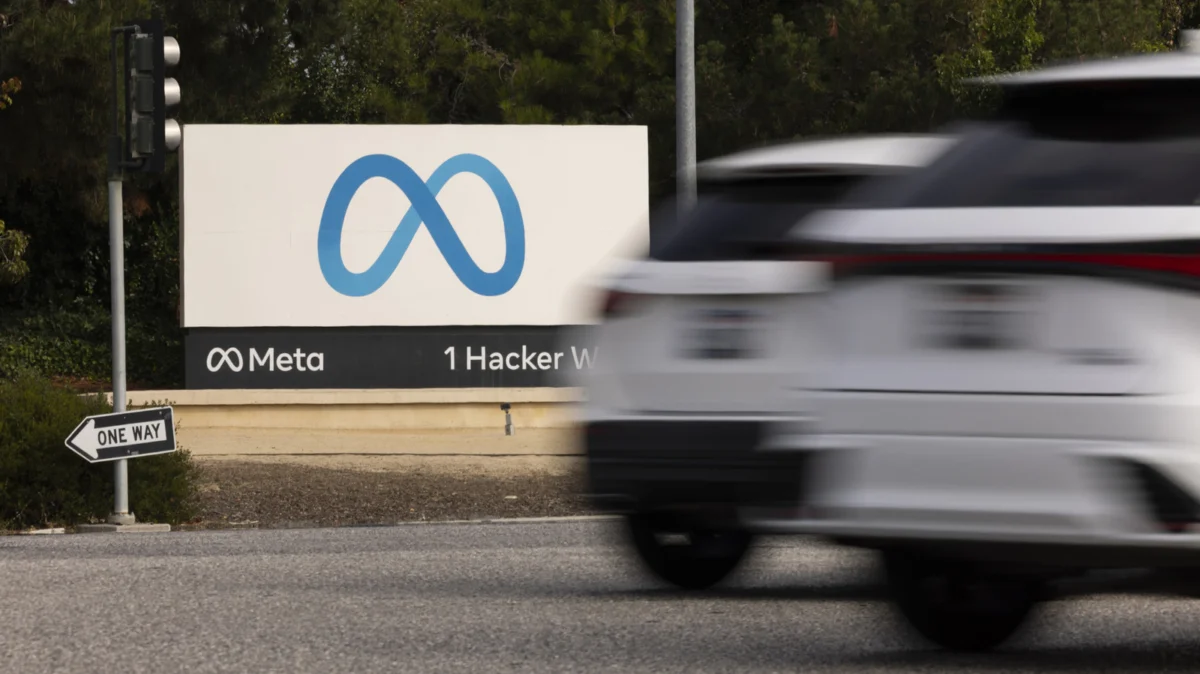
In a move that could fundamentally alter the competitive landscape of the artificial intelligence industry, Meta Platforms Inc. is reportedly engaged in early-stage negotiations to lease significant portions of its massive data center infrastructure to AI research powerhouse Anthropic. The proposed arrangement, which could reach a staggering value of $10 billion over a two-year period, marks a pivotal shift for the parent company of Facebook and Instagram as it explores diversifying its revenue streams beyond the digital advertising ecosystem.
Main Facts: A Strategic Infrastructure Alliance
The potential deal between Meta and Anthropic represents more than just a real estate transaction; it signifies the birth of a new "compute-as-a-service" model for Meta. According to recent reporting from The New York Times, while the talks are currently preliminary, the scale of the investment underscores the insatiable hunger for high-performance computing power required to train and deploy frontier AI models.
For Meta, which has spent the better part of the last three years transforming itself into an AI-first organization, this deal would allow it to monetize the massive capital expenditure it has poured into its GPU clusters and liquid-cooled data centers. For Anthropic—the creator of the Claude series of large language models—securing consistent, high-capacity access to compute is the single most significant bottleneck to scaling its technology. By leveraging Meta’s infrastructure, Anthropic would gain the necessary "runway" to compete with the likes of OpenAI and Google.
Chronology: The Road to Cloud Infrastructure
Meta’s journey toward becoming a potential cloud provider has been a calculated, multi-year progression:
- Pre-2023: Meta’s data centers were primarily optimized for internal workloads, social media traffic, and ad-targeting algorithms.
- Early 2024: During an earnings call, CEO Mark Zuckerberg openly acknowledged that the company receives requests "almost every week" from third parties interested in utilizing Meta’s data center space. He explicitly labeled this potential venture an "option" for the company’s future.
- Mid-2024: Reports surfaced via Bloomberg suggesting that Meta was formalizing a strategy to enter the cloud services market. This coincided with Meta’s aggressive push into open-source AI, spearheaded by the Llama model family.
- Late 2024/Early 2025: As Meta’s capital expenditures surged—with the company projecting spending between $125 billion and $145 billion in 2026 alone—investor pressure to demonstrate a Return on Invested Capital (ROIC) intensified.
- Current Status: The ongoing talks with Anthropic represent the most concrete evidence to date that Meta is moving from theoretical consideration to active negotiation.
Supporting Data: The Economics of Compute
The financial stakes of this arrangement are immense. The AI industry is currently characterized by a "compute crunch," where the demand for Nvidia H100 and B200 chips far outstrips supply.
The Spending Surge
Meta’s aggressive fiscal policy has raised eyebrows on Wall Street. The projected $125–$145 billion spend for 2026 is unprecedented for a tech firm primarily focused on consumer software. By leasing this infrastructure, Meta is effectively attempting to transform its "cost centers"—massive warehouses of power-hungry servers—into "profit centers."
Comparison to Industry Standards
Anthropic’s recent history demonstrates its reliance on external infrastructure. Earlier this year, the company secured a landmark $45 billion, three-year agreement with SpaceX’s data centers. That deal, which allowed Anthropic to significantly increase rate limits for its "Claude Code" users, serves as a blueprint for the current Meta negotiations. If a $10 billion deal with Meta is finalized, it would solidify Anthropic’s strategy of diversifying its compute suppliers to avoid over-reliance on a single cloud provider like Amazon Web Services (AWS) or Google Cloud.
The Competitive Paradox
Perhaps the most fascinating aspect of this potential deal is the "frenemy" nature of the partnership. Meta and Anthropic are ostensibly competitors in the AI research space. Meta’s Llama models are positioned as the industry standard for open-weights AI, while Anthropic’s Claude models are widely regarded as the leading proprietary alternative to OpenAI’s GPT-4.
However, in the current AI arms race, the philosophy of "the enemy of my enemy is my friend" prevails. Both companies are fighting to capture market share from the legacy incumbents: Google and Microsoft (OpenAI’s primary partner). By partnering with Meta, Anthropic gains the compute power necessary to maintain its research velocity without being beholden to the cloud infrastructure of the very companies it competes against. Conversely, Meta gains a high-value customer that validates its infrastructure quality and provides a steady stream of recurring revenue.
Implications for the Industry
The ripple effects of a Meta-Anthropic partnership would be felt across the entire technology sector.
1. The Rise of "Independent" Cloud Providers
If Meta successfully enters the cloud infrastructure market, it creates a third pillar of compute outside of the traditional "Big Three" (AWS, Azure, and Google Cloud). This could lead to a decentralization of AI compute, potentially lowering prices and increasing resilience for AI startups that currently feel "locked in" to their current providers.
2. Monetizing Open Source
Meta’s strategy has been to release its AI models under open-source licenses to foster an ecosystem that favors its own architecture. By providing the physical infrastructure for other AI companies to run their workloads, Meta further entrenches itself as the essential "utility" layer of the internet, much like how electricity and water are to the physical world.
3. Investor Sentiment
For shareholders, this deal could be the "missing link" in the argument for Meta’s massive spending. Investors have been wary of the company’s ballooning AI budget. A deal that proves Meta can monetize its hardware infrastructure would likely be viewed as a bullish signal, suggesting that the company’s capital expenditures are not merely a "burn rate," but an investment in a new, long-term business line.
4. Regulatory Scrutiny
Such a high-profile deal between two dominant tech entities is guaranteed to draw the attention of antitrust regulators. The Federal Trade Commission (FTC) and the European Commission have been increasingly active in scrutinizing "cooperative" agreements between large tech firms. If Meta begins to provide exclusive or preferential access to its compute power, it may trigger investigations into whether such arrangements stifle competition or create barriers to entry for smaller, independent AI firms.
Conclusion
The potential deal between Meta and Anthropic is a testament to the sheer scale of the artificial intelligence revolution. What began as a social media experiment has evolved into an infrastructure behemoth, with Meta now possessing the physical capacity to host the next generation of intelligence. While the deal remains in its infancy, the implications are clear: Meta is no longer just a platform for human connection; it is positioning itself to be the primary engine room of the AI era. Whether this strategy will appease wary investors and survive the scrutiny of global regulators remains to be seen, but one thing is certain—the infrastructure wars have officially entered a new phase.











