Lina Hope
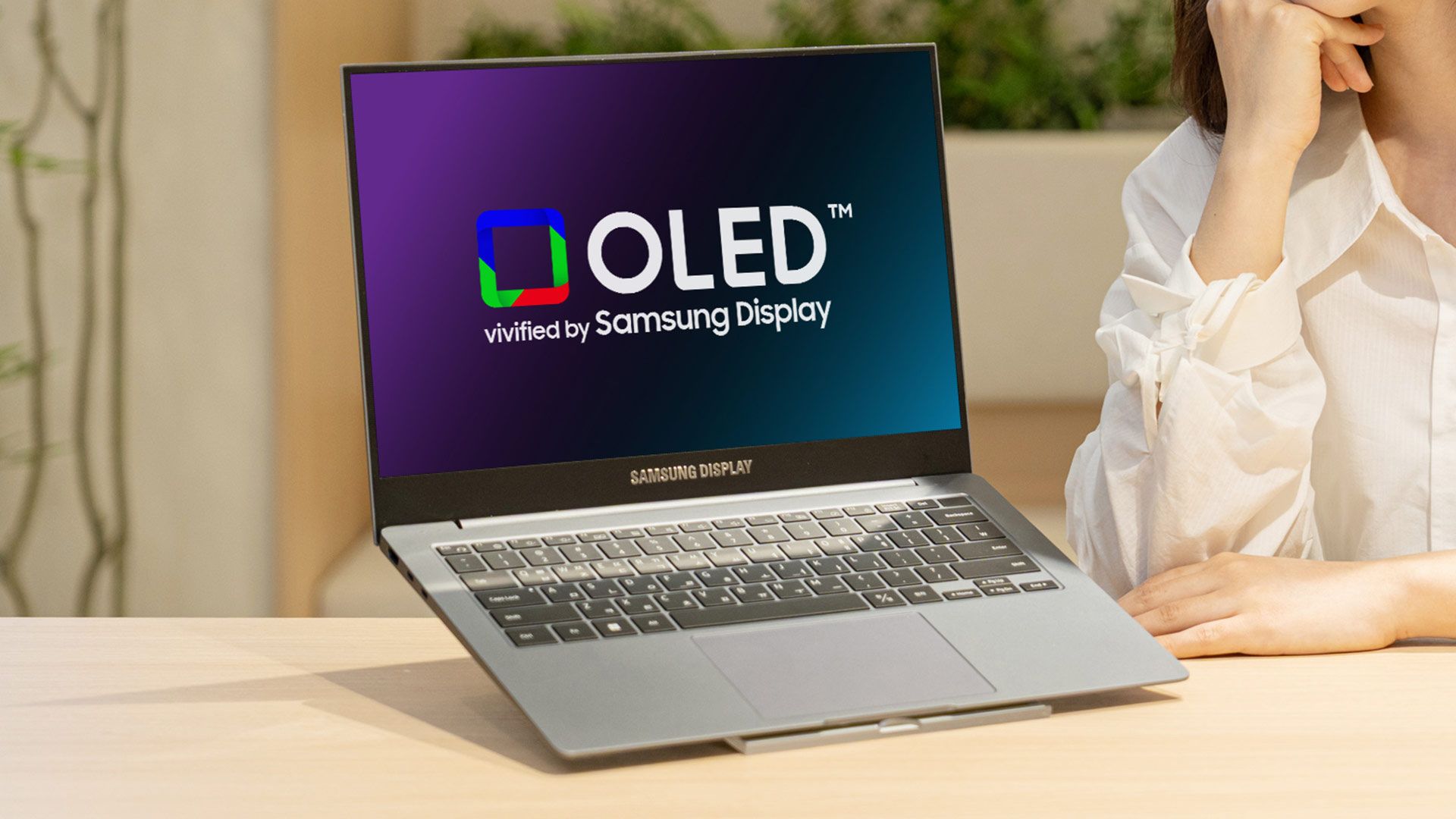
The display industry is undergoing a seismic shift in visual fidelity. Samsung Display, a global leader in screen technology, has officially announced that it has commenced mass production of its groundbreaking "tandem OLED" monitor panels, marking a significant milestone in laptop display performance. These new panels are the first in the industry to achieve the prestigious VESA DisplayHDR True Black 1400 certification, promising a level of brightness, contrast, and longevity previously unattainable in portable form factors.
As major manufacturers like Lenovo, Asus, Dell, and MSI begin integrating this technology into their upcoming high-end lineups, consumers are set to experience a display revolution. This development does not merely represent a marginal improvement in specifications; it signifies a fundamental change in how organic light-emitting diode (OLED) technology is architected, deployed, and sustained in the competitive landscape of professional and consumer computing.
The Technical Breakthrough: Defining the New Standard
To understand the magnitude of this announcement, one must first examine the strenuous requirements imposed by the Video Electronics Standards Association (VESA). The "DisplayHDR True Black 1400" standard, introduced just earlier this month, is designed to certify next-generation OLED displays capable of meeting the demands of professional content creators and high-end gamers.
To earn this certification, a panel must demonstrate an ability to reproduce absolute black levels—defined as 0.0005 nits or lower—while simultaneously achieving a staggering peak brightness of 1,400 nits at a 10% On Pixel Ratio (OPR). This requirement represents a 40% increase in brightness over the previous flagship tier, True Black 1000. In real-world application, Samsung’s new tandem OLED panels are capable of hitting peak brightness readings of up to 1,600 nits, setting a new high-water mark for the industry.
The Anatomy of Innovation: What is Tandem OLED?
The secret to this dramatic jump in performance lies in the "tandem" architecture. Conventional OLED panels, which have dominated the premium laptop market for years, utilize a single emissive layer to generate light. While excellent for color accuracy and contrast, these panels have historically struggled to maintain high brightness without risking accelerated burn-in or excessive power consumption.
Tandem OLED technology fundamentally changes this by stacking two organic emissive layers within the panel architecture. This dual-stack design provides two primary advantages:
- Enhanced Luminous Efficiency: By distributing the electrical current across two layers, the panel can produce significantly higher brightness levels without requiring an increase in power density that would damage the individual sub-pixels.
- Extended Lifespan: Because the panel can achieve higher brightness levels using the same current as a single-layer panel, it places less strain on the organic materials at standard brightness levels. Conversely, when the user does not require peak HDR performance, the system can operate at a lower power draw, effectively extending the lifespan of the screen and reducing the risk of image retention—a long-standing concern for OLED users.
Chronology: The Path to 1400 Nits
The journey to the DisplayHDR True Black 1400 certification is the result of years of iterative research and development.
- Initial OLED Adoption: Early OLED panels for laptops were lauded for their infinite contrast ratios but were often criticized for their inability to combat ambient light in bright environments.
- True Black 500 & 600: VESA’s initial certifications focused on establishing the baseline for OLED performance, emphasizing the "true black" capability over raw peak brightness.
- The 1000 Tier Era: The industry eventually moved to the True Black 1000 standard, which solidified OLED as a viable choice for high-end creative work. However, the brightness ceiling remained a limitation compared to premium Mini-LED displays.
- The Tandem Revolution (Current Phase): Samsung’s introduction of the tandem structure signals the current transition. Lenovo’s Yoga Pro 9i Aura Edition was the first to adopt this technology, signaling to the market that the era of the 1,400-nit portable display has arrived.
- Future Roadmap: With competitors like LG Display aggressively developing their own tandem solutions, the industry expects rapid adoption across the "prosumer" and gaming laptop segments throughout the second half of this year and into 2026.
Industry Integration: A Who’s Who of Hardware
The integration of these panels into the ecosystem is not limited to a single brand. Samsung Display is acting as the primary supplier for a consortium of top-tier hardware manufacturers.
Lenovo has led the charge with the aforementioned Yoga Pro 9i Aura Edition, a device that showcases the potential of high-brightness OLED for creative professionals who require color-accurate, high-contrast workflows in varying lighting conditions. Meanwhile, Asus, Dell, and MSI are preparing to roll out their respective hardware refreshes in the second half of this year. These devices are expected to cater to a diverse user base, ranging from video editors and colorists who require high dynamic range (HDR) precision to mobile gamers seeking the most immersive, punchy visuals available on the go.
Implications for the Professional and Consumer Markets
The transition to DisplayHDR True Black 1400 panels has profound implications for the computing industry.
1. The Death of the "Dim" OLED
One of the primary historical deterrents for choosing an OLED laptop for office or outdoor work has been the lack of sufficient peak brightness to overcome direct glare. By pushing to 1,400–1,600 nits, these panels move into the territory once occupied exclusively by high-end Mini-LED displays, but with the added benefit of pixel-perfect dimming and faster response times.
2. Efficiency and Battery Life
A common misconception is that brighter displays necessarily lead to shorter battery life. However, because tandem OLEDs are inherently more efficient at emitting light, they can maintain a "bright" image while consuming less power than a single-layer panel trying to reach the same brightness. This provides a tangible benefit to the "mobile" aspect of laptops, allowing for long-duration use without tethering the user to a power outlet.
3. The Future of Content Creation
For editors working in Dolby Vision or other HDR formats, the ability to accurately preview content at 1,400 nits on a laptop screen is a game-changer. It bridges the gap between the studio reference monitor and the mobile workstation, allowing for a more seamless creative workflow.
Official Stance and Market Competition
Samsung Display’s move is widely viewed as a direct response to the increasing popularity of high-end Mini-LED panels, which have challenged OLED dominance in the gaming and professional laptop space. By offering a product that meets or exceeds the brightness of Mini-LED while retaining the color superiority of OLED, Samsung is effectively attempting to reclaim the premium market segment.
The competitive landscape is heating up as LG Display continues to advance its own tandem OLED technology. We have already seen tandem OLED-enhanced desktop monitors from companies like Alienware, Gigabyte, and MSI, signaling that this technology is not merely a mobile-exclusive innovation. As these two display giants engage in a technological arms race, the end consumer benefits from a rapid decline in prices for what was, until recently, exotic and prohibitively expensive display technology.
Conclusion: A Brighter Future
The announcement from Samsung Display marks the beginning of a new chapter in mobile computing. By satisfying the requirements of VESA’s DisplayHDR True Black 1400 certification, the company has proven that OLED technology is not reaching a plateau, but rather accelerating.
As we look toward the second half of the year, the influx of devices from Asus, Dell, MSI, and Lenovo will serve as the litmus test for this technology. If these laptops perform as expected, the industry will have successfully solved the "brightness" problem that has long haunted the OLED narrative. For the average user, it means that the next time they open their laptop in a brightly lit cafe or a sun-drenched office, the screen will be just as clear, punchy, and vibrant as their high-end home cinema setup. We are truly entering the age of the "anywhere, any-time" high-performance display.


 Asro
Asro