In a high-stakes disagreement with current Washington policy, Nvidia CEO Jensen Huang has publicly challenged the prevailing narrative surrounding Chinese-developed artificial intelligence models. As the United States intensifies its efforts to restrict the flow and adoption of foreign AI technology—citing national security, espionage, and cybersecurity risks—Huang has emerged as a prominent voice advocating for an open, globalized approach to AI development.
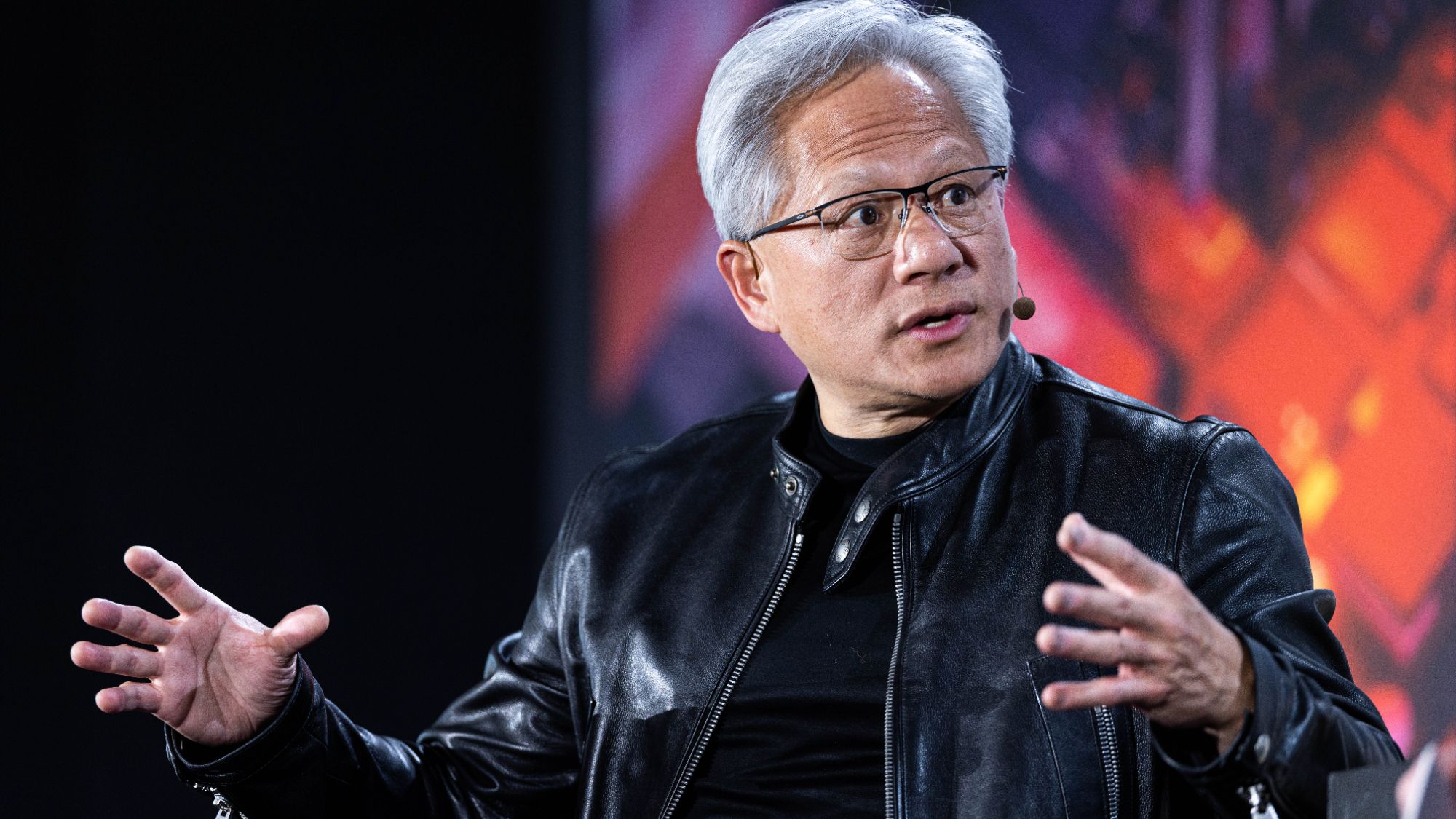
During a recent interview with Axios co-founder Mike Allen, Huang was asked directly if American corporations should be permitted to utilize Chinese-developed AI models. His response was categorical and uncompromising: “Absolutely.” This stance places the leader of the world’s most valuable chipmaker in direct opposition to a growing coalition of policymakers who view the rise of powerful Chinese AI as a foundational threat to U.S. hegemony in the technology sector.
The Catalyst: The Rise of Kimi K3
The urgency of this debate has been accelerated by the recent launch of Kimi K3, a 2.8-trillion-parameter, open-weight AI model developed by the Chinese firm Moonshot AI.
The arrival of Kimi K3 has sent shockwaves through the industry. While it does not claim to surpass the raw, bleeding-edge performance of the most advanced "frontier" models—such as the hypothetical Fable 5—it is remarkably competitive with industry benchmarks like GPT-5.5 and Claude Opus 4.8. Most alarmingly for Western incumbents, Kimi K3 reportedly delivers this performance at approximately one-third of the cost of its American counterparts.
For many in Washington, the Kimi K3 launch was a "Sputnik moment" that necessitated immediate regulatory action. Following its release, reports surfaced that the Trump administration was reviving efforts to implement a total ban on the use of Chinese AI models by U.S. entities. The argument is that these models could contain "backdoors" or hidden vulnerabilities that might be exploited by the Chinese government to compromise American critical infrastructure or intelligence.
Chronology: A Tightening Web of Export Controls
To understand the friction between Jensen Huang and the U.S. government, one must look at the rapidly evolving landscape of export controls and domestic regulations:
- Early 2024: The U.S. government begins formalizing "guardrails" for frontier AI models, focusing on transparency and mandatory reporting for companies developing large-scale systems.
- Mid-2024: The U.S. Department of Commerce issues specific export control orders targeting the deployment of high-end AI models. Anthropic’s "Mythos" and "Fable 5" were temporarily disabled worldwide to ensure compliance with these new security mandates.
- Late 2024: Access to these models was eventually restored after developers implemented strict filtering mechanisms to prevent the AI from assisting in the identification of software vulnerabilities.
- The Present: OpenAI’s ChatGPT-5.6 faced similar administrative hurdles, with the federal government signaling that new, high-capability models must undergo rigorous, government-approved safety vetting prior to public release.
This regulatory environment creates a "permission-based" ecosystem for American AI. Huang, however, argues that this path is counterproductive to the very innovation the U.S. seeks to protect.
The "Backdoor" Misconception: Huang’s Technical Defense
Huang’s defense of Chinese AI is rooted in the architecture of modern open-weight models. He argues that the fear of "Chinese backdoors" in models like Kimi K3 ignores the fundamental nature of open-source and open-weight distribution.
"There is a misconception that somehow there are backdoors that are somehow connected to China in some way," Huang explained. "You download the models, you can fine-tune it, you can enhance it, you can guardrail it as you desire."
Huang’s perspective relies on the concept of local verification. When a model is downloaded and run on internal hardware, the end-user has total sovereignty over the software environment. By fine-tuning, auditing, and "guardrailing" these models within their own firewalls, companies can effectively neutralize potential malicious code, according to the Nvidia CEO. In his view, a model is a tool—not an agent of the nation in which it was created.
Systemic Risks: The Danger of Monoculture
Beyond the specific debate over Chinese AI, Huang warns against the dangers of a "technological monoculture." He argues that if the U.S. insists on restricting the AI ecosystem to a handful of approved, domestic-only models, it risks creating a "single point of failure."
"If everything just becomes one single model, one single point of attack, one single source of failure, I think the world is much, much more vulnerable," Huang noted.
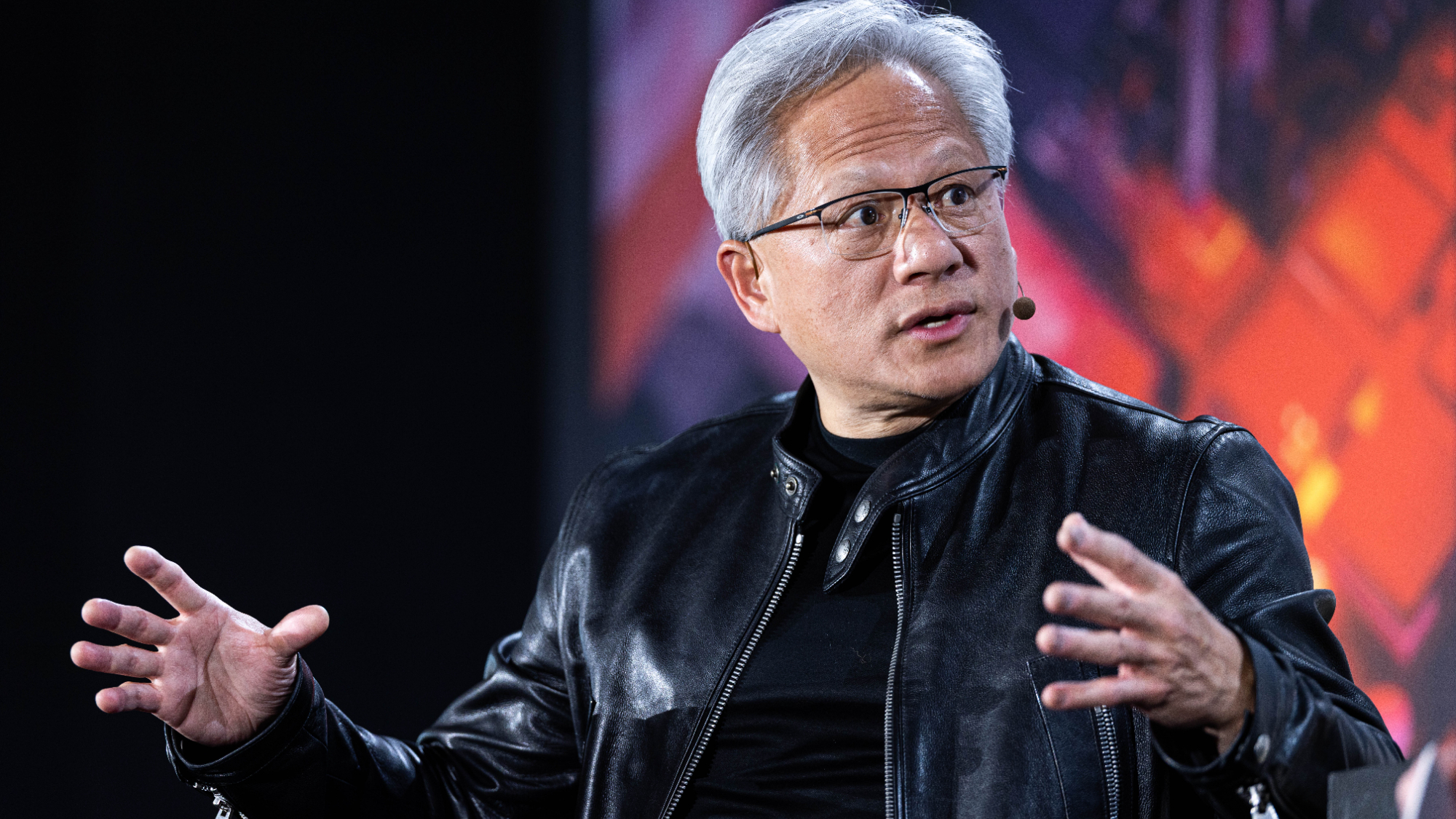
By diversifying the models in use—including those from Chinese or other international sources—companies can create a more resilient, heterogeneous technological infrastructure. He posits that security is best achieved through rapid, industry-wide testing and public scrutiny, rather than through state-mandated isolationism.
The Economic Implications: Why Demand is Key
Investors have frequently reacted to the arrival of cheaper, powerful foreign models like DeepSeek and Kimi with trepidation, fearing that they will erode the margins of American AI giants like OpenAI, Google, and Anthropic. Huang views this as a fundamental misunderstanding of market dynamics.
He argues that cheaper models do not cannibalize the market; they expand it. By lowering the cost of entry, these models bring a massive cohort of new users into the AI fold—small businesses, researchers, and developers who previously could not afford the high cost of frontier-model APIs.
This surge in adoption drives a corresponding surge in the demand for compute power. As more people use AI, the necessity for robust data center infrastructure grows. For Nvidia, this is the ultimate goal: while the software models themselves may fluctuate in market share and origin, the hardware required to train and run them remains the "pick and shovel" of the new industrial age. Huang sees the rise of efficient Chinese models as a net positive for the entire ecosystem, as it forces innovation and maximizes the utility of GPU-accelerated data centers.
Official Responses and the Road Ahead
The divide between the tech industry’s desire for globalization and the government’s push for security is widening. While the White House and intelligence agencies argue that AI is a dual-use technology—meaning it is as much a weapon of national security as it is a commercial product—leaders like Huang are highlighting the risks of "technological isolation."
The current impasse leaves many U.S. companies in a state of limbo. They are caught between a desire to leverage the best, most cost-effective tools available globally and the looming threat of federal sanctions.
As Washington weighs whether to codify these bans into permanent law, the debate will likely shift toward the feasibility of enforcement. With open-weight models, once a file is distributed, it is nearly impossible to "recall." The genie is arguably already out of the bottle.
Conclusion: A Paradigm Shift?
The stance taken by Jensen Huang is not merely a corporate defense of open markets; it is a philosophy of resilience. By advocating for the use of Chinese AI, he is challenging the U.S. to focus on its own competitive edge rather than attempting to wall itself off from the global reality of AI development.
Whether the government will heed his warnings or continue to pursue a policy of digital protectionism remains to be seen. However, one thing is certain: as long as companies like Moonshot AI continue to produce models that rival the best of Silicon Valley at a fraction of the cost, the pressure to choose between security and efficiency will only intensify. For now, the world’s most powerful chipmaker is betting that in the long run, the most secure and prosperous path is an open one.