Nila Kartika Wati
In the modern age of digital filmmaking, where cameras have shrunk to the size of a toaster and operate in near-total silence, the persistence of traditional 15/70mm IMAX film cameras feels like an anomaly. These gargantuan, mechanical beasts are responsible for some of the most breathtaking visual spectacles in cinema history—from the sweeping vistas of Dune to the heart-pounding intensity of Oppenheimer. Yet, for all their glory, they are notoriously, disruptively loud. To capture the world’s most pristine images, filmmakers have had to wrestle with a machine that sounds more like a heavy industrial tractor than a precision optical instrument.
The Anatomy of a Rattle: Main Facts
At the heart of the IMAX noise issue is the sheer physics of the format. Unlike standard 35mm film, which moves vertically through a camera, IMAX uses 65mm negative stock that travels horizontally through the gate. This is the "15/70" format—a term derived from the fact that each frame spans 15 sprocket holes across 70mm film.
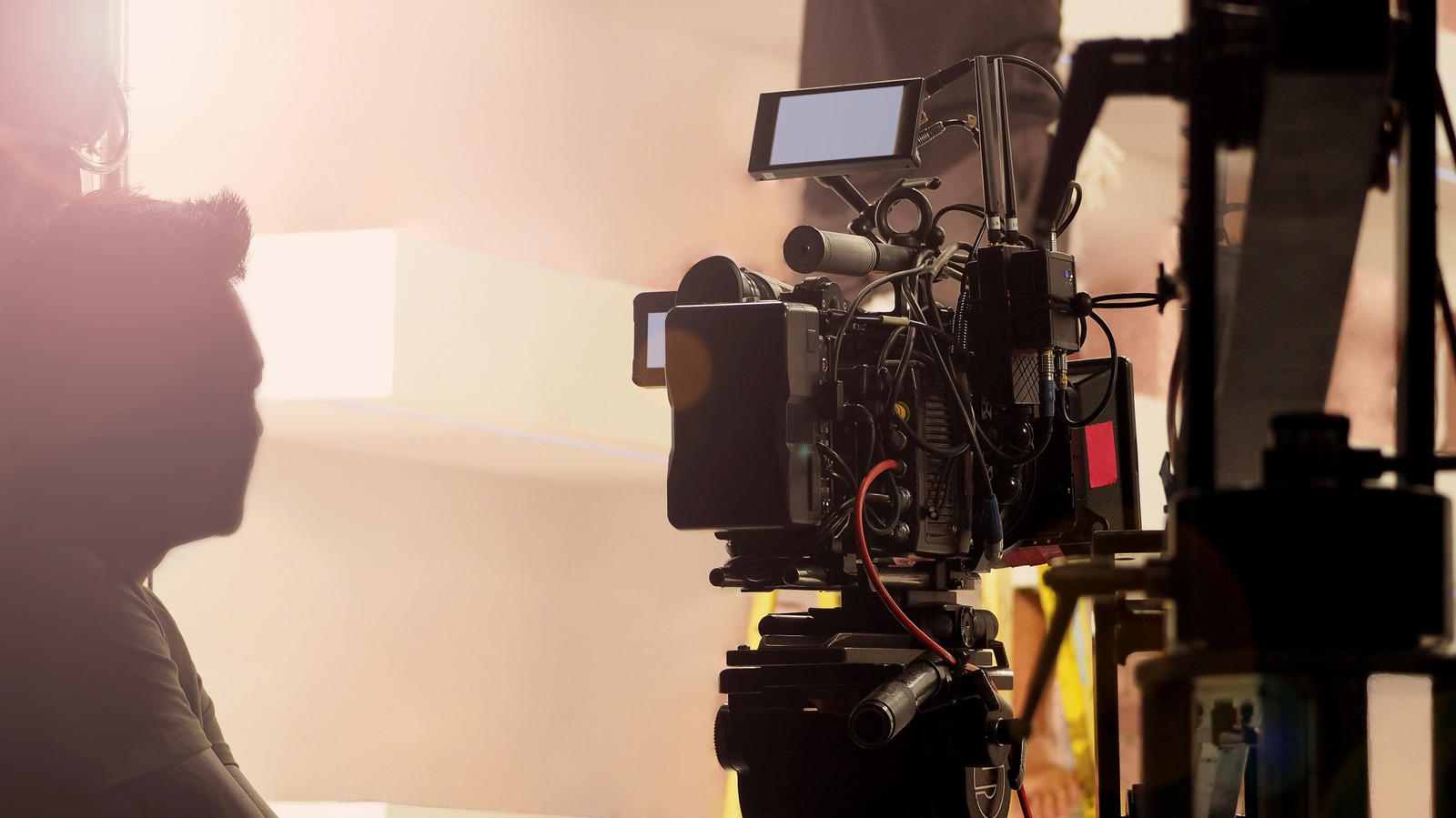
This configuration creates a frame that is roughly ten times the size of standard 35mm film. To maintain the 24-frames-per-second industry standard, the camera must physically yank this massive strip of film through the mechanism at a staggering rate of 5.6 feet per second. This constant, high-speed starting and stopping of heavy celluloid creates a mechanical symphony of clicks, whirs, and rattles. When you add the high-tension motor required to move this weight and the vacuum system necessary to keep the film perfectly flat against the focal plane, you have a device that generates an acoustic footprint capable of drowning out quiet dialogue on a set.
A Chronological Evolution of IMAX Engineering
The history of the IMAX camera is a history of relentless scale. Since its inception in the late 1960s, the goal of IMAX has been "maximum image," prioritizing resolution and clarity over portability.
- The Early Era (1970s–1990s): IMAX cameras were primarily used for documentaries and large-format educational films. Because these films rarely featured complex, sync-sound dialogue, the noise level was considered an acceptable trade-off for the unprecedented image fidelity.
- The Narrative Shift (2000s): When directors like Christopher Nolan began pushing to use IMAX cameras for narrative feature films, the "noise problem" moved to the forefront. Filmmakers suddenly faced the reality that they couldn’t capture clean dialogue while these mechanical monsters were running just feet away from their lead actors.
- The Digital Divergence (2010s–Present): With the rise of "Filmed for IMAX" digital cameras, the industry saw a split. While digital cameras solved the noise problem entirely, purists continued to demand the 15/70 film experience, forcing manufacturers to refine the aging mechanical designs of the 70mm rigs rather than abandoning them.
Supporting Data: The Cost of Clarity
The logistics of operating an IMAX camera are as daunting as the noise they produce. A standard 1,000-foot magazine of film provides a meager three minutes of screen time. This means that in the middle of a high-stakes scene, the camera must be reloaded, a process that is time-consuming and labor-intensive.
Furthermore, the mechanical stress on the film is immense. The vacuum plate, which pulls the film against the back of the lens to prevent it from curling, is the primary source of the "high-pitched whine" reported by sound mixers. If this vacuum seal fails, the film can buckle, potentially leading to catastrophic damage to the negative—which, given the cost of IMAX stock and processing, can amount to thousands of dollars lost in a single second.
Official Responses and Technological Mitigation
In recent years, the engineering team at IMAX has responded to the complaints of cinematographers and sound mixers with innovative, albeit heavy, solutions. The most significant development is the "Keighley" camera, named after long-time IMAX executive David Keighley.
The Keighley represents the first major overhaul of the IMAX camera architecture in decades. By integrating a proprietary, advanced blimp—an acoustic housing designed to dampen the mechanical noise—IMAX has finally allowed directors to capture usable sound in closer proximity to the camera. However, this comes at a steep physical price. The camera system, fully kitted out in its new sound-dampening shell, can weigh in excess of 300 pounds. This limits the camera’s mobility, effectively requiring specialized cranes, dollies, and a small army of technicians to operate.
Implications for the Future of Filmmaking
The "loudness" of IMAX is more than just a technical grievance; it is a gatekeeper for the industry. Because these cameras are so cumbersome, noisy, and expensive, they are rarely used for scenes involving subtle human interaction. This has created a bifurcated visual language in modern blockbusters: intimate scenes are filmed on quieter, digital, or 35mm cameras, while the "big" IMAX sequences are reserved for action, landscapes, and spectacle where the sound of the camera doesn’t matter.
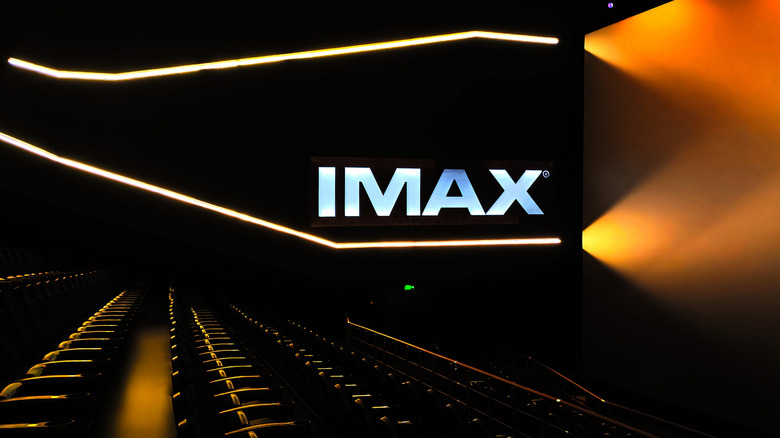
This limitation has led to the rise of "IMAX-certified" digital cameras. These systems offer a compromise: they are silent and manageable, but they lack the organic, grain-heavy texture of true 70mm film. For the traditionalists, the trade-off is painful. They argue that the noise is a "price of admission" for the most immersive visual experience in cinema.
However, the industry is at a crossroads. As audiences become increasingly accustomed to the convenience of digital projection and production, the "mechanical rattle" of the IMAX camera may eventually become a relic. Yet, as long as auteurs like Christopher Nolan or Jordan Peele continue to champion the 15/70 format, the sound of that high-pitched mechanical whine will remain the definitive heartbeat of true cinematic scale.
Ultimately, the IMAX camera is a reminder that in the world of high-end filmmaking, quality is rarely free. It is paid for in dollars, in sweat, and in the persistent, grinding hum of a machine that refuses to be quiet while it changes the way we see the world. As we look toward the future, the question is not whether we can make these cameras silent, but whether we still have the patience for the monumental effort required to keep them roaring.


 Asep Darmawan
 Lina Hope